Beyond Smartphones: The Next Generation of AR Gaming Devices
3 June 2026
Let’s face it — we've squeezed quite a bit of magic from our smartphones when it comes to augmented reality (AR) gaming. From catching Pokémon in our parks to crafting elaborate worlds on our coffee tables, smartphones have been the gateway drug to AR for many of us. But now, we’re itching for more. It’s no longer just about convenience. It’s about immersion, freedom, and pushing boundaries. And smartphone screens? They're starting to feel... well, limiting.
So, what’s next? Where is the AR gaming world headed now that our tiny handheld rectangles are beginning to feel a bit too small? Strap in, because the answer lies in the next generation of AR gaming devices — tech that’s ready to take us beyond glass screens and into living, breathing alternate realities.

The Limitations of Smartphone-Based AR
Before we dive into what's coming, let’s talk about why what we have now just isn’t cutting it anymore.Narrow Field of View
You only see what your camera sees. That means the AR world is boxed into a small rectangle. It's like trying to watch a blockbuster movie through a keyhole — frustrating and underwhelming.Battery Drain
Ever try playing an AR game for more than 30 minutes? Your phone starts heating up like it’s about to launch into space, and your battery plummets like a rock. Not ideal for long gaming sessions.Ergonomics
Holding a phone up at eye-level isn’t natural. Your arms get tired, especially with games that ask for movement. It's like trying to sword fight while holding a frying pan.Limited Interaction
AR on phones is mostly tap and swipe. But real-world gaming should be more than that. We need more nuanced, hands-free, and intuitive interactions to feel truly immersed.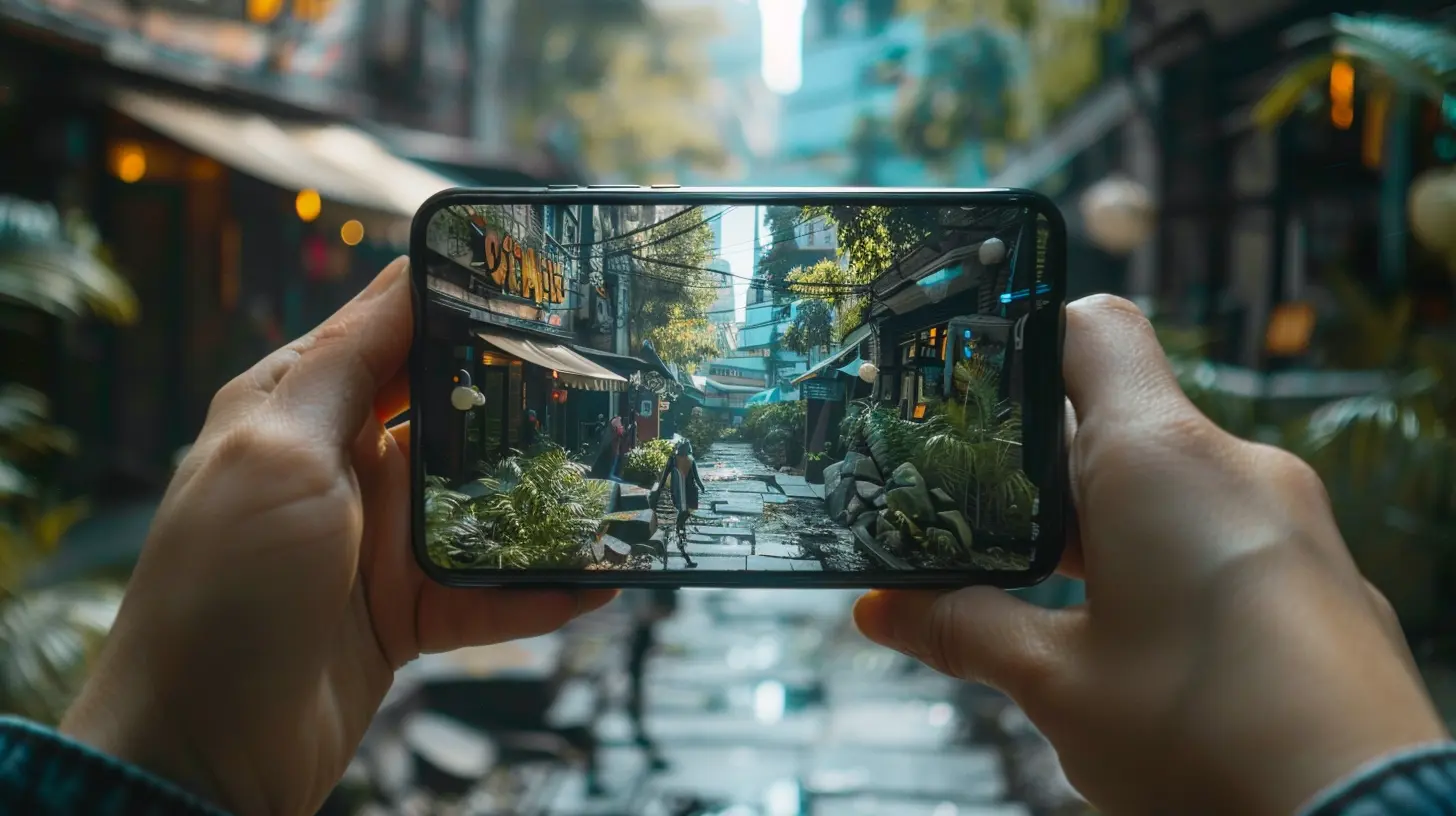
What Are AR Gaming Devices And Why Do They Matter?
AR gaming devices are purpose-built or hybrid gadgets that blend digital content with the physical world more seamlessly than smartphones can. Think along the lines of AR glasses, headsets, wearables, and even full-body gear. They promise more immersion, richer interaction, and a much wider canvas to paint virtual experiences on.But why should we care about these devices?
Because they’re not just an upgrade — they’re a whole new playing field. With true AR devices, we're not just looking at holograms. We’re stepping inside them.

The New Wave of AR Gaming Tech
Now, let’s get into the meat of it. Here are the next-gen devices pushing AR gaming beyond what we’ve known so far.1. AR Glasses
This is the crown jewel of next-gen AR expressions. Forget clunky phone screens — AR glasses project interactive, digital elements straight into your field of vision.Key Players
- Apple Vision Pro (and future iterations) — While initial versions target mixed-reality productivity, Apple’s entry into this space signals a huge shift. You can bet gaming will become a major focus.- Meta (formerly Oculus) — With Project Nazare and Meta Quest 3, Meta is betting big on seamless AR + VR experiences.
- Snap Spectacles AR — More developer-focused for now, but a sign of Snap's intent to make AR gaming more wearable.
Why It’s a Big Deal
These glasses free your hands, expand your peripheral AR, and let you interact with the environment in real time. For gamers, that means moving through physical space while battling digital baddies — no more thumbs required.2. Mixed Reality Headsets
Somewhere between full-blown VR and AR glasses, mixed reality (MR) headsets offer incredible immersion while still keeping you grounded in reality.Notable Devices
- Microsoft HoloLens 2 — Originally built for industrial use, this headset offers precise spatial tracking and hand recognition that's a dream for advanced AR games.- Magic Leap 2 — Offers dynamic dimming of the real world and high-fidelity visuals for immersive experiences.
Gaming Applications
Imagine a dungeon crawler where your actual living room transforms into a shifting labyrinth, complete with monsters hiding behind your couch. These headsets make that possible.3. AR Contact Lenses (Yes, Really)
We’re still in prototype stages here, but companies like Mojo Vision are aiming to create AR lenses that sit directly on your eye and project digital data into your vision like something out of a sci-fi film.Why It's Wild
No screens, no devices — just pure, embedded augmentation. It’s the holy grail of AR immersion. Imagine blinking to cast spells or seeing real-time game stats right on your retina. It’s not here yet… but it’s coming.4. Full-Body AR Wearables
What if your entire body could become a controller?The Rise of Haptic Suits
Companies like Teslasuit are exploring haptic feedback suits that let you feel virtual impacts. Combine that with AR visuals, and you've got a full-body gaming experience that’s scary-real.Smart Gloves and Shoes
- HaptX Gloves allow for tactile feedback — so you can feel items you pick up in-game.- Wearable shoes can simulate walking on different terrains — sand, grass, or even lava (okay, hopefully not real lava).

Benefits Of Moving Beyond Smartphones In AR Gaming
Alright, so the new hardware sounds cool — but is it really worth jumping ship from our phones? Short answer: heck yes. Here’s why.1. Full Immersion
Phones are passive. You hold them, look through them. AR glasses and headsets? You wear them — and they blend virtual with reality so smoothly that you forget where one ends and the other begins.2. Natural Interaction
Wave your hand. Nod your head. Walk, talk, duck, dodge. The next gen of AR devices tracks and responds to your body naturally. It's like moving from typing to speaking when voice assistants came along — just more fun.3. Bigger, Better Games
With more processing power and better sensors, developers can build games that are richer, deeper, and way more dynamic. Imagine open-world AR MMORPGs where you explore your entire neighborhood, or real-time PvP battles in your backyard.4. Longer Play Times
Battery life and overheating are massive issues with phones. Dedicated AR devices are built with better power management — which means more game time, less charger dependency.Challenges: Not All Sunshine and Rainbows
Of course, with all this futuristic tech, we’ve also got some bumps in the road.Price Tags
Early AR glasses and headsets aren’t cheap. We're talking thousands of dollars in some cases. It’s like paying next-gen console prices times three.Bulkiness
Some of these headsets are still pretty chunky. Not exactly ideal for a casual game of AR tag at your local park.Limited Content
Great hardware means squat without killer games. Right now, most AR content is experimental or indie. AAA developers are still testing the waters.Privacy Concerns
With cameras and data tracking galore, AR devices raise serious privacy and ethical questions. Who’s watching you while you’re playing? And what are they doing with that data?
The Future of AR Gaming: What Lies Ahead?
Despite the hurdles, the direction is clear: AR gaming is leaving the phone behind. Within the next 5-10 years, we could see AR glasses replacing smartphones as our main computing platform. And gaming? It’ll be the spearhead driving much of that innovation.We’re talking about:
- Persistent AR Worlds: Games that persist in your space, even when you're not playing — like a pet dragon that lives in your house.
- Cross-device Play: Jump from console to phone to AR seamlessly.
- True Multiplayer AR: Real-time interaction with friends in the same physical space — no screens needed.
Final Thoughts
Smartphones had a damn good run. They introduced millions to AR gaming and showed us what’s possible. But like upgrading from 8-bit to 4K, the gear we use defines the experience we get. AR glasses, headsets, wearables — they’re not just the future. They’re the next level.So next time you pull out your phone to slay virtual zombies on your lunch break, just remember: we're on the verge of something much bigger. And the best part? You're going to be right in the middle of it.
all images in this post were generated using AI tools
Category:
Augmented Reality GamesAuthor:

Jack McKinstry
Discussion
rate this article
2 comments
Beatrice Garcia
Exciting times ahead for AR gaming! Can't wait to see how these new devices transform our gaming experiences.
August 24, 2026 at 2:38 AM
Jack McKinstry
Absolutely! The potential of new AR devices is huge, and it's thrilling to think about the immersive experiences they will bring.
Cadence James
Exciting times ahead for AR gaming! Can't wait to see how these new devices enhance our experiences.
June 5, 2026 at 4:45 PM
Jack McKinstry
Absolutely! The potential for innovation in AR gaming is tremendous, and these new devices will definitely take our experiences to the next level. Exciting times indeed!