Building Tension Through Level Pacing
24 July 2026
When it comes to games that grab you by the collar and won’t let go, tension is the secret sauce. It’s that heart-thudding, edge-of-your-seat feeling that keeps players glued to their screens. But here’s the kicker — tension doesn’t come from jump scares alone or hordes of enemies charging at you every five seconds. Nope. The real MVP behind mouth-drying, controller-gripping suspense?
Level pacing.
That’s right. Building tension through level pacing is an art — and when done right, it elevates a game from “meh” to “masterpiece.” Whether you're designing a horror survival game, an action-packed shooter, or even a twisted puzzle platformer, the way you pace your levels can make or break the entire experience.
So, let’s dive right in, shall we?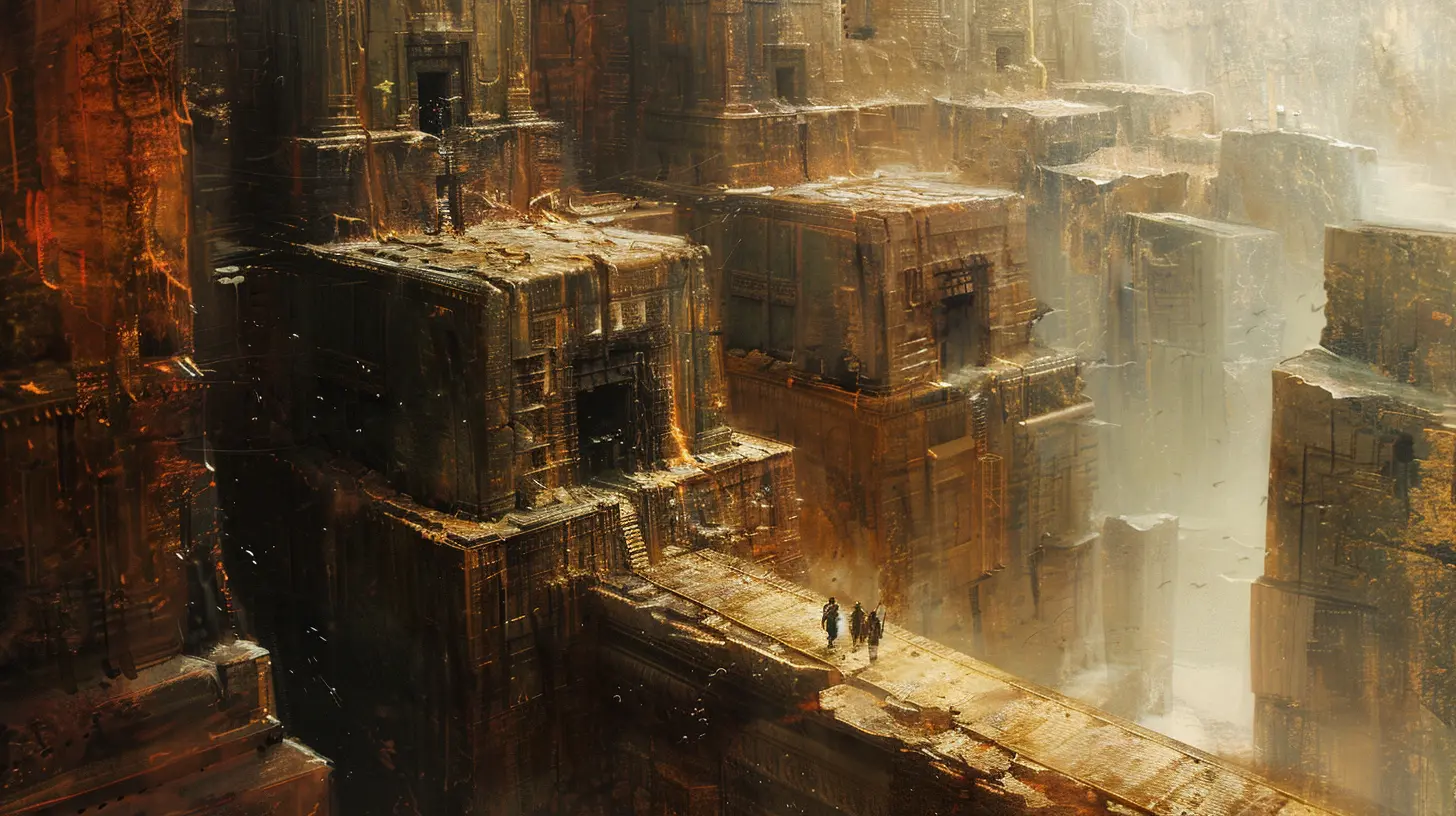
What Exactly Is Level Pacing?
Think of level pacing like the rhythm in a song. You don’t just want one endless, monotonous beat. You want high points, low points, moments that breathe, and moments that explode. Pacing is how you control the flow of gameplay — the speed, the intensity, and the frequency of in-game events.It’s about knowing when to ramp up the action and when to pull back. Tension happens in that contrast — in the build-up before the storm, in the silence after a chaotic firefight, in the moment a hallway stretches a bit too long and quiet.
Great pacing manipulates player emotions like a puppeteer pulling strings.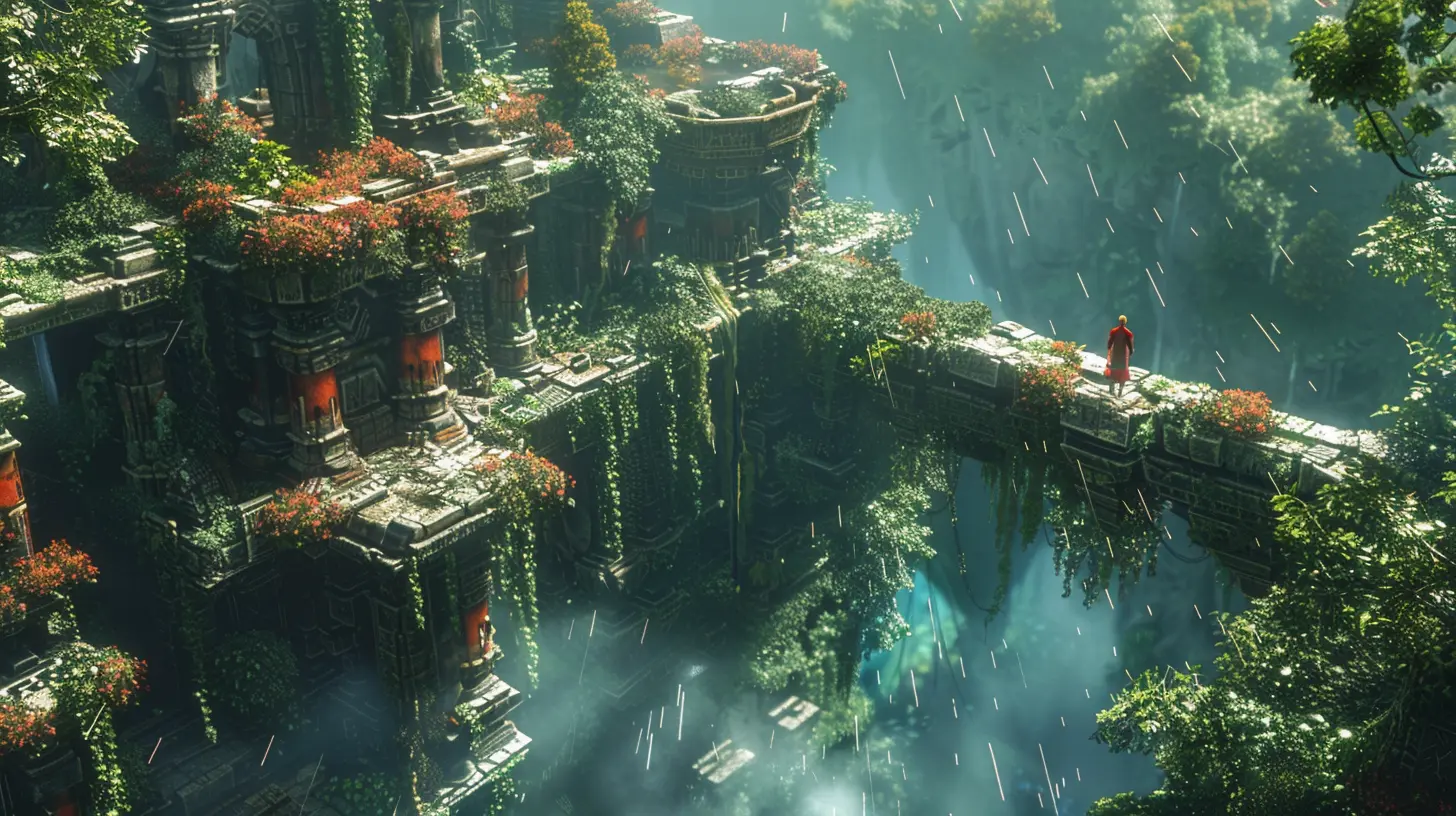
Why Tension Matters in Game Design
Let’s be real — no one plays a game hoping to feel absolutely nothing. Tension makes players care. It makes their palms sweat, their hearts race. It forces them to stay alert and stay invested.You ever noticed how some of the most talked-about games are the ones that toy with your emotions? Games like Dead Space, The Last of Us, Resident Evil, Inside — they’re masters at cranking up the anxiety and making it meaningful.
Tension adds stakes. It adds weight to your decisions. And when it blends seamlessly with pacing, it creates a rollercoaster of emotions that players can’t stop riding.
The Anatomy of Good Level Pacing
Alright, so what makes level pacing actually good? Let's break this down.1. Peaks and Valleys
You can’t keep players on full adrenaline mode 24/7. That’s called burnout.Instead, alternate between high-intensity action and calm-down moments. Think of it like breathing: inhale intensity, exhale relief. The contrast doesn’t dilute the excitement — it enhances it.
For example, after a brutal boss fight, give players a quiet hallway, a narrative moment, or a puzzle that slows things down. Let them catch their breath. And just when they start to feel SAFE…
Boom. You hit them with another spike.
2. Foreshadowing
Don’t blindside your players out of nowhere. That’s cheap. Instead, drop hints. Let them feel like something's off. A flickering light, distant screams, a hallway that's just too empty.Good pacing teases. It whispers in your ear, “You’re not gonna like what’s coming,” and dares you to keep going.
That lingering dread? That’s the tension building up — and it's delicious.
3. Environmental Storytelling
Your environment can pace itself if you let it. Creaking doors, freshly bloodied walls, slowly increasing enemy corpses — they all tell a story. And with every step, you feel more unease.The beauty? You’re not just showing danger, you’re implying it.
Implied threats often hit harder than immediate ones. Players start to overthink. They slow down. That’s pacing, baby.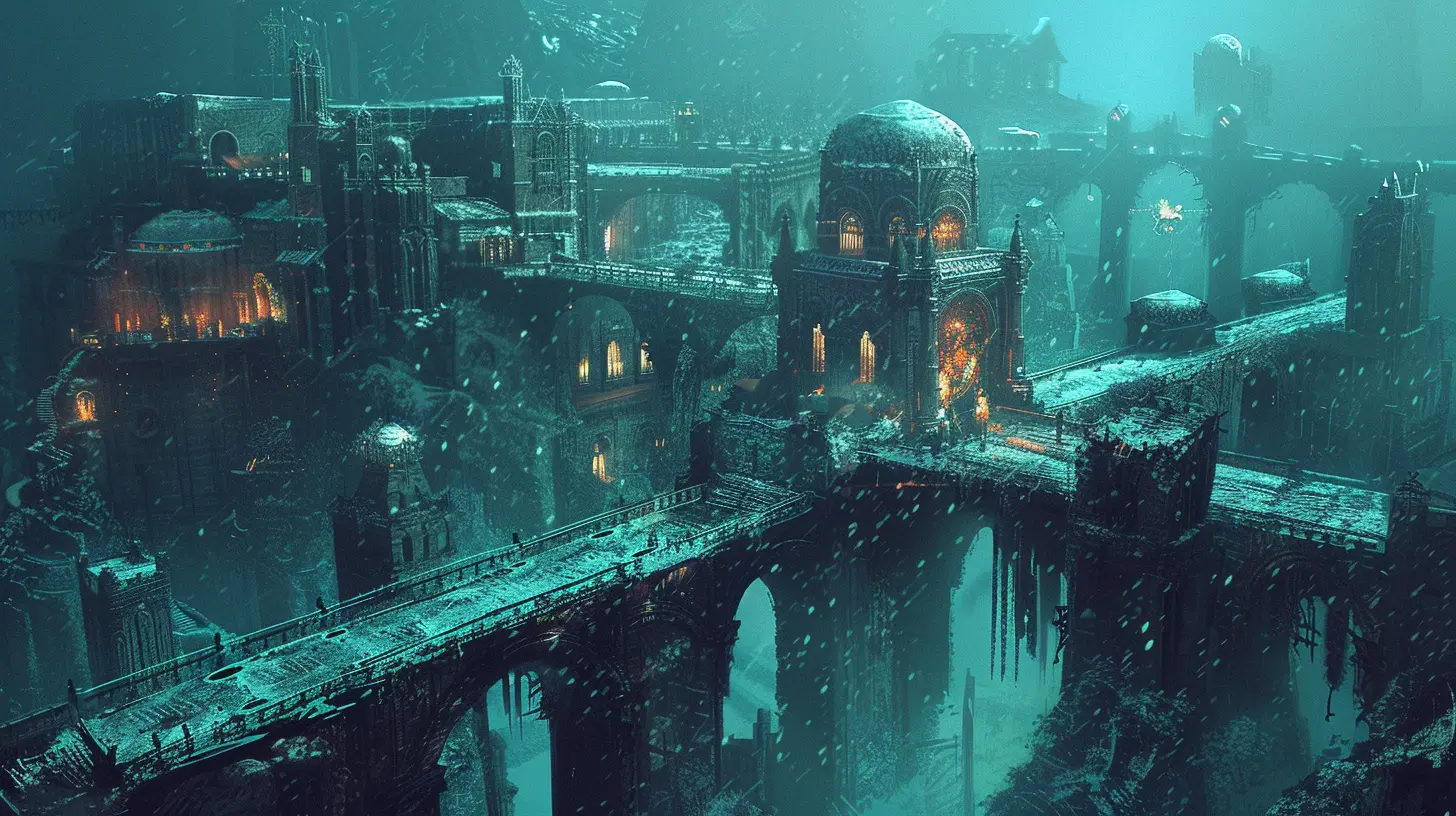
Real-World Examples That Nail It
Resident Evil 2 (Remake)
This game is a masterclass in level pacing. You’ll go from fighting zombies in claustrophobic hallways to desperately solving puzzles in weird, offbeat silence.Then in comes Mr. X, just quietly stomping after you. The fact that you never know if he's around the corner? That’s perfection. Every safe room becomes a sanctuary. And when you're out of it? You're counting every bullet, every footstep, every second.
Half-Life 2
You start off slow, with world-building and light encounters. And just when you get comfortable, things escalate. One minute you’re exploring City 17, the next, you're being chased by Combine soldiers, dodging flying saw blades, or launching sticky bombs at spider-like monstrosities.That pacing keeps you on your toes. Never bored, never overwhelmed.
DOOM (2016 and Eternal)
Now, DOOM is all about constant action, right?Wrong. Even this ultra-aggressive FPS understands that you can't just throw combat 24/7. It uses traversal, brief exploration, and upgrade breaks to regulate intensity — giving players a second to breathe before throwing them back into the meat grinder.
Techniques To Build Tension With Pacing Like a Pro
You didn’t think I’d just praise games and leave you hanging, did you? Let’s talk tactics.1. Use Silence as a Weapon
Music builds atmosphere — but silence builds dread. When there’s no soundtrack, no ambient noise, nothing but your footsteps? Your players start imagining things. That’s gold.2. Play With Lighting
Darkness is your best friend. Shadows can slow players down. They’ll hesitate, double-check corners, and walk carefully. That’s perfect pacing. Make light a reward — a safe haven. Then take it away.3. Limit Resources
Scarcity ramps everything up. Low ammo, limited health, no save points in sight? That’s real tension. Players become cautious, alert, fully immersed.You don’t even need a monster behind every door. The possibility is enough to leave players on edge.
4. Break the Pattern
Players are smart. They notice routines. Three quiet rooms, then combat? A cutscene every ten minutes?Just when they think they’ve cracked your rhythm, flip the script. Interrupt expectations. Throw chaos into calm, or draw out the silence longer than usual. Keep them guessing.
Pacing Pitfalls You Absolutely Must Avoid
Alright, time for some real talk.Even great games can stumble when they mess up pacing. Here are the most common screw-ups:
❌ Constant High-Intensity
If every single scene is loud, fast, and furious — nothing feels important anymore. You numb your players. They start zoning out.❌ Boring Downtime
Yes, breathing room is essential. But make sure your downtime still serves a purpose. Show world-building. Offer character development. Drop a mysterious clue. Don’t just waste time for the sake of it.❌ Predictable Structure
If players can guess exactly when the next battle, boss, or big plot twist is gonna happen — you’ve already lost the tension. Unpredictability is key to keeping the suspense alive.How to Test and Tweak Pacing
Here’s some advice straight from the trenches: watch people play your game.Don’t just rely on your own gut feeling. Observe their body language. Are they bored after ten minutes? Are they stressed for too long without relief? Do they say they’re scared, or do they look scared?
Also, use heat maps and gameplay analytics if you’re working with a team. Are players dying way too often in one area? Maybe you're cranking the intensity dial a bit too hard.
Iterate. Test. Repeat. Good pacing is a constant balancing act.
Final Thoughts: Tension Is Crafted, Not Coincidence
Look, building tension through level pacing isn’t easy. It’s a delicate art of knowing when to hold back, when to throw punches, and when to fake a left jab before going in hard on the right.It’s about controlling the tempo like a conductor leading a symphony of chaos and calm. And when you nail it? You create moments players never forget.
That hallway they didn’t want to walk down, the moment they ran out of bullets, the pause before that final boss fight — those memories stick. Not because of flashy graphics or epic cutscenes, but because the tension was real. Earned. Felt in their bones.
So if you're a game designer, here's your mission: stop thinking of pacing as just a flowchart. Think of it as your story’s pulse. Start building around that pulse, and watch your game come alive — terrifyingly, beautifully, and unforgettably.
Let the tension rise.
all images in this post were generated using AI tools
Category:
Game Content CreationAuthor:

Jack McKinstry
Discussion
rate this article
2 comments
Edith Wolfe
Level pacing is an art that transforms mere gameplay into an emotional journey, drawing players deeper into the experience.
October 14, 2026 at 2:39 AM
Jack McKinstry
I completely agree. When done well, level pacing truly enhances the emotional connection players feel, making every moment more impactful.
Nymira McGuffey
Level pacing is like cooking a good meal. Too much heat, and you burn dinner; too little, and it's bland. Balancing excitement with a dash of suspense keeps players hooked. Just remember, nobody likes a game that feels like waiting for a bus... forever.
July 25, 2026 at 4:40 AM
Jack McKinstry
I love that analogy! Striking the right balance is key. Too much or too little can really affect the experience. Keeping players on their toes is what makes it engaging.