How Augmented Reality Is Blurring the Line Between Game and Reality
13 July 2026
Let’s face it – reality can be a bit, well… dull sometimes. Paying bills, doing laundry, getting stuck in traffic – not exactly the stuff of legends. That’s why millions of us dive head-first into games. They're our escape zones, our fantasy playgrounds. But what if you didn’t have to choose between the “real world” and your favorite game? Enter: Augmented Reality, or AR, the magical tech that’s crafting a fusion between gaming and reality so seamless, you'll start to question whether you’re in a game… or just living in one.
Welcome to the world where Pokémon pop out of bushes near Starbucks, zombies lurk behind your neighbor’s shed, and dragons could be chillin' on your roof. This isn't science fiction anymore – it's already here, and it’s only getting better.
So grab your snacks, keep your eyes peeled (literally), and let’s unravel how Augmented Reality is blurring the line between game and reality.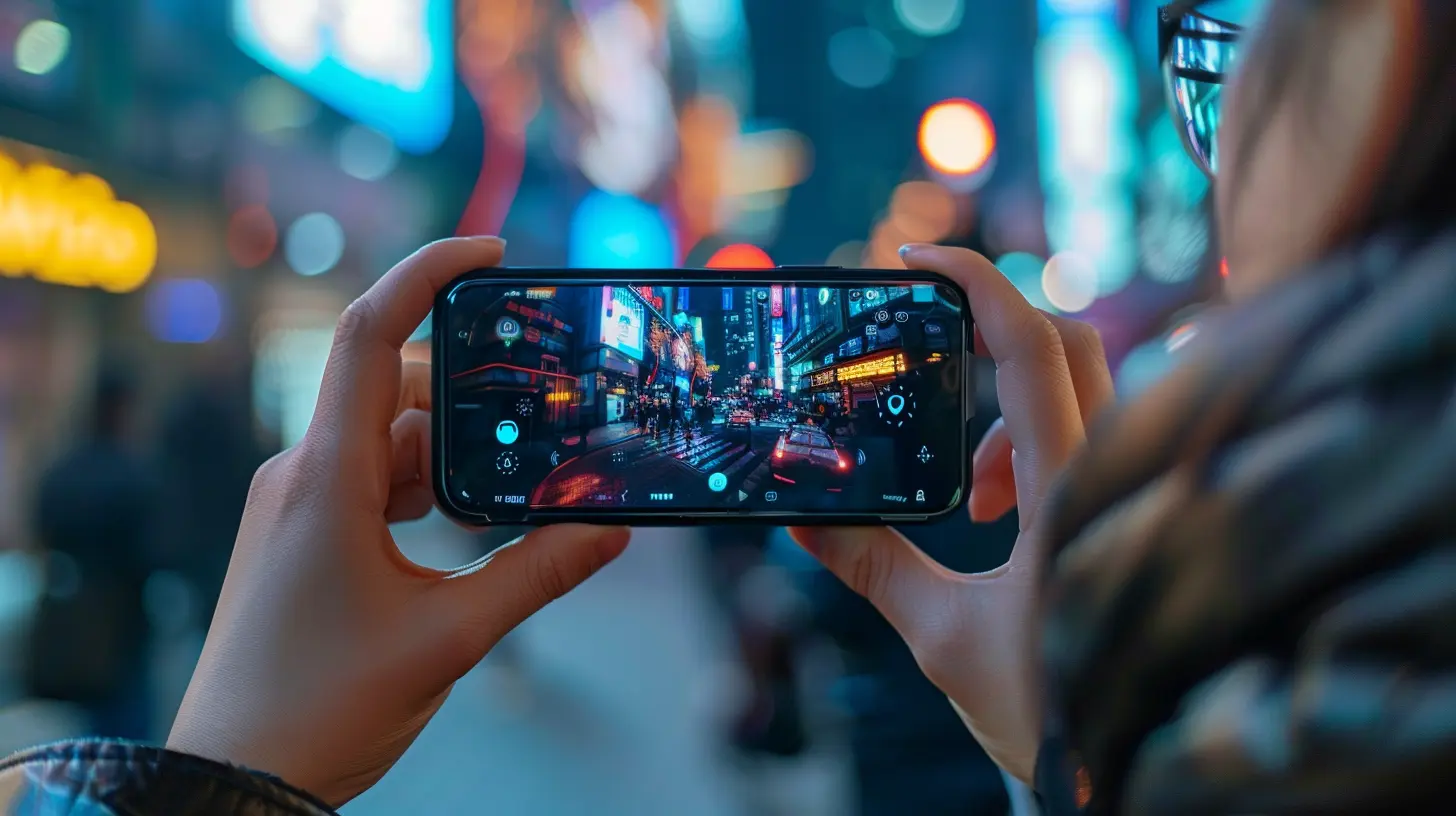
? What Is Augmented Reality (AR), Anyway?
Alright, before we go full Matrix-mode, let’s quickly clear up the difference between Augmented Reality (AR), Virtual Reality (VR), and that time you tripped because you were too into your mobile game.AR is all about layering digital goodies on top of your real-world view. Think of it as real-life with bonus features – like someone added extra cheese to your pizza. You’re still in your world, but it’s enhanced.
Unlike VR, which locks you into a headset and transports you to an entirely virtual environment (and possibly makes you bump into furniture), AR keeps your feet on the ground and your eyes on both screens – real and digital.
? The Rise of AR in Gaming: From Niche to Mainstream
Remember when AR was a gimmick? A cute novelty? Yeah, those days are long gone.Things really took off with a certain little game you might have heard of – Pokémon GO. Released in 2016, it turned sidewalks into PokéStops and turned millions of people into real-life Ash Ketchums. It was more than a game – it was a cultural phenomenon. And it proved one thing: people love blending reality with fantasy, especially when it involves catching adorable digital monsters in public.
Since then, AR has leveled up faster than a noob on double XP day. We've got:
- Minecraft Earth – building block empires on your coffee table.
- The Walking Dead: Our World – turning your neighborhood into a zombie apocalypse.
- Harry Potter: Wizards Unite – casting spells at your local park (without getting arrested, hopefully).
And trust me, this is just the tutorial stage. The AR revolution is only beginning.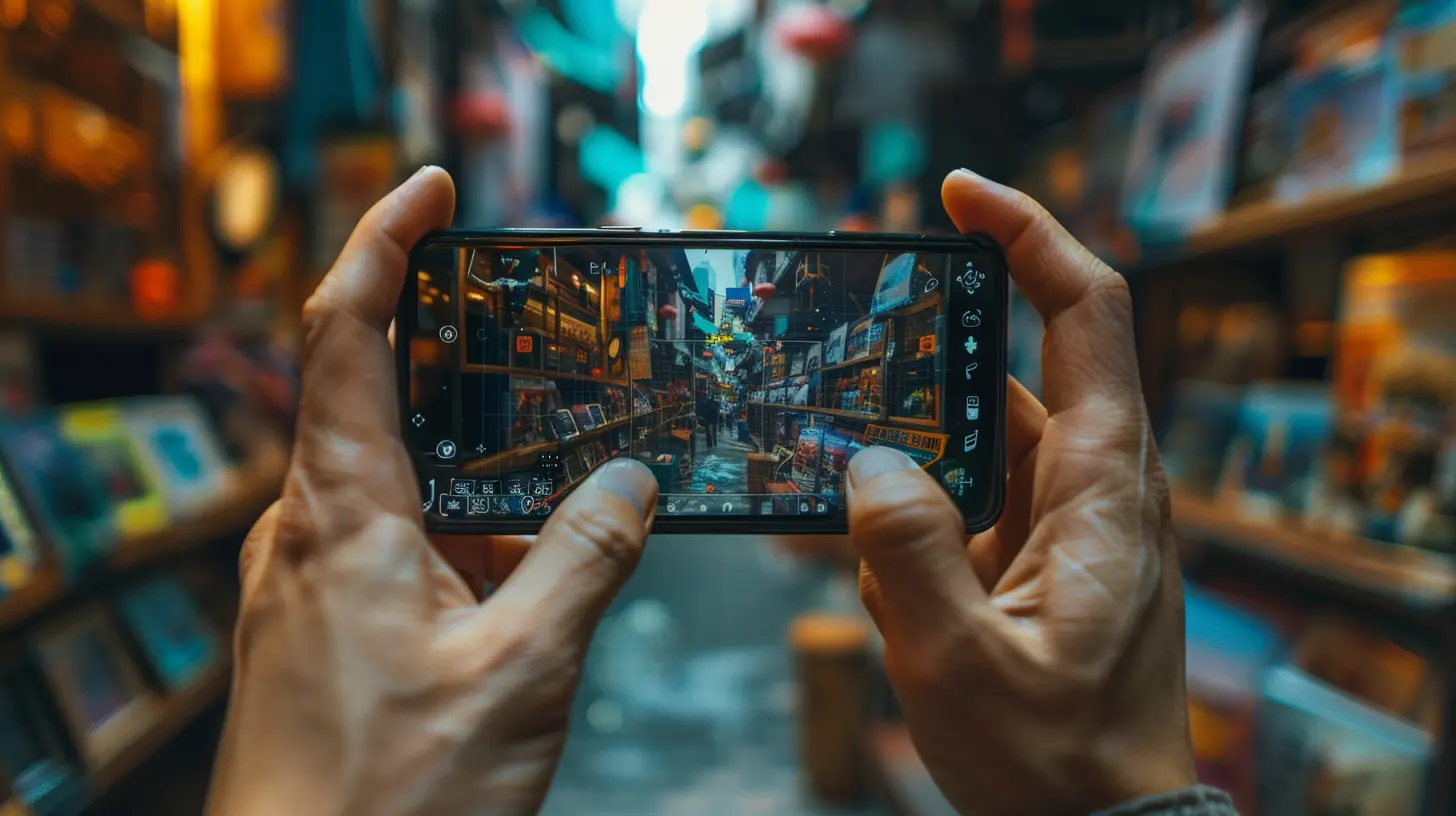
? Why Our Brains Love Augmented Reality
Here’s a fun fact: your brain is lazy. It doesn’t like working too hard to switch between wildly different contexts. That’s why AR’s blend of the digital and physical is so dang appealing.When your phone overlays a treasure chest on your living room floor, your brain doesn’t argue – it buys in. It’s kind of like playing pretend as a kid, but with way better graphics and fewer cardboard swords.
AR taps into this sweet spot between imagination and interaction. It lets you stay grounded in reality while making it way more interesting. It’s reality… with cheat codes!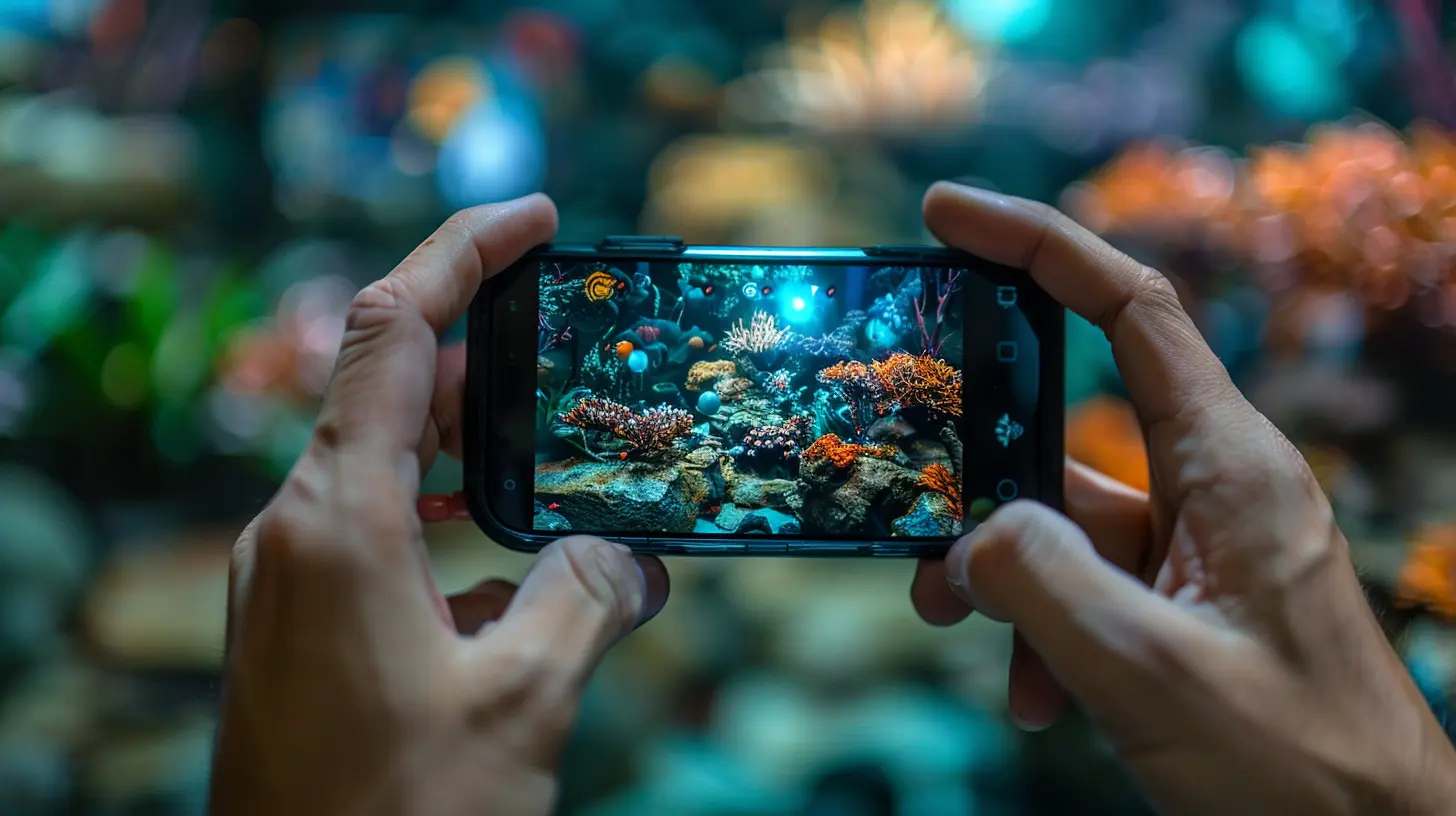
? AR and Social Interaction – Because Gaming Is Better With Friends
Gaming used to be a solo affair or something you did online with strangers who yelled things through headsets. But AR games? They're pushing gaming back into the streets – literally.AR encourages players to get off the couch and head outside. Pokémon GO had people meeting in parks, chasing legendary raids, and forming real-world squads. Suddenly, gaming wasn’t just about leveling up your character—it was about leveling up your social life.
This “social revival” in gaming has been a game-changer (pun 100% intended). AR doesn’t just connect people online – it blends those connections into the real world. And let’s be honest, it’s way more fun to conquer a digital fortress with friends than to solo it in your basement with cold pizza.
?️ Real-World Spaces as Game Boards
Think about this: your town, city, or even your backyard could be a game map. With AR, our environment becomes the ultimate sandbox.AR gaming transforms:
- Sidewalks into racetracks
- Offices into escape rooms
- Living rooms into alien battlegrounds
No expensive set-ups needed. Just your phone (or AR glasses, for the cool kids) and a charged battery. The possibilities are endless – and every update can completely change your world.
Game developers don’t need to build virtual cities from scratch anymore; they just borrow ours. And that means gameplay can be as varied, unpredictable, and quirky as real life. Rainy day? That’s a weather challenge. Construction zone? Bonus obstacle!
? The Tech Behind the Magic
Behind every dragon in your hallway is some seriously clever tech. AR works its mojo using a mix of:- GPS tracking
- Cameras and motion sensors
- SLAM (Simultaneous Localization and Mapping – yes, it’s a real thing)
- 3D rendering in real-time
Put all that together, and your device knows where you are, what you’re seeing, and how to place that treasure chest convincingly on your kitchen table. It’s the same kind of tech used in robotics and self-driving cars, only with fewer ethical debates and more loot.
And as hardware gets sexier (I’m looking at you, AR glasses), we’re moving toward more immersive and hands-free experiences. Just imagine blinking to catch a Pokémon. Wild.
? The Blurred Line: When Reality Feels Like a Game
Here’s where things get really mind-bendy.AR doesn’t just gamify the environment — it makes you question it. Is that graffiti tagged by a real person, or part of a digital quest? Is that person jogging because they’re exercising, or because zombies are chasing them in an AR app?
Eventually, we might not know where the game ends and life begins. Workplaces could feature AR-integrated puzzles to boost productivity. Museums already use AR to create interactive exhibits. Even shopping could become a game (and let’s be real, retail therapy totally deserves a leaderboard).
When everything around you can be a game component, your entire life becomes playable. Now that’s a glow-up.
? Challenges and Hiccups (Because Life Isn’t All Power-Ups)
Of course, it’s not all sunshine, rainbows, and digital butterflies.AR gaming (like any tech) has its villains:
- Battery life drain – AR can chew through your phone like Pac-Man on a power pellet.
- Safety concerns – When you’re focused on catching dragons, you might forget to watch for cars or falls.
- Privacy issues – Some games map out real-world locations, raising questions about who owns the "playable" space.
- Device limitations – Not everyone has the latest gear, which can keep people from jumping into the AR party.
But as tech improves and developers learn from early mistakes (cough Niantic cough), most of these issues are getting better. We’re still in the early levels – there’s a ton of room for improvement.
? What’s Next? AR’s Bright (and Slightly Trippy) Future
So where are we headed?- AR glasses – No more walking around with your phone in front of your face. Think Iron Man vision, but slightly less expensive.
- Haptic feedback – Imagine feeling the game, like your phone buzzing when an enemy is nearby or your glasses tingling when loot is close.
- Persistent AR worlds – Games that remember where you left off in the real world. That dragon you saw yesterday? It’s still on your roof. Better do something about that.
- AI-generated content – AR worlds that evolve on-the-fly based on what you do. No two players will have the same experience.
We’re heading toward a world where the game doesn’t pause when you put your phone down – because the game is your world.
?️ Final Thoughts: Are We Already Living in the Game?
Honestly? We might be.Augmented Reality is more than a gimmick or tech demo. It’s changing how we play, interact, and even perceive the world around us. When games spill out of the screen and into everyday life, we’re not just playing anymore – we’re living the game.
So the next time you see someone randomly pointing their phone at a tree, give them a little nod. They’re probably battling a unicorn. Or collecting loot. Or maybe they just like trees. Either way, remember this: the line between game and reality is fading fast – and it’s an exciting, unpredictable, adventure-filled blur.
Now go out there and level up your reality.
all images in this post were generated using AI tools
Category:
Augmented Reality GamesAuthor:

Jack McKinstry
Discussion
rate this article
2 comments
Bryson Bishop
Augmented reality is transforming gaming in amazing ways! It's so exciting to see how it merges our worlds and enhances fun!
October 10, 2026 at 3:55 AM
Chase Ross
Augmented reality is truly exciting! The way it merges gaming with our daily lives opens up fun new experiences. It's amazing to step into a game world right where we are. I can't wait to see what innovations come next!
July 14, 2026 at 4:41 AM
Jack McKinstry
I completely agree! The potential of augmented reality to enhance our everyday experiences is thrilling. It's just the beginning, and I'm excited to see how far it goes.