Crafting Boss Battles That Feel Epic and Fair
9 June 2026
Boss battles are the crown jewel of any great game. They’re the moments that stick in our memory long after the credits roll—the nail-biting, controller-gripping encounters that test everything we’ve learned up to that point.
But here’s the kicker: not all boss fights are created equal.
Some feel clunky and cheap. Others? They’re pure magic—epic showdowns that challenge us without making us want to chuck our controller through the screen.
So what’s the secret sauce behind boss battles that feel both epic and fair?
Let’s dig in.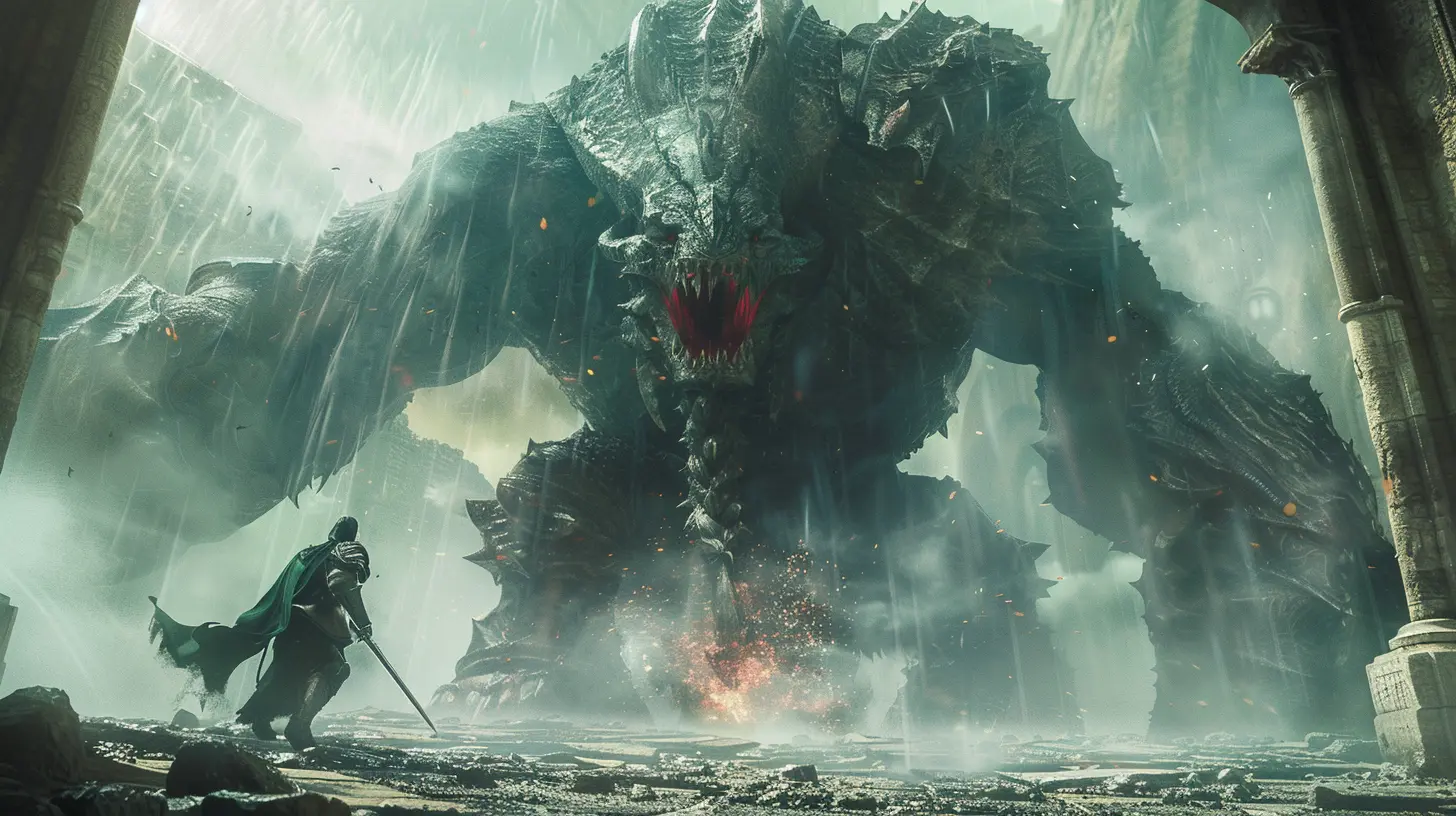
Why Boss Battles Matter So Much
Boss fights aren’t just another level—they’re the level. They’re the final puzzle piece, the last hurdle, the ultimate display of everything you’ve learned.Think of a boss as the exclamation point at the end of a sentence. If a game’s story and gameplay are building to something, the boss fight is that payoff. Get it right, and players walk away pumped. Get it wrong, and well… frustration city.
Creating that perfect balance of challenge, spectacle, and fairness? That’s an art form.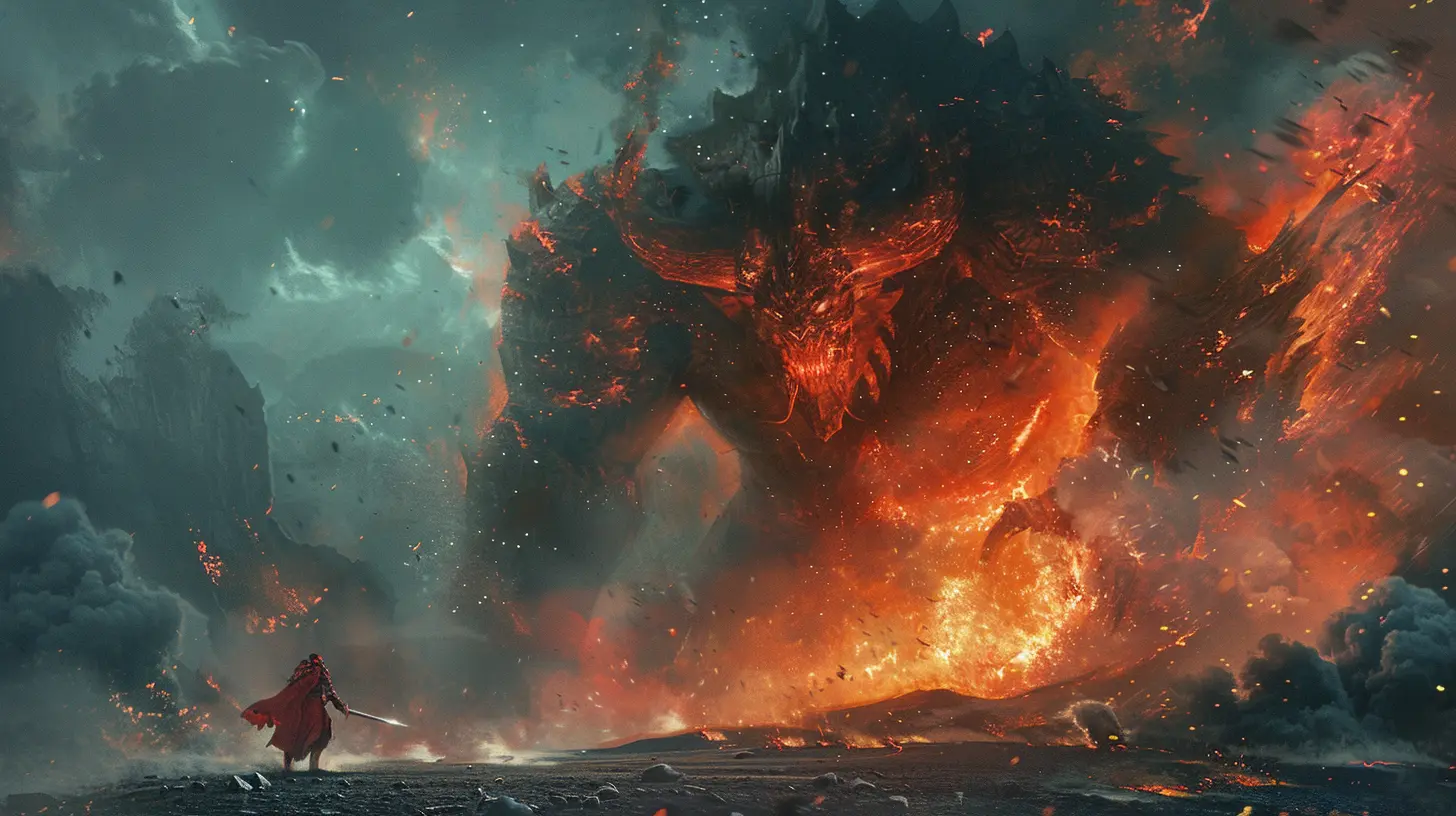
What Makes a Boss Battle Feel "Epic"?
Before we break down fairness, let’s talk about what gives a boss fight that larger-than-life feel.1. Presentation and Atmosphere
Let’s be honest: first impressions matter.- Epic music? Check.
- A jaw-dropping arena? Double check.
- Unique animations and entrance cinematic? Now we’re talking.
Think about Sephiroth descending in Final Fantasy VII or Artorias limping onto the scene in Dark Souls. These intros build tension before the first hit is even thrown.
That unforgettable vibe? That’s part of what makes boss fights so memorable. You feel like you’re stepping into a crucial moment.
2. Spectacle Without Nonsense
Bigger doesn’t always mean better. Sure, a towering beast with glowing weak points is cool, but if it's all flash and no substance? Meh.Epic boss battles deliver wow-factor, but they don’t forget gameplay. Showmanship is great—but not at the cost of control, responsiveness, or, you know, fun.
So, go big, but not too big.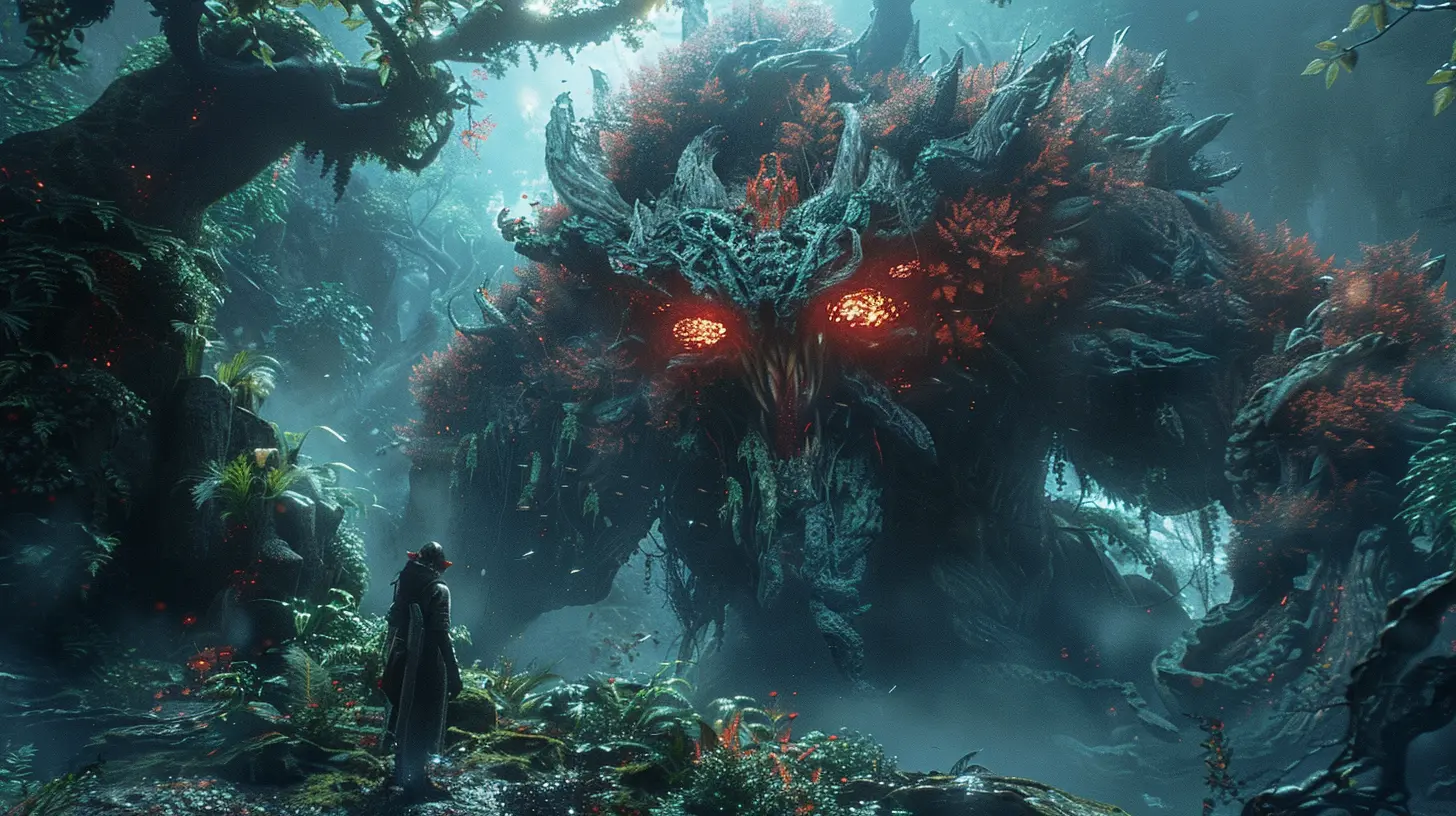
Now Let’s Talk Fairness — The Real Backbone
We’ve all been there. That one boss that seems to cheat. You dodge perfectly, yet somehow still get hit. It’s like the game is saying, “Nice try, but nope.”Totally unfair bosses break immersion. Instead of feeling like a challenge, they feel like punishment.
Fairness isn't about making things easy—it's about making them feel beatable. So how do we get there?
1. Telegraphing Moves Clearly
This is such a biggie. Nothing’s more frustrating than taking damage from something you couldn’t see coming.Great bosses telegraph their moves: they wind up big attacks, flash, roar, or pause. This gives you—yes, you—the chance to react.
Think of it like a dance. Each attack is a step. Once you learn the rhythm, you can dance right around them. That’s where the real sense of mastery kicks in.
2. Avoiding One-Shot Kills (Unless They’re Earned)
We gotta keep it real—few things in gaming are more rage-inducing than dying in one hit. Unless it’s a result of your slip-up (like ignoring a mechanic or not dodging an obviously telegraphed attack), that one-shot feels cheap.Designers should ask: “Did the player have a chance to prevent this?” If the answer is no, it’s time to tweak.
Bosses can hit hard—just not unfairly hard.
3. Respect the Player’s Time
Ever lose to a boss and have to replay a 10-minute cutscene before trying again? Yeah. Pass.Fair bosses don’t waste your time. They let you retry quickly, learn from mistakes, and get right back into the action.
Quality of life features like checkpoints, skippable intros, and fast reloads aren’t just niceties—they’re essential in keeping frustration down and the adrenaline up.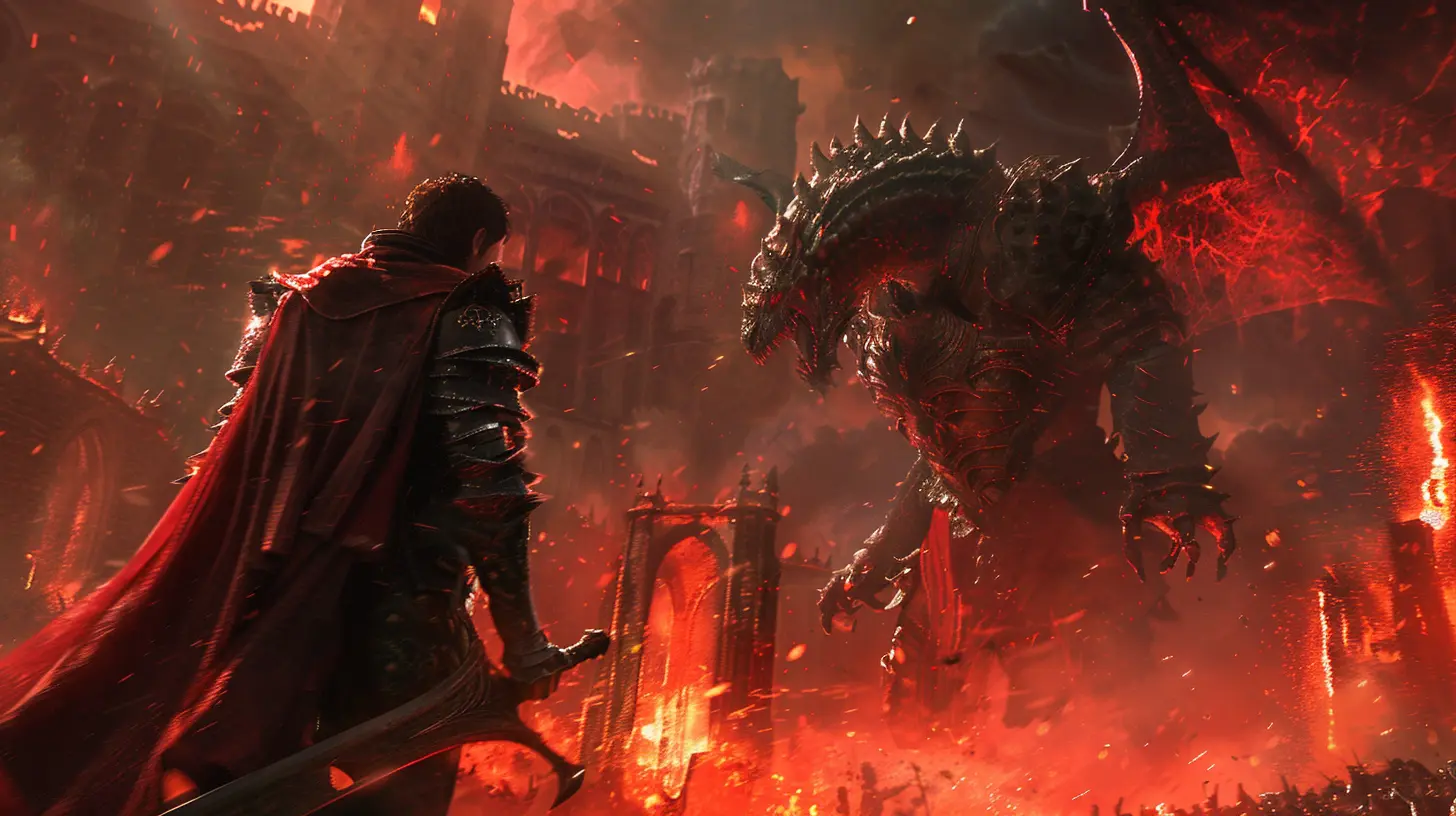
Mechanics That Elevate Boss Fights
Let’s shift gears and look at actual mechanics that not only make boss fights engaging, but also help keep things fair and satisfying.1. Phases That Build Tension
A well-designed boss isn’t static. They evolve as the fight continues.Take Lady Maria from Bloodborne. At first, she’s measured and deadly. But then—bam!—she bathes her weapons in blood and turns into a whirl of carnage. Each phase ups the stakes.
Phases signal progress while keeping the player on their toes. Just make sure each one feels earned—not just tacked on for difficulty's sake.
2. Pacing the Fight
A great boss fight has a rhythm. You attack, you defend, you recover.Fights that let players breathe between the chaos feel much better than nonstop pressure. It’s like the difference between sprinting a marathon and pacing yourself. One burns you out; the other makes for an exhilarating experience.
Let players react, regroup, and readjust. That’s where strategy lives.
3. Weaknesses and Strategy
Bosses shouldn’t be punching bags—they should have quirks.Maybe they’re weak to fire. Maybe they stagger if you hit a certain spot. Maybe there's a way to make their attacks backfire.
Whatever it is, smart players should be rewarded for thinking beyond just “hit it 'til it dies.” Strategy and experimentation go a long way in preventing fights from feeling like bland slugfests.
Player Progression and Boss Scaling
One thing that’s critical—but often overlooked—is how boss difficulty connects to player progression.1. Match the Player’s Power Level
Ever face a boss you’re clearly not ready for? It sucks. You feel under-leveled, under-equipped, and flat out outmatched.Bosses should scale with the player—or be placed at the right time in the journey. If a fight is meant to be hard, it should also be optional or highly telegraphed.
2. Offer Multiple Ways to Win
Not every player is a twitch-reflex champion. Some prefer distance; others like going toe-to-toe. Some even cheese a fight with status effects (props to you, poison fans).Great boss fights support different playstyles. They don’t lock you into one method—they challenge you to use what you’re good at.
How Story Ties In (Yep, It Matters)
Let’s not forget: the emotional weight of a boss fight makes a massive impact.Defeating a random monster is cool. Defeating your former mentor who turned evil? That hits on a whole different level.
When a boss is backed up by strong storytelling, players invest more. That’s what turns a cool fight into an unforgettable one.
Think of The Boss in Metal Gear Solid 3 or Sans in Undertale. Their fights hit harder because the story made us care.
Common Mistakes to Avoid
Even well-designed games can occasionally mess up boss battles. Here are some classic pitfalls:- Unclear mechanics – Players shouldn’t need to Google how to damage the boss.
- Overlong fights – Dragging a fight out doesn’t make it better.
- Camera issues – If the boss is so big you can’t see yourself? That’s a problem.
- Fake difficulty – Don’t rely on health sponges or attack spam to make a fight “challenging.”
Keep the focus on engagement, not frustration.
Tips for Indie and Aspiring Game Developers
If you're crafting your own boss battle, here’s a quick checklist to help stay on track:✅ Is the boss visually unique and memorable?
✅ Does the player understand how to fight or avoid attacks?
✅ Is the difficulty fair, even during high-stress moments?
✅ Are there strategic layers to the encounter?
✅ Is the fight rewarding—not just in loot, but in feeling?
Nail those, and you're well on your way to designing something players will talk about for years.
Final Thoughts
So there you have it—crafting boss battles that feel epic and fair is all about balance.You want spectacle, but not at the expense of control. You want challenge, but never cheap shots. You want players to sweat, sure—but in a good way.
When done right, boss battles become milestones. They’re not just tests of skill—they’re showdowns full of drama, creativity, and raw gaming joy.
And those? They’re the fights we’ll remember—and run back to—long after we’ve beaten the game.
So whether you're a dev crafting your first encounter or a gamer dissecting your favorite battles, always ask: does this boss feel epic? And does it also feel fair?
If the answer is yes, congrats—you’ve struck gold.
all images in this post were generated using AI tools
Category:
Game Content CreationAuthor:

Jack McKinstry
Discussion
rate this article
2 comments
Francesca Lawson
Great article! You really captured the essence of what makes boss battles memorable. Balancing challenge and fairness is crucial for player satisfaction. I love the suggestions on crafting unique mechanics. Can't wait to see how these ideas translate into future games!
September 5, 2026 at 3:34 AM
Jack McKinstry
Thanks for the kind words! I'm glad you enjoyed the article and found the suggestions helpful. Excited to see how these ideas evolve in future games too!
Mara Perez
Creating epic and fair boss battles transforms the gaming experience, making every victory feel earned and every challenge a thrilling adventure.
June 11, 2026 at 4:00 AM
Jack McKinstry
Absolutely! A well-designed boss battle really elevates the entire game, making each win memorable and rewarding.