How to Build a Game World Without an Overworld Map
7 May 2026
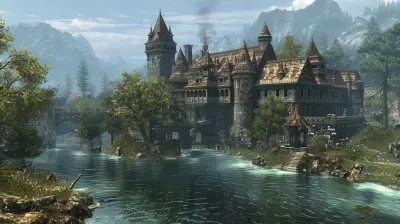
So, you're diving into game development, and you've got this killer story brewing in your head. Epic characters. Wild plot twists. Immersive environments. But there’s one thing you’re toying with — ditching the traditional overworld map. Bold move? Heck yeah. But it might be just the thing to set your game apart. Now, the question is... how the heck do you build a coherent, immersive game world without that classic bird's-eye-view map?
Well, buckle up. In this article, we’re going to walk through the why, the how, the pitfalls, and the creative freedom that comes with tossing out the overworld map and building your game on a more grounded, intimate level.
Why Skip the Overworld Map in the First Place?
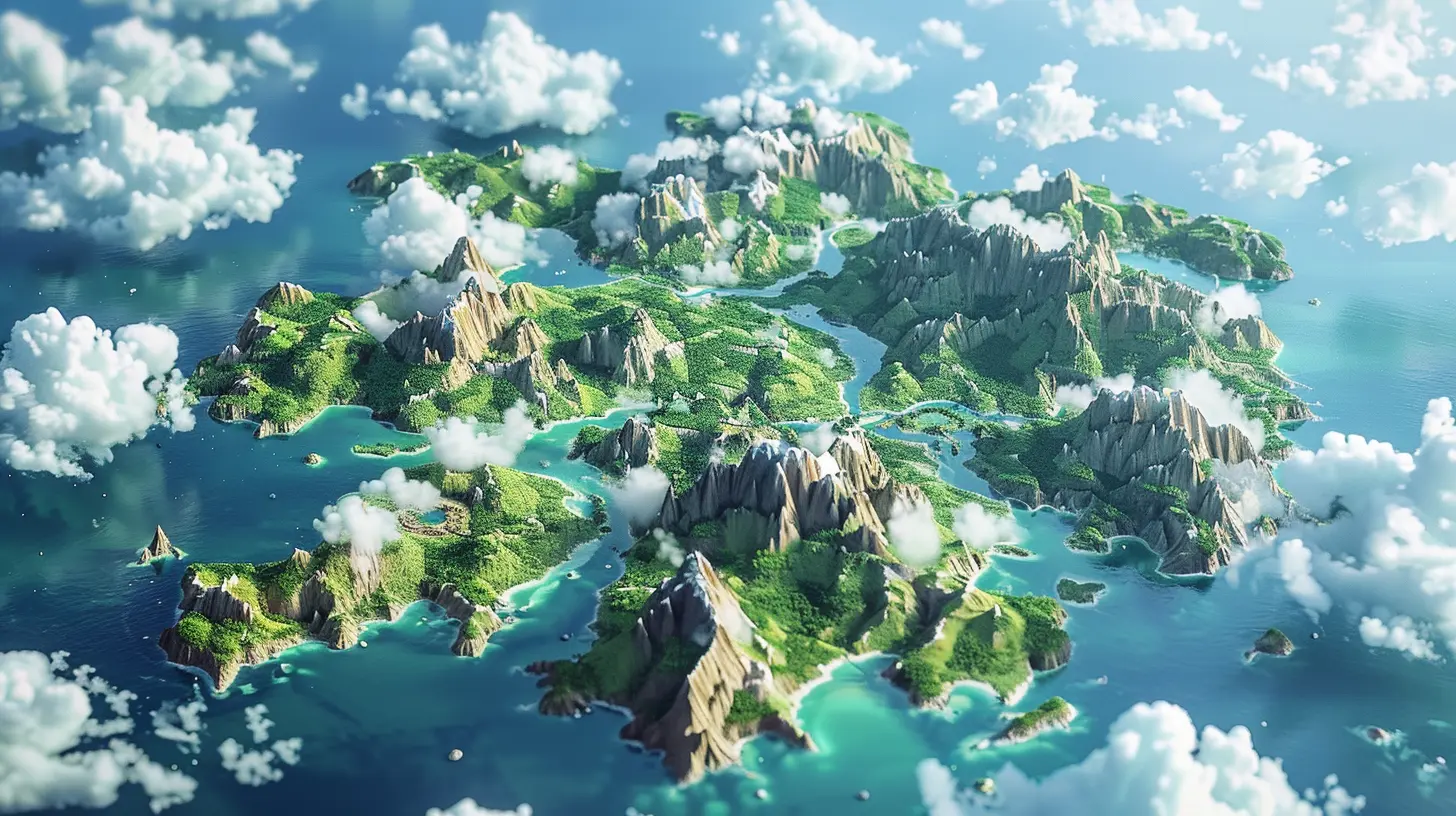
Let’s start with the big “why.” Overworld maps are a staple in RPGs and adventure games. They help players move between towns, dungeons, and other key locations. But here’s the thing — they can also break immersion.Think of the overworld map as a fast-forward montage in a movie. It’s a shortcut. Good for pacing, yes. But what if we focused more on the journey rather than skipping to the next set-piece?
Without a map, players don’t just “go to the next location.” They experience walking the winding road, encountering surprises, soaking in the environment. They feel the world. And if done right? Your game becomes more immersive, more connected, and way more memorable.
Games That Have Dropped the Map – And Nailed It
Before we go into the "how", it’s worth looking at who’s already done this well. Ever played “Dark Souls”? That game is a masterclass in world-building without a traditional world map. Every path is connected, every shortcut is earned, and discovering the world feels organic. “Metroidvania” style games also tend to skip the overworld entirely, focusing more on interconnected level design.If they can do it, so can we. Let’s break down how.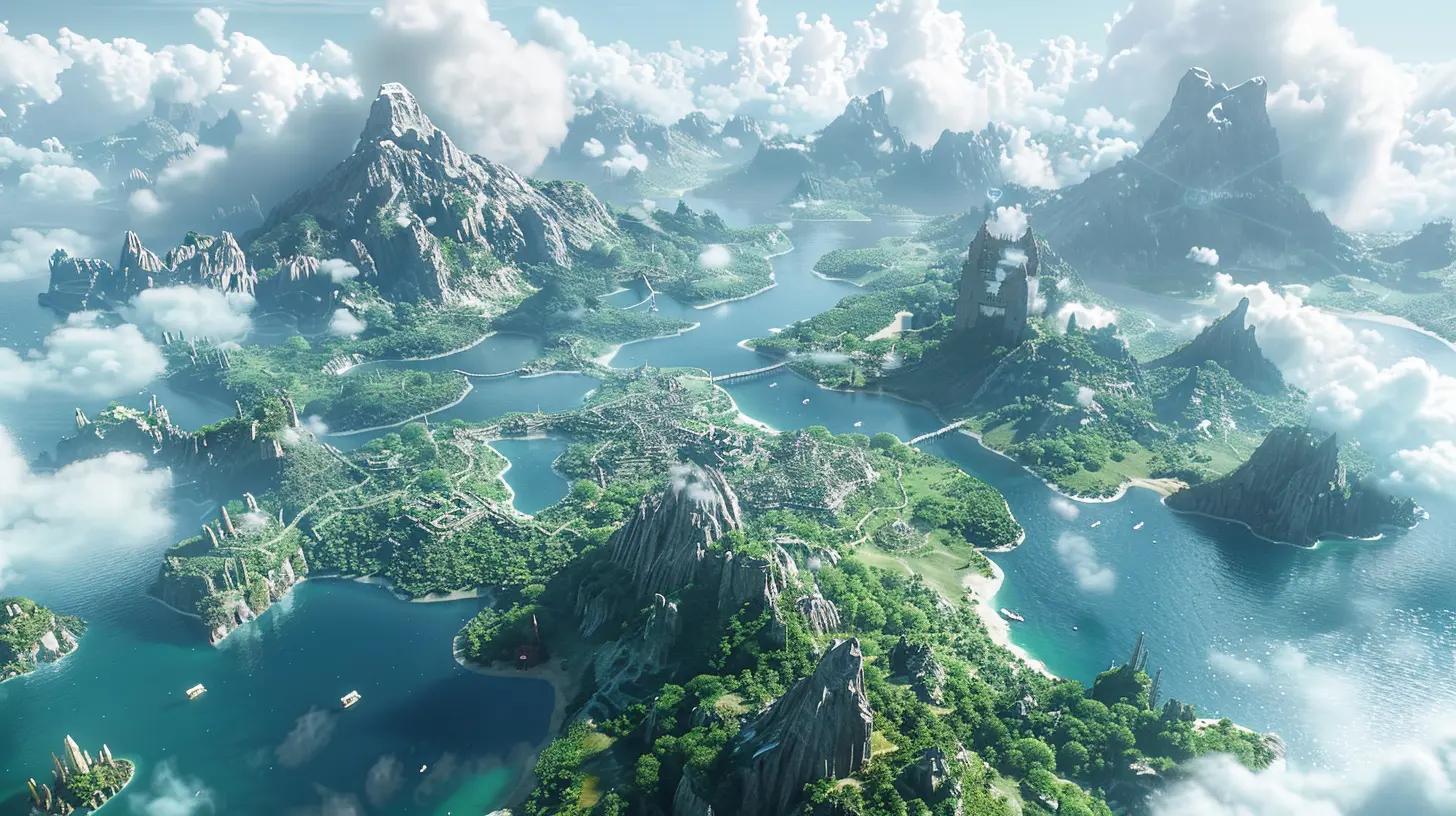
Part 1: Think Local, Not Global
When you're building a game world without an overworld map, the first shift in mindset is this: Stop thinking globally at first. Instead, go small. Think about what it feels like to walk through a village. Smell the fires burning. Hear the dogs barking. See people rushing to market.Focus on local spaces that feel alive and interconnected. You’re not building isolated levels. You’re crafting environments with relationships — to each other, and to the player.
Anchor Points: Landmarks That Matter
Without a map to guide them, players rely on landmarks to orient themselves. Want to draw players toward a mountain city? Let them see the silhouette of the mountain way off in the distance and tease them with glimpses as they get closer.Use tall towers, bizarre trees, glowing crystals — whatever fits your world. Just give players a natural compass.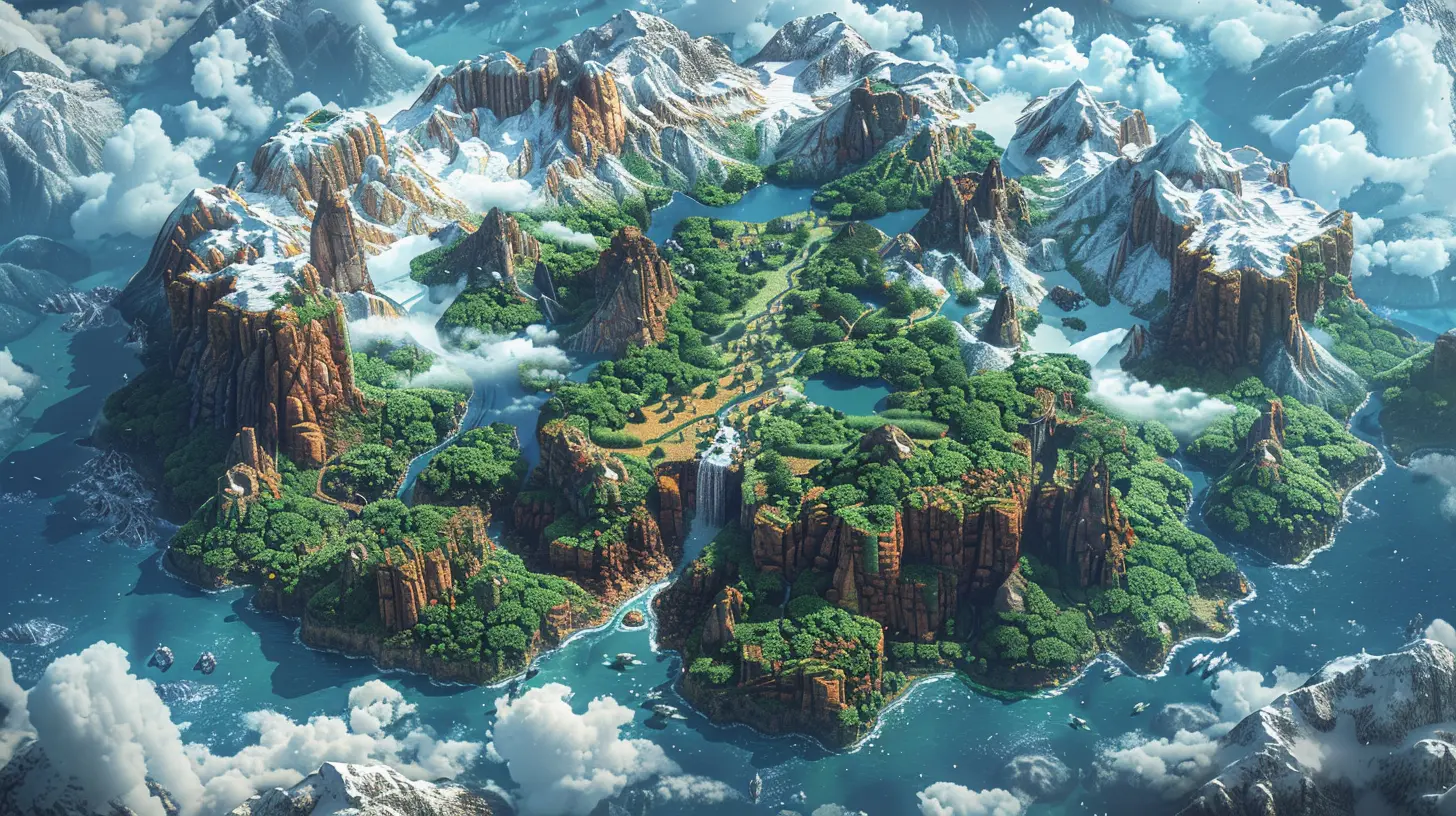
Part 2: Level Design Is Your New Roadmap
In a traditional map-based game, players jump from location A to B with a menu or a quick transition. But in your game? The path IS the game.Interconnectedness Over Instant Travel
Design with circular level structure in mind. That means areas loop back on themselves, creating "aha!" moments when players unlock shortcuts. Remember that moment in a game when you realize where you are and how it connects to somewhere you were hours ago? That’s pure gold.A world without an overworld map thrives on these moments. Not only does it make the world tighter, but it also makes the player feel smart. And who doesn’t like feeling smart?
Environmental Storytelling
Sure, you could slap a quest marker somewhere. Or… you could let the environment do the talking.Burned-down houses suggest conflict. Torn banners hint at a fallen kingdom. A trail of blood leads into a cave, and suddenly your curiosity is piqued.
When players can read the world, they don’t need a map. They follow their instincts — and that, my friend, is way more fun than just dot-chasing.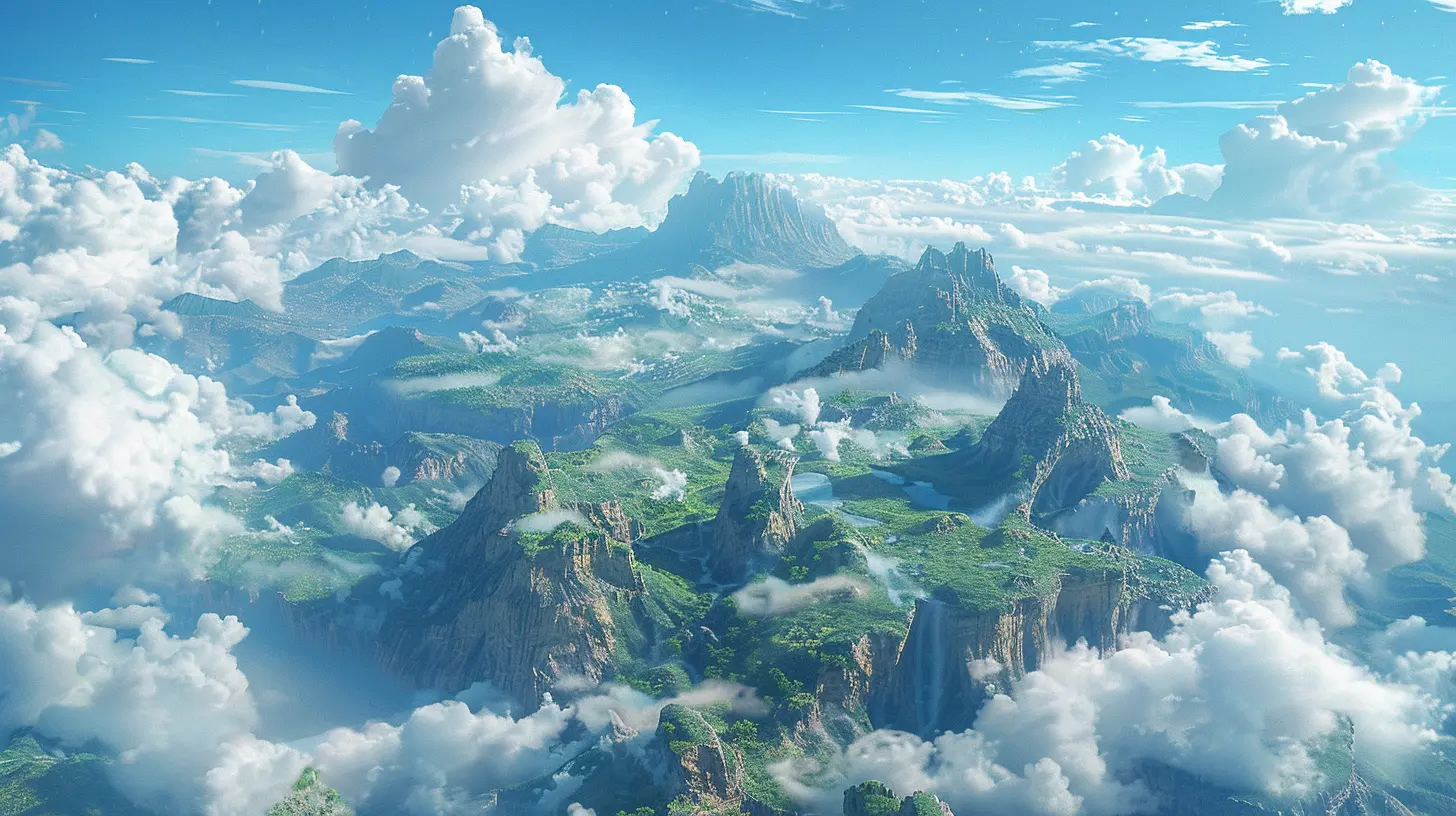
Part 3: Navigation Through Design, Not UI
Let’s face it. We’ve all played games where the map does more work than the actual game world. You look at the map more than you look at the screen, just so you know where to go next.But if you remove the crutch, you force yourself (and your players) to engage with the world more deeply.
Signposting and Visual Cues
To keep players from getting lost and rage-quitting, use visual design tricks to guide them. Here are some handy tools:- Lighting: Light a doorway slightly more than the rest of the room.
- Color: Use bold or unique colors to draw the eye toward an important location.
- Movement: NPCs walking somewhere can naturally point players in the right direction.
- Sound: A subtle chime, a faint scream, rustling — audio can guide as well as visuals.
None of this is hand-holding. It’s subtle design language. It whispers, “Hey, maybe come check this out,” instead of screaming, “GO HERE NOW.”
Part 4: Keep It Cohesive with World Logic
Designing without an overworld map means your world needs to feel logically connected. Everything must make sense. You can't just slap a desert next to a snowy mountain for the heck of it (unless magic is your explanation).Geography Needs Rules
Ask yourself:- What natural barriers separate these areas?
- Does this region get sunlight? Rain?
- What kind of wildlife and NPCs would live here?
When your world follows its own internal logic, players notice. It feels intentional, not stitched together or gamey.
Part 5: Let Players Learn the World by Living in It
You know that feeling when you're driving in a new city and you start recognizing streets after a few days? That’s what you want your players to feel in your game.Instead of constantly referencing a map, they remember:
- “Oh yeah, the blacksmith is behind the town square.”
- “That creepy forest? West of the collapsed tower.”
This is called spatial memory, and it’s a powerful tool in immersive design.
Reward Exploration, Not Just Completion
If players are going to walk everywhere, then every corner better feel worth exploring.- Hide lore snippets in random caves.
- Let them overhear juicy gossip behind a tavern.
- Maybe they find a mysterious item that doesn’t make sense — until ten hours later.
Your world should feel lived-in, full of secrets, not just a checklist of places to visit.
Part 6: Fast Travel — Yay or Nay?
You might be wondering, “But wait — without an overworld map, how do we do fast travel?”Good question. Here's the truth: you can still have fast travel, just don't lean on it too hard.
Let it be unlockable through exploration. Maybe magical portals only appear in certain regions. Or maybe you need to help a caravan before you can hitch a ride.
Fast travel should be a reward, not a given. If players are skipping past your world constantly, maybe the problem isn’t the travel — maybe your world isn’t interesting enough yet.
Part 7: Keep the Player Curious
Remember, curiosity is the engine of exploration.Without a map, players don’t just look and go, “Okay, here's the forest, there's the lake, got it.” Instead, they look over that hill and think, “Wait, what’s on the other side of that?”
Tease, Don’t Spoil
Let your environments hint at things:- A locked door with runes. What’s behind it?
- A broken bridge. Can it be fixed?
- A distant tower with flickering lights. Who lives there?
By teasing content and mysteries, you’re planting breadcrumbs in the player's brain. They’ll follow the trail — not because a map told them to, but because they want to.
Final Thoughts: The World Is the Map
Taking out the overworld map forces you to think about your game on a more granular, intimate level. It’s not about erasing complexity — it’s about creating it within the world itself, not above it.Your players won’t just visit the world; they’ll live in it. They’ll know the back alleys of every city, the sound of forest birds, the smell of salty ocean caves. And that? That’s how you make a game they’ll never forget.
So go ahead. Tear up that overworld map. You don’t need it.
all images in this post were generated using AI tools
Category:
Game Content CreationAuthor:

Jack McKinstry
Discussion
rate this article
2 comments
Maria Hill
Creating a game world without an overworld map can enhance immersion. Focus on environmental storytelling and seamless transitions to guide players naturally.
June 20, 2026 at 3:31 PM
Jack McKinstry
I completely agree! Environmental storytelling really pulls players in and makes exploration feel authentic. Seamless transitions can make each area feel like a true part of the world, enhancing the overall experience.
Haven Griffin
Building a game world without an overworld map can foster immersion and encourage exploration through clever design. By integrating narrative elements and environmental storytelling, developers can guide players naturally, making the journey itself more engaging. It's a bold choice that challenges conventional design but can yield rewarding experiences.
May 24, 2026 at 2:43 PM
Jack McKinstry
I completely agree. A well-designed immersive world can lead to memorable experiences that draw players in without the need for a traditional map. It's all about how you guide them through the story and environment.