Crafting Opening Sequences That Hook Players Instantly
29 June 2026
Let’s be real — if your game doesn’t slap players in the face with greatness in the first five minutes, you’ve already lost half the crowd. The opening sequence of a game is your “first impression moment,” your digital elevator pitch, your chance to go from “meh” to “heck yes!” in five minutes flat. It's not just the cherry on top — it’s the whole freakin’ sundae. Crafting opening sequences that hook players instantly? It’s both an art and a science — and today, we’re diving deep into that delicious chaos.
Why First Impressions in Games Matter More Than Ever
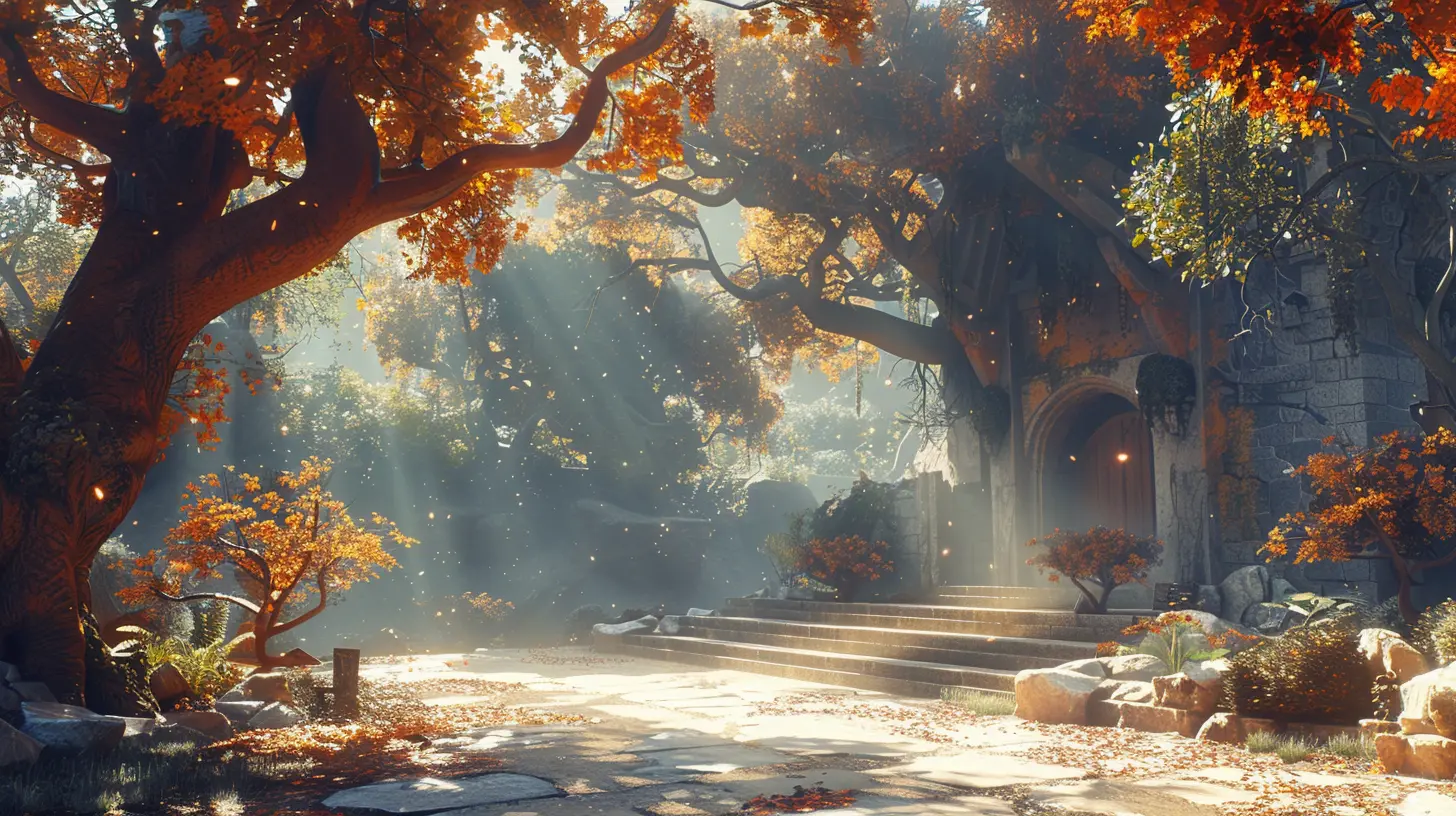
In this TikTok attention-span era, people are quick to bounce. You snooze, you lose — literally. If your game’s opener drags like a 10-minute unskippable cinematic full of exposition soup, players are rage-quitting before they even touch a controller.First impressions aren’t just important; they’re everything. A killer opening sequence can:
- Spark emotional investment immediately
- Tease gameplay mechanics subtly (without info-dumping)
- Set tone and atmosphere
- Lay the groundwork for the narrative
- Empower the player (or, at least make them feel like a badass)
If you think people will “settle in” and “wait for the story to get good,” think again, champ. We’re living in the age of instant gratification.

Anatomy of a Killer Opening Sequence
So, how do you grab players by the pixels from the get-go? Game openings that stick the landing usually nail these core elements:1. Throw Players Into the Action (Don't Just Talk About It)
Let’s all collectively agree: Nobody wants to watch your slow-moving camera glide over a foggy village while an elderly narrator monologues about the ancient blah blah prophecy. Just—no.Start with a bang. Pull players in with a situation they have to act on instantly. Think of the opening hospital scene in The Last of Us, or the first mission in Call of Duty: Modern Warfare. Action doesn’t always mean guns blazing — it means giving the player something to DO immediately. Interaction equals immersion.
2. Introduce Core Mechanics Organically
You don’t need a wall of tutorial text. You need clever design. Show, don’t tell.Let’s take Super Mario Bros. as the OG example. Within seconds, you figure out how to jump (because there’s a Goomba coming to stomp your face). It teaches without teaching. That’s smart.
Want to do it right? Bake tutorials into gameplay. Let players learn by failing forward. Make mistakes part of the fun.
3. Engineered Emotion: Make Them Feel Something
Emotion is the glue that keeps players stuck to your story. Think about the opening of Red Dead Redemption 2. Snowy desperation. Tension. Loyalty. Regret. It’s a slow burn but packs so much feeling you can’t look away.Whether it’s joy, fear, grief, or curiosity — emotion adds weight. If you can make a player care within the first 10 minutes, they’ll stay. Guaranteed.
4. Set the Tone Like a Rockstar
You wouldn’t open a horror game with sunshine and ukulele music, right? (Okay, unless that’s the setup to one hell of a twist — then maybe.)Tone-setting is critical. And it doesn’t just come from visuals and music. Dialogue, environmental storytelling, even character movement — these are your instruments. Use them wisely and you’ve got an unforgettable opening track.
5. Tease, Don’t Dump
Opening sequences aren’t your lore dumpster. They are your sizzle reel. Give them just enough story to pose questions, not give answers.Mystery is crack for gamers. Drop them into the heart of the action, sprinkle in some context, but leave threads dangling. Let curiosity be the leash that pulls them deeper.
Examples of Game Openings That Absolutely Slay
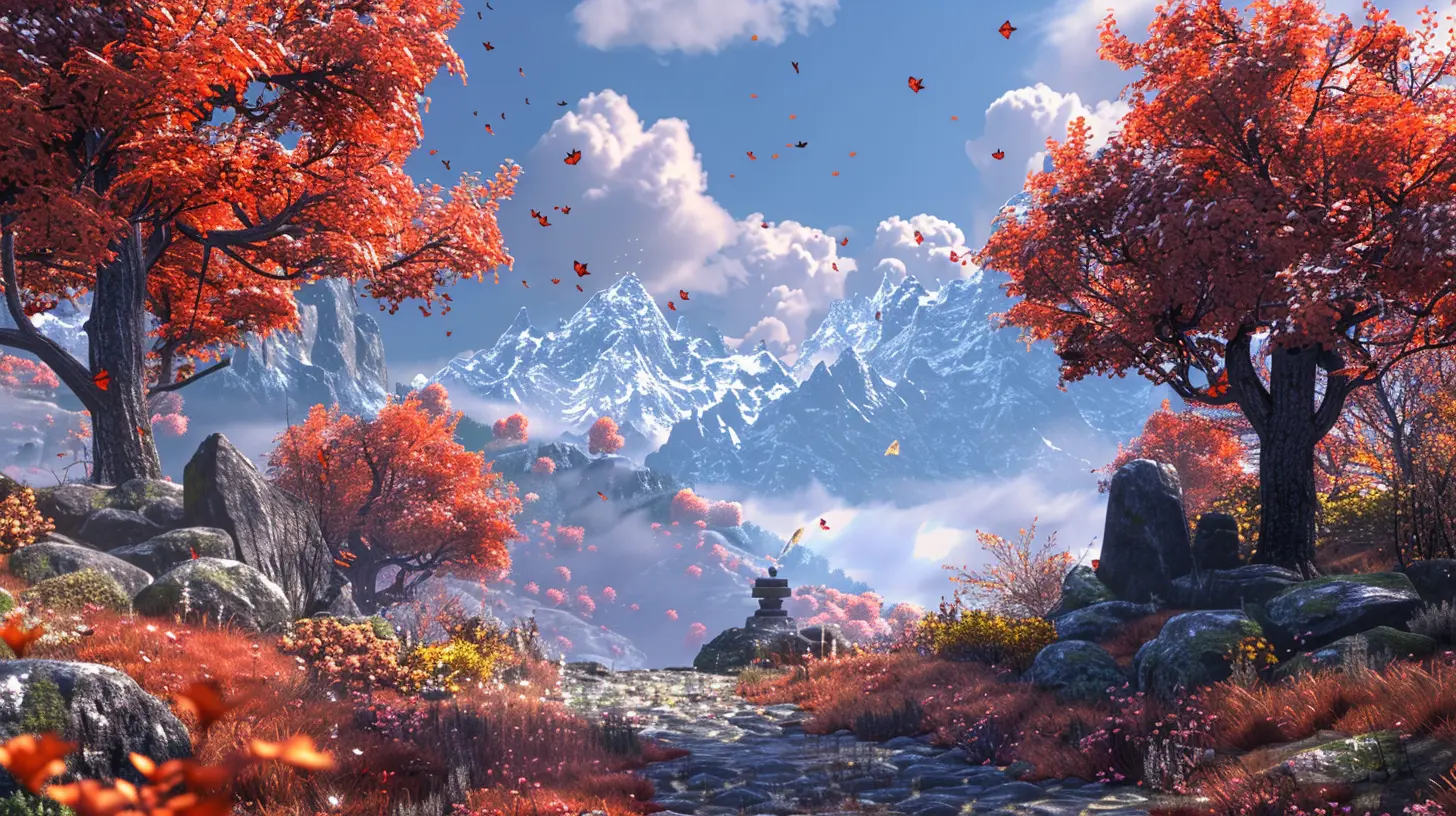
Let’s break down some opening sequences that understood the assignment — and then some.✨ The Last of Us (Naughty Dog)
One word: gut-wrenching.We start as Sarah, not Joel. We experience her confusion, concern, and fear — all while the world collapses. It builds empathy like a brick wall and then — BAM. Emotional trauma.
This intro doesn’t just hook — it harpoons you. You’re not just in for a zombie game. You’re in for an emotional odyssey.
✨ Bioshock (Irrational Games)
Plane crash. Cold water. A mysterious lighthouse. Moody, intense atmosphere from the jump.Then you descend into Rapture. The music, the visuals, the voiceover — chef’s kiss.
You’re not told what kind of game this is. You feel it in your bones.
✨ God of War (2018)
No flashy cinematics. Just a quiet, somber interaction between father and son — plus a tree you literally chop down as your first task.It’s intimate but powerful. You get the tone, the emotional stakes, and the mechanics — all in a single, beautifully directed scene.
✨ Hollow Knight
No words. Just vibes.You're dropped into a mysterious, eerie world with nothing but your intuition and your sword. You learn as you go, and every step builds intrigue.
This is how you nail mystery and mood without saying a damn word.

Mistakes Game Devs Make (That Totally Kill the Vibe)
Let’s talk about the opening sequence sins — the things that make players uninstall before the menu music even fades.❌ The Infodump Apocalypse
Long-winded lore monologues are the death of pacing. If your intro plays like a school lecture, you’ve already failed.Instead, embed your lore in action. Let players discover it. Don't drown them in it.
❌ Overbearing Tutorials
Hand-holding ruins immersion faster than a 15-minute “press A to jump” tutorial. Respect your players. Trust them to figure it out with contextual clues and smart level design.❌ Pacing Whiplash
No one likes whiplash. Don't overload players with explosions right out the gate unless your whole game is chaos. Likewise, don't crawl so slowly they fall asleep.Balance is key. Hit them with intrigue, then pace the build-up like a master storyteller.
How to Test If Your Opening Sequence Works
Thinking your intro is fire isn’t the same as knowing. Here’s how to make sure it’s not just you that thinks it rocks.? Playtesting With Fresh Eyes
Get people who’ve never touched your game to play it cold. No context. Watch them. Are they engaged? Confused? Bored? Excited?What they do in the first 10 minutes will tell you everything you need to know.
? Ask This One Simple Question
Can your opening sequence be described in one juicy, intriguing sentence?If not, go back to the drawing board. Because players will only give you seconds to win them over.
Spice It Up: Small Tricks That Make a Big Impact
Want to throw some gamer glitter into that opening? Here are a few tricks of the trade:- Use music intentionality: Great soundtracks elevate emotion. A haunting melody or an epic orchestral swell = instant chills.
- Environmental storytelling: Blood on the walls? A crumpled photo on the ground? People notice these details. Use them.
- Create urgency: Put a metaphorical ticking clock on the player. Force decisions. Tension breeds immersion.
- Cliffhanger setup: End your intro with a twist that flips everything upside down. Leave them saying, “Wait… what just happened?!”
Final Take: Make Every Second Count
Crafting opening sequences that hook players instantly isn’t about stuffing everything into the first 10 minutes. It’s about strategic, emotional, and interactive storytelling. Done right, your opening becomes the moment gamers tell their friends about. The reason they stayed up past midnight. The hook that leads into a full-blown obsession.So next time you’re building a game intro — don’t play it safe. Go bold. Be weird. Get personal. And above all, respect your player’s time. That opening sequence? That’s your audition for their attention.
Make. It. Worth. It.
all images in this post were generated using AI tools
Category:
Game Content CreationAuthor:

Jack McKinstry
Discussion
rate this article
1 comments
Makayla Rosales
Great insights on crafting opening sequences! Capturing a player's attention right from the start is crucial. I love how a strong intro can set the tone and make you crave more... Keep it up!
July 3, 2026 at 4:32 PM
Jack McKinstry
Thanks! I'm glad you enjoyed it. A strong opening really does make all the difference.