Creating Unique Combat Systems Players Will Love
19 July 2026
If you're a game developer — whether you're working on a AAA open-world RPG or an indie pixel brawler — one thing's for sure: your combat system can make or break your game. Players remember combat. It’s the adrenaline rush, the strategy, the “just one more try” feeling. So creating a unique combat system that players genuinely love? That’s your golden ticket.
Let’s dive in and talk about building combat mechanics that aren’t just functional, but fun. We'll cover what makes combat pop, why uniqueness matters, and how to design something new without throwing away everything that works.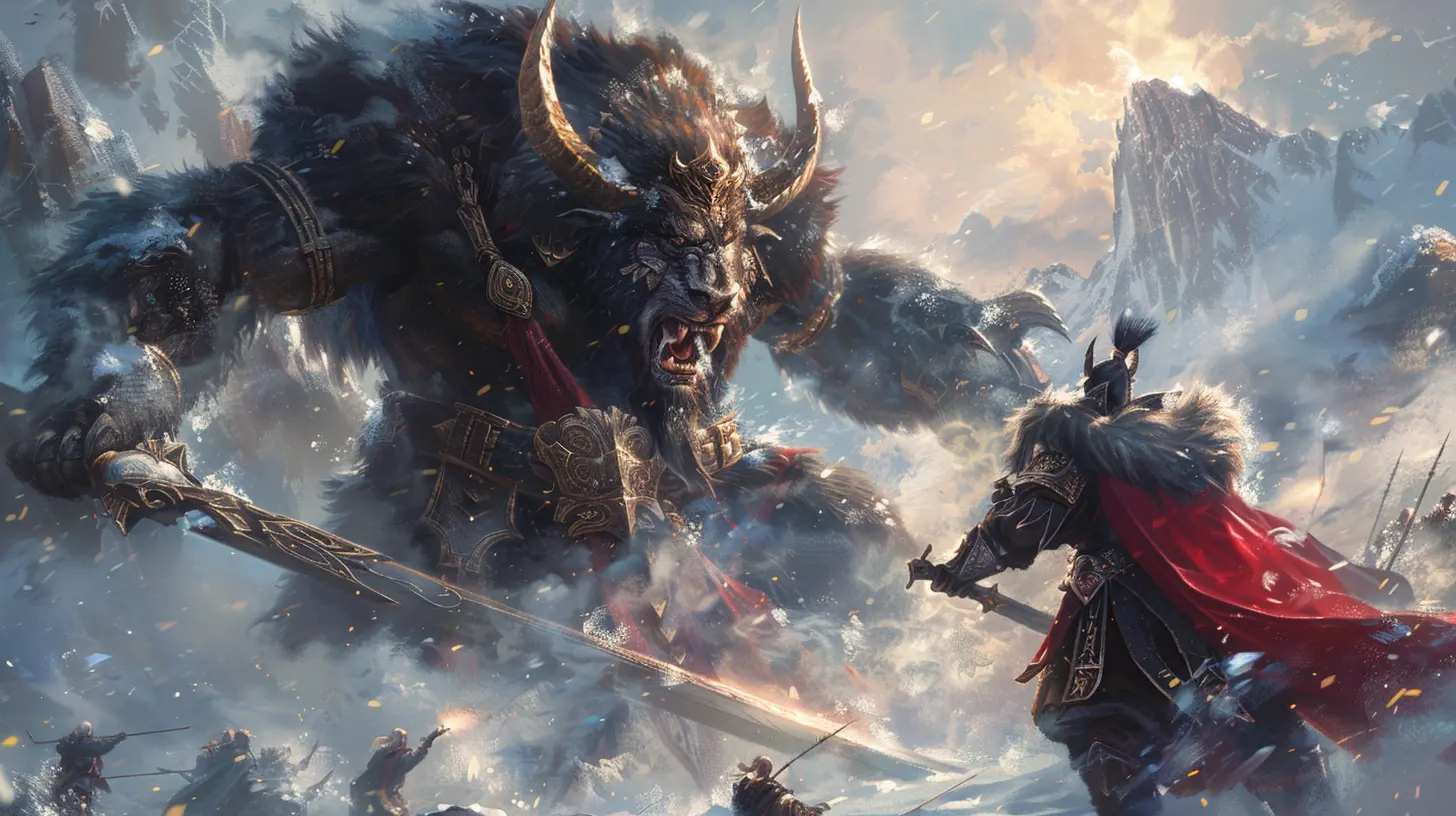
Why Combat Matters More Than You Think
Think about your favorite games. Chances are, the combat system plays a huge part in why they stick in your head. Whether it's the satisfying parry in Sekiro, the crazy weapon combos in Devil May Cry, or the strategic pause-and-play of Dragon Age, combat is often the MVP.Players invest hours into mastering it. They talk about it online. They create YouTube guides and tier lists. So giving them something that feels fresh, intuitive, and fun? That’s where replayability and fan loyalty start growing roots.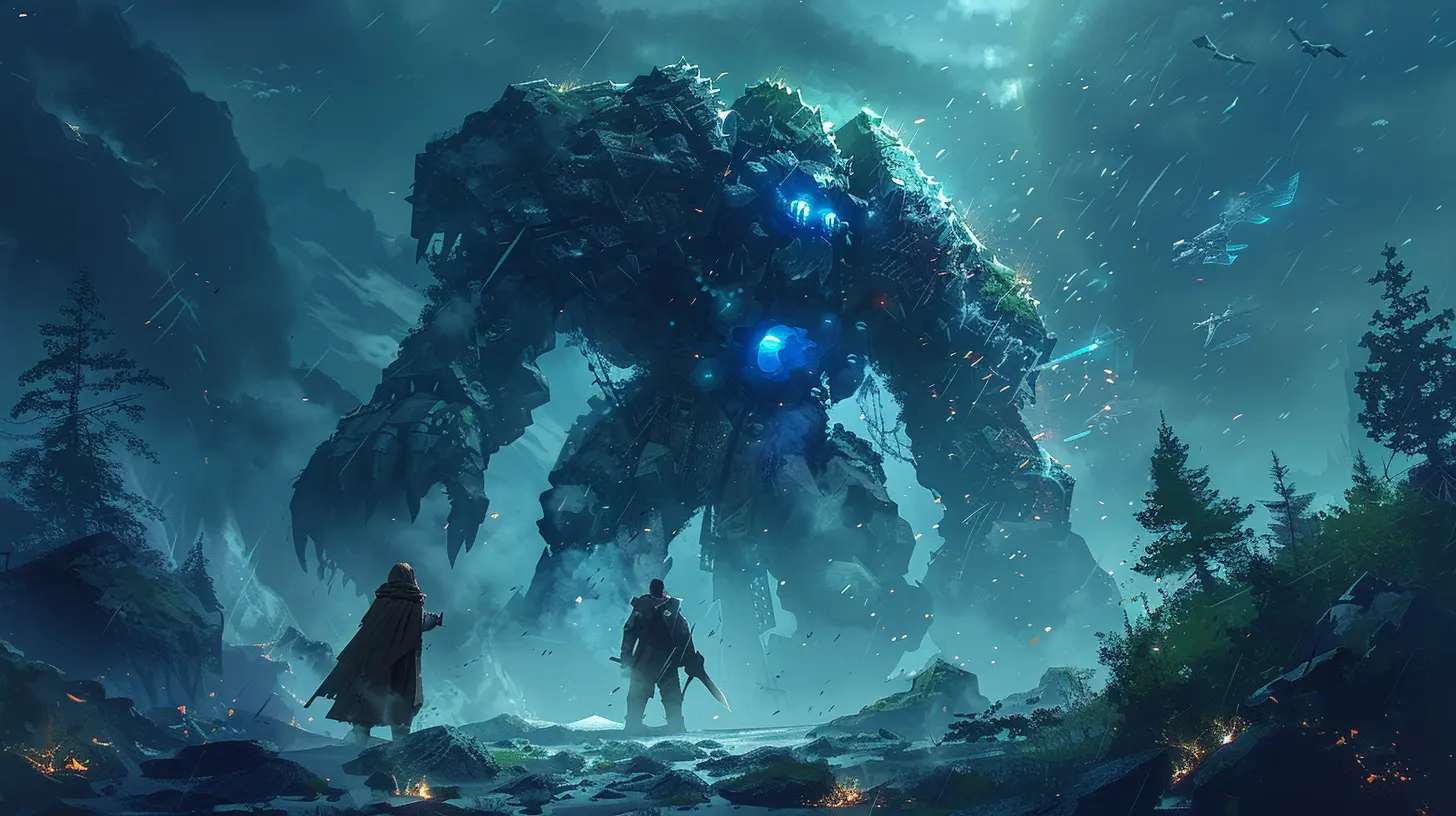
What Makes a Combat System "Unique"?
Now, “unique” doesn’t mean making something unrecognizable. You don’t need to reinvent the wheel. Instead, think of it like cooking — you’re using familiar ingredients, but you’re tweaking the recipe to get a new flavor.Uniqueness is all about standing out. Maybe it’s your weapon design, your timing mechanics, or how damage is dealt. The goal is for players to say, “I’ve never quite played anything like this before.”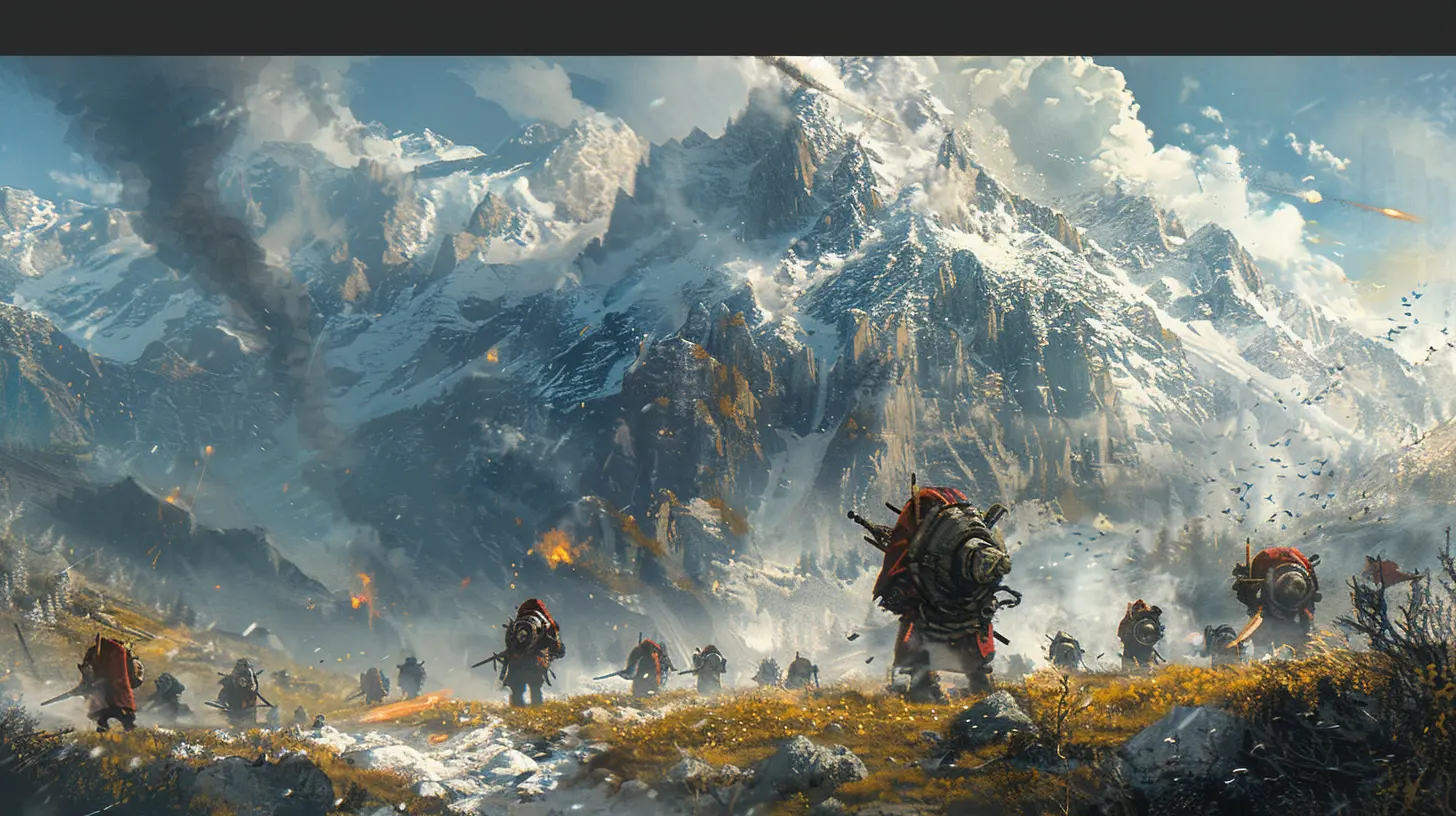
The Core Pillars of Memorable Combat
To build a combat system that sticks with players, focus on these key elements:1. Responsiveness
Combat should feel snappy. When players press a button, they expect an immediate reaction. Laggy controls? That’s a game-killer.2. Feedback
Players need constant feedback — hit sparks, camera shakes, sound effects. You want every swing, shot, or spell to feel like it has weight.3. Risk vs Reward
There should always be a bit of tension. Powerful attacks might leave you exposed. Dodging might cost stamina. These trade-offs make combat exciting.4. Player Expression
Let players fight their way. Maybe one likes stealth, another brute force. The more creative freedom you allow, the more engaging your combat system becomes.
Mix and Match: Finding the Right Inspirations
There’s no shame in being inspired by the greats. In fact, that’s how innovation happens. Start by looking at systems that already work and ask yourself:- What do players like about this?
- What feels outdated or overdone?
- What small change could make it mine?
For example, Dark Souls introduced stamina management and weighty movement — but what if you added combo chaining like Bayonetta? Now you’re cooking with gas.
Building a Combat System From the Ground Up
Let’s break down the process of creating your own battle system into digestible steps. It’s not about overnight genius; it’s about iteration, testing, and listening.Step 1: Define Your Game’s Soul
Is your game fast-paced or methodical? Is it focused on skill or strategy? The tone of your combat should reflect the essence of your game.If your game has a whimsical, cartoony feel, hyper-realistic swordplay might clash. Your combat system should fit your world like a glove.
Step 2: Pick Your Core Mechanics
Start with 2–3 core mechanics. Maybe it’s parrying, spell weaving, or combo chains. Keep it simple at first — a solid foundation beats a bloated system.Want a twist? Try something like:
- Weapon momentum: Attacks build speed over time, changing the rhythm.
- Environmental effects: Rain makes fire spells weaker but boosts electric attacks.
- Emotion-based combat: Player’s emotional state changes move sets (fear = defensive, rage = aggressive).
Step 3: Prototype and Playtest (Early and Often)
Don't wait for perfection. Build a rough version and test it. Get friends, other devs, even random folks to try it. Watch what they enjoy. Note what frustrates them.You’ll learn fast what works — and what doesn’t.
Step 4: Add Depth, Not Complexity
Players love depth. They don’t love needless complexity. Instead of 50 weapons with minor stat differences, how about 5 that each completely change your approach?Think about games like Hades — few weapons, but tons of variety thanks to powers, upgrades, and modifiers. That’s smart design.
Adding That Special Sauce: Mechanics Players Love
Let’s talk about features that players eat up, especially when they’re done with a twist.1. Combo Systems
Combos aren’t just for fighting games. They can add flow and flair to action RPGs too. Let players discover new moves by experimenting. Layer in timing elements for extra finesse.2. Perfect Timing (Parries, Dodges, and Blocks)
Players love high-risk, skill-based mechanics. A perfectly timed dodge that triggers a slow-motion counter? That’s a chef’s kiss moment.3. Interactive Environments
Add combat elements that react to the player. Think destructible cover, interactive traps, or even usable props. These mechanics give fights a dynamic feel.4. Progression Tied to Combat Style
Let the way players fight impact their growth. Used swords a lot? They get stronger with blades. Cast fire spells often? Your flames get hotter. This kind of system personalizes the combat journey.5. Boss Fights That Change the Rules
When designing bosses, shake up the system a little. Maybe this one disables magic. Another one shifts gravity. Forcing the player to adapt keeps things spicy.Avoiding Common Combat System Pitfalls
Designing combat is tricky. Here are some traps to avoid:❌ Overcomplicating Early On
Trying to cram too many features into your system from the start will overwhelm players (and your dev team). Start lean. Build depth later.❌ Lack of Visual and Audio Feedback
Combat needs to feel good. Spend time on the little things — sword clangs, recoil, crit sparkles. These touches often make or break immersion.❌ Copy-Paste from Other Games
Being inspired is great. Copying? Not so much. If your system feels too derivative, players will notice. Put your own twist on borrowed ideas.How to Keep Combat Fresh Over Time
Once you’ve hooked players with your combat system, now the challenge is keeping them there. Here’s how to avoid combat fatigue:? Introduce New Mechanics Slowly
Pacing matters. Start simple and unfold complexity over time. Let players master basics before throwing curveballs.? Vary Combat Scenarios
Change your environments and enemy types to force new tactics. Swamps that slow movement. Enemies with invincibility frames. Puzzles in battle arenas.? Use Narrative to Evolve Combat
Let the story influence combat mechanics. Maybe a character loses a limb and has to learn a new fighting style. Maybe gaining a new ally unlocks tag-team attacks.Indie Game Example: What Hyper Light Drifter Got Right
Take Hyper Light Drifter. It’s a pixel art game with simple mechanics: dash, slash, shoot. But the tight controls, enemy design, and visuals make combat unforgettable.There's barely any dialogue, but you feel the tension in every encounter. That’s how powerful well-crafted combat can be.
Final Thoughts: Fight for the Fun
Creating unique combat systems is all about balance. Innovation and familiarity. Depth and simplicity. Risk and reward.Put the player at the center. How do they feel as they fight? Are they excited, challenged, empowered? Keep that question in your mind like a mantra.
Game mechanics fade. Good graphics age. But how a combat system made a player feel? That sticks around forever.
So go ahead — be bold. Try something new. Tweak what works. Surprise your players. And above all, make fighting in your game something they'll talk about long after the credits roll.
all images in this post were generated using AI tools
Category:
Game Content CreationAuthor:

Jack McKinstry
Discussion
rate this article
2 comments
Luma Ross
Unique combat systems are essential for engaging players. A well-designed system not only adds depth but also keeps the gameplay fresh. Innovation in mechanics can lead to memorable experiences and lasting enjoyment.
October 15, 2026 at 3:39 AM
Mia Taylor
Great insights on combat design! Unique systems can really enhance player engagement. It's exciting to see how creativity in gameplay mechanics can lead to memorable experiences.
July 19, 2026 at 4:32 PM
Jack McKinstry
Thanks for your thoughts! I believe creativity is key to making combat memorable for players. Excited to see where it leads us!