Creating a Balanced Party for Maximum Adventure in Co-Op RPGs
18 January 2026
When you're diving into a co-op RPG, there's one universal truth: you're only as strong as your party. You could be wielding a legendary sword enchanted with the tears of dragons… but if your teammate is charging into battle with nothing but vibes and no strategy, you're toast.
Co-op RPGs are a team sport. Think of your party as a fantasy version of a rock band—you can't all be playing the drums and expect to make good music. You've got to harmonize. But what does a balanced party actually look like? And how do you build one that’s ready for any monster, mishap, or mythical mayhem?
Let’s break it down.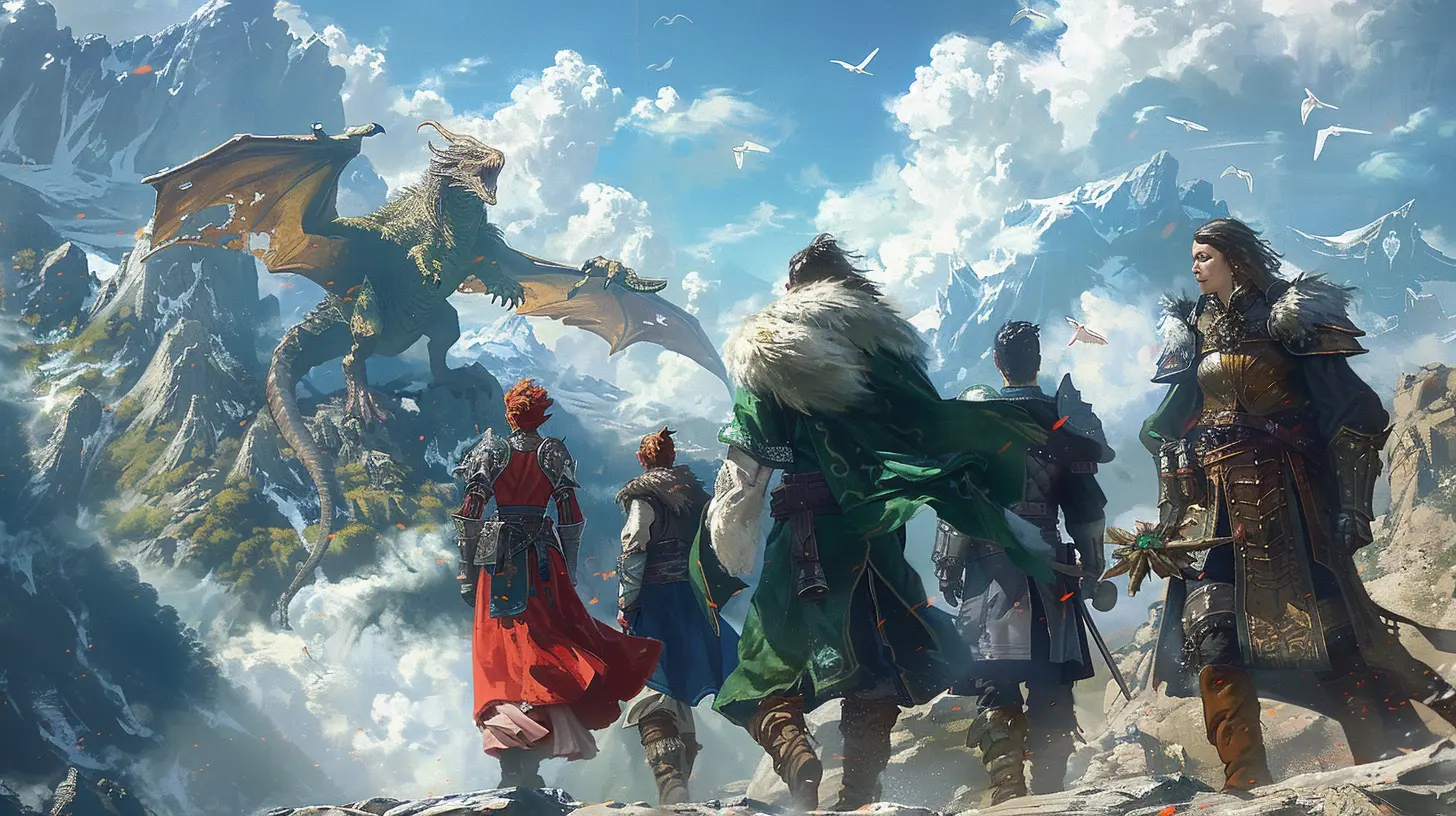
Why Balance Matters in Co-Op RPGs
Before we start talking tanks, healers, and beardy spellcasters, let’s answer the big “why.” Why should you care about balance?Imagine this: Your party has four DPS (damage dealers), no healer, and zero crowd control. You step into a dungeon, and boom—half the team’s down after the first ambush. You try to recover, but it’s like trying to put out a forest fire with a juice box.
Balanced parties don’t just survive—they thrive. They adapt to danger, cover each other’s weaknesses, and unleash absolute chaos in the best way possible.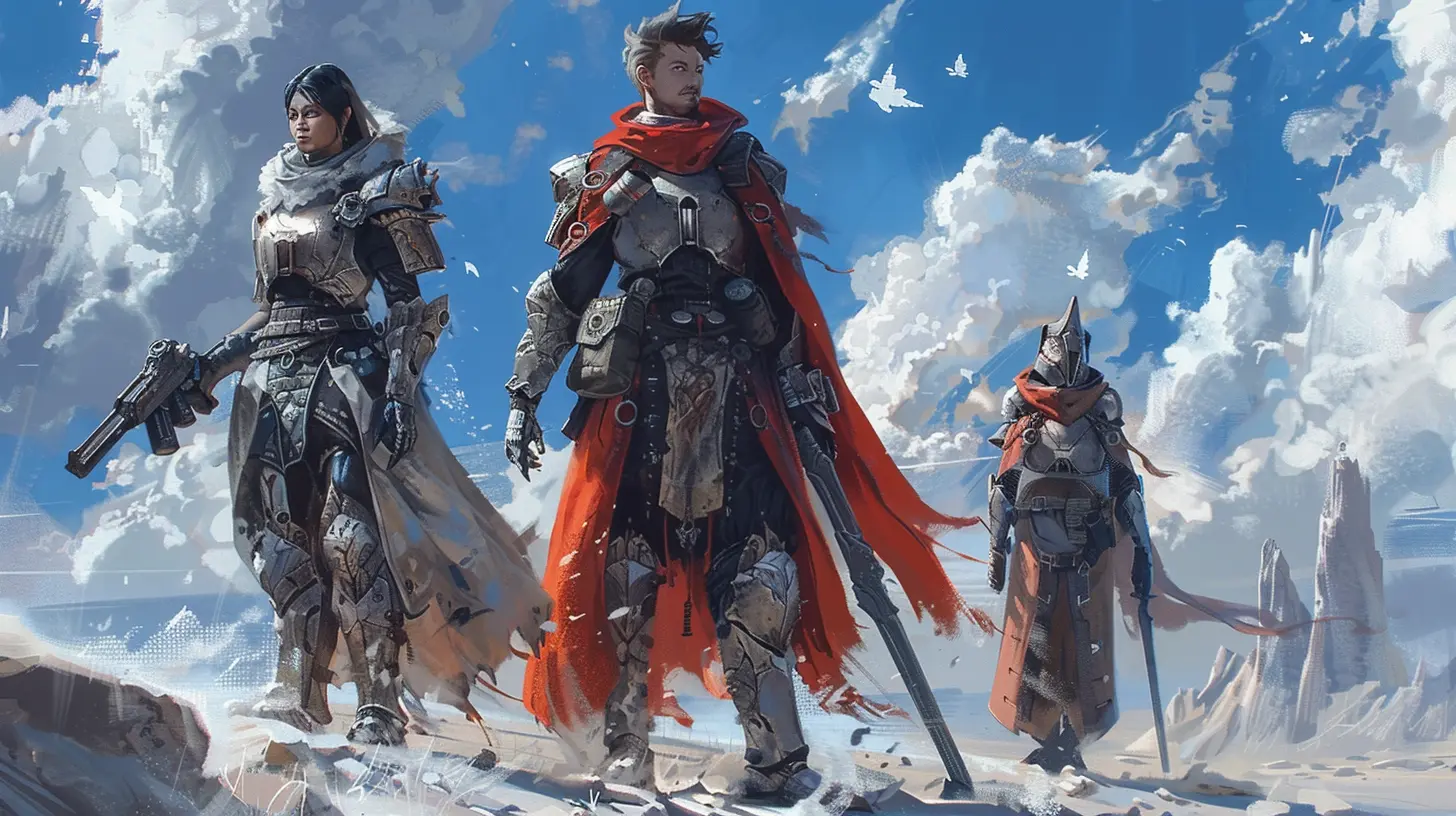
Core Party Roles (And Why You Need Them)
Most co-op RPGs—whether it’s classic dungeon crawlers like Baldur’s Gate 3, action-packed titles like Divinity: Original Sin 2, or even MMO-style games like Final Fantasy XIV—revolve around a few core combat roles. Let’s take a look.1. The Tank – Your Frontline Wall of Steel
Someone’s gotta take the hits, and that someone is your tank. Tanks are like the bouncers of your party. They pull aggro (aka enemy attention), soak up damage like a sponge, and keep everyone else alive just by being beefy.Ideal Traits:
- High HP and defense
- Taunt or aggro-drawing abilities
- Crowd control (stuns, slows, etc.)
Examples: Warrior, Paladin, Guardian, or just that one friend who never lets go of the block button.
Tips: A good tank doesn’t just stand there and eat punches. They position enemies, protect squishier allies, and throw in the occasional interrupt to keep bosses from launching raid-wiping attacks.
2. The Healer – Your MVP Lifeline
You don’t notice the healer until they’re gone—and that’s usually when things go sideways. A healer is like the cleric with a clipboard, constantly checking your vitals and shouting, “Stop dying!”Ideal Traits:
- Reliable healing spells or abilities
- Shields, regeneration, or resurrection skills
- Optional damage mitigation or support buffs
Examples: Cleric, Druid, White Mage, or your friend who refuses to let anyone die on their watch.
Tips: Healers don’t have to just spam “heal.” The best ones are strategic—anticipating damage, conserving mana, and keeping the team buffed without burning all their resources in the first five minutes.
3. The DPS – Pure Chaos with a Weapon
DPS (Damage Per Second) roles are your damage dealers. These are the folks doing the most noticeable work—lighting enemies on fire, launching massive crits, and just generally making sure the other guys die before you do.Ideal Traits:
- High consistent damage output
- Burst damage for bosses or elite enemies
- Versatility (ranged vs melee, AoE vs single-target)
Examples: Rogue, Sorcerer, Archer, or that chaotic neutral wizard who keeps casting Fireball into melee.
Tips: DPS players need to know when to go all out and when to hold back. Pulling aggro from the tank might net you a few bragging rights—until you’re face-planted on the floor.
4. The Support/Utility – The Wild Card
This role doesn’t always get the love it deserves, but it can be a total game-changer. Support characters boost the whole team's performance—buffing stats, debuffing enemies, setting traps, or controlling the battlefield.Ideal Traits:
- Buff/debuff spells or tools
- Crowd control (snares, roots, silences)
- Resource management (mana regen, cooldown reduction)
Examples: Bard, Enchanter, Engineer, or that one guy who insists on playing a utility build and ends up saving the day.
Tips: When built right, support roles can tip the scales in a tough fight. They may not top the damage meters, but they’ll make sure everyone else does.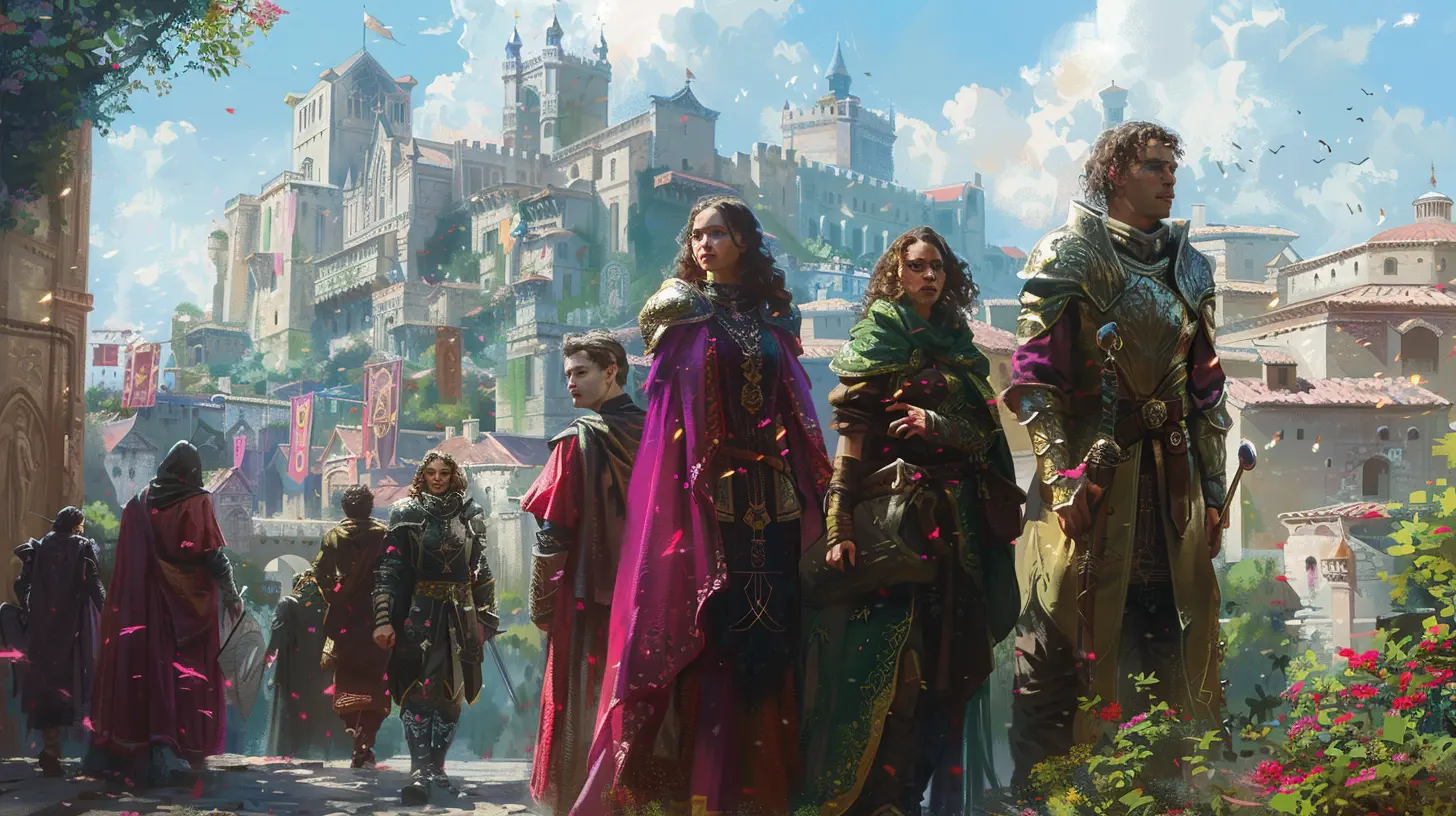
How to Build the Dream Team
Alright, now that we’ve got the building blocks, how do you actually build a team that clicks? Whether you’re playing with your best buddies or matching with randoms online, building synergy is key.1. Mix and Match Roles
It seems obvious, but you’d be amazed how many co-op groups roll out with four archers and wonder why they keep wiping.Aim for:
- 1 Tank
- 1 Healer
- 1-2 DPS
- 1 Utility (or hybrid roles)
Of course, not every game has rigid role boxes. Sometimes, characters are hybrids (a Paladin who can tank and toss heals, for example). That’s fine—just make sure no core responsibility goes completely unfilled.
2. Consider Team Synergy
Team comp isn’t just about job titles—it’s about how those roles work together. Let’s say your rogue shines when enemies are distracted. Pair them with a tank who can keep the heat off them. Got a mage who freezes baddies? Add a warrior with a shatter skill for bonus damage. Synergy makes the difference between a group of adventurers and a freaking adventuring machine.3. Think Beyond Combat
Not every challenge in an RPG is something you can punch. Consider:- Puzzle-solving abilities (intelligence or perception-based skills)
- Stealth and lockpicking
- Dialogue or charisma checks
- Crafting, alchemy, or item gathering
Make sure someone in the group can talk your way out of trouble—or into treasure.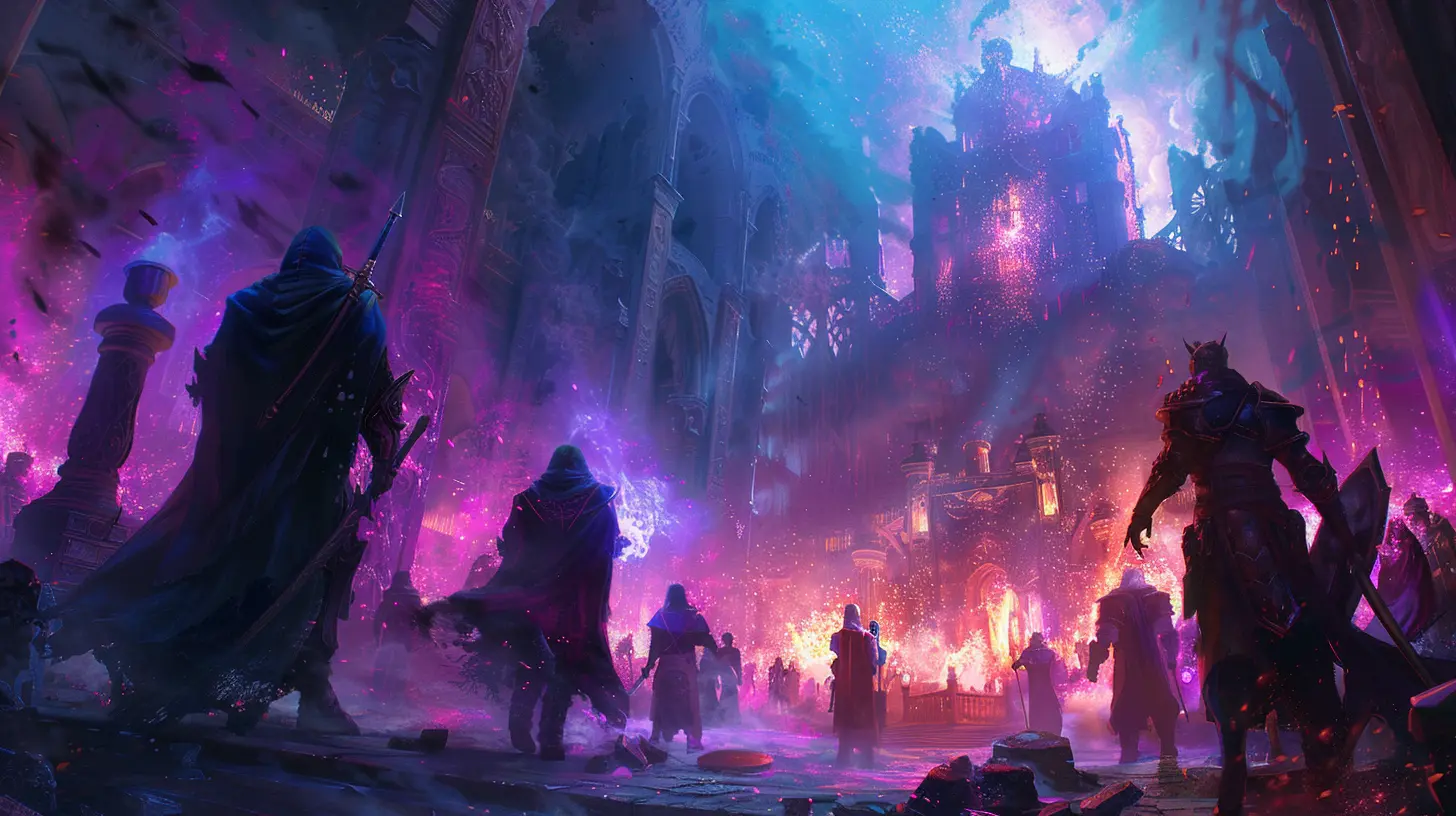
Adapting On the Fly
Even with the most careful pre-planning, things can go off the rails fast in an RPG. What then?1. Be Flexible With Roles
Maybe your healer is out this week, or your tank decided to try a new class. That’s okay. Encourage players to build flexible characters. A ranger who can off-heal in an emergency? A tank who can switch to DPS when needed? That kind of versatility can save a session.2. Communicate Like You're in a Heist Movie
Good communication turns a group of button mashers into a tactical strike team. Talk to your team. Ping the danger zones. Call out cooldowns. Scream “Heal me!” only when absolutely necessary (or way too much, depending on your party vibes).Party Building by Game Type
Let’s get a little more specific. Different co-op RPGs ask different things of your party.Open-World Co-Op RPGs (e.g., Elden Ring, Monster Hunter)
These rely heavily on individual skill and boss mechanics. You don’t always need the holy trinity (tank, healer, DPS), but you will want:- At least one player focusing on sustain (heals or buffs)
- Someone who can deal burst damage
- Crowd control or elemental damage for enemy weaknesses
Turn-Based Tactical RPGs (e.g., Divinity: OS2, Wasteland 3)
These games are all about synergy and positioning:- Mix AoE and single-target abilities
- Use terrain and status effects to your advantage
- Mobility abilities (teleportation, dashes) are gold
MMORPG-Style Co-Ops (e.g., FFXIV, WoW Classic)
Stick to traditional roles, or you’ll hit a wall:- Dedicated tank and healer are essential
- DPS should specialize based on raid roles (e.g., AoE, burst, or add control)
- Utility is huge—someone should be responsible for buffs, debuffs, and mechanics
Bonus Tips for Co-Op Greatness
Need a little extra spice for your co-op party soup? Here are a few pro tips:- Don’t overspecialize: Yes, it’s cool your mage one-shots goblins, but if they can’t take a hit or solve a puzzle, that's a problem.
- Gear synergy matters: Coordinate who gets what gear. Don’t let your tank walk around in paper armor while your rogue hoards all the defense gear.
- Keep the vibes up: Team morale affects gameplay. Joke around. Celebrate the clutch plays. Laugh off the fails.
- Respect player identity: Everyone plays differently. Some are min-maxers, others just want to roleplay a goblin bard. Make room for both.
The Secret Ingredient? Team Chemistry
At the end of the day, the “perfect” party isn’t just stats and strategy—it’s teamwork. It’s that unspoken bond that develops when you’ve been through five dragon fights, a sewer full of traps, and one too many friendly fire incidents.You learn your buddy’s playstyle. You anticipate their moves. You throw them a health potion just as they fall, and they come back to finish off the boss in a blaze of glory. That’s what makes co-op RPGs magic.
So gather your crew, plan your comp, and get ready to write your own epic tale—one well-balanced battle at a time.
all images in this post were generated using AI tools
Category:
Fantasy RpgsAuthor:

Jack McKinstry
Discussion
rate this article
2 comments
Atlas Sheppard
What a fascinating topic! I'm intrigued by how different character dynamics can enhance gameplay in co-op RPGs. How do you suggest balancing skill sets among party members? Are there particular class combinations that create the most synergy? I'd love to hear more about your insights on optimizing team dynamics for epic adventures!
February 12, 2026 at 5:19 PM
Jack McKinstry
Thank you for your interest! Balancing skill sets is key: ensure you have a mix of damage dealers, support, and control classes. For synergy, combine melee fighters with healers or buffers, and pair ranged attackers with crowd control mages. This diversity allows for strategic flexibility and enhances teamwork in epic adventures!
Skylar Wood
Great tips! Balancing roles in a co-op RPG is crucial for teamwork and strategy. It’s all about blending classes to enhance each other’s strengths and cover weaknesses. Happy adventuring!
January 22, 2026 at 5:31 AM
Jack McKinstry
Thank you! I'm glad you found the tips helpful. Happy adventuring to you too!