Creating Immersive Storytelling Through Augmented Reality Games
8 June 2026
Let’s face it—storytelling has come a long way since the days of reading under a blanket with a flashlight. Today, storytelling is no longer just something you watch or read; it's something you live. That’s right, thanks to Augmented Reality (AR), stories are leaping out of the pages and screens and stepping right into your living room or the park down the street.
Augmented Reality games are flipping the script on traditional game narratives. They’re making the player a part of the story—an actual character within a living, breathing, interactive world. In this article, we’re going to take a deep dive into how AR is revolutionizing immersive storytelling in games, what makes it so powerful, and why game developers and storytellers can’t ignore it any longer.
So, grab your smartphone (or AR headset if you’re fancy), and let’s step into this augmented universe together.
What Is Augmented Reality, Really?
Before we go full geek-mode, let’s break it down for the newbies. Augmented Reality (AR) is a technology that overlays digital content—like images, sounds, or data—onto the real world. It’s like having a digital layer sprinkled on top of reality. Think Pokémon GO, where Pikachu is chilling in your backyard. Yeah, that’s AR in action.Unlike Virtual Reality (VR), which pulls you into a totally digital world, AR enhances your real-world environment. It blends the physical and digital seamlessly, making for some seriously immersive experiences.
The Magic Behind AR Storytelling
So what happens when you slap a compelling story onto this tech? Pure magic—that’s what.AR storytelling doesn’t just tell you what’s happening. It shows you, surrounds you, and lets you interact with it. It blurs the line between passive and active participation. You’re not just watching a hero save the world; you are the hero.
Let’s say you’re playing an AR mystery game. You’re not reading about clues—you’re finding them under your couch or behind your neighborhood tree. The villain isn’t just on a screen—they could be tailing you through your local grocery store (okay, virtually!).
This type of storytelling is powerful because it connects with us on a much deeper level. It engages more senses, demands more interaction, and creates emotional experiences that last longer than a Netflix binge.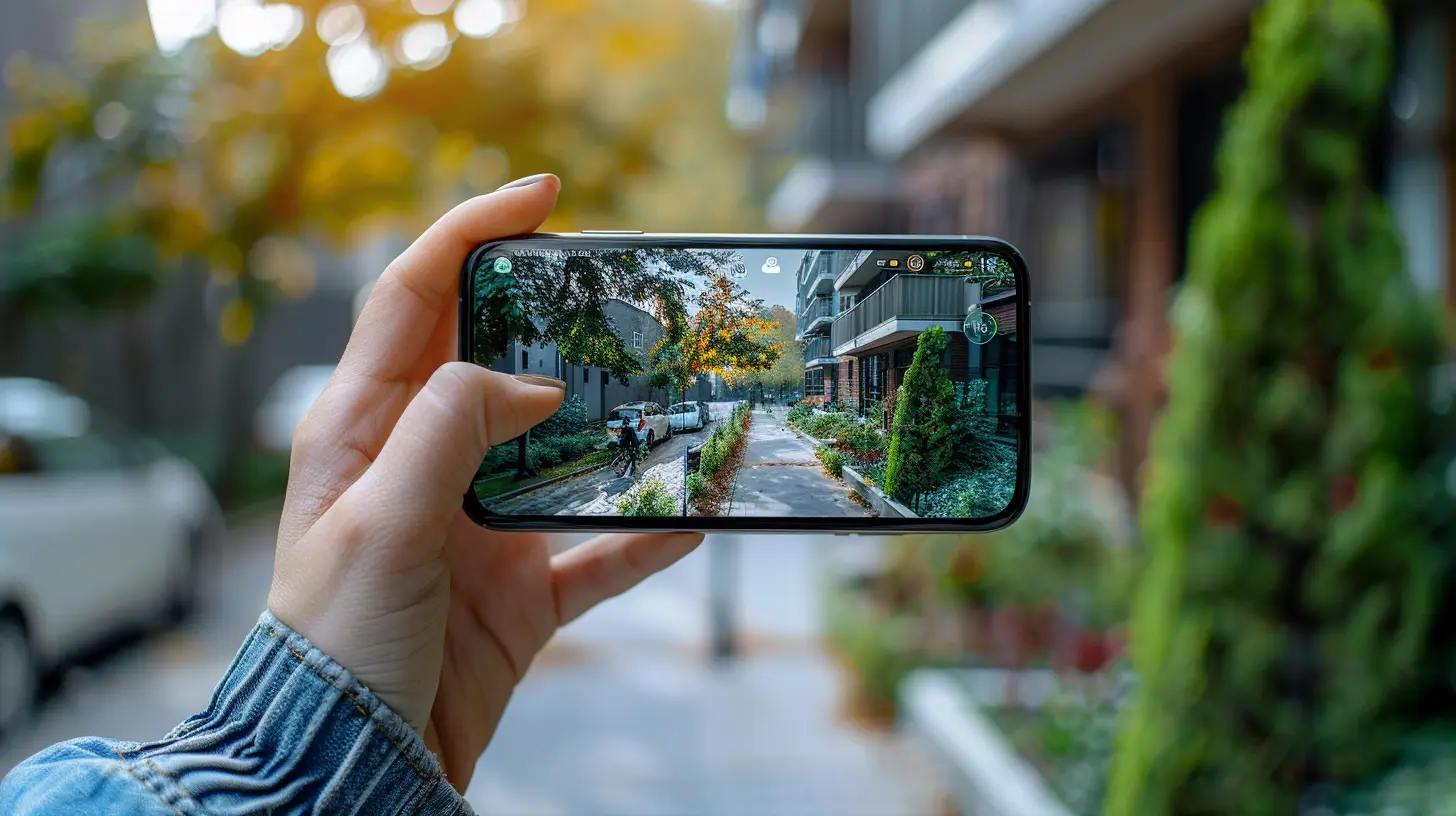
Why AR Games Are Changing the Storytelling Game
1. Immersion Like Never Before
Immersion is the holy grail of storytelling. And AR nails it. When you can physically move through a story, touch elements of it, or interact with characters right in your living room—it’s unforgettable.Traditional games still have that “looking through a window” vibe. AR smashes the window and invites you in. Suddenly, your surroundings become part of the story. Your local playground morphs into an alien battlefield, or your city streets become a treasure map.
2. User Agency and Personalization
AR storytelling gives you control. You’re not just reacting to a pre-written script—you’re influencing it. The way you interact with the environment, the choices you make, the places you explore—they all mold the narrative uniquely to you.This level of personalization turns players into co-authors of the story. And let’s be honest, who doesn’t want to feel like the star of the show?
3. Physical Engagement
Let’s not underestimate how cool it is that AR games get you off the couch. You’re not just gaming with your thumbs—you’re walking, looking around, solving puzzles in real-life spaces. It’s like going on a real-world adventure with a digital twist.That physical interaction deepens the immersion tenfold. Plus, it's a sneaky way to get some steps in. Win-win.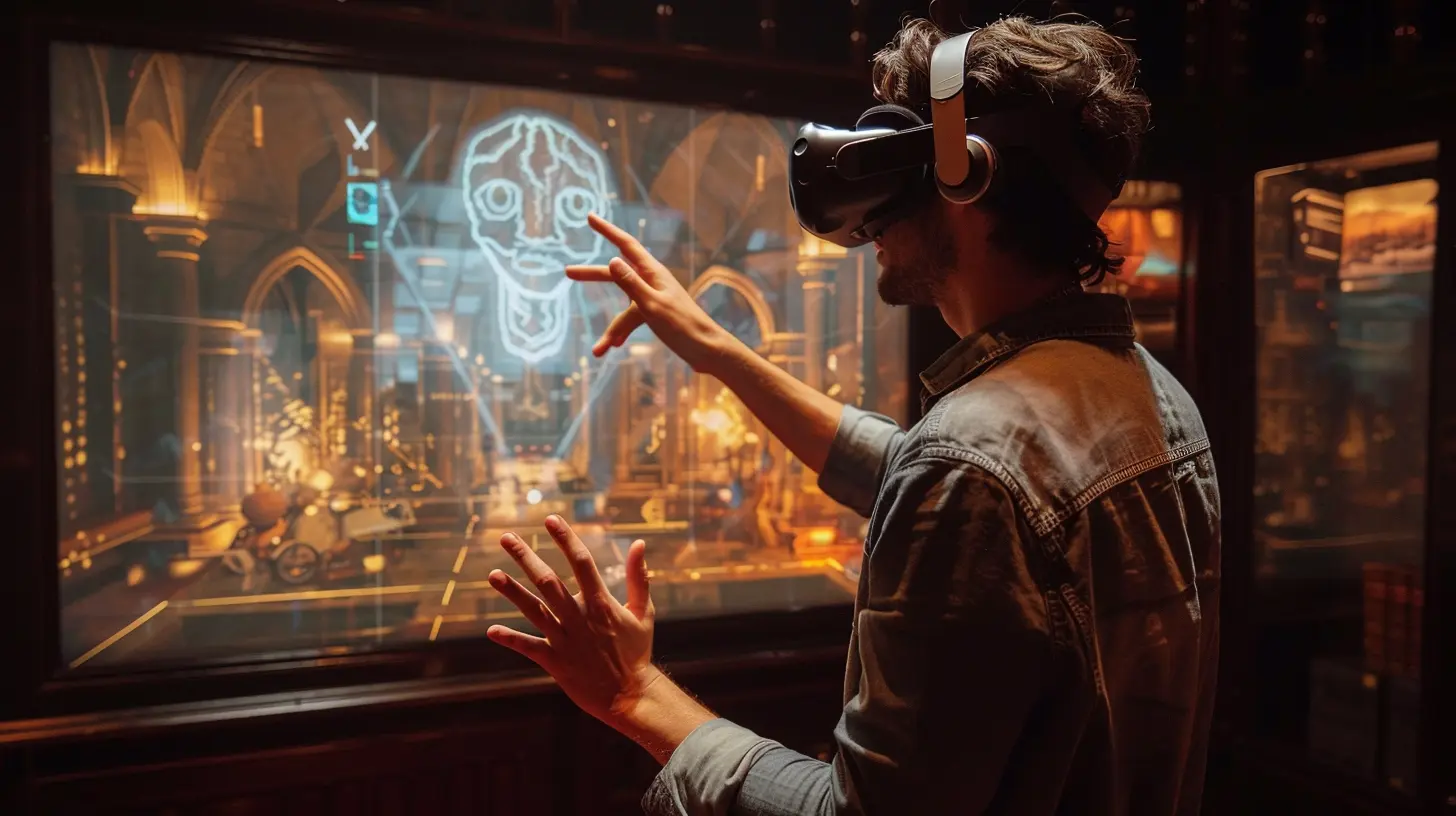
Key Elements of Effective AR Storytelling
Now, for AR storytelling to really hit home, it needs more than just flashy visuals and cool tech. Here are the ingredients for a truly immersive AR experience:1. Strong Narrative Foundation
Let’s not forget—at the heart of any story is, well, the story. Without a compelling plot, even the most high-tech AR game can feel flat. Developers need to craft deep, engaging narratives filled with conflict, character development, and meaningful progression.Great AR stories tug at your emotions, make you question your decisions, and keep you invested from beginning to end.
2. Well-Integrated AR Elements
The AR components should feel like a natural extension of the narrative—not just gimmicks. They should serve the story, not distract from it. Whether it’s uncovering a hidden message on a coffee shop wall or communicating with a digital character in your bedroom, each AR element should enhance the overall experience.3. Contextual Awareness
Here’s where it gets real smart—contextual awareness. AR games can use your location, time of day, or even weather to tailor the experience. Imagine a horror game that changes based on whether you’re playing at night or day. Creepy, right?That kind of dynamic storytelling keeps things fresh and reactive, making the experience more authentic and personal.
Real-World Examples of Immersive AR Storytelling
Let’s look at a few games that are already nailing this blend of AR and storytelling:? Pokémon GO
We can’t talk AR without tipping our hat to Pokémon GO. While not heavy on story, it does create a shared world and community-driven adventure. The feeling of catching a rare Pokémon in your own neighborhood? That’s the AR magic at work.?♂️ Harry Potter: Wizards Unite
Set in the wizarding world of Harry Potter, this game pulled AR into a narrative-driven experience where players had to protect magical creatures, cast spells, and unravel mysteries—all while walking through their actual neighborhoods.?♀️ Zombies, Run!
This one’s a mix between fitness app and interactive audiobook. It places players in a zombie apocalypse told through episodic stories. As you run in the real world, audio cues and missions unfold based on your speed and location. Talk about cardio with a purpose!? The Walking Dead: Our World
Another gem where real-world locations are used to battle zombies, find weapons, and rescue survivors. The storytelling ties closely with challenges and player progress, making the outcome feel deeply personal.How Game Developers Can Embrace AR Storytelling
Thinking of diving into AR storytelling? Here’s what developers need to keep in mind:Start With the Story
Always begin with a killer narrative. The tech should enhance the story—not the other way around. Tech without story is just a gimmick.Make It Easy to Access
AR can be complex, but your interface shouldn’t be. The more seamless and intuitive the experience, the stronger the immersion. Most players are using smartphones, so optimize for that platform first.Keep Things Safe and Practical
You’re sending players out into the real world—think safety. Make the game functional indoors and out. Offer options for accessibility. Keep navigation clear and always encourage players to stay aware of their surroundings.Playtest Like Crazy
AR adds a hundred variables to gameplay—lighting, location, signal strength, etc. You’ll need real-world testing with real players to iron out the kinks.The Future is (Augmented) Bright
We’re just scratching the surface of what AR can do for storytelling. With advancements in wearables like AR glasses, AI-driven NPCs, and real-time world mapping, the future of immersive storytelling looks insanely exciting.Imagine a murder mystery playing out in your home, with you as the detective. Or fantasy realms appearing when you walk through a forest. With AR, the world itself becomes a canvas for storytelling.
Final Thoughts
Augmented Reality is not just a flashy tech trend—it’s a storytelling powerhouse. It's changing how we experience narratives by pulling them off the screen and into our lives. AR games are turning players into protagonists, environments into stages, and stories into unforgettable, interactive adventures.If you’re a player, keep your eyes open—the next big adventure might start on your street. And if you’re a developer or storyteller, now’s your chance to build worlds where imagination and reality collide.
So, ready to write or play the next great AR story?
all images in this post were generated using AI tools
Category:
Augmented Reality GamesAuthor:

Jack McKinstry
Discussion
rate this article
2 comments
Misty Evans
This article highlights the exciting potential of augmented reality in storytelling. Blending real-world elements with engaging narratives can truly enhance player experiences. I'm curious to see how developers balance gameplay with story depth in future AR games. Great insights shared!
August 24, 2026 at 1:06 PM
Jack McKinstry
Thanks for your thoughts! It's fascinating to see how AR can transform storytelling. I agree, the balance between gameplay and narrative will be key for future innovations.
Vaughn Schultz
Augmented reality games have the power to transform storytelling, blending the real world with captivating narratives. This innovative medium allows players to step into stories like never before, sparking creativity and deepening emotional connections. The future of gaming is truly immersive and exciting.
June 8, 2026 at 2:30 PM
Jack McKinstry
I completely agree. Augmented reality games offer an unparalleled way to engage with stories, merging our reality with imaginative narratives. It's thrilling to think about where this technology will take us next.