Designing Enemies That Challenge and Entertain
24 June 2026
Let’s face it—enemies are the lifeblood of most games. Without them, levels would feel empty, bosses wouldn’t be satisfying, and players wouldn’t have anything to conquer. Enemies are more than just obstacles; they’re characters, puzzles, and sometimes... comedy relief. But designing enemies that are both challenging and entertaining? Now that's an art form.
In the wild world of game design, striking the right balance between a nail-biting challenge and a barrel of laughs can be tricky. Mess that up, and you can easily frustrate your players instead of keeping them engaged. But when you get it right? Oh boy, you’ve got players hooked for hours.
So, how do you actually design enemies that keep gamers on their toes and grinning from ear to ear? Let’s break it down together, shall we?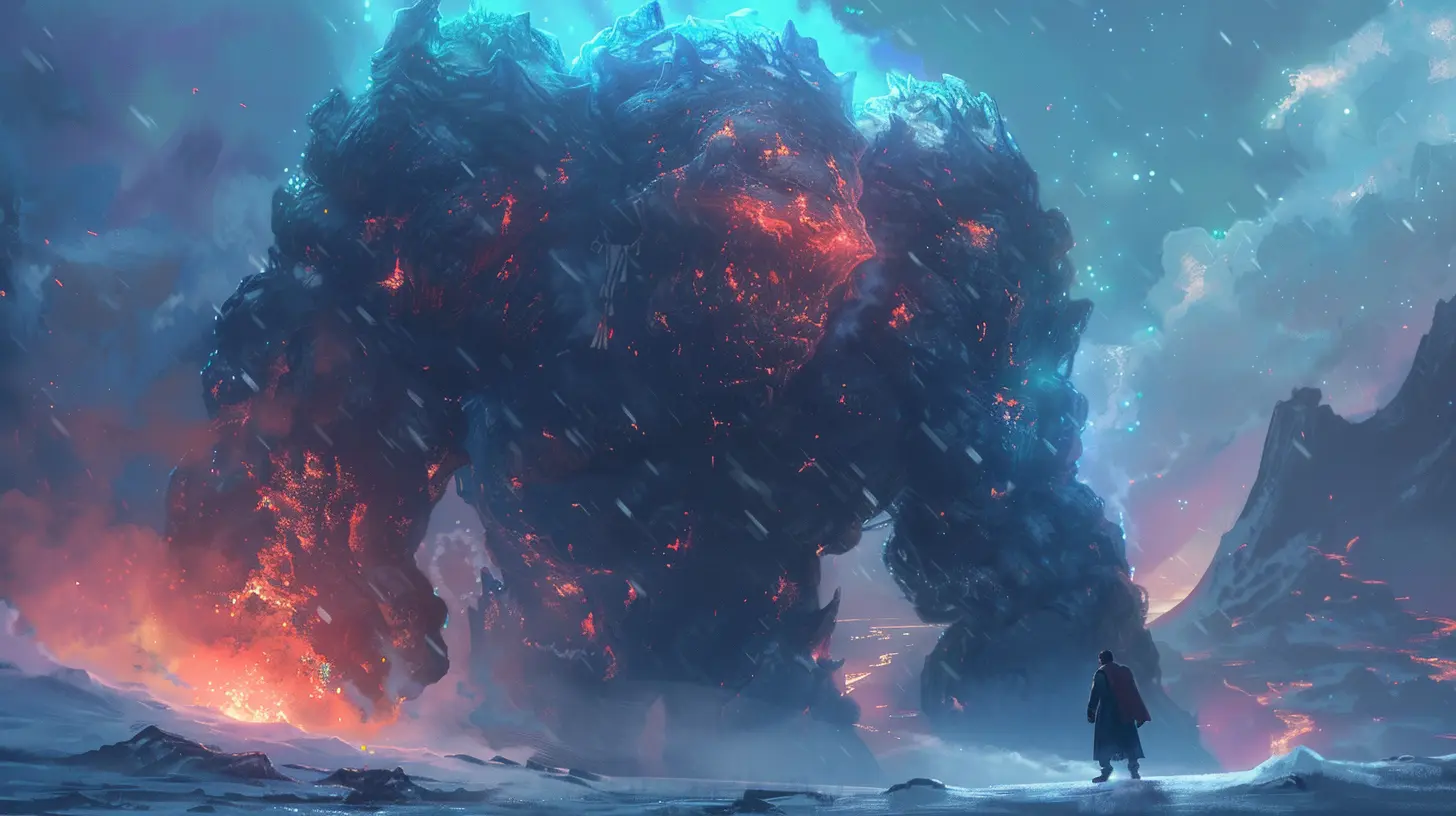
Why Enemy Design Matters More Than You Think
Ever played a game and thought, “Wow, these enemies are so boring”? Yeah, me too. A bland enemy feels like a speed bump—you barely notice it. A well-crafted, dynamic enemy? That feels like a rival you want to outsmart.Good enemy design does more than just get in your way. It:
- Tests player skills in clever ways
- Tells part of the game’s story without a single line of dialogue
- Encourages experimentation and strategy
- Keeps gameplay fresh and unpredictable
And perhaps most importantly, it adds that juicy satisfaction when you finally beat them.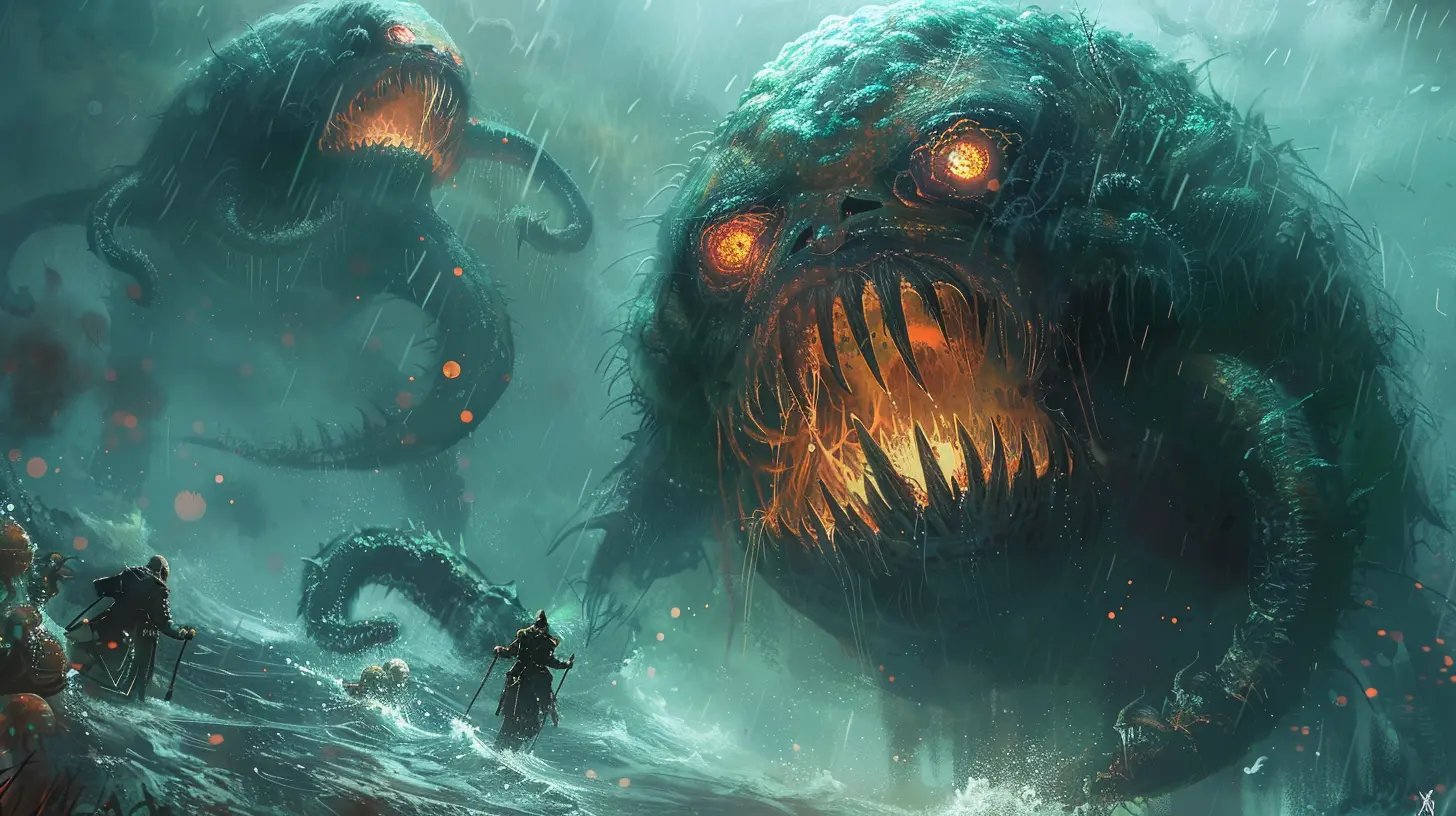
The Golden Rules of Enemy Design
Before we dig into the fun stuff (like exploding robots and screaming zombies), let’s get clear on some core principles that make enemy design actually work.1. Clarity is King
Players should understand an enemy’s behavior quickly. If your enemy starts spouting fireballs, but there's no visual cue like glowing red or charging up, that’s confusing—not challenging. We’re aiming for “Oh no, it’s doing that thing again!” not “What just happened?!”.2. Patterns Make Perfect (and Fun)
Patterns are your best buds. Players love learning enemy patterns. It makes them feel smart. Like when you dodge that boss's spin attack for the first time and yell, “Gotcha!”. Give players something to recognize and react to.3. Difficulty = Fun × Fairness
Enemies shouldn’t feel unfair—or worse, cheap. You can make them tough as nails, sure, but make sure they play by the same rules as the player does (mostly). If they teleport through walls and snipe from nowhere, players won’t be laughing… they’ll be rage-quitting.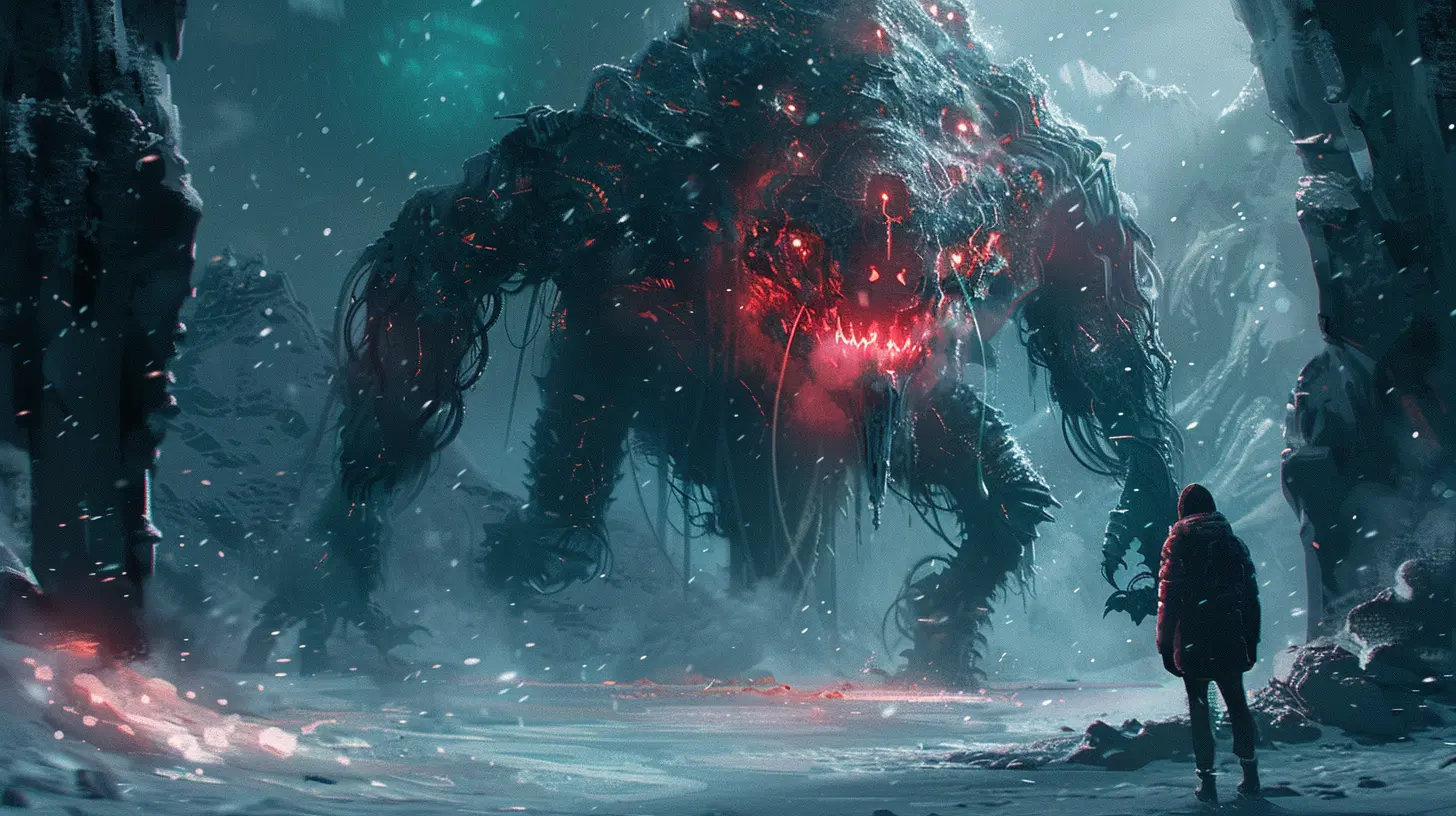
Creating Memorable Enemy Types
Alright, time to get into the juicy creative bits. Let's talk about different types of enemies and what makes them sing (sometimes literally, if you're into musical games).1. The Grunt – The Bread-and-Butter
These guys are your basic baddies—the cannon fodder. But don’t write them off just yet. Well-designed grunts form the foundation of your enemy ecosystem.Want them to feel unique? You can:
- Give them goofy animations or one-liners
- Make them form mobs and coordinate chaos
- Add surprising behavior like sudden retreats or mad dashes
They shouldn’t be terrifying, but they should be interesting enough to avoid total monotony.
2. The Specialist – The “Oh No, Not That One!”
These are the enemies that make players pause and reconsider their approach. Think of snipers, shield carriers, or healers. Their job? Shake things up.Some tips for specialists:
- Don’t overuse them or they lose their punch
- Mix them in with grunts for fun tactical puzzles
- Give them a tell so players know they’re about to shake up the battlefield
Ever see a medic sprint toward a fallen enemy and revive them? That moment of panic is solid gold gameplay.
3. The Elite – Mini-Bosses Without the Health Bloat
Elites are tougher, smarter, and usually have more complex patterns. They’re not bosses, but they’re also not the kind of enemy you ignore.Design them to:
- Counter popular strategies (but not all of them)
- Surprise players with phase changes
- Show up in unexpected places
The elite enemy is like a mini-test before the final exam. Fail, and it's back to checkpoint city.
4. The Boss – The Big Cheese
Ahh, the boss fight. The ultimate enemy. This is where you pull out all the stops—unique mechanics, epic music, tighter arenas, and laser beams, of course.Great bosses should:
- Be a culmination of skills the player’s learned
- Change up behavior mid-fight
- Be memorable in design (giant eyeballs, talking dragons... you name it)
And let me say it—bosses should be fun, not a test of patience. If your boss fight drags on for 15 minutes with no checkpoints and minimal feedback, you're asking for hate mail.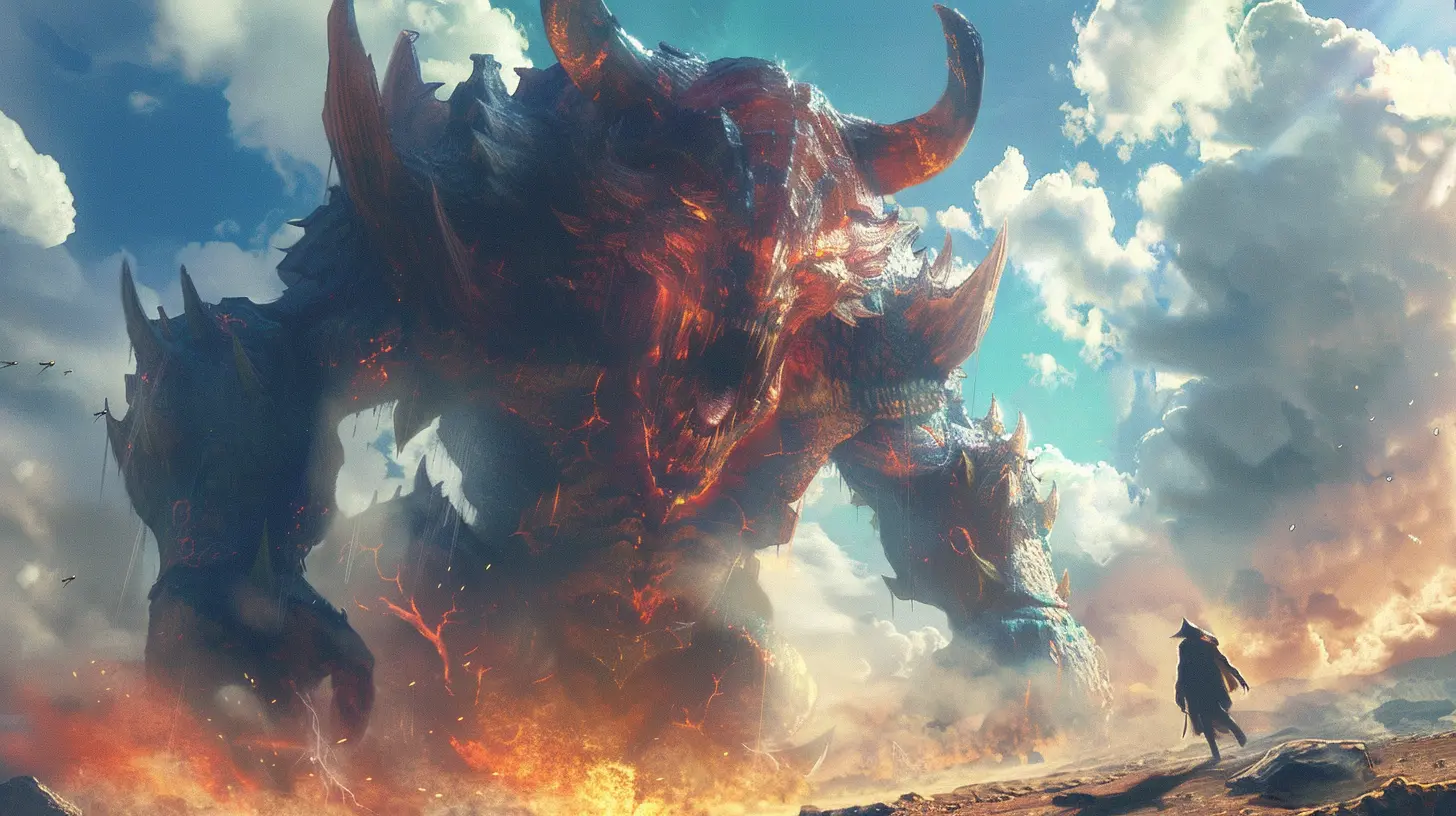
Spice It Up: Making Enemies Entertaining
It’s one thing to challenge the player. But let’s not forget the second part of the mission: entertain them. So, what makes an enemy entertaining exactly?Humor is a Secret Weapon
Funny animations, silly voices, dramatic explosions—these keep things light even in tense moments. Think of the dancing zombies in Plants vs. Zombies. Total meme material—but you still have to deal with them.Variety Prevents Burnout
If players fight the same five enemies over and over, they get bored. Mix things up! Introduce new enemy types gradually. Combine old ones in new ways. Add a twist: “Wait, this one is on fire now?”Keep them guessing. Keep them smiling.
Interactivity Builds Connection
Let enemies react to player choices. Maybe they smack-talk if you’re low on health. Or they flee if you dominate them. Giving them personality—even if it’s subtle—makes them stick in the player’s mind.Pitfalls to Avoid (Please. Seriously.)
Great enemy design doesn’t just mean “harder = better.” Wanna know what grinds players’ gears? Here’s a short rage list:- Bullet sponge enemies – Low damage output + huge health = snooze fest.
- Unclear mechanics – If a player dies and they don’t know why, that’s a design fail.
- Repetitive enemies – Recycling enemies is fine. But don’t act like we won’t notice the same goblin with a new hat.
- Bad checkpoints – Dying is fine. Having to replay five minutes of platforming before you get to try the boss again? Nope.
Good enemy design should amplify fun, not drag it down.
Tools of the Trade: How Developers Do It
Want a little peek behind the curtain? Here are a few ways devs craft killer enemies:- Playtesting – Get players to fight the enemies. Watch what works. Tweak what doesn’t.
- Data Tracking – Is one enemy causing most deaths? That could mean it’s too OP... or just really annoying.
- AI Scripting – Smart, reactive AI can make enemies feel alive. Or at least less like cardboard cutouts.
- Animation & Sound – The flap of wings before a dive attack or the screech before a charge—audio-visual cues are huge.
Think of enemy creation like baking. You’ve got ingredients (stats), spice (personality), frosting (animations), and taste tests (playtesting).
Examples of Enemy Design Done Right
Let’s shout out some MVPs of enemy design.- Dark Souls – Brutal but fair. Every enemy teaches you something. If you die, it’s usually your fault (ouch).
- DOOM (2016) – Fast, frantic, and enemies that force movement. No cover camping here.
- Hollow Knight – Cute bugs with smart patterns, rewarding combat, and charming flourishes.
- Cuphead – Bosses that are part-battle, part-cartoon chaos. Unexpected, wacky, and always a thrill.
These games nail enemy design by mixing challenge, variety, and pure personality.
Wrapping Up: Your Enemies Are Your Allies (Sort Of)
Designing enemies that challenge and entertain? It’s not just about throwing more HP at a problem or upping the difficulty slider. It’s about building characters that players want to fight over and over again. Characters that frustrate you just enough to want that rematch... but make you laugh while you're losing.So whether you're building the next big indie darling or working your way into AAA game dev, remember: your enemies are more than obstacles. They're the heart of the fight, the spice in the stew, the peanut butter to your gameplay jelly.
Make them smart. Make them weird. Make them dance if you have to. But above all—make them fun.
Game on, devs.
all images in this post were generated using AI tools
Category:
Game Content CreationAuthor:

Jack McKinstry
Discussion
rate this article
1 comments
Erica McFadden
Great insights! Challenging enemies really enhance the gaming experience.
June 26, 2026 at 4:05 AM
Jack McKinstry
Thanks for the feedback! I'm glad you found the insights valuable. It's all about creating memorable challenges.