What Makes Augmented Reality Games So Addictive
7 August 2026
Augmented reality (AR) games are on fire right now—and let’s be honest, once you’ve played one, it’s pretty hard to stop. Ever caught yourself roaming around your neighborhood trying to catch a digital monster hiding behind a park bench? Yeah, same here. But what is it about AR games that gets people hooked?
Let’s dive deep into why we can't stop playing these immersive, reality-blending games.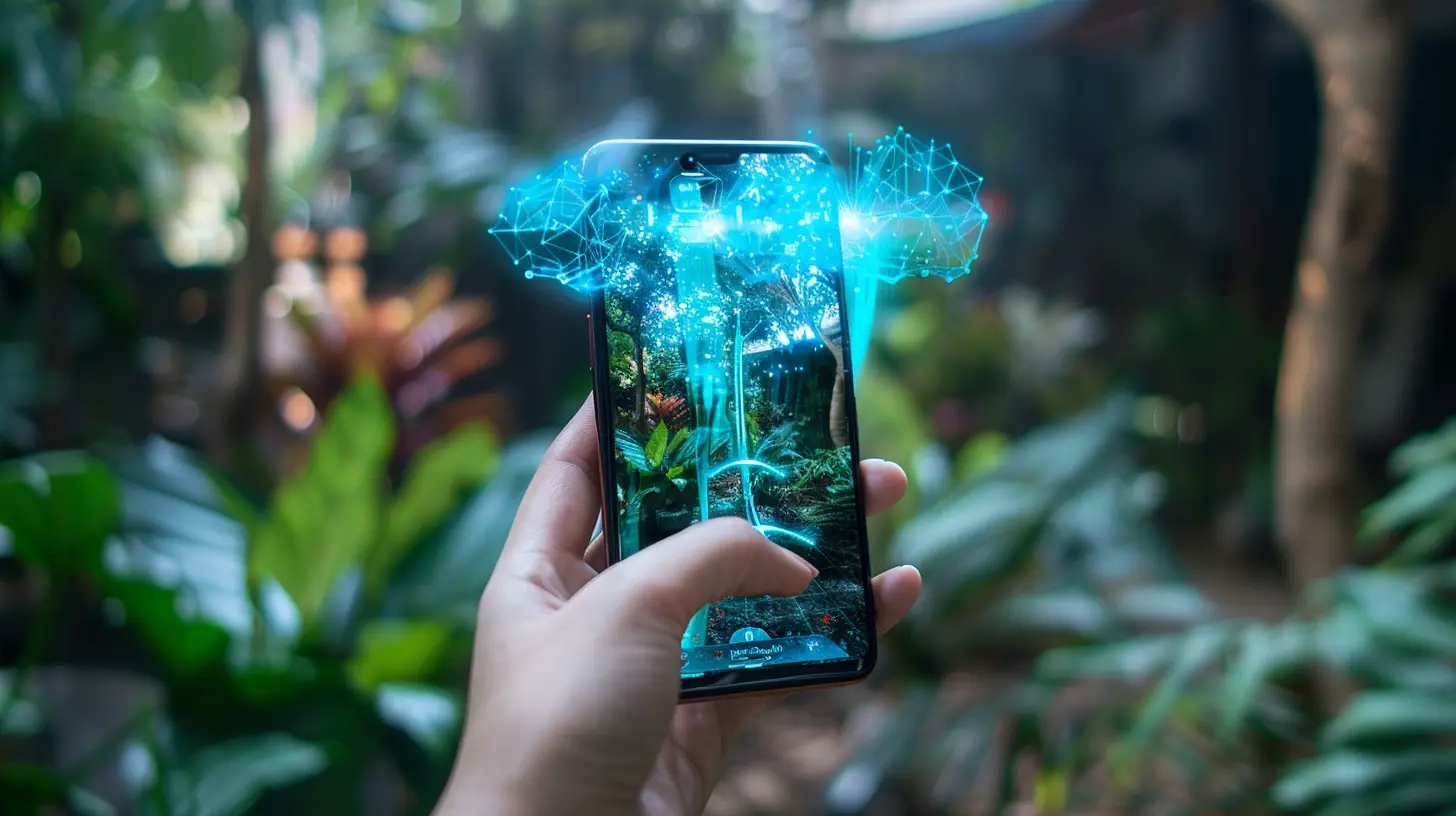
What Exactly Are Augmented Reality Games?
Before we break down the addiction, let’s clear up what AR games actually are. AR games mix virtual elements with the real world. Unlike virtual reality (VR), which drops you into a completely different universe, AR layers digital characters, objects, and info over your actual surroundings—usually through your phone camera or smart glasses.Think of AR as the tech world’s version of adding toppings to a pizza. You’ve already got your base (the real world), but the game adds that spicy pepperoni or gooey cheese—something extra that makes the experience way more flavorful.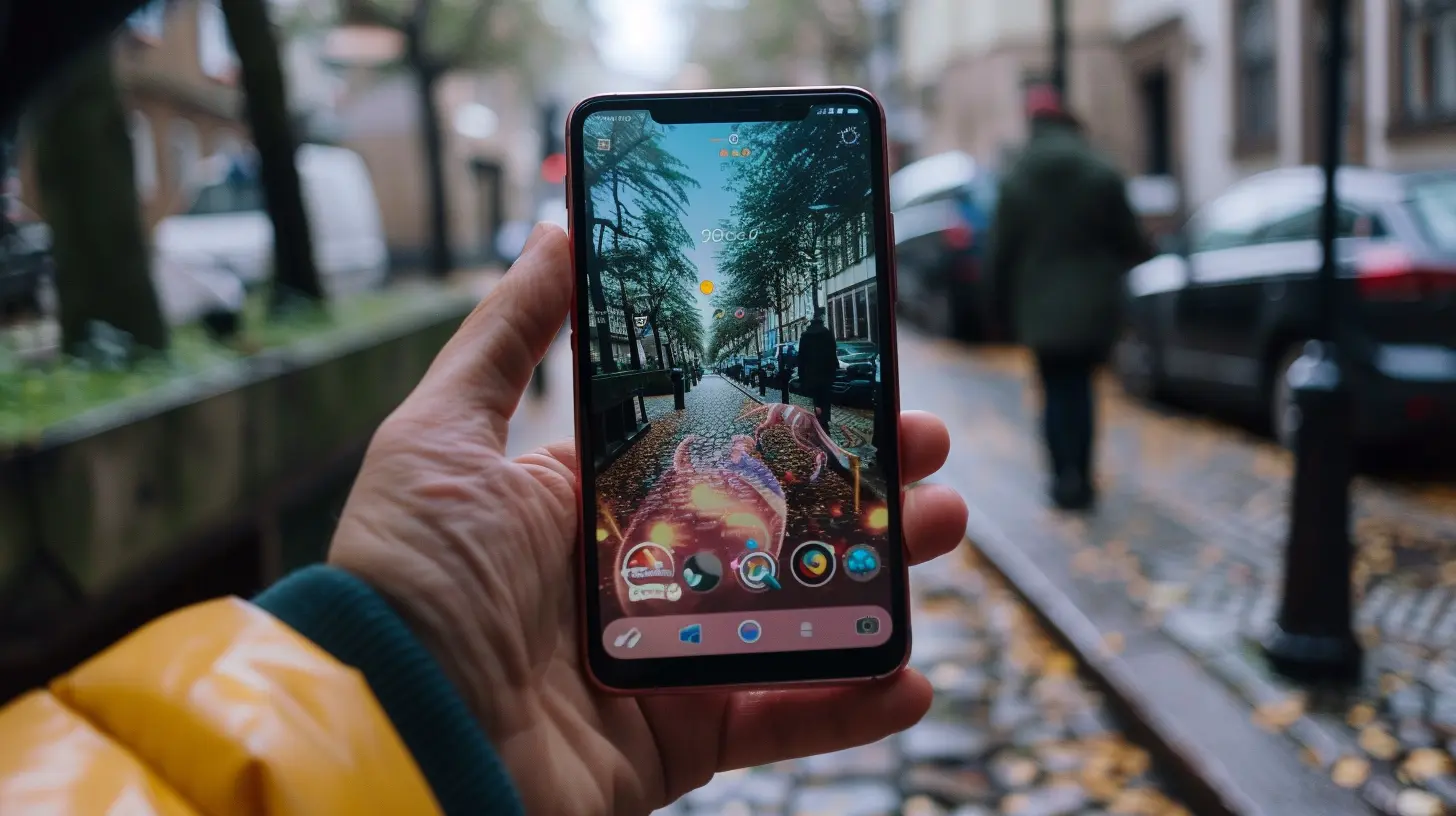
The Power of Blending Real With Virtual
One major reason AR games are so addictive? They make our world a playground. When what you're seeing on your phone screen lines up perfectly with your real surroundings, it feels magical. That tree outside isn’t just a tree anymore—it’s a hideout for a rare creature or a secret item drop.This blending of realities tricks our brain just enough to keep us curious. It’s like playing make-believe, but with way cooler graphics and actual rewards. The real world becomes a canvas—and AR games are the paint.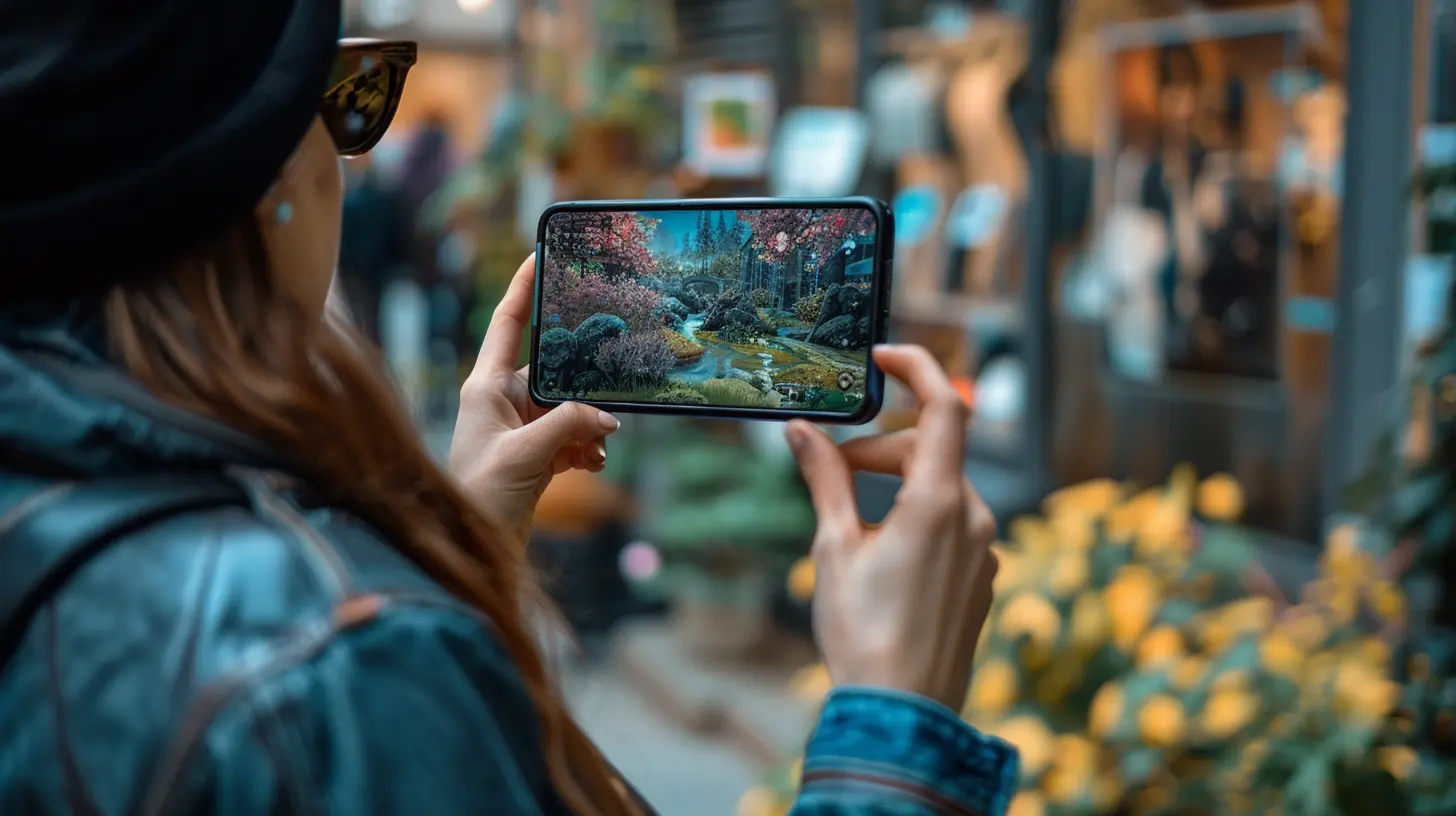
The Thrill of Exploration (And Let's Be Honest, FOMO)
You know that rush when you stumble upon a rare item or character in a game? Now imagine that happening on your morning walk. AR games push us to get outside, move around, and discover new places. It's exploration with a purpose.But here's the kicker—these games often use time-limited events, special locations, and rare spawns to keep you on your toes. And boom—there’s the Fear of Missing Out (FOMO). You tell yourself, “I’ll just check in for five minutes,” and guess what? An hour later, you’re still chasing that elusive in-game reward.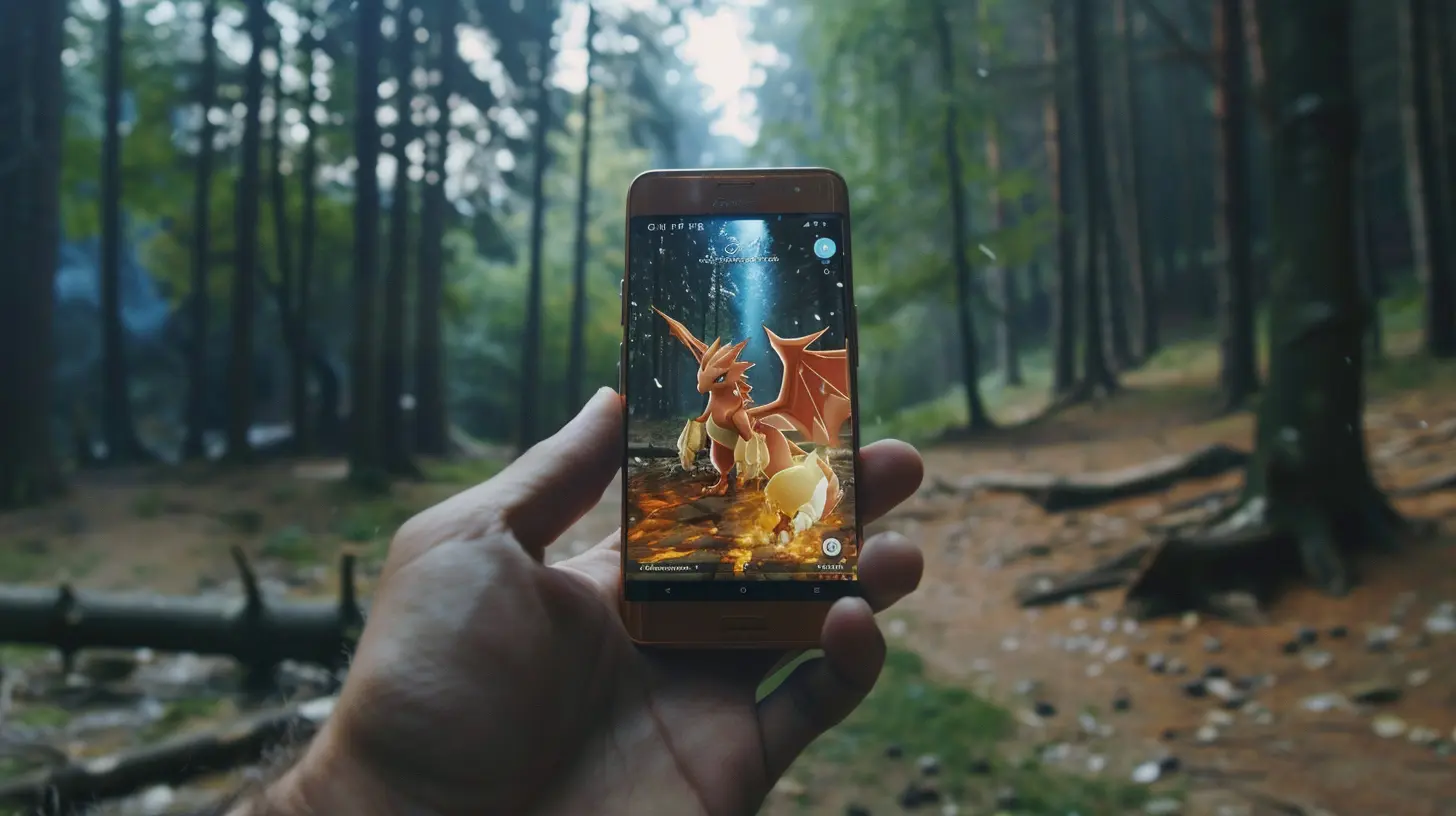
Real-World Social Interaction (Without the Awkward Small Talk)
Unlike many traditional games where players sit solo, AR games often encourage interaction with real people. You’ll see other players at the same location-based events or chasing the same digital dragon in the park.Suddenly, you're bonding with strangers over rare gear or teaming up to defeat a boss. It turns gaming into a social experience—without forcing you to sit through a boring chat or a forced Zoom call.
Remember Pokémon GO?
Back in 2016, people were literally flooding parks, malls, and even graveyards playing Pokémon GO. That wasn’t just a fad—it was a glimpse into how social AR gaming could be. People that had never gamed before were suddenly obsessed. Grandmas were catching Pokémon. Kids were walking instead of gaming on the couch. It was a cultural moment—and it’s still going strong.Dopamine: That Tricky Little Chemical
Let’s not ignore the brain chemistry. Like all addictive games, AR ones give us that sweet dopamine kick. You complete a mission, catch a rare creature, or level up—it feels good.But AR games take it a step further. Since the rewards often require real-world movement, they make the dopamine hit feel “earned.” That sense of accomplishment? Way higher than sitting in front of a screen and pressing buttons.
It’s a bit like fitness trackers that cheer when you hit 10,000 steps. Sure, it’s just a number, but your brain treats it like a gold medal. AR games do the same—gamifying life itself.
Customization & Identity: Be Who You Want To Be
AR games often let you build an avatar, design your gear, and choose your own path. You can become a heroic wizard, a futuristic hacker, or a monster-catching master—all while still waiting in line at the grocery store.This level of personalization draws us in. We get to create a version of ourselves we actually want to be. And once you’ve built this badass digital identity, you’re not logging off anytime soon.
Constant Updates Keep Things Fresh
There’s no end in sight with many AR games. Developers are constantly rolling out updates, events, and new features. And that’s by design.These updates not only fix bugs or improve the UI—they keep the game loop interesting. When there’s always something new to look forward to, our brains treat the game like an ever-evolving puzzle we have to keep solving.
In other words, every update feels like a new adventure. And who doesn’t crave a good story?
It Taps Into Our Competitive Side
Leaderboards. Achievements. Rare collectables. Sound familiar?AR games feed our need to compete—not just against the game but against others around us. And here’s the twist: You’re often competing in real-world locations. So your neighborhood, your favorite coffee shop, or your local park becomes a mini battleground.
You’re not just playing a game. You’re dominating your turf.
Fitness Disguised As Fun
Let’s be real—working out isn’t always fun. But if you dress it up as a game? Suddenly, it’s not so bad.AR games often require movement. Walking, running, biking—even jumping in some cases. It's exercise wrapped in entertainment. You’re not going for a jog; you’re chasing down a rare monster or unlocking a hidden mission spot.
And before you know it, you’ve walked six miles. Bravo, gamer.
They Make You The Hero Of Your World
Traditional video games drop you into someone else's universe. AR games, though? They drop the universe into yours.You're not a passive spectator; you're the main character in your own epic. And that’s powerful. People love stories where they get to be the hero—and AR games tell those stories in your very own neighborhood.
The 'Just One More' Effect
You know the feeling. You’re about to put the game down, and then ding!—a notification says there’s a new creature nearby. Just one more mission. One more item. One more check-in.This loop is beautifully designed. AR games use real-world time and location mechanics to dish out rewards at just the right moment. It’s the digital equivalent of laying out breadcrumbs—each one leading you deeper into the game.
They’re Just…Fun
Let’s not overthink it. AR games are a blast. They’re quirky, creative, entertaining, and unlike anything we’ve seen before.Whether you love collecting, exploring, battling, or just looking for a reason to get outside, there’s something for everyone. And that diversity of gameplay styles? That’s another reason people keep coming back.
The Future of AR Games: Even More Immersive (And Even More Addictive?)
As tech evolves, so will AR games. Think smart glasses, AR contact lenses, and mixed-reality wearables. Imagine seeing game characters interact with your real-world environment without even needing to take out your phone.With AI and 5G enhancing responsiveness and personalization, AR will blur the lines between gaming and living even more. And let’s be honest—the more immersive it becomes, the harder it’ll be to walk away.
Final Thoughts
So, what makes augmented reality games so addictive? It’s the brilliant cocktail of real and digital, the constant stream of novelty, the social rewards, and the sweet, sweet dopamine.But more than that, AR games let us live out fantasies in the real world. They turn your street into a battlefield, your gym into a quest zone, and your routine trip to the store into an adventure.
And that? That’s pretty dang magical.
So next time you find yourself circling the same park for the third time, phone in hand—don’t feel too bad. You’re not just playing a game. You’re living one.
all images in this post were generated using AI tools
Category:
Augmented Reality GamesAuthor:

Jack McKinstry
Discussion
rate this article
1 comments
Lorelei Willis
Augmented reality games are like virtual snacks-they keep you munching on fun while making you forget about real-world responsibilities. Who needs chores, anyway?
August 16, 2026 at 4:49 PM
Jack McKinstry
That's a clever analogy! Augmented reality games really do offer a fun escape, but it's important to find balance and not let them overshadow our daily responsibilities.