Designing Loot Systems That Reward Without Overwhelming
8 August 2026
When it comes to game design, few things get players more excited than loot. Whether it’s opening a treasure chest, looting a fallen enemy, or getting that sweet drop after a tough raid, loot systems are the beating heart of many games. But here’s the kicker—loot can also become a burden.
You’ve been there, right? Backpack overflowing, inventory stress kicking in, sorting through 15 pairs of “Legendary” boots, and wondering why half of them look exactly the same. ? That’s the fine line game designers walk. Give too little loot, and players feel unrewarded. Give too much, and suddenly they’re more focused on inventory management than actually playing the game.
So, how do you strike the balance? Let’s dig into the art and science of designing loot systems that reward without overwhelming.
Why Loot Matters More Than You Think
Loot isn’t just about shiny items—it’s about psychology. It taps into the same parts of our brain that get excited when we win a scratch-off ticket or find money on the street. There's a deep satisfaction in getting something unexpected, especially if it’s useful or rare.Good loot can:
- Increase game retention
- Enhance player progression
- Encourage exploration
- Spark community discussions
- Drive monetization (especially in free-to-play models)
But bad loot? That can tank your game’s momentum faster than you can say “inventory full.”
The Loot Overload Problem
Let’s get real—many games fall into the trap of loot overload. They throw everything and the kitchen sink at players, thinking more items equals more fun. But that’s not always the case.Here’s what happens when loot systems go overboard:
1. Choice Paralysis
Ever stood in front of an NPC vendor with ten swords that all have slightly different stats? The more options you have, the harder it becomes to choose. That’s called decision fatigue.2. Inventory Clutter
A bloated inventory can make players feel disorganized. They spend more time sorting, selling, and scrapping than actually playing. That breaks immersion. Nobody booted up your fantasy RPG to become a part-time blacksmith.3. Devaluation of Loot
If everything is “rare,” nothing feels special. When legendary items drop every five minutes, they lose their magic. The excitement fades, and loot becomes just another number.
The Core Pillars of a Balanced Loot System
Alright, now that we know the pitfalls, how do we fix them? A solid loot system is built on a few key principles. You don’t need to reinvent the wheel, but you do need to craft it carefully.1. Purpose-Driven Loot
Every item should have a purpose. Whether it's upgrading a skill, filling a gear slot, or opening new gameplay mechanics—loot needs to feel meaningful. If an item doesn’t change how the player plays or thinks about the game, it probably doesn’t need to exist.2. Controlled Randomness
Yes, randomness is fun. That’s where the excitement comes from. But too much randomness creates frustration. Think about the RNG (random number generator) in loot drops. A little unpredictability is thrilling—but if someone grinds for hours without progress, rage quits lurk around the corner.A better system? Weighted RNG or pity timers. These mechanics give players assurance that effort will eventually pay off.
3. Tiered Rarity With Real Depth
Color-coded rarities (hello green-blue-purple-orange!) are helpful, but they’re just the surface. The difference between a rare and epic item shouldn’t be just a few stat points. Give items unique abilities, playstyle changes, or lore connections that make them memorable.4. Smart Filtering & Auto-Sorting
If your loot system gives players a waterfall of items, at least give them an umbrella. Features like auto-dismantle, smart filtering, and “mark as junk” save time and sanity. Don’t make players do the heavy lifting.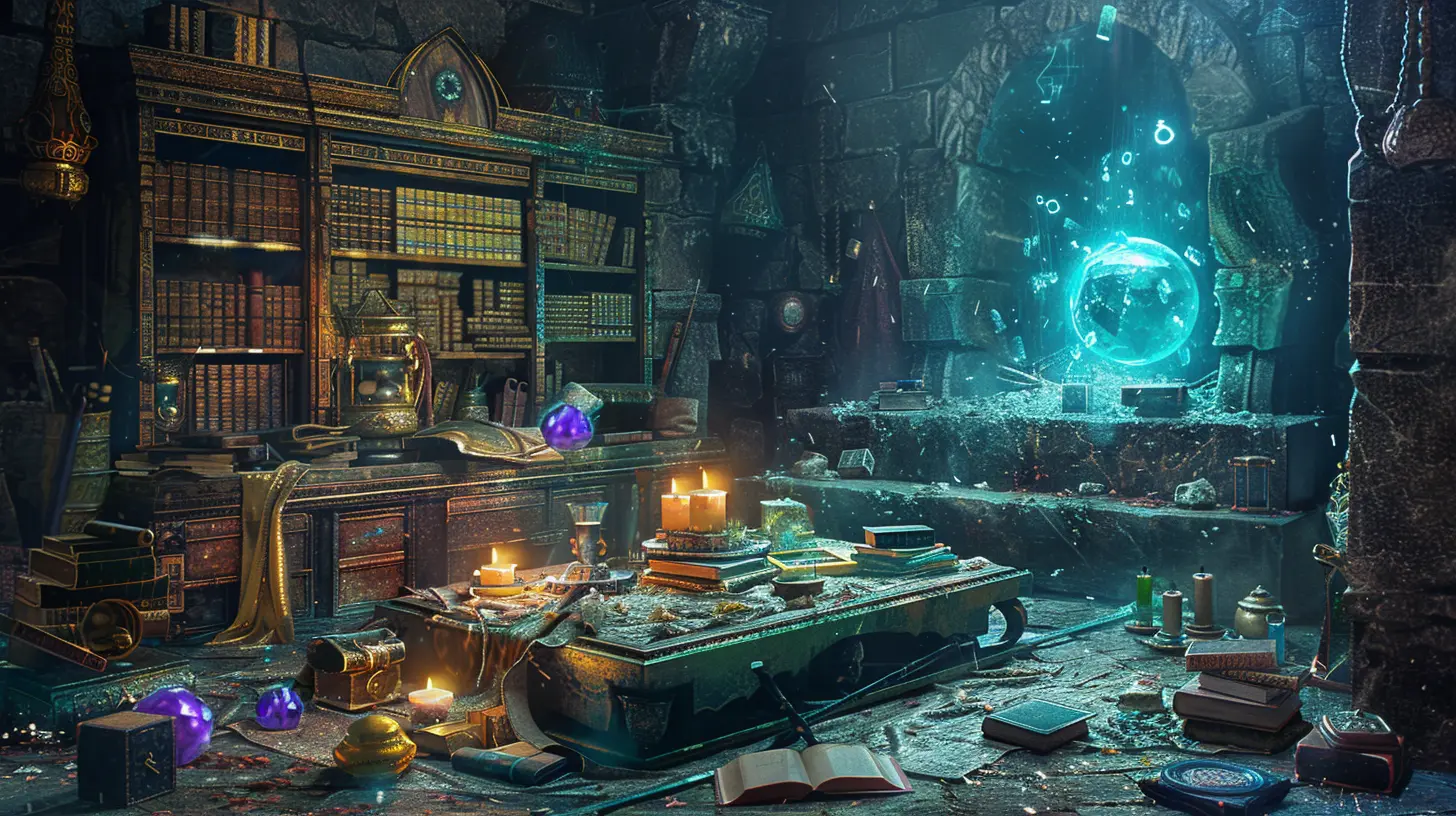
Personalization Is Key
Let’s talk about player agency. Not everyone loves the same kind of loot. Some players want cosmetic upgrades. Others chase stat boosts. Some want lore-rich collectibles. One-size-fits-all loot systems don’t cut it anymore.Player-Targeted Loot
Let players choose their rewards. Maybe after a quest, they pick between three items tailored to their class or build. That gives them control and avoids the disappointment of rewards that don’t fit their needs.Dynamic Loot Scaling
If you're designing for multiplayer or multi-role games, scale loot appropriately. A healer getting a tank weapon feels like a slap in the face. Solutions? Class-specific drops, or loot that adapts to the player's current build.The Role of Loot in Player Progression
Loot and progression go hand-in-hand. Think of it like seasoning in food—just enough spices, and it brings out flavor. Too much, and you’ve ruined the dish.Progression Milestones, Not Constant Drips
Instead of constant micro-rewards, try to tie loot to key achievements. End of dungeon? Big loot drop. Boss defeated? Epic reward. This makes loot feel earned, not spammed.Upgradable Loot
Give players tools to enhance loot over time. Let them invest in their favorite gear. Maybe an axe they got at level 10 still rocks at level 50 because they upgraded it and added fire damage along the way. This builds attachment and reduces throwaway items.Integrating Loot with Story and Worldbuilding
Want to make loot more immersive? Weave it into your game’s lore.Named Items
A sword called “Blade of the Fallen King” with a tragic backstory is cooler than “Sword +5.” Give items personality. Let players remember not just what it does, but where they found it and why it mattered.Environmental Clues
Place loot in intelligent locations. Ancient ruins with ancient relics? Makes sense. Goblins carrying laser rifles? Maybe not. Consistency matters.Minimalism in Loot Design
Sometimes, less really is more. When in doubt, strip it down.Quality Over Quantity
Cut redundant loot. Instead of a hundred nearly identical daggers, offer two or three with distinct playstyles. It’s better to have fewer, more impactful choices than dozens of meaningless ones.Visual Clarity
Use clean UI and consistent iconography. Make it obvious which loot is more powerful at a glance. Players shouldn’t need to dig through menus to understand what they just picked up.Loot Systems in Popular Games (And What We Can Learn)
Let’s take a quick look at how some top games nail (or fail) their loot systems:Diablo Series
Blizzard’s Diablo games are a master class in loot drop excitement. They’ve kept players hooked for decades by offering loot rainbows that still feel rewarding. But even Diablo struggled with item bloat in earlier versions, leading to revamps in later updates.Lesson: Exciting loot needs built-in systems to filter and highlight what matters.
Destiny 2
Destiny mixes shooter action with an MMO-inspired loot grind. It offers a range of gear customization, exotic weapons, and seasonal loot changes. Still, it sometimes catches flak for over-reliance on RNG and inventory bloat.Lesson: Variety is great, but players need better control over what they get.
Borderlands
Borderlands takes loot overload and makes it the whole joke. With “a bazillion guns,” it leans into absurdity. But even that franchise had to implement favorite markings and auto-sell features just to help players manage the chaos.Lesson: If you flood the player with loot, make sure they’ve got a good mop.
Final Thoughts: Creating Joy, Not Frustration
At the end of the day, loot should feel like a reward, not a chore. When players open a chest or defeat a boss, there should be that little rush—the sparkle in the eye, the pause before pressing “inspect.”Designing a great loot system is a balancing act. You need excitement, but with restraint. You need variety, but with clarity. And most of all, you need to respect the player’s time and attention.
So next time you’re crafting your game world, ask yourself: Is this loot system giving players joy—or giving them homework?
all images in this post were generated using AI tools
Category:
Game Content CreationAuthor:

Jack McKinstry
Discussion
rate this article
1 comments
Astralis Blair
Great points on balancing loot systems. Finding that sweet spot where players feel rewarded but not overloaded is key. Well-designed rewards can enhance the experience without causing frustration or confusion.
August 11, 2026 at 4:10 PM
Jack McKinstry
Thanks for your insights! Striking that balance is crucial for a satisfying gaming experience. Glad you found the points helpful.