Exploring the Psychology Behind Augmented Reality Game Design
6 May 2026
Augmented Reality (AR) games aren't just cool—they're changing the way we experience the world around us. Whether you're chasing digital monsters down your local street or battling virtual zombies in your living room, AR games blur the lines between the real world and digital one. But have you ever wondered how designers manage to make these experiences so compelling?
It’s not just about flashy graphics or gimmicks—there’s a deep psychological game being played behind the scenes. So, buckle up. In this post, we’re diving deep into the psychology behind augmented reality game design, and trust me, it’s more fascinating than you might think.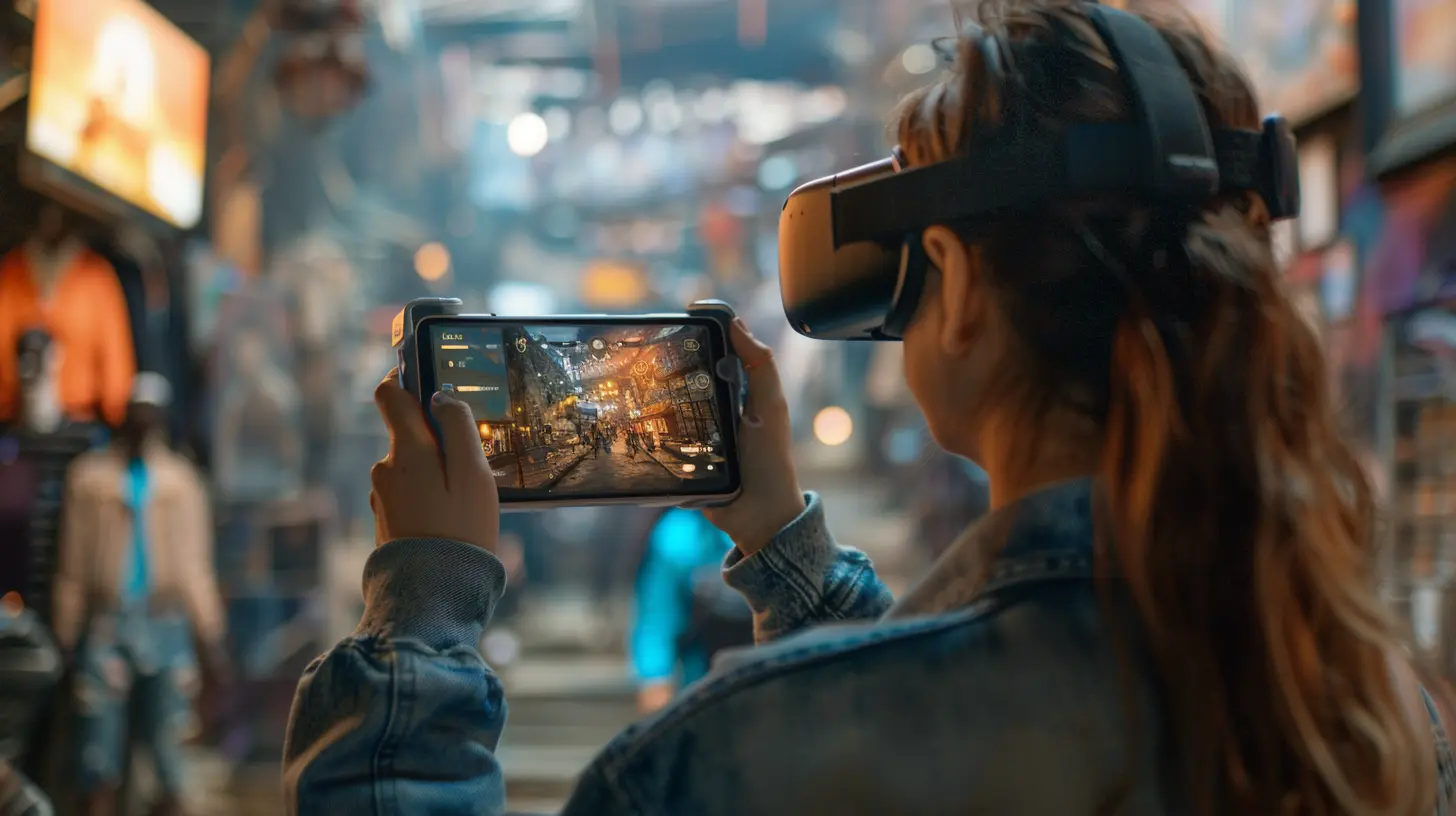
What Makes AR Games So Irresistible?
Let’s start with the obvious: AR games are insanely engaging. But why? A big part of it lies in how our brains react to interactive environments.1. Presence & Immersion: Feeling "In the Game"
Your brain loves immersion. When AR games overlay digital elements onto your physical environment, they create a unique sense of “presence.” It’s like you’re both in your world and another at the same time.Think about Pokémon GO. You’re not just watching the game—you’re IN it. That little Pikachu on your sidewalk? It feels like it’s really there. Your brain processes it as part of the environment, even if your logical mind knows it’s virtual. That trick of the mind makes it all the more addictive.
2. Psychological Ownership: It’s Mine!
Here’s a fun fact—our brains are wired to feel ownership of things we interact with physically. Even if those things aren’t real.When a game places a virtual object in your room—say, a treasure chest—it feels more personal. You walked there. You opened it. It was in your space. Even though it’s code, your brain treats it like your own. This psychological ownership increases emotional investment, making players more engaged and more likely to come back.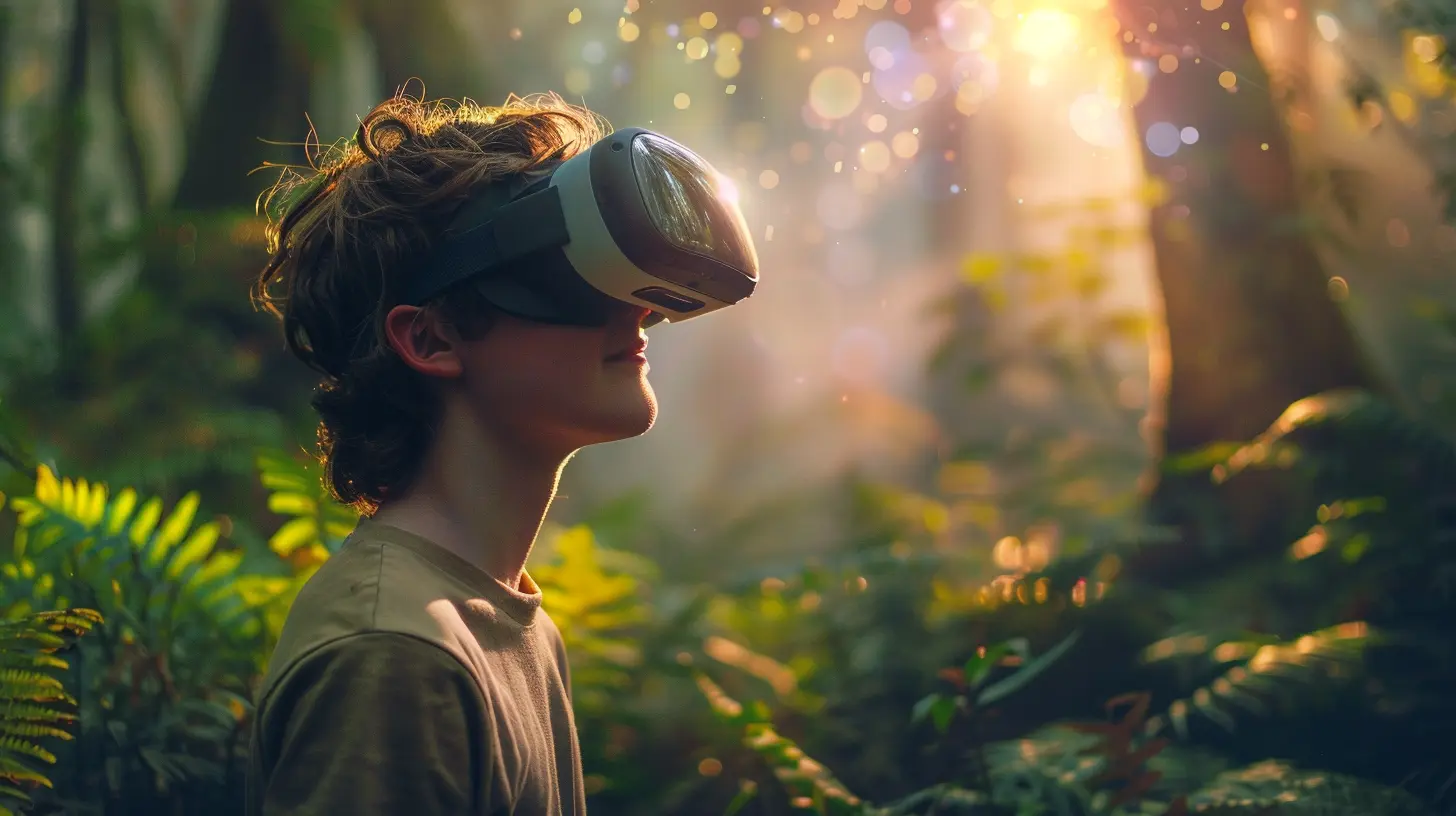
The Power of Real-World Integration
Here’s the magic of AR: It blends gameplay with everyday life. And that’s a total game-changer (pun absolutely intended).3. Contextual Gameplay: The World Is Your Playground
Instead of playing on a screen, you’re playing in your neighborhood, your home, your office. That adds a whole new layer of realism. You’re not just guiding a character—you’re the character.And when real-world locations become integral to gameplay, everything feels more meaningful. Going to a park to find a rare AR creature? It’s not just exercise—it’s an adventure.
4. Social Psychology: Gaming Without the Couch
AR games often encourage players to get outside, meet others, and collaborate in real-time. That’s not just fun—it’s social engineering at its finest.Humans are social creatures. When AR games add multiplayer elements—group raids, trading, team-based play—it taps into our need for belonging. And let’s be real: we all love feeling like part of a tribe.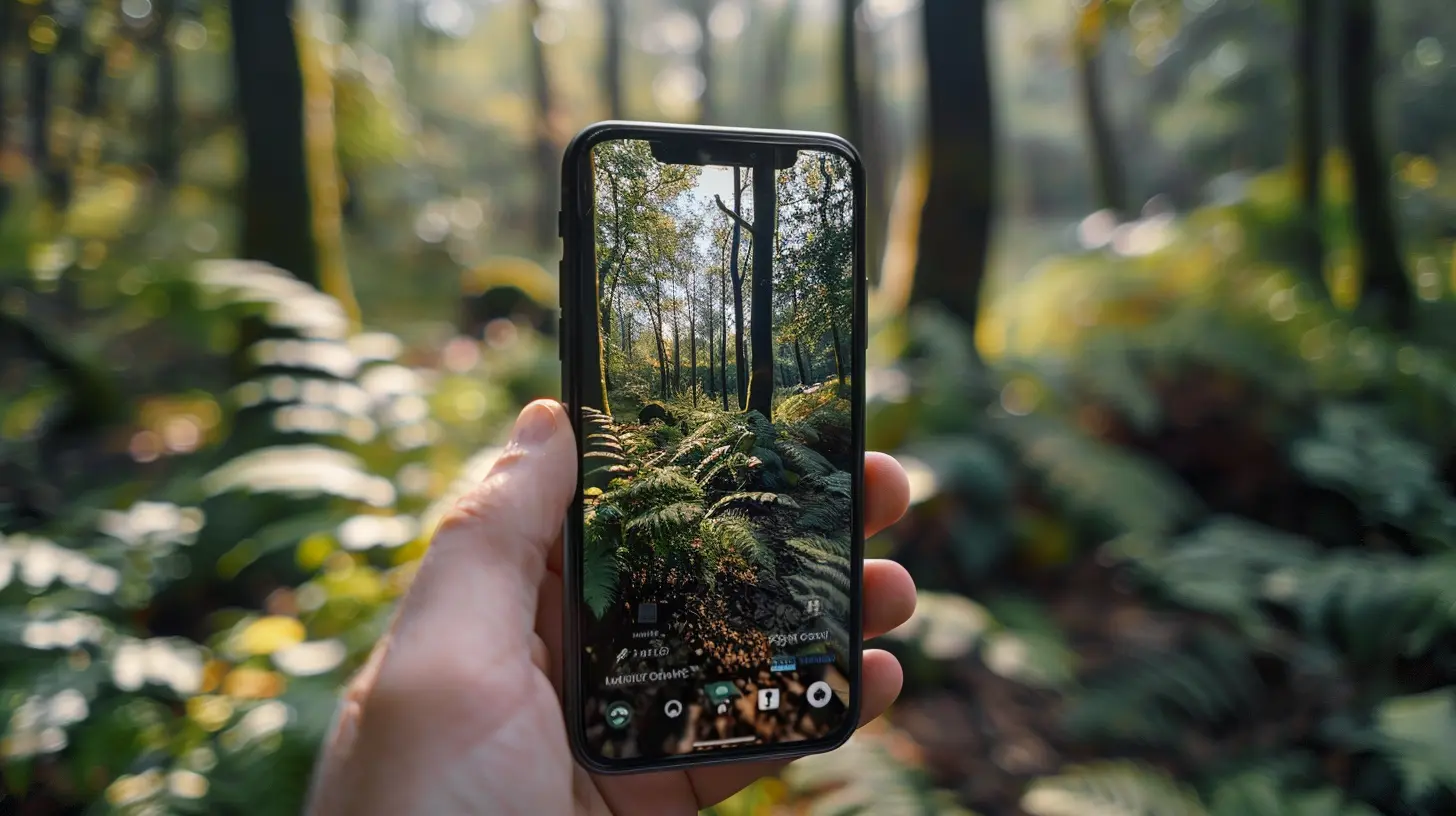
Gamification Meets Cognitive Psychology
Designing AR games isn’t just art—it’s science. Game designers rely heavily on cognitive psychology to shape behavior and keep you coming back for more.5. Variable Rewards: The Slot Machine Effect
Ever open a mystery box in a game and score something amazing? That dopamine rush? Yeah, it’s real.AR games often use variable rewards, meaning you never quite know what you’ll get. Sometimes, it’s common loot. Other times, a rare gem. This unpredictability keeps players hooked—kinda like a slot machine in your pocket.
6. Feedback Loops: Your Brain on Progress
Every time you complete a challenge, level up, or achieve something, your brain gets a hit of dopamine. AR games exploit this by creating tight feedback loops. The payoff is immediate. You act, something happens. That loop triggers a sense of accomplishment that keeps you playing.
The Role of Spatial Awareness and Navigation
Spatial thinking is one of the coolest parts of AR game design. It’s not just about “where” things are—it’s about how your brain maps and interacts with that space.7. Cognitive Mapping: Your Brain as a GPS
When you move around in AR games, your brain builds a mental map of the digital and physical world combined. This mapping process strengthens memory and spatial awareness.It’s kind of like when you’re learning your way around a new mall. The more you walk it, the better you understand where things are. AR games leverage that same process, helping you “learn” the game world as if it were real.
8. Embodied Cognition: Moving Matters
AR games often require you to physically move—walk, turn, aim your phone, or interact with objects. This isn’t just immersive; it activates something called embodied cognition.In short: moving your body while solving problems or engaging with content helps your brain understand and retain it better. So yeah, playing AR games might actually be giving your brain a mild workout.
Narrative Matters: Storytelling in AR
Now let's talk story. You might think AR games are all about action, but narrative plays a key psychological role too.9. Story Anchoring: Emotional Triggers
A strong story provides a reason for gameplay. It gives context to your actions and pulls at your emotional strings.Even in a game as simple as looking for monsters, adding a plot (“these creatures need your help!”) can twist your motivation from “I want to win” to “I need to protect them.” That emotional connection sticks—and it makes the experience more memorable.
10. Interactive Storytelling: You Drive the Plot
AR allows for dynamic stories that unfold based on how and where you play. This type of interactive storytelling is powerful because you feel like you’re influencing the narrative.It’s not just a story happening to you—it’s one happening because of you. That kind of agency is incredibly satisfying.
Flow State and Time Perception
Ever get so sucked into a game you lost track of time? That’s not an accident—it’s by design.11. Flow Theory: The Sweet Spot of Engagement
AR game designers aim to put players in a state known as “flow.” This is when you’re so focused and engaged that everything else fades away.To achieve flow, games must strike a balance: not too hard, not too easy. Challenges should match skill levels perfectly, keeping you on the edge of your seat but never frustrated.
12. Time Dilation: Losing Hours in Minutes
When you're fully immersed, time perception gets skewed. You might think you’ve been playing for five minutes when an hour has passed. That time distortion? It’s a hallmark of a well-designed AR experience.It's kind of like going down a rabbit hole on YouTube—except you're outside, moving, interacting, and feeling like a digital superhero.
The Ethical Side of AR Game Design
Alright, time for a reality check. With great power comes great responsibility, right?13. Behavioral Manipulation: Where’s the Line?
Using psychological principles to keep players engaged is smart design. But it can cross a line into manipulation.For example, when games encourage excessive screen time, or nudges players to spend real money through FOMO (fear of missing out), we’re entering murky territory. Designers need to consider mental health and ethical boundaries.
14. Data and Privacy: You Are the Product
AR games often collect location data, movement patterns—even social interaction metrics. This treasure trove of data can improve gameplay. But it also raises serious privacy concerns.The psychology behind AR game design isn’t just about engagement—it’s also about consent, transparency, and protecting user data.
The Future of AR Games and Psychology
Looking ahead, the bond between psychology and AR game design is only going to grow stronger. As tech improves, we’re going to see even more personalized experiences, richer worlds, and deeper emotional engagement.Imagine AR games that adapt based on your mood. Or challenges that change depending on your behavior. With AI and biofeedback tech entering the scene, we’re marching into a future where games not only respond to what you do—but how you feel.
Creepy? Maybe. Cool? Definitely.
Final Thoughts
So, what’s really going on behind the scenes of your favorite AR games? A lot more than you thought, right?From manipulating your sense of space and time, to tapping into deep-rooted psychological needs for reward, ownership, and social connection, AR games are expertly designed to feel real, relevant, and irresistibly fun.
Next time you fire up an AR game, take a moment to appreciate the psychological craftsmanship behind it. It’s not just play—it’s a psychological puzzle designed to pull you in, push your buttons, and keep you coming back for more.
And honestly? That’s kind of genius.
all images in this post were generated using AI tools
Category:
Augmented Reality GamesAuthor:

Jack McKinstry
Discussion
rate this article
2 comments
Scarlett Abbott
Augmented reality game design is like a magician's trick - it pulls players in and makes them believe they're living in a video game.
June 28, 2026 at 4:47 AM
Jack McKinstry
That's a great comparison! Augmented reality truly blurs the lines between the real and virtual, creating immersive experiences that captivate players.
Victor Lambert
The article touches on a crucial aspect of game design. Understanding psychological triggers can enhance player engagement, but over-reliance on them risks undermining genuine player experiences.
May 7, 2026 at 2:41 PM
Jack McKinstry
Thanks for your insights! Balancing psychological triggers with authentic experiences is key for creating engaging augmented reality games. Your point is spot on.