How Indie Developers Are Pushing the Boundaries of AR Games
20 April 2026
Augmented Reality (AR) gaming has absolutely exploded in recent years. I mean, think back to 2016 when Pokémon GO had people wandering the streets, parks, and neighborhoods, heads down, trying to snag a rare Charizard. That moment felt like the beginning of something much bigger—and it was.
Now, you might assume that only big gaming giants are fueling this AR frenzy. But here’s the plot twist: indie developers are actually the true MVPs driving innovation in the AR gaming scene. These small, scrappy teams are ditching the rulebook and crafting experiences that challenge what we thought AR games could be.
So, how are indie devs doing it? What makes them so special in this rapidly evolving space? Let’s break it down.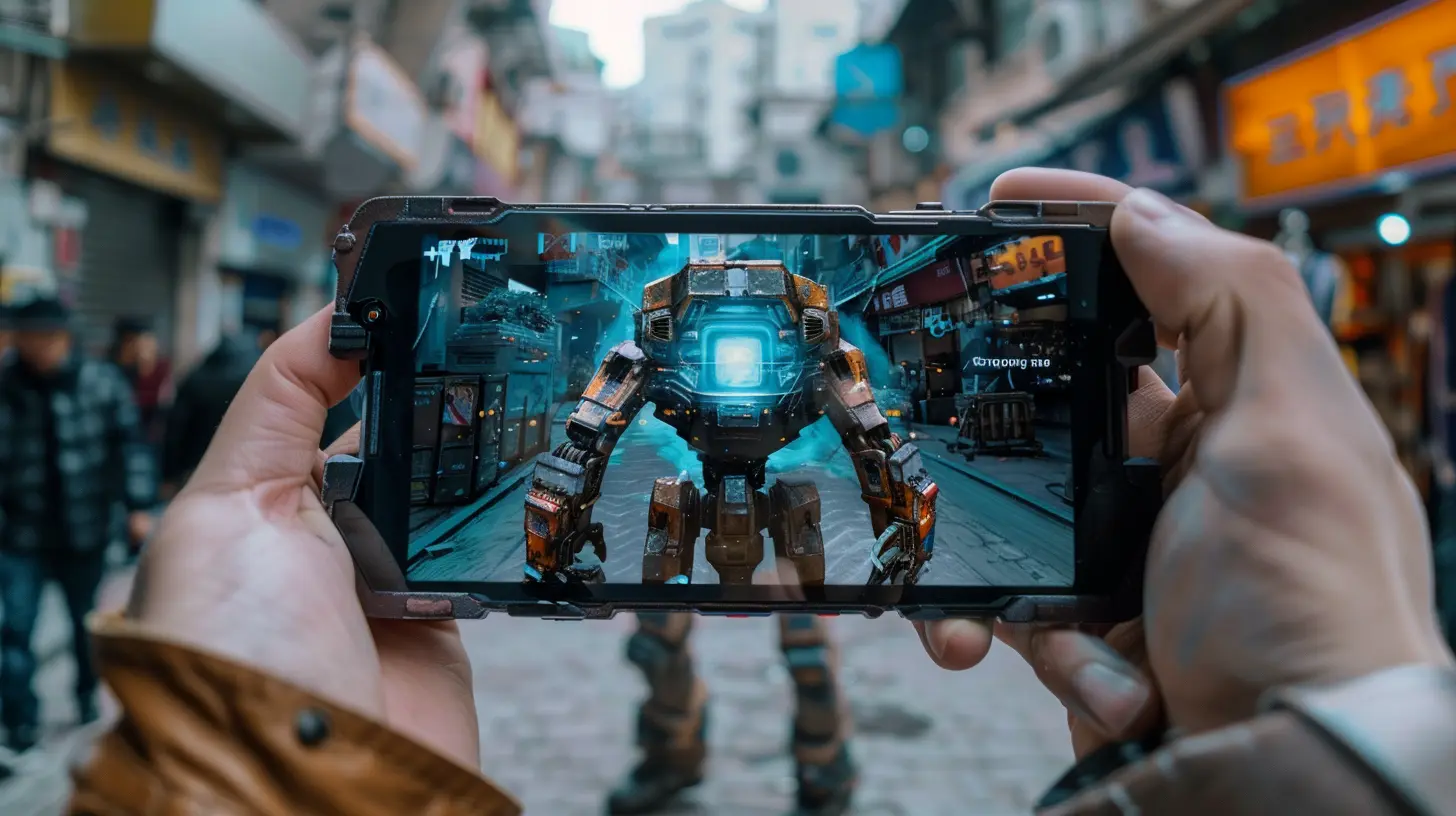
What Makes Indie Developers So Different?
Before diving into AR specifically, it’s worth asking—why do indie devs always seem to have a creative edge?Well, they’re not tied down by the expectations and structures that big studios have. They don’t have shareholders breathing down their necks, or massive overheads limiting experimentation. Instead, they’ve got passion, agility, and a burning desire to try new things.
Think of indie developers as the “garage bands” of the gaming world. Sure, they're not playing stadiums (yet), but they’re experimenting with new sounds, writing lyrics that hit deep, and performing to crowds willing to embrace something raw and different.
That same mentality applies to AR games.
The AR Space Is the Perfect Playground for Indie Devs
AR is this fascinating blend of digital and real-world environments. It’s still relatively young and unexplored. That’s why indie developers are drawn to it—they get to play in a sandbox that hasn’t been fully shaped yet.Here’s the thing: AR isn’t just about overlaying graphics on your camera feed anymore. It’s about reimagining the relationship between the player and their environment. And who better to tackle that challenge than independent creators who are not afraid to take risks?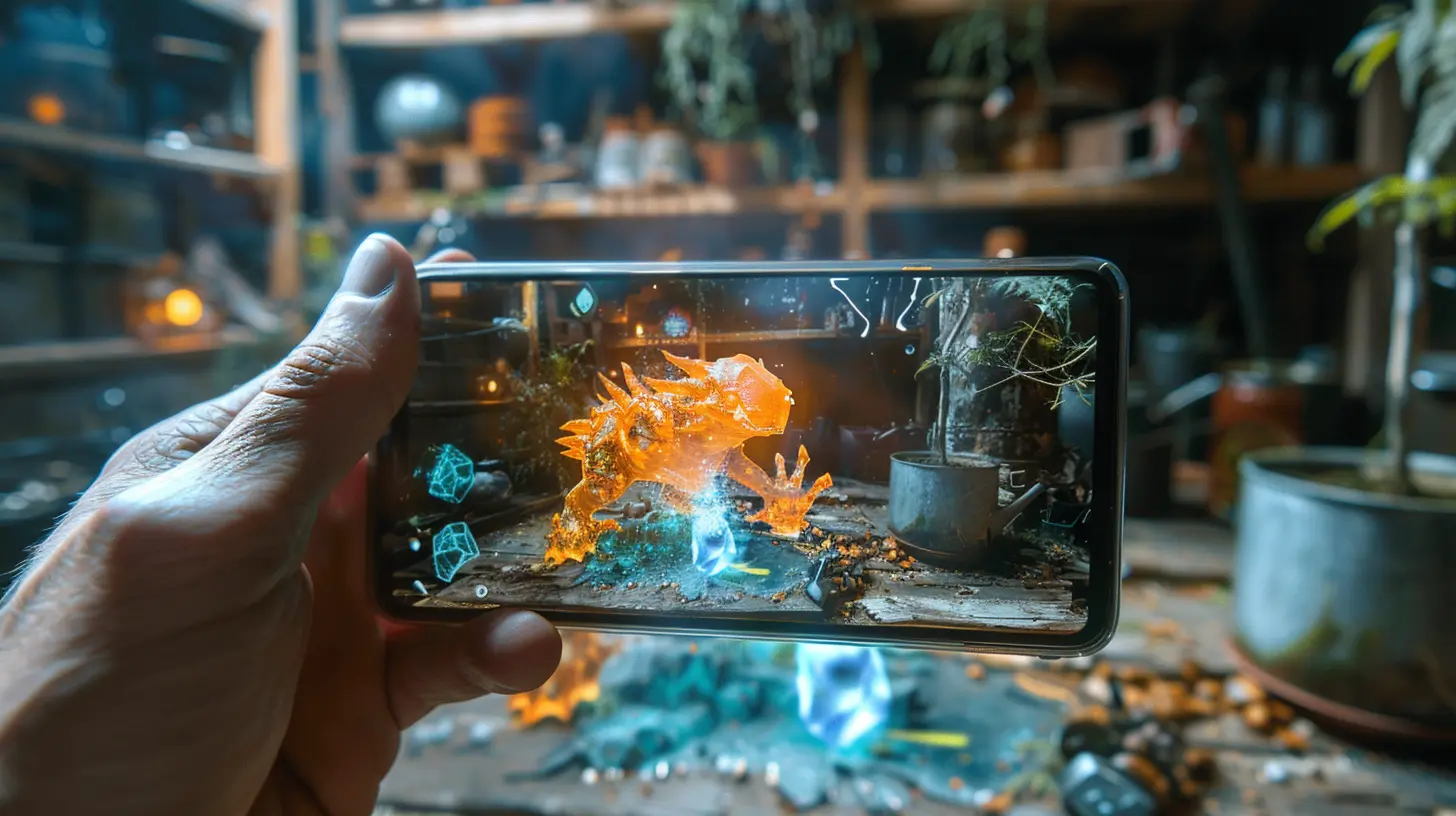
Creative Freedom Results in Unforgettable AR Experiences
Let’s look at how indie devs are revolutionizing AR gaming:1. Rewriting the Rules of Storytelling
Traditional games often follow a linear narrative—you start here, you go there, story unfolds along the way. But AR offers a whole new way to experience a story.Indie developers are crafting narratives that unfold based on where you are, what time it is, or even how you interact with your device in real-life contexts. For example, an indie AR narrative game might only progress when the sun sets or when you're standing near a local landmark.
It’s like the game is whispering, “Hey, you’ve gotta meet me halfway.” That level of immersion just isn’t common in mainstream AR titles.
2. Blurring the Line Between Game and Reality
One of the coolest things indie AR devs are doing is turning everyday places into game levels. Your kitchen becomes a battleground. Your commute becomes a quest.For example, indie studio SpecTrek turned exercising into a ghost-hunting AR game. Players actually have to jog outdoors to chase and capture ghosts in real-time using their phone's GPS. Imagine that: gaming and cardio in the same sentence—and it's shockingly fun.
This kind of wild creativity comes from developers who don’t follow trends—they create them.
3. Incorporating Local and Cultural Elements
Big studios often focus on a “one-size-fits-all” approach. Indie devs? Not so much. They’re crafting AR games that feel personal and rooted in local culture, history, and even folklore.We’ve seen AR games from indie devs in Europe and Asia that are deeply intertwined with regional stories, using local landmarks as crucial game elements. One example? ReBlink, an indie project from Toronto, used AR to bring classic paintings in art galleries to life with modern twists.
The result? Games that don’t just pass the time, but also teach, engage, and celebrate culture in a way that’s refreshingly grounded.
Why the Lack of Budget Actually Helps (Yeah, Really)
You’d think a smaller budget would be a disadvantage, right? But for indie devs, it’s often a blessing in disguise. Without millions to sink into high-end graphics or marketing, they’re forced to focus on gameplay, ideas, and innovation.It’s kind of like cooking with only five ingredients—you can’t mask a dish with fancy truffle oil or imported saffron. You need to make those five things work, and when you do, it’s magic.
The result? AR games that are often more engaging, more unique, and frankly, more fun than their big-budget counterparts.
Community-Driven Development = Better Games
Another way indie devs are flipping the script is by involving players early and often.Platforms like Kickstarter and Itch.io allow indie teams to fund and test AR game ideas directly with the public. So the people playing the games are also shaping them. That’s pretty powerful, right?
And when a dev listens to feedback, communities get stronger, and the end product is more polished and personalized. Unlike traditional studios that release updates every few months, indie devs can pivot quickly. They’re iterative, agile, and deeply in tune with their players.
The Role of Open Source Tools and Affordable Tech
Remember the days when AR development needed high-end gear and complicated setups? Not anymore. The rise of affordable AR platforms like Unity’s AR Foundation or Apple’s ARKit and Google’s ARCore has leveled the playing field.Now, all you need is a decent computer, a smartphone, and a killer idea.
Indie devs are embracing open-source tools and community assets to build stunning AR games without the need for massive investments. It’s all about working smarter, not richer.
Indie AR Games You Should Totally Check Out
Okay, enough theory—let’s talk games. Here are some standout indie AR experiences you might not have heard of, but totally should:- The Walking Dead: Our World (by Next Games) – While technically backed by a licensed brand, the studio embraces indie-like values with location-based AR gameplay that actually has depth.
- Reality Clash – A multiplayer shooting game where you literally walk around your city to battle other players. Think of it as Call of Duty meets Google Maps.
- Knightfall AR (by Milkroom Studios) – An AR strategy game that brings medieval warfare right to your tabletop or office desk.
- Egg, Inc. AR Mode – From indie studio Auxbrain, this allows you to manage a futuristic chicken farm in your living room. It’s weirder (and more addictive) than it sounds, trust me.
These games prove that you don’t need a Hollywood budget to make something people genuinely enjoy.
Challenges Indie AR Devs Still Face
Let’s not sugarcoat it—being an indie AR dev isn’t all sunshine and trending hashtags. There are real challenges too.- Discoverability: With so many apps flooding the market, getting noticed is tough.
- Hardware Limitations: Not every phone supports advanced AR features, making optimization tricky.
- Monetization: Creating great AR content costs time and energy. Figuring out how to make a living doing it? That’s a whole other game.
But despite these hurdles, indie devs push forward. Fueled not by profit, but by passion.
What’s Next? The Future of Indie AR Games
Honestly, the future looks bright.With the rise of wearable AR tech (hello, Apple Vision Pro and Meta’s AR glasses), indie devs are already dreaming up ways to integrate games into our daily routines even more seamlessly. Imagine brushing your teeth while zombies appear behind you, or doing yoga while earning XP in a fantasy AR world.
Soon, we’ll see more cross-platform AR games, blending AR with VR, or even linking AR scenes between phones in new ways. Multiplayer AR isn’t the distant dream it once was—it’s around the corner.
And you better believe indie developers will be the first to cross that corner.
Final Thoughts
Indie developers are doing for AR what they’ve done for gaming in general—making it weird, bold, personal, and deeply creative. They’re not just asking, “How can we make an AR version of this?” but rather, “What does AR let us do that nothing else can?”These passionate creators are turning the world into a playground, blending tech and imagination in ways that feel fresh and inspiring. So the next time you're browsing the app store or scrolling through game reviews, give those lesser-known AR titles a chance—you might be playing the next big thing before it goes mainstream.
And hey, who doesn’t want to say, “I played it before it was cool”?
all images in this post were generated using AI tools
Category:
Augmented Reality GamesAuthor:

Jack McKinstry
Discussion
rate this article
2 comments
Annabelle Hunter
Love seeing indie devs innovate in AR! Their creativity is really pushing the boundaries and making gaming more exciting for everyone.
April 24, 2026 at 4:05 PM
Jack McKinstry
Absolutely! Indie devs are bringing fresh ideas to AR, making gaming an exhilarating experience. It's inspiring to see their creativity shine.
Aubrey Good
Indie developers are like the mad scientists of the gaming world, mixing potions of imagination and innovation! With AR games sprouting like enchanted mushrooms, they’re crafting magical experiences that make you question reality. Who knew a virtual cat on your couch could spark a philosophical debate about existence? Meow-velous!
April 23, 2026 at 5:04 AM
Jack McKinstry
Absolutely! Indie developers are redefining what's possible in AR, blending creativity and tech in ways that challenge our perceptions. It's amazing how a simple concept can lead to deep conversations about reality.