How Animated Game Trailers Are Becoming the New Standard
27 July 2026
Gaming has always been a spectacle. From pixelated pioneers to ultra-HD works of art, games evolve, and so does the way we experience them before release. Enter: animated game trailers—the explosive, visual rollercoasters that are shaking up the industry and becoming the go-to medium for game hype. But why are so many game developers jumping aboard the animation train? Let’s dive into the world of animated trailers and see why they’re not just eye candy—they’re strategic power moves.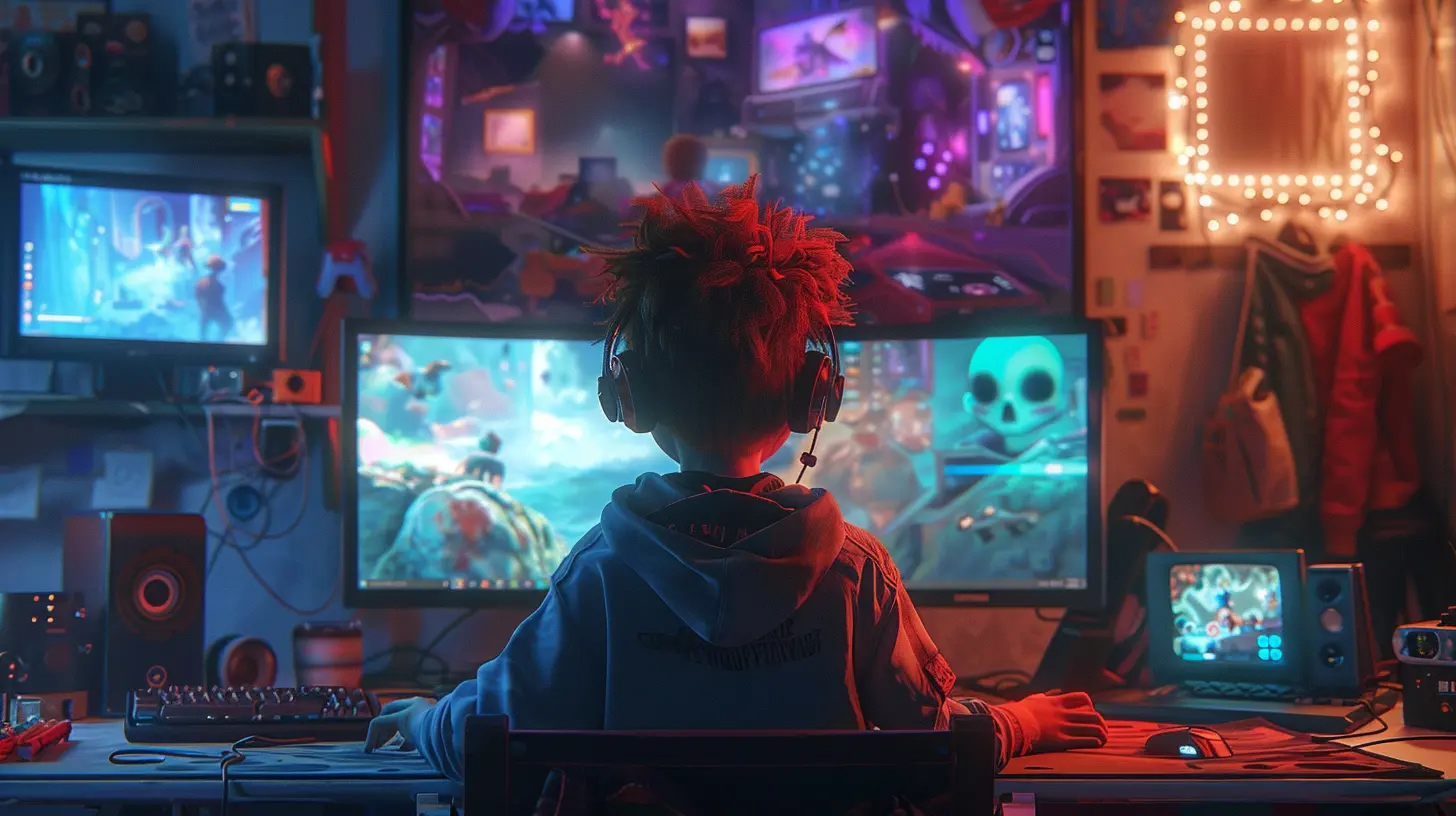
What Are Animated Game Trailers Anyway?
Let’s keep it simple: animated game trailers are fully or partially animated videos created to tease, promote, or showcase a game. Unlike gameplay trailers—where you see the actual in-game footage—animated trailers often go full fantasy. Think cinematic sequences, stylized visuals, and custom-crafted scenes that may not even exist in the final game.They could be 2D, 3D, cel-shaded, hand-drawn, or use CGI so smooth it makes butter jealous. These trailers aren’t just about showing what you’ll play—they’re about showing what you’ll feel.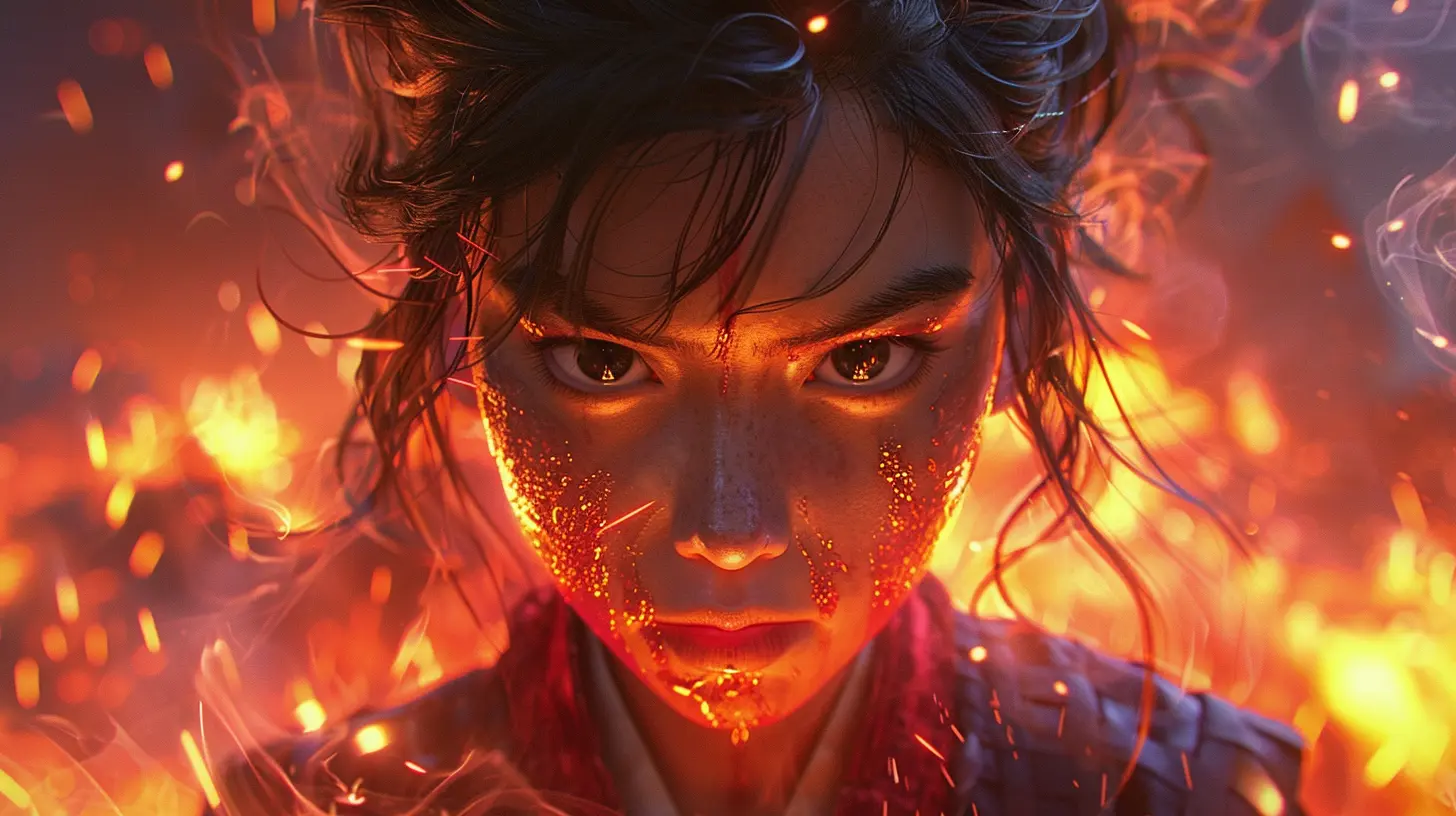
The Rise of Animation in Game Marketing
So, what's behind the boom?Well, a few things happened at once:
- Game budgets skyrocketed.
- Attention spans dropped to TikTok-length.
- Visual storytelling became king.
With the competition fiercer than ever and audiences demanding more polish, animated trailers became the golden ticket. Developers realized that in a sea of content, you need to entertain first, explain second. And nothing entertains like a breathtaking, animated trailer.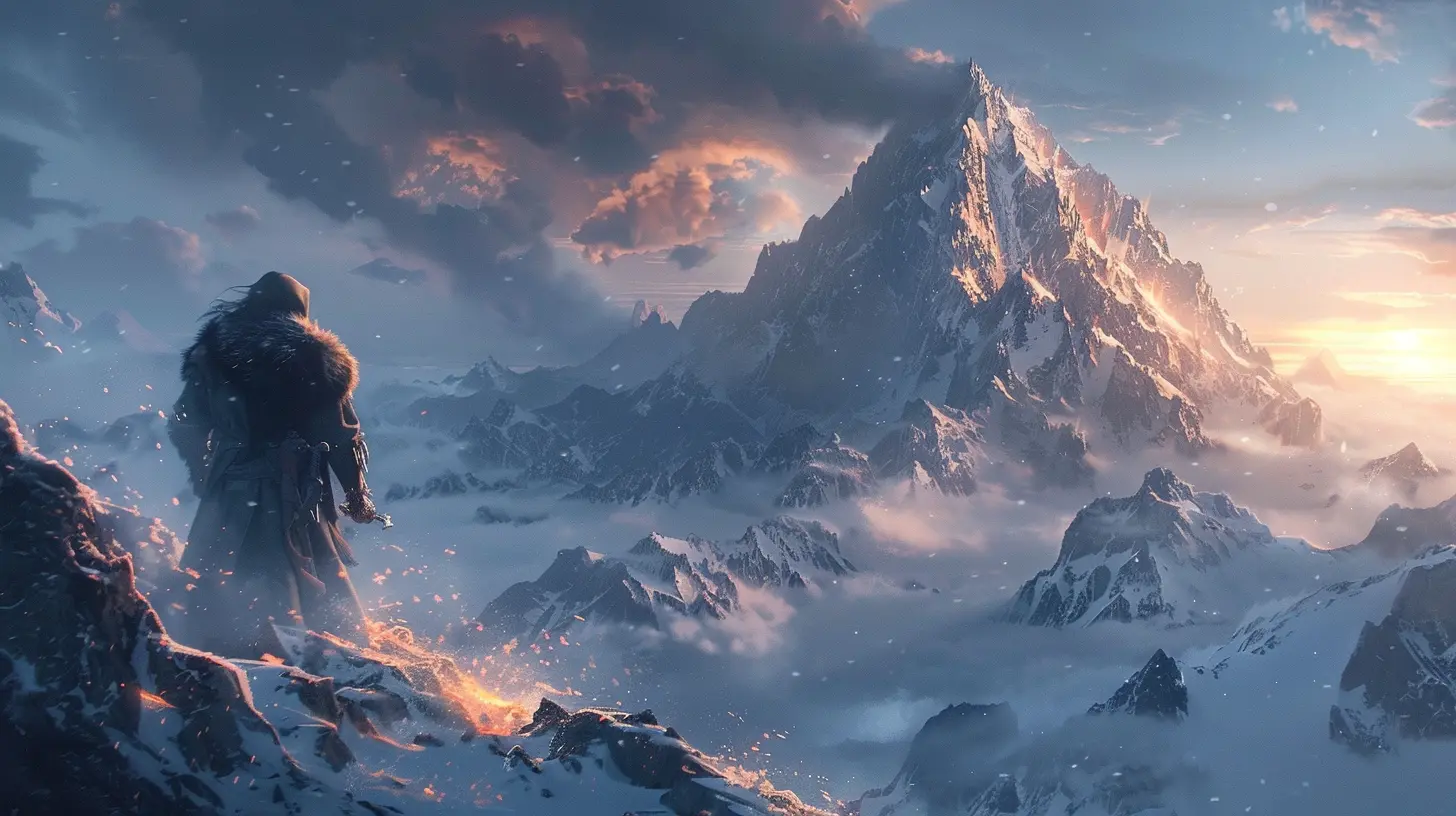
Why Animated Trailers Hit Different
Ever wonder why you feel more hyped after watching an animated trailer than a gameplay one? It’s because these trailers are designed not just to inform, but to evoke.Here’s what makes them special:
1. They Create a Vibe
Gameplay footage is great, sure. But animated trailers? They set the whole mood.You might not know the full story, how the mechanics work, or even the genre—but you feel something. That epic orchestral score. That intense face-off between characters. That jaw-dropping landscape.
Animated trailers are like movie trailers. They tease a world, not just a product.
2. They’re Shareable AF
You know what people love sharing online? Cool-looking stuff. Animated trailers, especially the really stylized ones, are designed to go viral. They’re GIF-worthy. They scream, “watch me again.”In the age of social media, visual impact is everything—and these trailers deliver it by the truckload.
3. They Offer Creative Freedom
Let’s be real: showing pre-release gameplay isn’t always ideal. Maybe the game isn’t polished yet. Maybe the devs don’t want to spoil anything. Maybe they want to build hype with a little mystery.Animation solves all of that.
Developers can create scenes that are metaphorical, dramatized, or totally non-canonical. There are no limits. It’s storytelling without borders.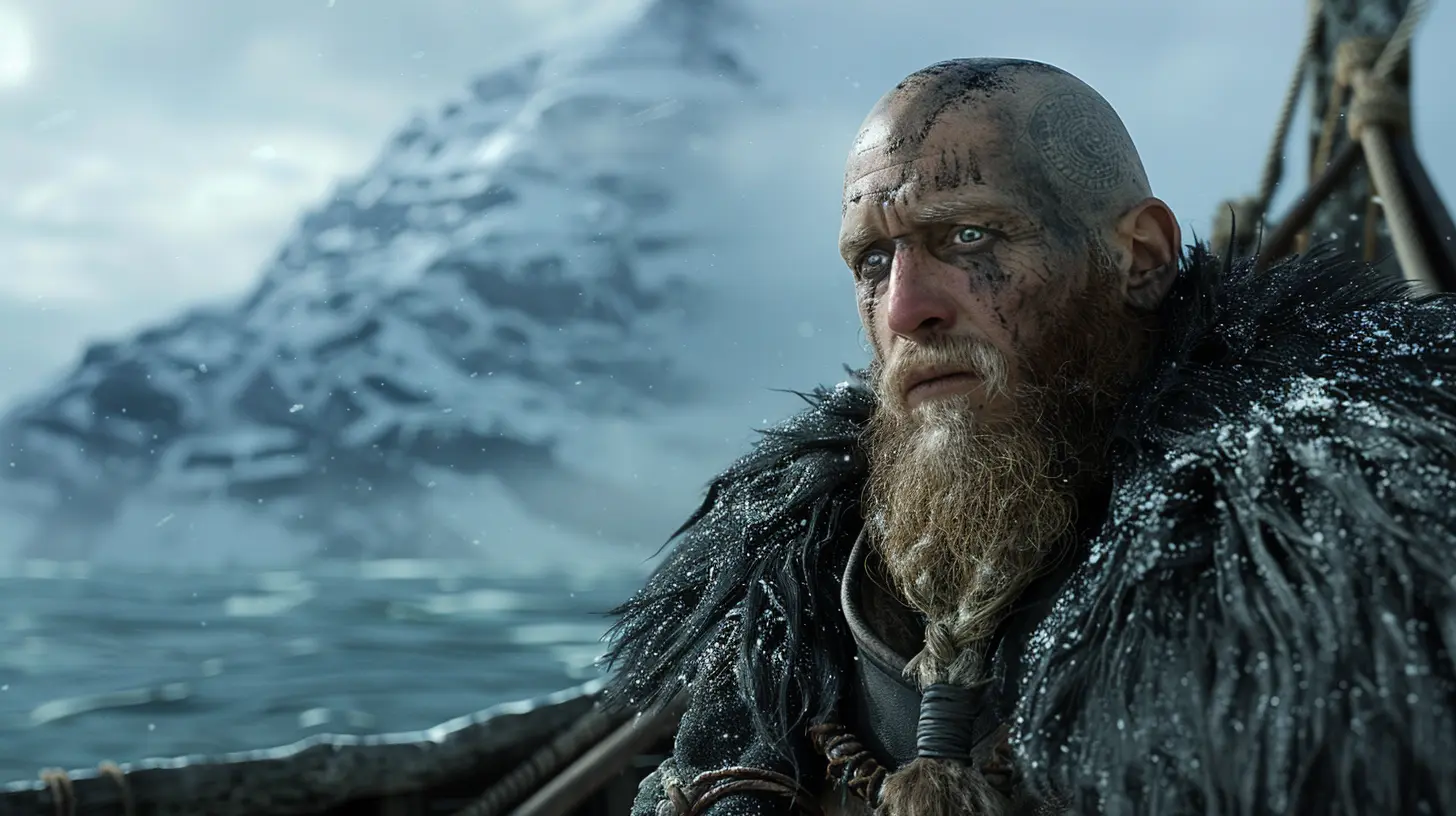
Animated Trailers vs. Gameplay Trailers: A Showdown
So, is this the end of gameplay trailers? Not quite. Each has its place—but they serve different masters.| Feature | Animated Trailers | Gameplay Trailers |
|----------------------|------------------------------------------|--------------------------------------------|
| Purpose | Set the tone, tell a story | Showcase how the game actually plays |
| Visual Appeal | Highly stylized, cinematic | Realistic but sometimes raw |
| Spoiler Control | Easy to steer the narrative | Harder to avoid revealing too much |
| Engagement | High shareability and hype | Useful for informed decisions |
| Production Time | Takes longer, more expensive | Faster to produce, especially for devs |
Think of animated trailers as movie teasers, and gameplay trailers as test drives. You need both, but one gets you excited—the other helps you make up your mind.
Memorable Examples That Nailed It
Let’s talk receipts. Here are a few animated trailers that didn’t just make noise—they made history.✨ League of Legends — "Warriors"
Riot Games mastered the art of the animated hype machine. Their 2020 "Warriors" trailer was more than a highlight reel—it was an emotional, action-packed cinematic masterpiece. Even non-players watched it. That's power.?♂️ Overwatch — Character Cinematics
Who remembers "The Last Bastion"? Or "Dragons"? Blizzard’s Overwatch shorts blurred the line between game marketing and Pixar-level storytelling. Fans cried. Laughed. Rewatched. And then logged in.? Castlevania: Nocturne Reveal
Netflix’s anime-style reveal trailer for “Castlevania: Nocturne” showed that the Netflix/Game dev relationship is deepening. It wasn’t about gameplay—it was a teaser dripping in style that had fans foaming at the mouth.Animation Styles That Steal the Show
Not all animation is created equal, and picking the right style can make or break a trailer.? 2D Hand-Drawn
Nostalgic, artistic, and personal. Games like “Hades” and “Cuphead” use this style to mirror their in-game art, creating a seamless tone from trailer to play.? CGI/3D Animation
Think epic. Blockbuster. These are the trailers that feel like mini-movies, like the ones for “Cyberpunk 2077” or “Final Fantasy XVI.”?️ Stylized Animation
Bold lines, colorful palettes, and unique movement. Stylized animation adds flare. Just look at “Persona 5” or anything by Supergiant Games—style is substance.Why Studios Are Investing Big in Animated Content
Here’s the cold, hard truth: animation costs a lot. But game studios are still doing it. Why?1. First Impressions Matter
You only get one shot at a first glance. If your trailer looks like a AAA film? Score.2. It Builds Worlds Before They Exist
Before the game is even playable, you can start crafting lore. That gives you an edge—especially in RPGs or story-heavy titles.3. It Opens Up Merch Opportunities
You know what sells? Cool characters in cool scenes. If people love what they see in the trailer, there’s a good chance they’ll want posters, shirts, or even animated shorts later.Are Players Okay With It?
Short answer: mostly, yeah.Gamers aren’t dumb—they know an animated trailer doesn’t always reflect gameplay. But as long as devs are transparent and follow up with honest gameplay footage, animated trailers are seen as a treat—not a trick.
The key? Don’t overpromise and underdeliver (looking at you, early "No Man’s Sky" days ?).
What The Future Looks Like
So, here’s the million-dollar question: will every game eventually have an animated trailer?Maybe not every one—but for big releases or even standout indies? We’re already halfway there.
Expect more:
- Cross-medium experimentation (games with anime tie-ins)- AAA trailers that look like Hollywood intros
- Social media-first trailers (think vertical formats)
Animated trailers are no longer just a cherry on top. They’re part of the main course.
Final Thoughts: It's More Than Just Eye Candy
Animated game trailers aren’t just a trend—they’re a storytelling revolution. They tap into our emotions, deliver unforgettable visuals, and set the stage for epic gameplay. As visuals get sharper and players crave more immersive worlds, these trailers don’t just promote—they pretend, they persuade, they perform.So, next time you’re scrolling and see one of those eye-popping, jaw-dropping trailers pop up—don’t just skip it. Watch it. Feel it. There’s magic in those few minutes of motion.
And that, my friend, is why animated game trailers are—without a doubt—becoming the new standard.
all images in this post were generated using AI tools
Category:
Game TrailersAuthor:

Jack McKinstry
Discussion
rate this article
2 comments
Aria Cummings
Animated trailers weave dreams, capturing hearts and igniting passion before the game even begins.
October 17, 2026 at 4:29 PM
Scarlett McVey
Animated game trailers really do set the tone now. They grab attention and showcase art styles effectively. It's exciting to see how they enhance our anticipation for upcoming releases.
July 31, 2026 at 4:39 AM
Jack McKinstry
I completely agree. Animated trailers not only capture the essence of a game but also build excitement in a way traditional trailers often can't. It's an exciting time for the industry.