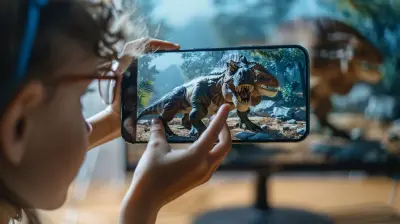
Trailer Misdirection Tactics and Why They Work
31 August 2026
So, you just watched a game trailer that had you hyped out of your mind. The music? Epic. The shots? Cinematic gold. The narrative hints? Juicy. You mark your calendar, pre-order the ultimate edition, and count the days until launch.
Then… you play the game. And something doesn’t quite click. The trailer showed one thing, but the game feels different. Not bad, but different. Maybe even disappointingly different. Welcome to the enigmatic world of trailer misdirection – a tactic that’s not only common but crazy effective.
In this article, we’re going to lift the veil on how game developers and marketers play the long con with trailers. We’ll break down the sneaky strategies they use, why they’re so darn good at it, and how our brains fall for the illusion every single time.
What Is Trailer Misdirection, Anyway?
Let’s not overcomplicate this: trailer misdirection is when a game trailer intentionally shows you something that gives a misleading impression about the actual gameplay, story, or tone of the game.And no, it’s not always straight-up lying. It’s more like... telling the truth with a crooked smile.
Think of it like a magician waving one hand while the other pulls off the trick. You're not technically "duped" – you just weren’t paying attention to the right details.
The Psychology: Why Misdirection Has Us Hooked
Ever heard of the phrase “seeing is believing”? That’s the root of the issue. Our brains are wired to trust visuals, especially when they’re backed by exciting music and emotional beats. Trailers package this perfectly.Here’s why it works so well:
- First Impressions Stick: The initial emotional response from a trailer is powerful. If it made you feel something – excitement, fear, wonder – you’re more likely to remember that feeling than the details.
- Selective Attention: Trailers funnel our attention to specific moments while subtly hiding the “meh” stuff. You only see what they want you to see.
- Halo Effect: If the trailer’s visuals and sound design are top-tier, we naturally assume the rest of the game must be equally polished.
That’s the secret sauce: create a vibe, sell a feeling, and let our hopeful imaginations do the rest.
Types of Trailer Misdirection Tactics
Now let’s get into the juicy part: the actual tactics. These aren’t just random tricks. They’re carefully crafted strategies meant to stir hype, distract from weaknesses, and spark conversations.1. The Cinematic Bait-and-Switch
You’ve seen this one, for sure. A super-polished, high-drama cinematic trailer that makes you think you’re about to play the next big blockbuster.But here’s the catch — none of what you saw is gameplay.
Think of Blizzard’s “Overwatch” trailers. They feel like Pixar made a superhero movie. But when you actually launch the game? It’s a multiplayer shooter with zero campaign and none of that story-driven depth from the trailer. Boom. Cinematic misdirection.
Why it works:
- It builds an emotional connection.
- It sells lore that may barely exist in-game.
- It gets shared like crazy on social media.
2. The Genre Flip
Now this one is sneaky. It happens when a trailer makes a game look like it belongs to one genre, but when you play it, it’s something else entirely.Ever see a trailer that looks like an emotional, slow-burn narrative experience only to find out it's actually a hardcore roguelike? Yeah, that’s genre bait.
A classic example: “Dead Island.” That slow-motion, heartbreaking trailer about a family being torn apart during a zombie outbreak? Emotional gut-punch. But the actual game? A wild, borderline campy, zombie-slaying action game.
Why it works:
- It draws in a wider audience.
- It adds layers of intrigue.
- It fuels speculation and theory-crafting.
3. The Red Herring Highlight
This tactic is pure sleight-of-hand. A trailer shows you a scene or an element that looks super important. Maybe it’s a mystery character, a major plot twist, or a new mechanic. But when you play the full game? That thing barely exists.Games like “Metal Gear Solid 2” pulled this masterfully. Remember the trailer that showcased Solid Snake as the main character? Surprise! Most of the game had you playing as Raiden instead.
Why it works:
- It preserves surprise.
- It manipulates expectations.
- It turns the narrative on its head.
4. The Timeline Trick
This one’s a bit of a brain-bender. A trailer might show clips from different parts of the game but cut them together in a way that tells a completely different story.Kind of like chopping up a movie, rearranging scenes, and making it seem like an entirely different experience.
For instance, trailers for “The Last of Us Part II” intentionally rearranged plot elements and character appearances to mask the game’s biggest twists. Naughty Dog wanted the player to go in blind, and they orchestrated a masterful play on assumption.
Why it works:
- It keeps spoilers under wraps.
- It stirs emotional responses.
- It encourages rewatching and theorizing.
5. The Ambiguity Armor
Sometimes, a trailer doesn’t lie… but it doesn’t exactly tell the truth either. It just gives vague vibes, cryptic messages, and abstract visuals.This is a favorite tool of indie developers and avant-garde game designers.
Take Kojima’s “Death Stranding” reveals. Remember those?? Most of us were scratching our heads, wondering if it was a game, a movie, or an alien conspiracy. But one thing’s for sure — everyone was talking about it.
Why it works:
- It creates buzz through confusion.
- It taps into curiosity.
- It gives the developer flexibility.
Is It Ethical? Let’s Get Real
Look, let’s not dance around it. Trailer misdirection walks a tightrope between clever marketing and deception. When done right, it enhances the experience. When done wrong, it burns trust.So, is it ethical?
Well… it depends.
If the misdirection enhances the story or preserves key surprises? Cool, we respect that.
But if it deliberately hides major flaws or pretends to be a different game entirely? Nah. That’s crossing a line.
It’s kinda like catfishing. A little mystery is intriguing — a full-on false identity is manipulation.
Why We Still Fall for It (And Probably Always Will)
Here’s the punchline: we want to be misled.No, really. We want to believe the hype. We crave the drama, the mystery, the anticipation. Game trailers are our first taste of a new world, and we’re hungry.
Plus, there’s an undeniable thrill in taking the risk. Even if we feel burned once in a while, that next trailer? It might just deliver the real deal.
Games are emotional experiences, and trailers are emotional bait. And as long as they keep wrapping the hook in glitter and fireworks, we’ll keep biting.
How to Spot the Misdirection (Without Killing the Fun)
Alright, Sherlock, if you’re trying to become a trailer detective, here are a few things to watch for:- Overly Cinematic Style? Probably not gameplay.
- No HUD or UI visible? Suspicious.
- Are they avoiding story details entirely? Could be hiding major plot shifts.
- Is the footage tagged “in-engine” but not “gameplay”? Red flag.
- Too good to be true? Yeah… probably is.
But also — don’t suck the joy out of it. Trailers are supposed to be fun. Suspense, speculation, and surprise are part of the gaming journey.
When Misdirection Goes Right
Let’s give credit where it’s due. Sometimes, misdirection nails it and elevates the whole experience.- “Bioshock Infinite” teased a dazzling utopia and delivered a gritty, mind-warping plot twist that caught everyone off guard – in a good way.
- “Five Nights at Freddy’s” trailers often presented deeper story mysteries than the gameplay reveals, keeping fans theorizing for years.
- “Cyberpunk 2077” pre-release trailers might’ve overpromised, but the intrigue they built helped carve out an iconic launch moment (bugs and all).
The Bottom Line
Trailer misdirection isn’t going anywhere. It’s part of the creative and commercial dance that developers and marketers waltz to. Sometimes they mislead us, sometimes they save the surprise — either way, they play with perception like pros.As long as gamers keep craving hype, misdirection will keep being a powerful tool. It’s showbiz. It’s illusion. It’s magic.
So next time you watch a jaw-dropping trailer, ask yourself: what are they not showing me?
Because behind that cinematic glow… there might just be a completely different game waiting in the shadows.
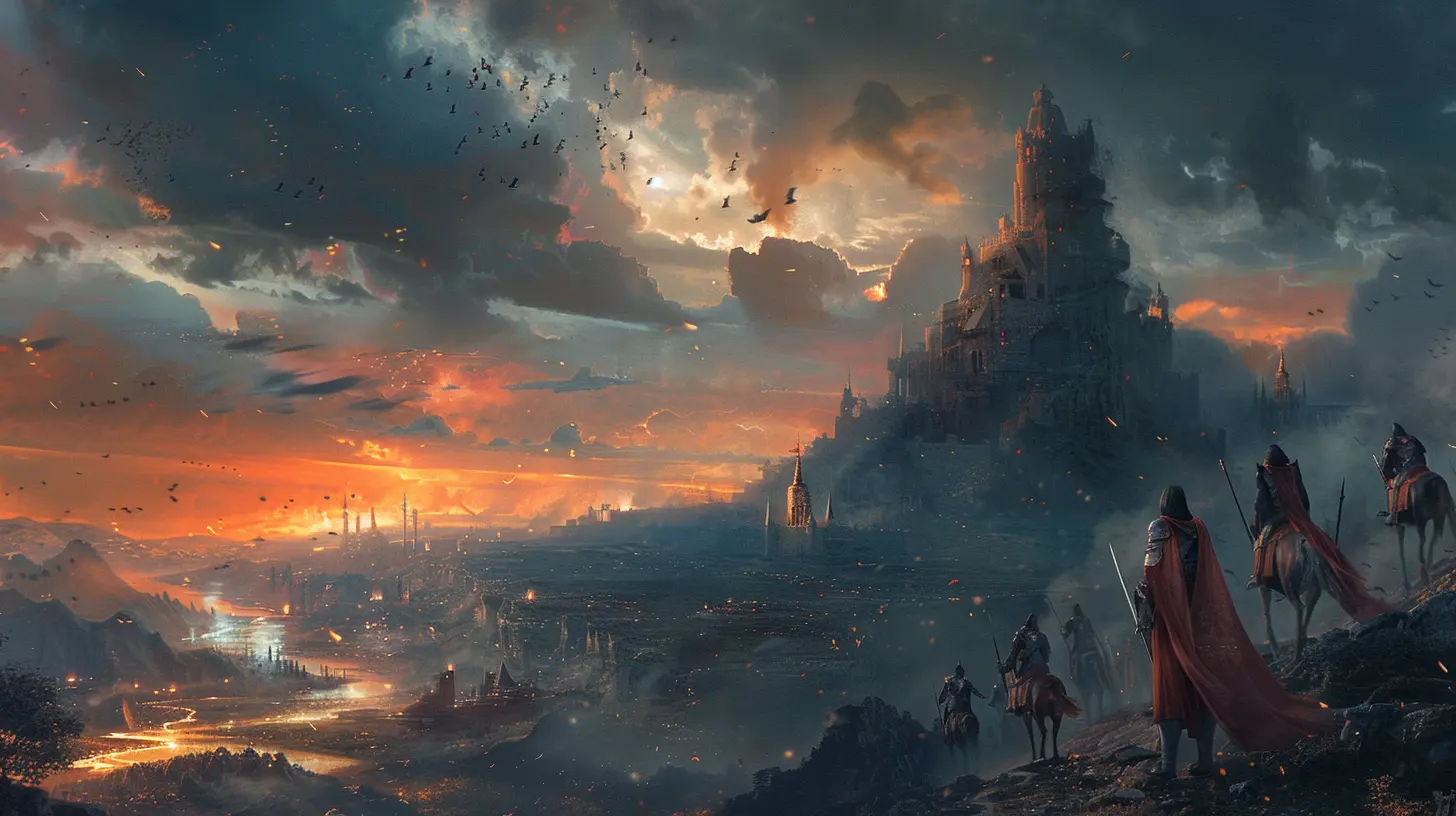
all images in this post were generated using AI tools
Category:
Game TrailersAuthor:

Jack McKinstry
Discussion
rate this article
1 comments
Callie Reilly
Interesting take on trailer tactics! I wonder how audiences can distinguish between hype and reality...
September 3, 2026 at 3:45 PM
Jack McKinstry
Thanks! It's all about how trailers manipulate expectation. Audiences often rely on prior experiences and instinct to gauge what's real versus just hype.