How Augmented Reality Adds Depth to Traditional Game Genres
28 July 2026
Let’s face it—playing games has never been more exciting. Whether you’re sinking into a good ol’ RPG, going head-to-head in a strategy showdown, or racing through a high-octane action title, gaming has always had a special place in our hearts. But now, something wild is happening. Something that’s changing how we look (quite literally) at gaming. Yep, I’m talking about Augmented Reality—AR for short.
AR isn’t just a cool tech trend; it’s flipping traditional game genres on their heads and adding a massive splash of depth, immersion, and fun. So, strap in, because we’re going to dive into how augmented reality is turning classic games into full-blown interactive adventures!
Wait, What's Augmented Reality Again?
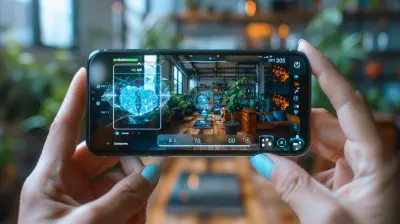
Before we jump headfirst into the gaming pool, let’s clear up what AR actually is.Remember Pokémon GO? Of course, you do. That’s AR in action! It overlays digital content—like Pikachu or that sneaky Zubat—onto the real world through your phone or AR glasses. Unlike Virtual Reality (VR), which whisks you away to a completely digital universe, AR brings the action into your everyday surroundings. It’s like blending fantasy and reality into one big interactive smoothie.
Now, imagine traditional game genres—but with this cool tech sauce poured all over them. Yummy, right?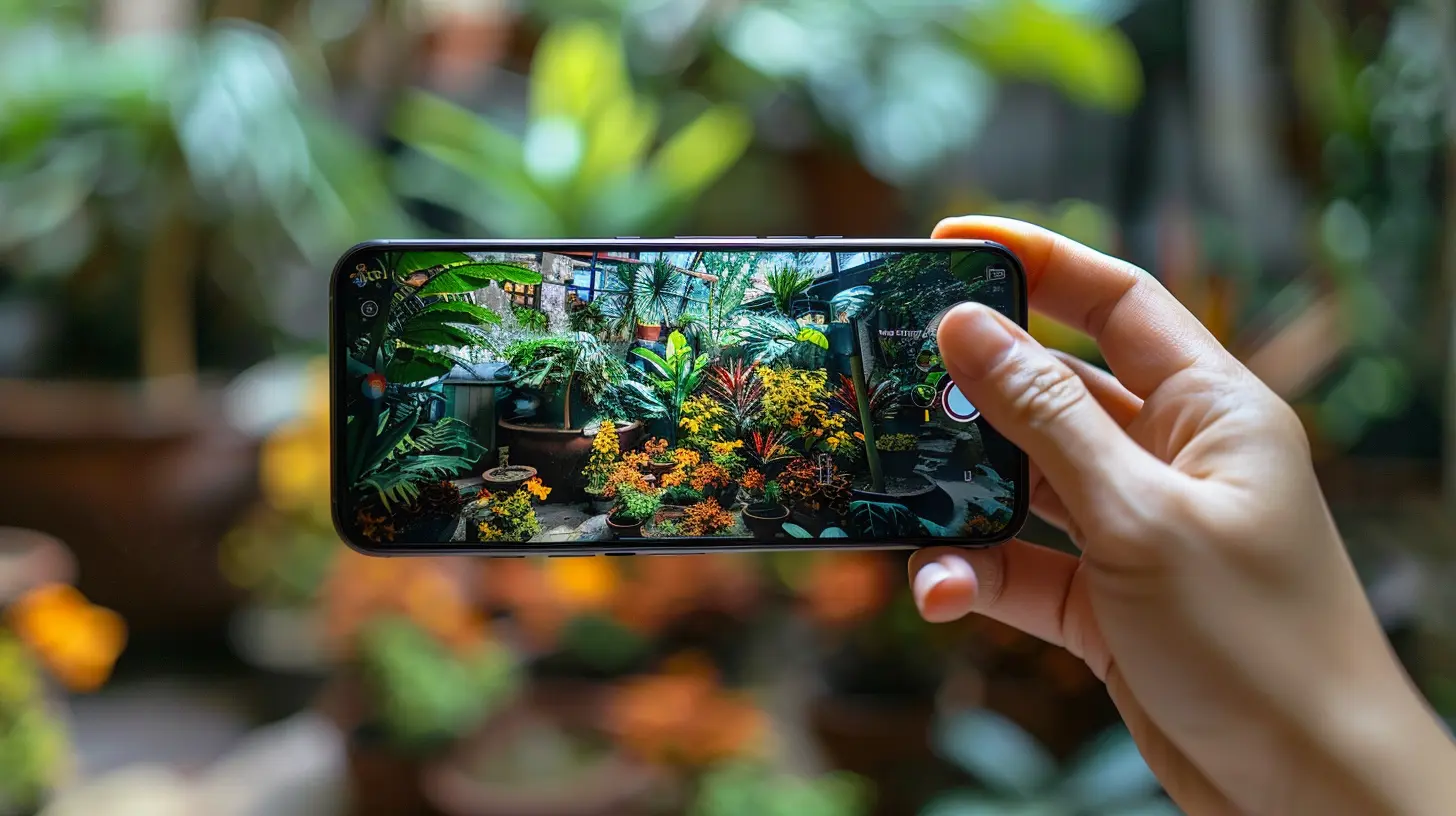
The Transformation of Traditional Game Genres With AR
Old-school genres are getting an AR makeover, and the results are chef's kiss. Let’s break down how each genre is leveling up!? Action Games: From Button-Mashing to Real-World Dodging
Action games used to mean fast reflexes and twitchy thumbs. Now, they’re all about situational awareness. Imagine a first-person shooter where enemies come at you from behind your couch or a ninja game where you’re literally slicing in the air.With AR:
- You’re not just pressing buttons—you’re physically moving.
- Enemies interact with your real environment.
- You get real-time feedback based on your position and surroundings.
Example: Games like “Father.io” turn your neighborhood into a war zone. Okay, not literally, but you get the idea. The stakes feel higher when you're actually in the middle of the battlefield!
? Strategy Games: Like Chess, But The Pieces Are on Your Kitchen Table
Strategy games? Oh boy, AR gives them a whole new layer of awesomeness.Picture this: You’re playing a complex turn-based strategy game, and instead of a flat 2D screen, the battlefield rises in 3D glory right on your coffee table. You can walk around it, peek at angles, and even interact with your units.
Cool features AR brings:
- Holographic game boards
- Gesture-based commands
- Real-time environmental interactions
Have you tried “Tilt Five”? This AR system turns classic strategy board games into immersive 3D landscapes. It’s like Catan meets The Matrix.
? Adventure Games: The World Is Your Playground (Literally)
Adventure games are all about exploration, right? Well, AR cranks that up by making your actual world part of the narrative.With AR:
- Your living room becomes a spooky dungeon.
- GPS-based tasks turn a walk into a quest.
- Objects around you hide secrets and clues.
Ever played “The Witcher: Monster Slayer”? It lets you hunt beasts on your street. Suddenly, the world isn’t so mundane anymore—is that the corner store or a hideout for griffins?
? Puzzle Games: Brain Teasers With a Twist
We all love a good puzzle. They stretch your thinking, tease your brain, and now, with AR, they also make you look under your bed—literally.Why puzzle games thrive with AR:
- Real-world interaction makes them immersive.
- You physically manipulate objects to solve them.
- Hints and clues can be hidden in your surroundings.
“PuzzlAR: World Tour” is a fine example. It's like playing 3D jigsaw puzzles, but you're walking around the Colosseum as it assembles. Feeling like a history buff and a genius? You bet.
? Horror Games: AR Makes Scares Feel Way Too Real
This one’s both thrilling and terrifying—horror games in AR are NOT for the faint of heart.You know how horror games already mess with your head? Now imagine that shadow in your room isn’t just a coat—it might be something else (gulp).
With AR horror:
- Jump scares come from your actual surroundings.
- Immersion is off the charts.
- The line between game and reality? Blurred in the creepiest way possible.
“Night Terrors” uses your phone to turn your house into a haunted mansion. Yeah... maybe play it with the lights on.
?️ Racing and Sports Games: Your Driveway Becomes the Track
AR has shifted racing and sports games from screen-based simulations to interactive playfields. Who needs a controller when you’ve got a backyard?Key enhancements:
- Physical movement meets digital overlays.
- Track changes based on real-world terrain.
- Multiplayer becomes a household event.
“Hot Wheels AR” lets you race in your living room, dodging furniture like it's part of the track. Sure, your dog might get confused—but hey, that’s part of the fun!
Why Gamers (and Developers) Can’t Get Enough
So, what’s driving the AR craze? Besides how stinkin’ cool it is?Here’s why both gamers and devs are all-in:
- Immersion: You’re not just playing—you’re living the game.
- Innovation: Traditional genres get fresh life with unique gameplay.
- Social Play: Multiplayer AR games create shared real-world experiences.
- Replayability: The game changes based on your environment, so no two sessions feel the same.
And from a developer POV? AR opens creative floodgates. Every wall, tree, and street corner is now potential content. It’s like Minecraft in real life.
Challenges of AR in Gaming (Because Nothing’s Perfect)
Alright, let’s keep it real for a sec. AR isn’t without its hiccups.? Hardware Limitations
Not everyone has AR glasses lying around, and phones can only do so much. Also, have you tried playing a game in bright sunlight? Not ideal.? Battery Drain is No Joke
AR apps are like little power vampires. Long play sessions? You better have a charger nearby.? Physical Space Requirements
Not every room is AR-friendly. Your tiny apartment isn’t exactly ready for a full-blown AR battlefield. Sorry!? Learning Curve
AR interfaces can be a bit funky at first. Hand gestures, spatial controls, and object detection need some fine-tuning.Despite all that, AR’s potential far outweighs its current limits. The way things are going, these issues will be old news soon enough.
The AR Future: What’s Next for Traditional Game Genres?
We’ve seen the tip of the iceberg. As AR tech gets better (and cheaper), game genres will evolve even more.Here’s what’s on the horizon:
- AR glasses becoming mainstream (bye bye, phone-holding fatigue).
- Advanced AI integrating with AR to make NPCs smarter and more responsive.
- Cross-genre mashups—imagine survival-horror-puzzle-AR adventures. Gulp.
- User-generated AR content, turning players into game designers.
Sounds like sci-fi? Maybe. But it’s coming—and if you’re a gamer, you’re gonna love every second of it.
Is It Time to Dive In?
Honestly, if you haven’t dipped your toe into AR gaming yet, now’s a pretty great time. You don’t need high-end gear to get started—your smartphone is already a capable AR device. Try out a few free AR games, explore your space, and get ready to see your favorite game genres like you never have before.AR isn’t just adding depth—it’s adding soul, personality, and a sense of play that feels outrageously fresh. And the best part? It’s only getting started.
So go on… the monsters in your closet are waiting.
all images in this post were generated using AI tools
Category:
Augmented Reality GamesAuthor:

Jack McKinstry
Discussion
rate this article
2 comments
Velvet McIntire
Great insights! Augmented reality truly enhances gameplay experience.
October 22, 2026 at 3:58 AM
Jillian Coffey
Augmented reality transforms gameplay in exciting ways.
August 12, 2026 at 2:54 PM
Jack McKinstry
Absolutely! Augmented reality brings a fresh layer of immersion, making gameplay more interactive and engaging. It's a game changer.