How Augmented Reality Games Are Changing Urban Exploration
8 July 2026
Remember the days when exploring a city meant carrying around a paper map or Googling “cool spots near me”? Yeah, those days are long gone. Today, augmented reality (AR) games are turning city streets into sprawling playgrounds. They’re transforming the way we interact with our real-world surroundings, blending digital magic with bricks and mortar.
Whether it's chasing mystical creatures through your neighborhood or solving puzzles that pop up on your street corner, AR games are giving urban exploration a whole new meaning. Buckle up—we're diving deep into how augmented reality games are reshaping the way people experience cities.
What Is Augmented Reality (And Why Should You Care)?
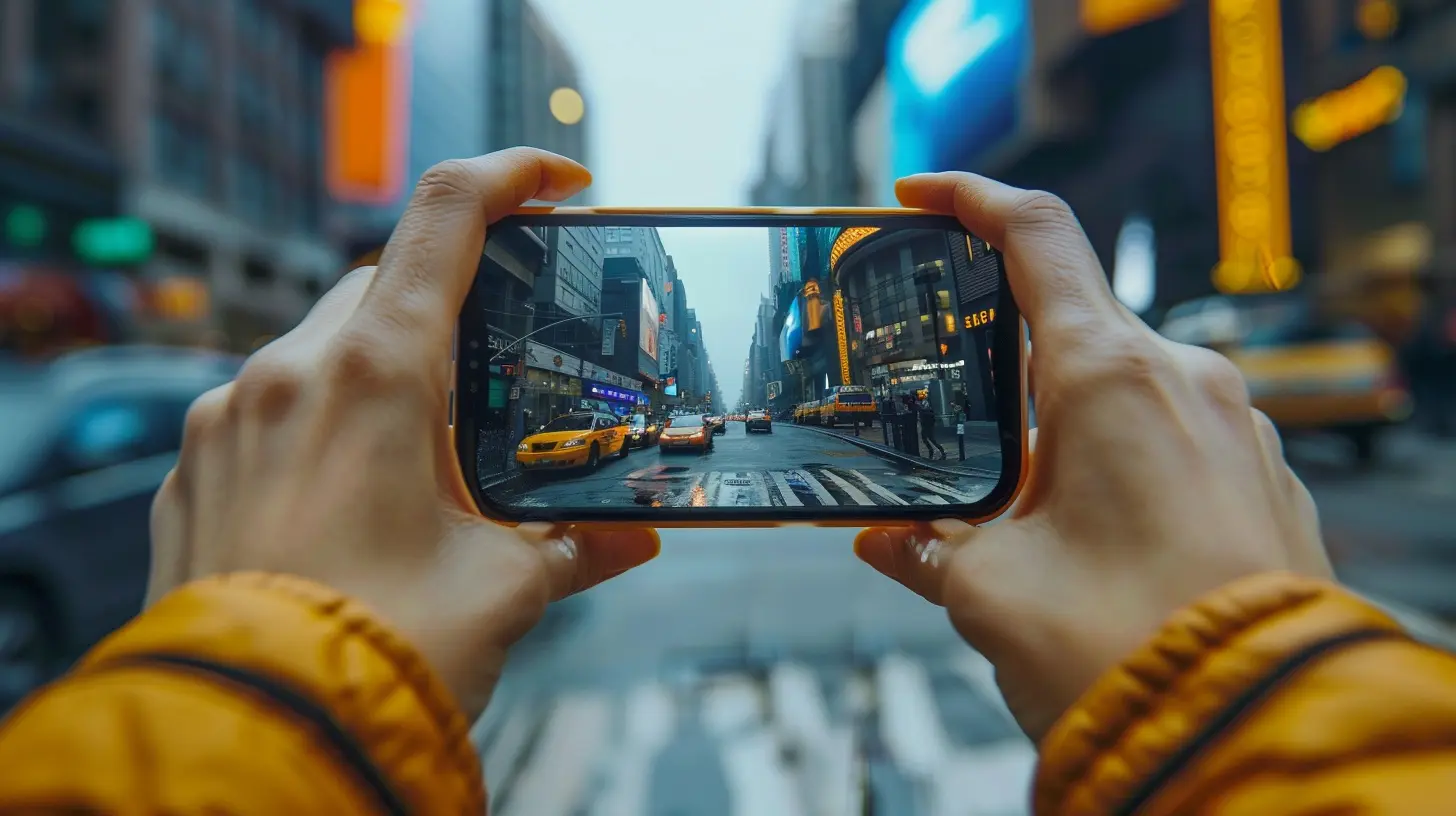
Before we geek out about how AR is changing cityscapes, let’s break down what augmented reality actually means.AR overlays digital content—think graphics, sounds, or even haptic feedback—on the real-world environment. Unlike virtual reality (VR), which takes you somewhere else entirely, AR enhances your current surroundings. It’s like wearing magic glasses, except the glasses are your phone or smart device.
Apps like Snapchat filters? That’s AR.
Pokémon GO making you run across a park to catch Pikachu? Also AR.
Now imagine that concept applied to the entire city—your local coffee shop becomes a quest location; a statue you usually walk past becomes a portal to another world. Yup, it's wild—and it’s happening.
A New Kind of Urban Playground
You know that quote, “The world is your oyster”? With AR games, cities are turning into massive, interactive oysters, packed with digital pearls waiting to be uncovered.Turning Streets into Gameboards
Games like Pokémon GO, Ingress, and The Walking Dead: Our World have already changed the way we think about public spaces. Sidewalks, parks, bus stops—they’re not just places to walk past anymore. They're active elements of gameplay.Picture this: Instead of going to the mall just to shop, you're also capturing rare creatures, completing missions, or battling rivals. Your phone becomes a passport to hidden content all around you.
An Incentive to Get Outside (Finally)
Let’s be real—some of us need a little push to leave the house. AR games serve up that motivation with a side of fun. They reward movement and exploration. That park down the block? It could be a hotbed of virtual loot. That obscure mural? It might hide secret messages only visible through the lens of an AR app.Suddenly, urban environments feel less like a static backdrop and more like an interactive treasure map—and you're the explorer.
Real-Life Adventures in Real-Time
AR games bring a level of spontaneity and real-time decision-making that mirrors real adventures. Every trip outside could lead to a surprise mission, live event, or unexpected encounter with other players.Shared Experiences with Strangers
This is where things get social. AR games turn solitary city walks into shared experiences. When dozens of players swarm the same location to catch an event-exclusive item or defeat a digital boss, it creates a sense of community—right there on the streets.Who knew that a bunch of strangers gathering around a statue weren't tourists… but actually fighting a virtual dragon?
Boosting Local Engagement
Local businesses are cashing in, too. Some AR games partner with shops and restaurants, turning them into hotspots. That hole-in-the-wall café might be a Pokéstop or a quest hub—bringing in foot traffic that wouldn’t have come otherwise.In other words, AR doesn’t just change how we explore cities—it changes how we spend money and engage with local culture.
Case Study Time: Pokémon GO & Urban Transformation
You can't really talk about AR games and urban exploration without mentioning Pokémon GO. Launched in 2016, it was the first app that really showed us what AR could do in the wild.A Cultural Phenomenon
Within weeks, parks were flooded with players, city squares were packed at odd hours, and random locations turned into gathering points. It was an urban shuffle dance, and everyone wanted in.Even years later, updates and seasonal events keep players returning to the same locations. Cities that were once overlooked saw a boost in tourism and foot traffic simply because they were home to rare spawns or event locations.
Urban Design Meets Game Design
In effect, Pokémon GO got people looking at their surroundings differently. That old post office? Could be a Pokémon Gym. That random sculpture? A Pokéstop. It also subtly encouraged exploring lesser-known areas, redefining what we consider “worth visiting” in a city.Town planners and marketers started taking note. If a virtual game could bring thousands of people to a park, why not redesign that park to be more interactive and AR-friendly?
Challenges and Concerns: Not All Rainbows and Rare Spawns
Alright, it's not all fun and game masters—AR urban exploration does come with some baggage.Safety Hazards
Let’s be honest, staring at your phone while crossing the street isn’t a great idea. AR games can be distracting, and there have been reports of players getting injured because they weren’t paying attention to their surroundings.To counter this, developers are adding warning messages, auto-pauses when moving too fast, and AR boundaries, but it’s still a growing pain the industry’s facing head-on.
Privacy Worries
AR games constantly track user locations and gather data. That’s a gold mine for companies—but also a privacy concern. Where you go, how long you stay, and what you interact with—it’s all logged. For some, that’s a bit too Black Mirror.Digital Divide
Not everyone has access to the latest tech. AR games often require newer smartphones and strong internet connections. That leaves some folks out of the fun—and can inadvertently widen the tech gap, particularly in under-resourced urban areas.
The Future Is (Virtually) Here
So, what's next for AR and urban exploration?Smarter AR Glasses and Wearables
AR is already moving beyond phones. Companies are working on sleek AR glasses that don’t make you look like a cyborg. Imagine exploring the city with digital overlays showing historical facts, live quests, or even street-level reviews without pulling out your phone. That’s on the horizon—literally.More Sophisticated Storytelling
Future AR games will likely offer more complex narratives layered into urban environments. Think of it like a living novel you walk through—one with branching storylines that depend on where you go or how you interact with your environment.Partnerships with Cities
Don’t be surprised if future city guides come with built-in AR game functionality. Tourist boards are already experimenting with AR treasure hunts, interactive landmarks, and gamified itineraries to encourage deeper, more immersive exploration.Why It All Matters
Here’s the big takeaway—AR games are making exploration magical again. They’re getting people outside, encouraging them to see familiar places in new ways, and even helping local economies.It’s a blend of tech, storytelling, and urban discovery that taps into our natural curiosity—because let’s face it, deep down, we all want to be adventurers.
Just think about this the next time you're walking down your block—what if there’s more to that alley, that statue, or even that streetlamp than meets the eye? With AR, there just might be.
all images in this post were generated using AI tools
Category:
Augmented Reality GamesAuthor:

Jack McKinstry
Discussion
rate this article
1 comments
Murphy Benton
Augmented reality games turn the city into a living playground, blending exploration with digital adventure.
August 12, 2026 at 2:54 PM
Jack McKinstry
Absolutely! Augmented reality games truly transform our surroundings into immersive experiences, making every corner of the city a new adventure. It's a fascinating blend of the real and digital worlds.