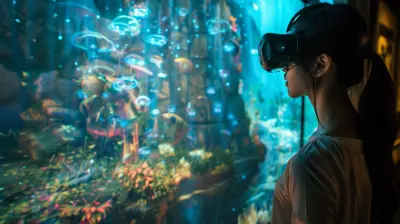
How Augmented Reality Games Are Entering the Classroom
23 June 2026
Let’s face it—when most people think about “games” in the classroom, they probably picture flashcards, trivia quizzes, or maybe a board game on a rainy Friday afternoon. But things are changing, fast. Thanks to tech’s rapid evolution, especially in augmented reality (AR), learning is getting a major power-up. Think Pokémon GO meets Math class. Sounds wild, right?
Welcome to the world where augmented reality games are no longer just for fun—they're becoming powerful tools in the modern classroom.
What is Augmented Reality (AR), Anyway?
Before diving into the details, let’s clear up what we mean by AR. Augmented reality isn't about virtual worlds like the ones you'd see with a VR headset. Instead, AR adds digital stuff—like images, sounds, or data—right on top of the real world.So, if you’ve ever used an app that superimposes dinosaur skeletons into your living room or lets you try on sunglasses using your phone’s camera, congrats! You’ve already had a taste of AR.
Now, imagine that same tech helping kids understand complex topics in science, history, or even literature. That’s where AR-based games step in.
Why Bring Games into Learning?
Let’s be real—traditional learning methods can be boring. Endless lectures, rote memorization, and static textbooks don’t always appeal to the youngest generation, who are growing up swiping screens before they can even read.Here’s the cool part: games, especially AR games, make learning interactive, immersive, and downright fun.
Think about it. When kids play games, they're problem-solving, making decisions, experimenting, and learning from mistakes—skills that are gold in any educational setting. So, why not merge those benefits with schoolwork?
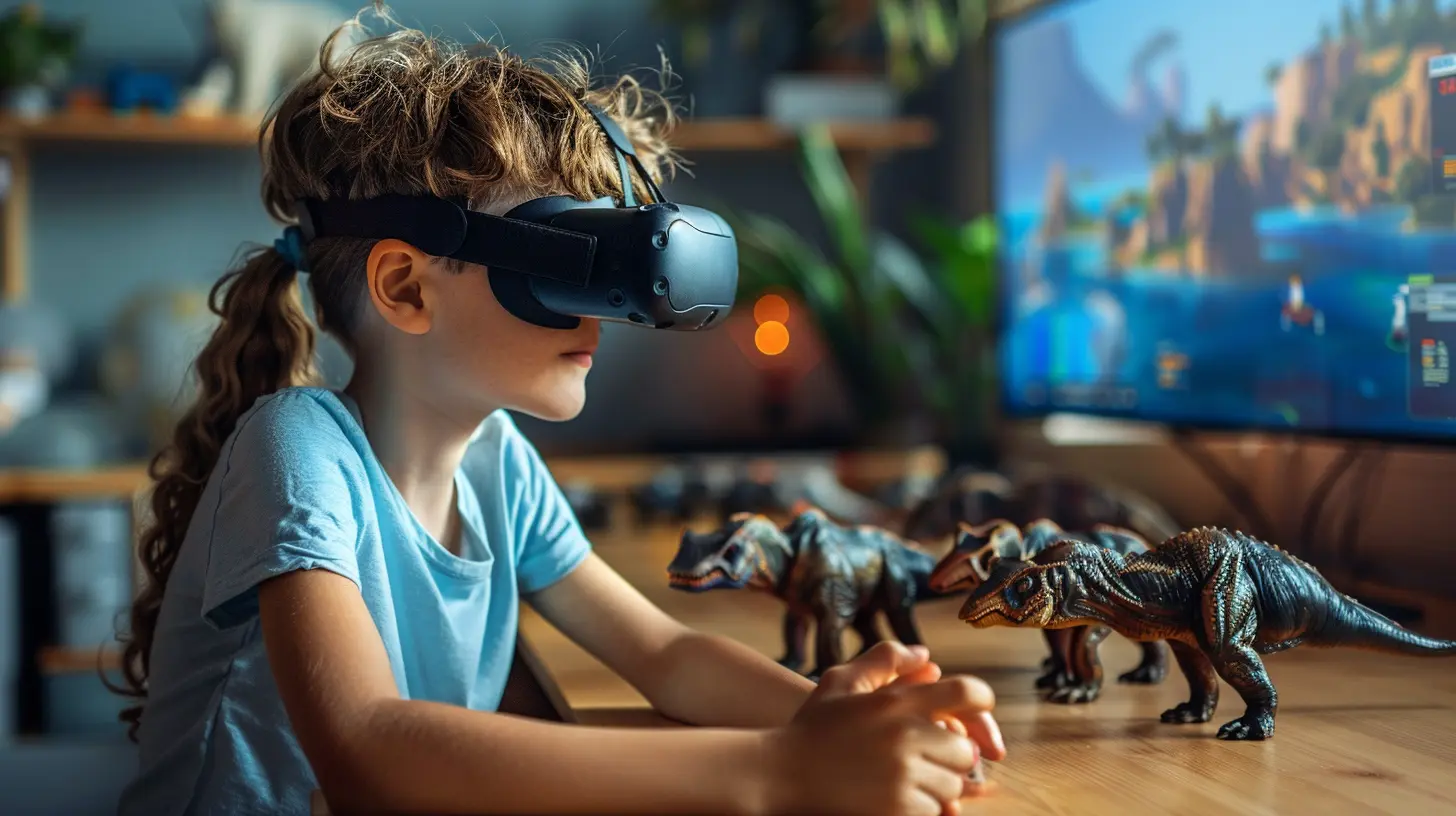
How Augmented Reality Games Work in the Classroom
AR games in the classroom can take on many forms. Here are a few ways they’re being used:1. Interactive 3D Models
Imagine a biology lesson where a frog dissection isn’t done on an actual frog but through an AR headset or tablet. Students can see a 3D frog in front of them, peel back the layers, and explore the organs—without hurting a single amphibian.These 3D models make abstract or complex subjects easier to grasp. It's one thing to read about the solar system, and a whole other experience to walk around a virtual version of it in your classroom.
2. Location-Based Learning
Just like Pokémon GO encouraged players to move around, AR games can push students to explore their schools or neighborhoods. For example, a history game might have them uncover virtual artifacts hidden around campus. Each discovery unlocks a new clue or lesson.It’s a scavenger hunt—but for facts.
3. Gamified Quests and Challenges
AR platforms can turn lessons into missions. Picture this: to pass today’s math lesson, students solve puzzles to deactivate a virtual robot. Or maybe they unlock parts of a mystery story by solving grammar challenges.This type of gamified learning keeps students engaged and builds a strong connection between curriculum and curiosity.
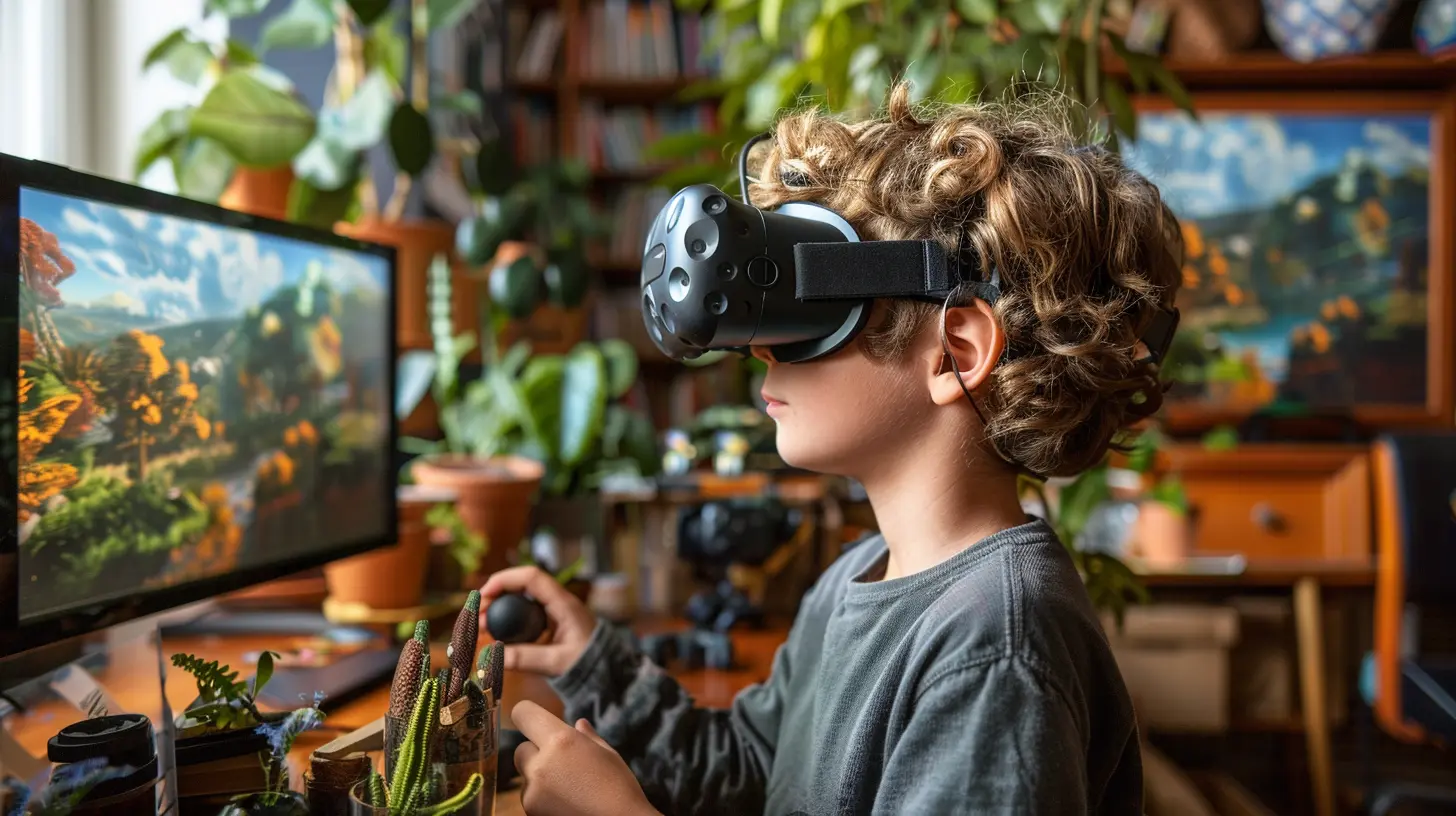
Benefits of AR Games in Education
So, what’s the big win here? Glad you asked.1. Engagement Hits the Roof
Let’s not sugarcoat it—keeping a classroom full of students engaged can be a battle. AR games tap into something all kids love: play. When students are excited to learn, they pay attention, try harder, and retain more.2. Encourages Active Learning
Passive learning (think lectures or reading from a textbook) often leads to zoning out. But AR games require active participation. You’re not just watching—you’re doing. And doing is where learning gets real.3. Supports Different Learning Styles
Some kids learn best by seeing things, others by doing. AR combines visual, auditory, and kinesthetic learning methods. Whether a student prefers visuals or hands-on activities, AR has them covered.4. Real-Time Feedback
Many AR educational apps give instant feedback. If a student answers a question wrong, they don't just move on—they're encouraged to try again or get hints. This supports learning and builds confidence.5. Builds Collaboration and Teamwork
A lot of AR games are designed to be played in teams. Students work together, solve problems, and communicate. In today’s world, these soft skills are just as important as academic knowledge.Real-World Examples of AR in Classrooms
Curious about how this plays out in actual schools? Let’s take a look:Google Expeditions
This AR tool allows students to explore different parts of the world, from the Great Wall of China to the inside of a volcano. Teachers can guide the experience, pausing and pointing out specific features, making learning feel like a virtual field trip.Merge Cube
With this foam cube and a mobile device, students can hold a beating heart, explore the layers of Earth, or dissect a digital animal in 3D. It’s small, but incredibly powerful.QuiverVision
It turns coloring pages into 3D animations! Younger students can color a butterfly, then watch it fly off the page through a tablet. It’s both creative and educational.CoSpaces Edu
This platform lets students build their own AR scenes. They can create historical reenactments, science simulations, or story-based projects. Not only does it teach content, but it nurtures creativity and coding skills too.
Common Subjects Enhanced by AR Games
Augmented reality isn’t just for science or tech geeks—it’s spreading across all subjects.Science
From seeing planets orbit the sun to visualizing chemical reactions, AR brings those hard-to-imagine concepts to life.History
Students can explore ancient civilizations, examine virtual artifacts, or be “on the scene” of major historical events.Literature
AR storytelling lets students step into the scenes of a story. Imagine reading Shakespeare and walking through the streets of Elizabethan London—with your tablet as a window.Math
AR turns abstract numbers into visual, tactile experiences. Think measuring angles on a virtual object or manipulating 3D shapes.Art & Design
AR lets students create and interact with 3D art. Plus, it's a great way to integrate technology into creative subjects.Challenges and Considerations
Of course, it’s not all butterflies and 3D rainbows. Introducing AR into the classroom comes with its own set of hurdles.1. Tech Costs
Not every school has the budget for tablets, AR headsets, or software subscriptions. This can widen the gap between well-funded and underfunded schools.2. Training Teachers
It’s not just the students who need to learn how to use AR—teachers do too. Without proper training, even the best tech can fall flat.3. Distraction Potential
Let’s be honest—tech can be distracting. Students might get so caught up in the game that they miss the lesson. That's why guided use and clear goals are essential.4. Access and Equity
Not every student has access to a smartphone or tablet at home. While schools can provide devices, teachers must be mindful of inclusivity.
Tips for Teachers Wanting to Use AR Games
Thinking of going AR in your own classroom? Here's a quick cheat sheet:- Start Small: You don’t need to dive in with a full-blown AR system. Try one simple app or tool.
- Align With Learning Goals: Don’t use AR just because it’s cool. Tie it to clear objectives.
- Test It First: Always try the app yourself before using it with students.
- Encourage Reflection: After playing, discuss what students learned. This reinforces the lesson.
- Collaborate With Tech Staff: Your school’s IT team can be a huge help in setting things up.
What’s Next for AR in the Classroom?
AR isn't just a trend—it’s the future of education. As devices become more affordable and the apps more sophisticated, expect AR to become a regular part of lesson plans.Plus, with the growing popularity of the metaverse and spatial computing, we might soon see classrooms where physical and digital realities fully merge.
Picture students walking through virtual museums, dissecting digital creatures, or interacting with historical figures—all while sitting at their desks.
Wrapping It All Up
In a world where kids are constantly surrounded by digital content, it only makes sense to bring some of that magic into the classroom. Augmented reality games might just be the secret sauce to make learning irresistible.Sure, there are challenges, and it's not about replacing traditional teaching altogether. But when you combine old-school wisdom with cutting-edge tech, you get something powerful: education that sticks, excites, and prepares students for the world ahead.
So, the next time someone says video games don’t belong in classrooms, you can smile and say, “Not these games.
all images in this post were generated using AI tools
Category:
Augmented Reality GamesAuthor:

Jack McKinstry
Discussion
rate this article
1 comments
Brooks Campbell
Augmented reality games in the classroom can enhance engagement and learning by providing immersive experiences. They encourage collaboration and critical thinking, making complex subjects more accessible. However, educators must approach implementation thoughtfully to maximize benefits while addressing potential challenges.
July 1, 2026 at 3:57 PM
Jack McKinstry
Absolutely, augmented reality can transform learning by making it interactive and engaging. Thoughtful implementation is key to overcoming challenges and maximizing its potential in education.