The Relationship Between Grinding and Economic Balance
10 July 2026
In the world of video games, few mechanics spark as much debate as grinding. Love it or hate it, grinding—endlessly repeating tasks to gain rewards—is a core experience in many games. But why do developers include it? Is it just a way to pad out gameplay? Or is there something deeper going on?
One angle that’s often overlooked is the economic side of grinding. RPGs, MMOs, mobile games—you name it—have in-game economies that need to stay balanced. Players trade, earn, buy, and sell stuff just like in the real world (minus the taxes… usually). And grinding plays a huge role in keeping that system from tipping over.
Let’s break down the relationship between grinding and economic balance, and why it matters more than you might think.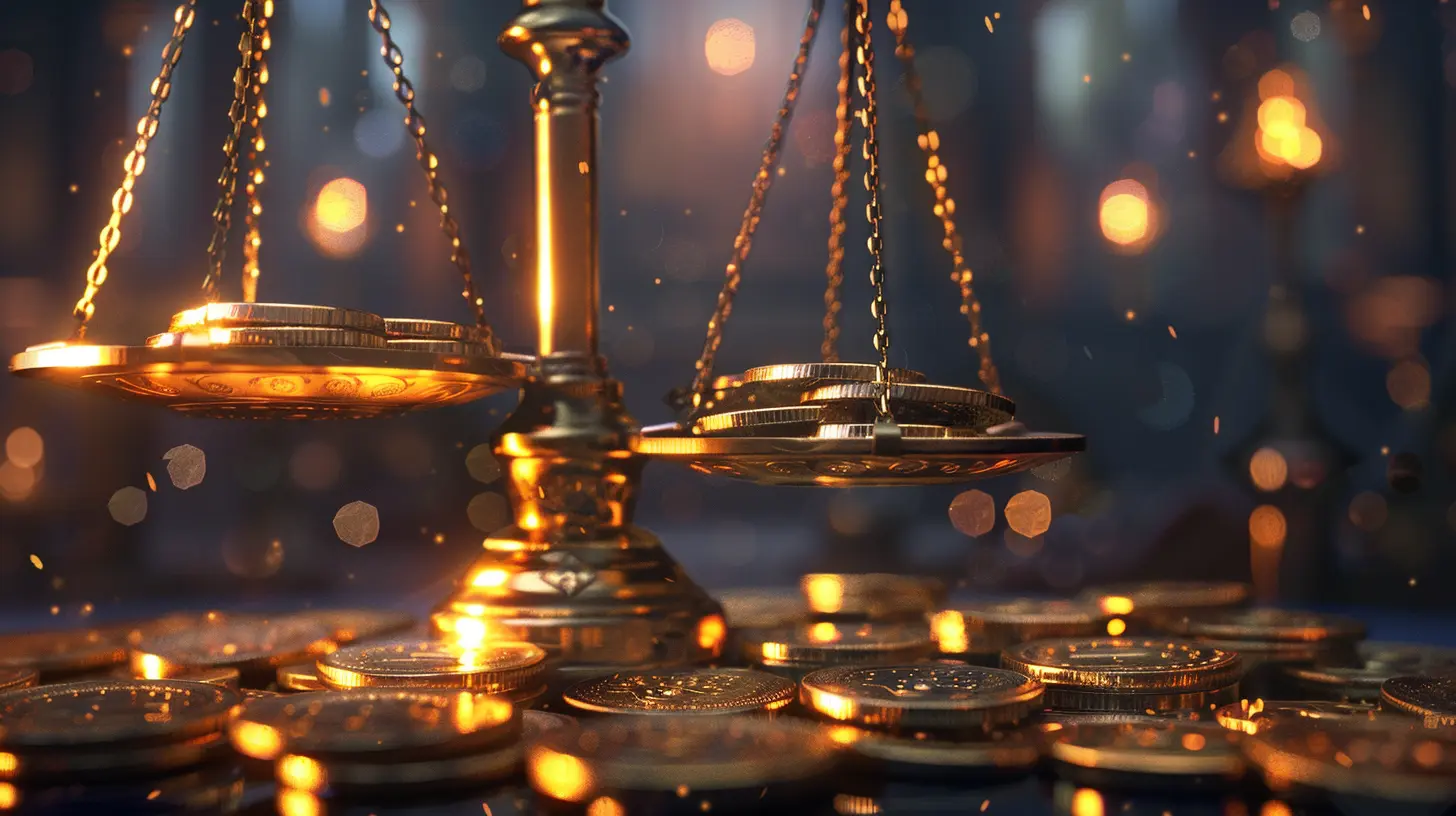
What Is Grinding, Exactly?
Before we go deeper, let’s get on the same page.Grinding usually means repeating the same action over and over—like killing mobs, farming resources, or crafting items—to gain experience points (XP), money, or loot. Think back to those long nights farming boars in World of Warcraft, or endlessly running missions in Destiny trying to score better gear. Yeah, that’s grinding.
It’s not always fun, and it can be repetitive. But for games, especially the ones that include some sort of in-game economy, it’s more than just a time sink—it’s a gear in the economic machine.
Why Do Games Have Economies Anyway?
You might be thinking, “It’s just a game, why does it need an economy?” Good question.Many games simulate real-world systems. Players are rewarded with in-game currency, valuable loot, or rare items that can be traded or sold. Over time, that creates a virtual economy where players make decisions just like they would in a real market—buy low, sell high, invest in certain resources, or grind to earn more.
This happens in:
- MMORPGs like Runescape and Final Fantasy XIV
- Survival games like Rust and ARK
- Even in single-player games like Skyrim with crafting and looting systems
Now, where does grinding come into all of this? You guessed it—it’s the gatekeeper.
How Grinding Controls In-Game Inflation
Let’s talk about inflation—but don’t worry, we’re not going full econ-class here.Imagine everyone in a game could get a million gold coins just by logging in. Sounds great, right? Except if everyone’s rich, no one really is. Prices go up, poor players feel left behind, and rare items lose their value. This is what we call in-game inflation.
Grinding helps prevent that. By requiring effort and time to earn currency or items, grinding slows the rate at which new wealth enters the economy.
Think of it like a faucet dripping coins into the game's economy rather than blasting them out firehose-style. This “slow drip” keeps prices stable and gives value to money and items.
Balancing Rewards with Effort
Game developers walk a tightrope here. If grinding becomes too easy, players accumulate resources too fast, leading to inflation. Too hard? Players get frustrated and quit.The trick lies in finding a grind that feels productive without being exploitable. That often means:
- Scaling XP and loot rewards based on level
- Introducing diminishing returns
- Time-gating rewards (like daily missions or limited-time events)
Ever notice how some games cap your rewards per day or week? It’s not just to make you come back—it's to throttle economic growth and keep things from spiraling out of control.
Grinding as a Sink for Surplus Resources
One of the most underappreciated roles of grinding is acting as a resource sink.In economic terms, a sink is something that removes or reduces resources from circulation. In games, that might be:
- Crafting that consumes rare materials
- Upgrades that cost increasingly more currency
- Repair costs or item degradation
Grinding often supports these systems. Players grind to gather materials, then spend them, controlling both the inflow and outflow of resources. This cycle keeps the economic wheel turning.
Without these sinks, players would hoard resources indefinitely, eventually destabilizing the market.
Free-to-Play vs. Pay-to-Win: Where Grinding Gets Tricky
Nowhere is the grind/economy balance more fragile than in free-to-play (F2P) games. Typically, these games let you grind for rewards—or pay real money to skip the grind.Seems fair. But balance is everything.
Too much grind, and players feel like they’re being punished for not spending. Too little, and the game loses its revenue stream. Worse, if paying players overpower non-paying ones too easily, you get the dreaded pay-to-win stigma.
This is where the economy can really break down. The best F2P games master this balance—providing meaningful rewards through grinding while offering convenience or cosmetics through microtransactions.
Player-Driven Economies: Where Grinding Becomes Commerce
Some games go a step further and let players set prices, run shops, and trade with others. Examples?- Eve Online
- Old School RuneScape
- Albion Online
In these games, grinding isn’t just about character progression—it’s economic participation.
A player who farms rare resources might sell them to crafters. Those crafters might build weapons to sell to PvP players. Each player’s grind supports someone else’s gameplay loop.
It becomes a full-blown supply chain. And just like in the real world, supply and demand determine value—which is why controlling the rate of grinding is crucial to keeping the economy running smoothly.
Artificial Scarcity: Is It Manipulative or Necessary?
A controversial trick some games use is “artificial scarcity.” This means making certain items or currencies harder to get—not because it’s difficult, but because the game limits access.Weekly raid lockouts? Rare drops with a 1% chance? That’s artificial scarcity.
It might feel frustrating, but it’s often implemented to keep high-value items rare and desirable. It also controls inflation and prevents an oversupply of powerful resources.
Think of it like a luxury market—Rolex doesn’t flood the world with watches, and neither do developers with ultra-rare loot.
When the Grind Goes Wrong: Burnout and Exploits
Of course, too much grinding can backfire.Players get tired. They feel like hamsters in a wheel. And if someone finds a shortcut—like a bug or exploit—it can tank the entire economy.
That’s not hypothetical. Some MMO economies have been wrecked overnight by duping glitches or botting operations that flood the market.
Smart developers patch these quickly and sometimes roll back economies. But when grinding systems are too punishing, players are more likely to cheat the process. It’s a feedback loop: bad grind → cheating → broken economy.
Balance, again, is everything.
The Psychological Side of Grinding
Here’s where it gets a little philosophical.Grinding taps into a basic human desire—progress. We love watching numbers go up, collecting loot, and mastering hard tasks. It’s the same dopamine hit we get from leveling up in real life—just faster and flashier.
But developers also use that psychology to keep us engaged. That’s why grind mechanics often come with tiered rewards, shiny unlocks, and progression bars that fill just right before bedtime. It’s a subtle dance between satisfaction and addiction.
When grinding is balanced right, it feels rewarding and keeps players around. Done wrong, it becomes a chore or even feels manipulative.
Tips for Developers: Balancing Grind and Economy
If you’re a game dev—or just curious how the sausage gets made—here are a few best practices for syncing grind with economic balance:- Monitor Resource Flows: Keep an eye on how fast players are earning currency and items. Too much, too fast? Time to tweak.
- Use Dynamic Pricing or Drop Rates: Adjust item rarity or vendor prices based on supply and demand within the game.
- Create Meaningful Resource Sinks: Make sure players constantly spend what they earn to stimulate circulation.
- Reward Different Playstyles: Not everyone wants to grind mobs. Offer rewards for crafting, trading, and exploring too.
- Respect Player Time: Make sure the grind feels worth it, not just a wall between the player and fun.
Final Thoughts: It’s All a Balancing Act
Grinding and economic balance go hand in hand. The grind isn't just a filler—it’s a functional tool that regulates supply, controls inflation, and keeps an in-game economy humming smoothly.When it’s designed well, grinding creates progression, excitement, and purpose. Players feel like their time means something. When it’s off-balance? Well, nobody wants to feel like they're stuck in a virtual rat race.
Whether you're a developer aiming to tweak your in-game economy or a gamer frustrated with an endless loot treadmill, understanding this relationship can give you a whole new appreciation for why that goblin keeps dropping the same 12 copper coins.
all images in this post were generated using AI tools
Category:
In Game EconomyAuthor:

Jack McKinstry
Discussion
rate this article
1 comments
Isolde Gill
This article raises important points about grinding and its impact on game economies. It's crucial for developers to find a balance that keeps players engaged without frustration.
July 11, 2026 at 2:25 PM
Jack McKinstry
Thanks for your insight! Striking that balance is definitely a challenge, but it's key to a healthy game economy. Your thoughts add depth to the discussion.