How Augmented Reality Games Foster Real-World Teamwork
16 April 2026
Gaming has come a long way, hasn’t it? We’ve moved from clunky joysticks and pixelated screens to immersive experiences that blur the lines between the digital and physical worlds. And if there’s one thing that’s changing the game (literally), it’s Augmented Reality — or AR for short.
You’ve probably heard of AR games like Pokémon GO or Ingress. These aren’t just about catching adorable creatures or hacking virtual portals — they’re transforming how people work together in real life. Yep, we’re talking real-world teamwork powered by virtual elements. Sounds wild? Let’s dive into how AR games actually bring people closer, enhance collaboration, and develop some seriously useful skills.

What Exactly Are Augmented Reality Games?
Before we go deep, let’s get the basics straight.Augmented Reality (AR) games overlay digital content on the real world using your smartphone or AR glasses. Unlike Virtual Reality (VR), which plunges you into a completely digital universe, AR keeps you grounded — in your living room, the park, or even out on the streets — and layers interactive elements over your surroundings.
So, instead of just playing a game while sitting on your couch, AR has you physically moving, exploring, and most importantly, interacting with others in the real world. That’s where the magic happens.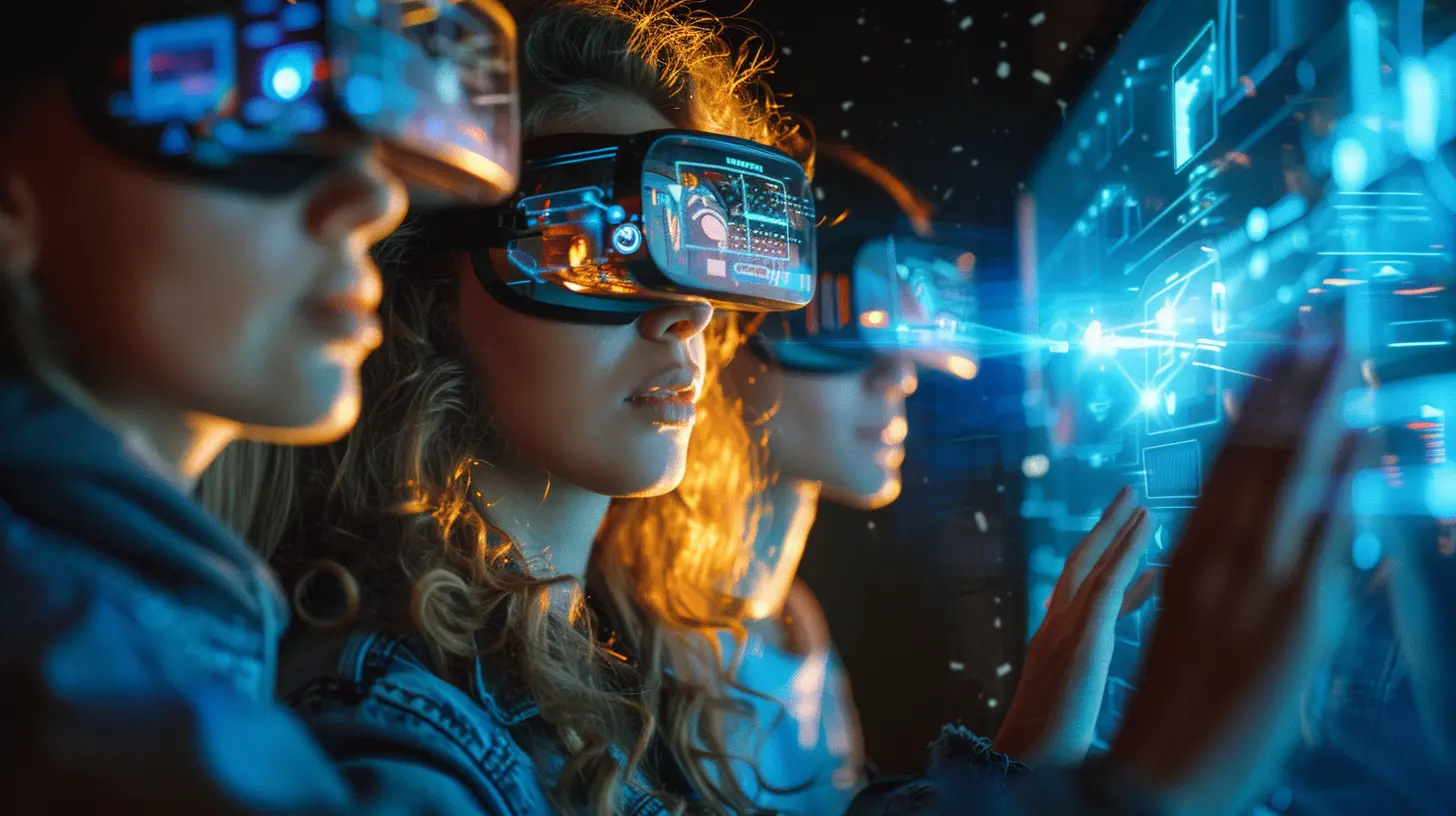
The Shift From Solo to Squad
Remember when gaming was a solo sport? You’d sit alone, controller in hand, headphones on. Sure, online multiplayer changed that a bit, but you’re still mostly talking to avatars and some voice behind a headset.AR? It flips that script.
Most AR games actively encourage — or even require — teamwork in real-time, physical spaces. You’ve got to coordinate meetups, split responsibilities, and strategize together. It’s like a digital treasure hunt meets team-building bootcamp. Except way more fun (and with fewer trust-falls).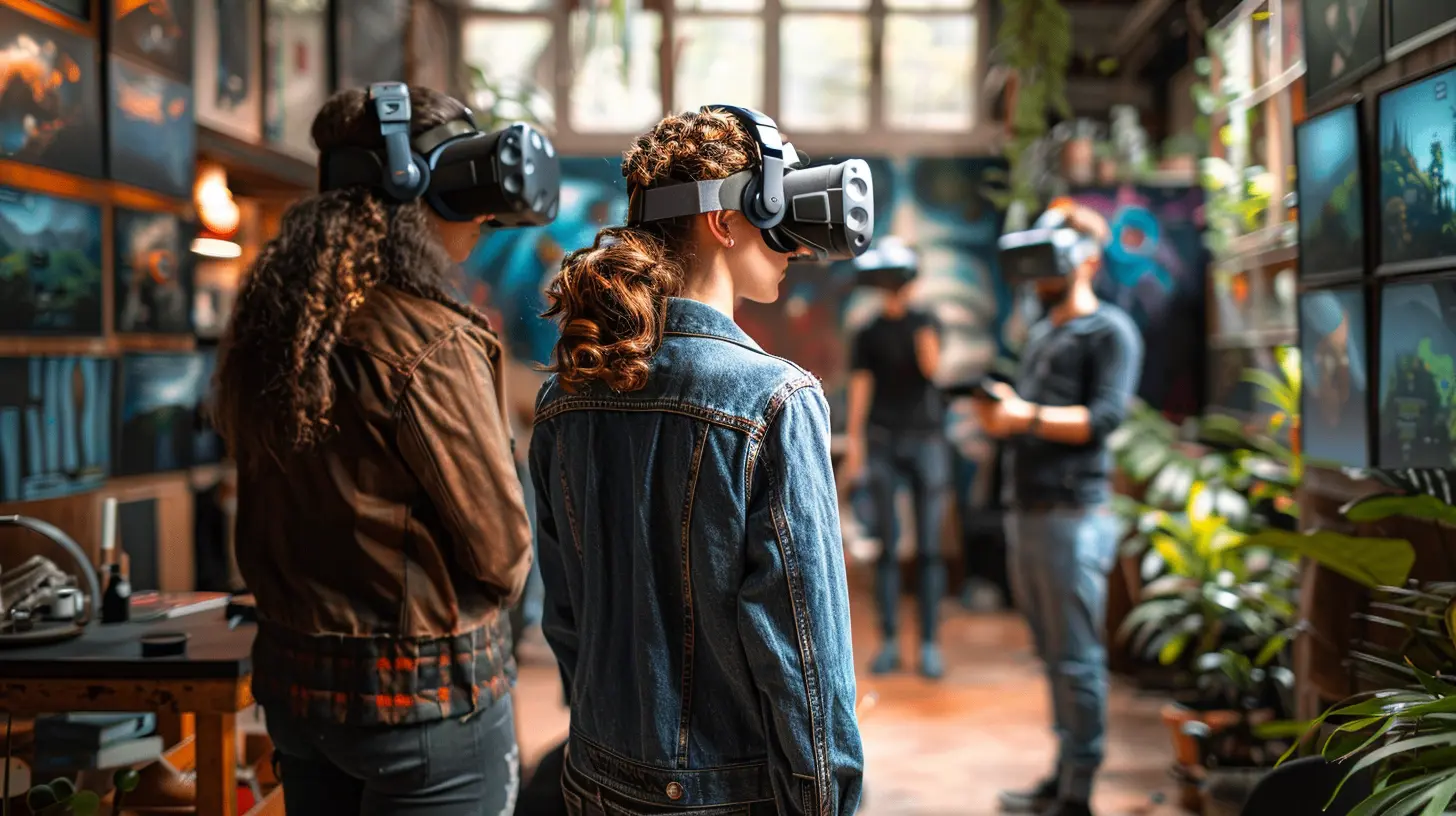
Pokémon GO: More Than Just Catching 'Em All
Let’s talk about the elephant in the AR room — Pokémon GO.When this game launched back in 2016, it wasn’t just a pop-culture moment. It was a worldwide movement. Cities were suddenly filled with groups of people — friends and strangers — walking around together, talking, and helping each other track down rare Pokémon or take over gyms.
But here’s the thing: Pokémon GO didn’t just get people off their couches — it got them interacting and collaborating with others face-to-face. Players had to join teams (Mystic, Valor, or Instinct), compete in raids that required several people to defeat powerful Pokémon, and even form local chat groups to organize events.
The takeaway? AR games like Pokémon GO merge digital incentives with real human connection, and teamwork becomes the default rather than the exception.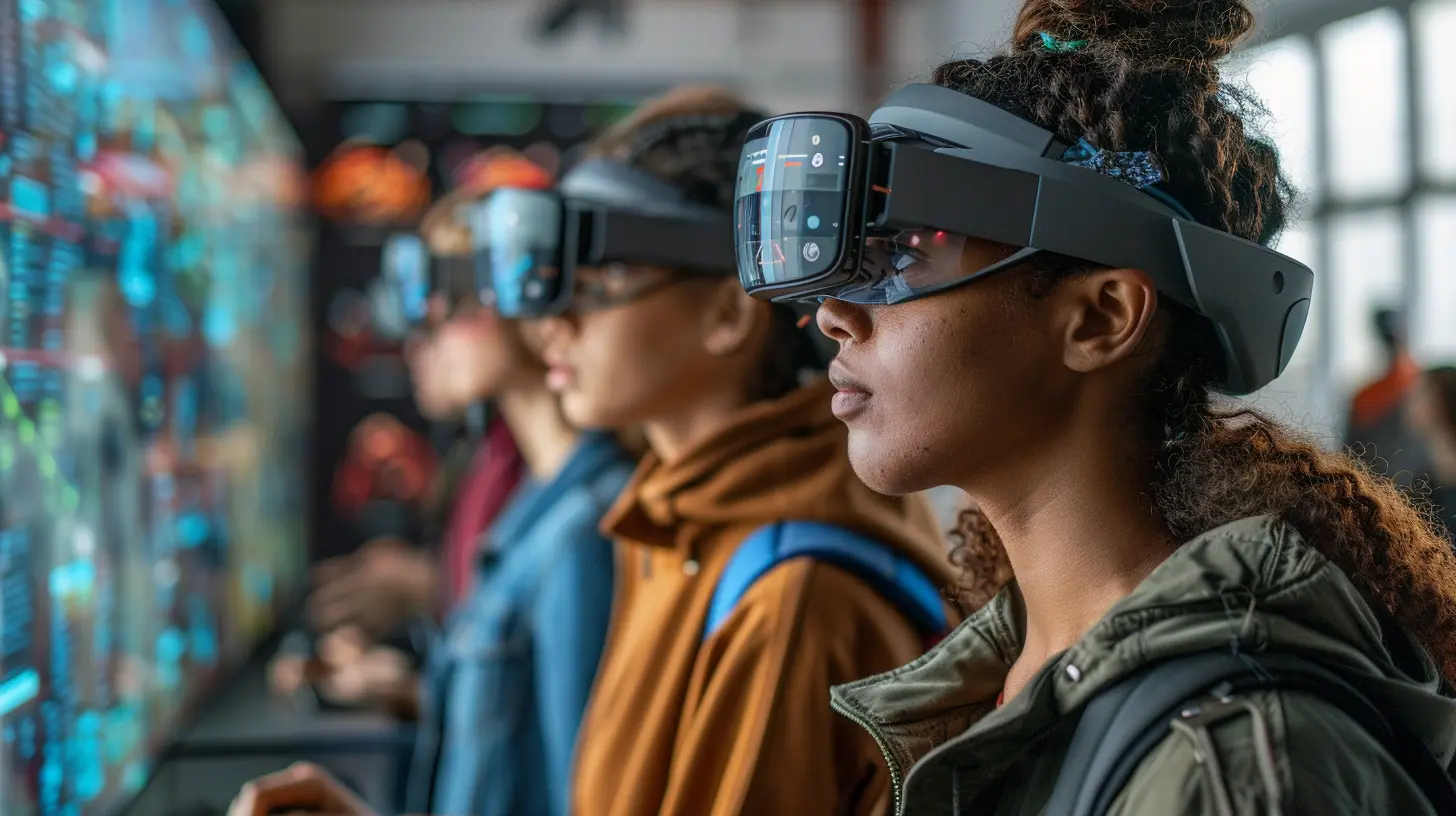
The Psychology Behind AR-Driven Teamwork
Ever wondered why AR games are so effective at bringing people together?Here’s the scoop:
1. Shared Goals Create Instant Bonds
When you and someone else are chasing the same mission — whether it’s capturing a digital flag or unlocking a hidden portal — you're naturally pulled together. Shared goals are the foundation of teamwork, and AR games provide them in spades.2. Physical Presence Builds Trust
Unlike online-only games, AR demands physical collaboration. You see the person, you talk to them, you laugh when they mess up, and you high-five when they succeed. That kind of face-to-face interaction? It builds trust way faster than any voice chat ever could.3. Problem-Solving Becomes a Group Sport
AR games often throw puzzles or challenges at you that require multiple skill sets or perspectives. That means every player brings something to the table, and the more diverse the group, the better your chances of succeeding.AR Games that Push Teamwork to the Forefront
Sure, Pokémon GO gets a lot of love, but it's not alone in the AR world. Let’s take a look at some other games that are turning strangers into teammates.Ingress Prime
Created by the same folks behind Pokémon GO (Niantic), Ingress is a complex game where players pick factions and battle for control over physical locations. It’s less casual and more strategic — and it requires serious coordination. Players must meet, plan, and deploy at specific times to win.Translation? If you’re not working as a unit, you’re toast.
The Walking Dead: Our World
Ever imagined fighting off zombies while walking your dog? Well, with this geo-location shooter game, you can. But the real highlight is the cooperative element — joining forces with others, building shelters, and saving survivors. You’ll need to collaborate with teams locally or globally to keep the undead at bay.Harry Potter: Wizards Unite (RIP)
Though it’s been sunset, this game deserves a nod. Wizards Unite brought spell-casting to the real world, and it encouraged players to team up for fortress battles. Just like Pokémon GO raids, these required planning and coordination — and made it feel like you were attending a wizarding academy with friends.Real-Life Skills Gained from AR Team Gaming
Here’s where things get really interesting. AR isn’t just about entertainment — it’s sneakily helping players build skills we use in everyday life and in professional settings. Think of it as a bootcamp wrapped in a spell or a Pokéball.Communication
To beat higher-level challenges, you can’t just wing it. Players need to explain strategies, delegate roles, and adjust as things change. That means learning to communicate clearly and effectively — something every good team needs, whether you’re gaming or working on a big project.Leadership
In any group, natural leaders emerge — the person who organizes the raid, keeps everyone on task, or motivates the group when things go sideways. AR games offer low-stakes environments to develop and refine those leadership chops.Adaptability
AR games are dynamic. Weather changes, your location shifts, new challenges appear. Players learn to think on their feet and adapt fast — a killer skill in today’s fast-paced world.Empathy and Social Awareness
When you play with real people, you learn to read body language, pick up on emotions, and adjust your behavior accordingly. These micro-interactions build empathy — and that’s something we could all use more of.Using AR Games in Business and Education
Surprisingly, the implications of AR games go well beyond fun and games. Businesses and schools are starting to harness the power of AR gaming to build teamwork among employees and students.Team-Building for Companies
Imagine a company offsite where employees are solving AR puzzles scattered around the city instead of sitting through a PowerPoint marathon. AR-based team-building exercises promote collaboration, boost morale, and foster genuine connections.Enhancing Education
Teachers are leveraging AR games in classrooms to get students working together on interactive science experiments or historical scavenger hunts. It’s hands-on learning, mixed with collaboration, and topped with a bit of magic.Challenges and Risks — It’s Not All Rainbows
Okay, time for a reality check. While AR games are great at fostering teamwork, they’re not without their drawbacks.Safety Concerns
Encouraging people to roam around neighborhoods with their eyes glued to a screen? Yeah, that can be risky. There have been cases of accidents, trespassing, or worse. That’s why developers are working on smarter alerts and boundaries.Exclusivity
Not everyone has access to a smartphone with AR capabilities or the time/ability to move around freely. So, while AR can boost social inclusion for some, it can alienate others.Addiction and Burnout
Let’s be real — any game that hooks you can also exhaust you. There’s a fine line between fun and obsession, and developers need to strike a balance that keeps players engaged without pushing them endlessly.The Future: Where Are We Headed?
With AR technology advancing fast, the future looks… well, wild.We’re talking about smarter glasses, more immersive overlays, and deeply integrated social features. Think collaborative missions across cities, real-world “quests” that require global coordination, or AR sports that blend athleticism with gaming.
As these innovations grow, so will our ability to connect, collaborate, and conquer — not just digitally, but in our daily lives too.
Final Thoughts
At the end of the day, AR games are doing something pretty special — they’re bringing back the human element to gaming. You’re not just a username online anymore. You’re a real person, teaming up with other real people, solving real problems (even if those problems include zombie invasions or rogue Pokémons).And that kind of connection? That’s something no high score can replace.
So next time you see a group of people huddled around a park bench, frantically tapping their phones and shouting directions — don’t roll your eyes. They might just be building the kind of skills we all need more of: communication, empathy, and plain old cooperation.
And hey, maybe you’ll want to join in too.
all images in this post were generated using AI tools
Category:
Augmented Reality GamesAuthor:

Jack McKinstry
Discussion
rate this article
2 comments
Rivenheart McElhinney
Augmented reality games bridge the digital and real world, igniting teamwork and collaboration. Let's embrace these experiences to strengthen connections and unleash our collective potential!
April 16, 2026 at 2:31 PM
Jack McKinstry
Absolutely! Augmented reality games are a powerful tool for enhancing collaboration and building connections in the real world. Let's harness their potential together!
Quentin McClure
AR games enhance collaboration, blending virtual challenges with real-world teamwork.
April 16, 2026 at 5:00 AM
Jack McKinstry
Thank you! I'm glad you see how AR games can unite players in both virtual and real-world environments. Their collaborative nature truly enhances teamwork!