How Crafting Systems Impact In-Game Marketplaces
8 March 2026
If you’ve ever gotten hooked on a game and spent hours farming ingredients just to craft that one legendary sword, you already know how deep crafting systems can go. But have you ever stopped to think about how this gameplay mechanic affects the entire in-game economy?
Crafting systems are more than just a way for players to make gear or potions. They often become a cornerstone of the in-game marketplace, influencing supply, demand, player interactions, and even the game’s long-term health. Today, we’re diving deep into how crafting systems shake up and shape virtual economies. So grab your in-game pickaxe, and let’s get to it!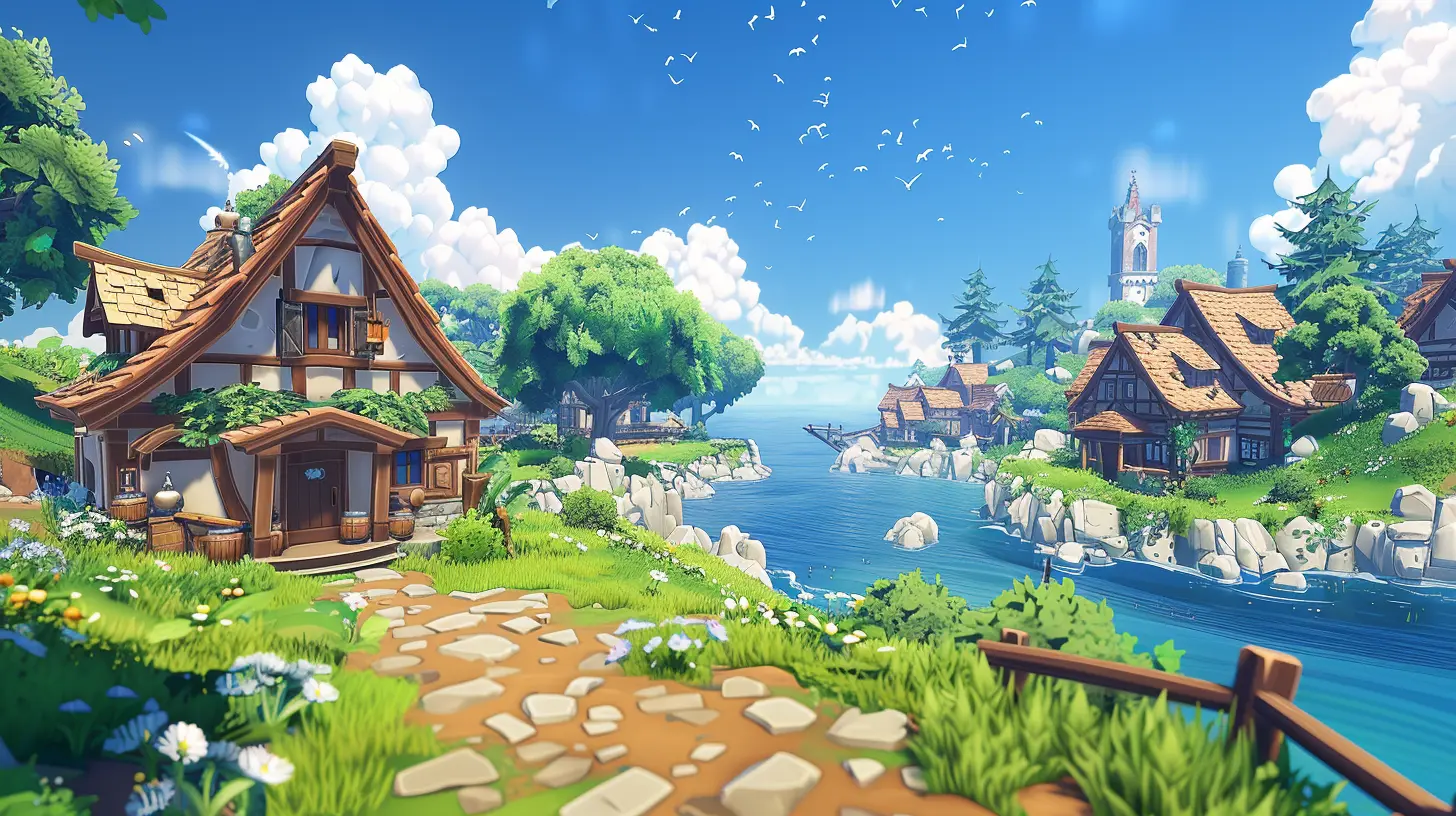
What Exactly Is a Crafting System?
Let’s kick things off with the basics. A crafting system in a game lets players create items by combining different resources. Think Skyrim’s blacksmithing, Minecraft’s endless DIY nature, or World of Warcraft’s profession system.You gather materials—like wood, ore, or herbs—and use them to make stuff. Could be armor, weapons, food, potions—you name it. Crafting systems often have skill levels or recipes to unlock, making them a central part of progression for many players.
But here’s the kicker: these systems don’t exist in a vacuum. The items you craft often end up in the hands of other players. And that’s where the real economic magic happens.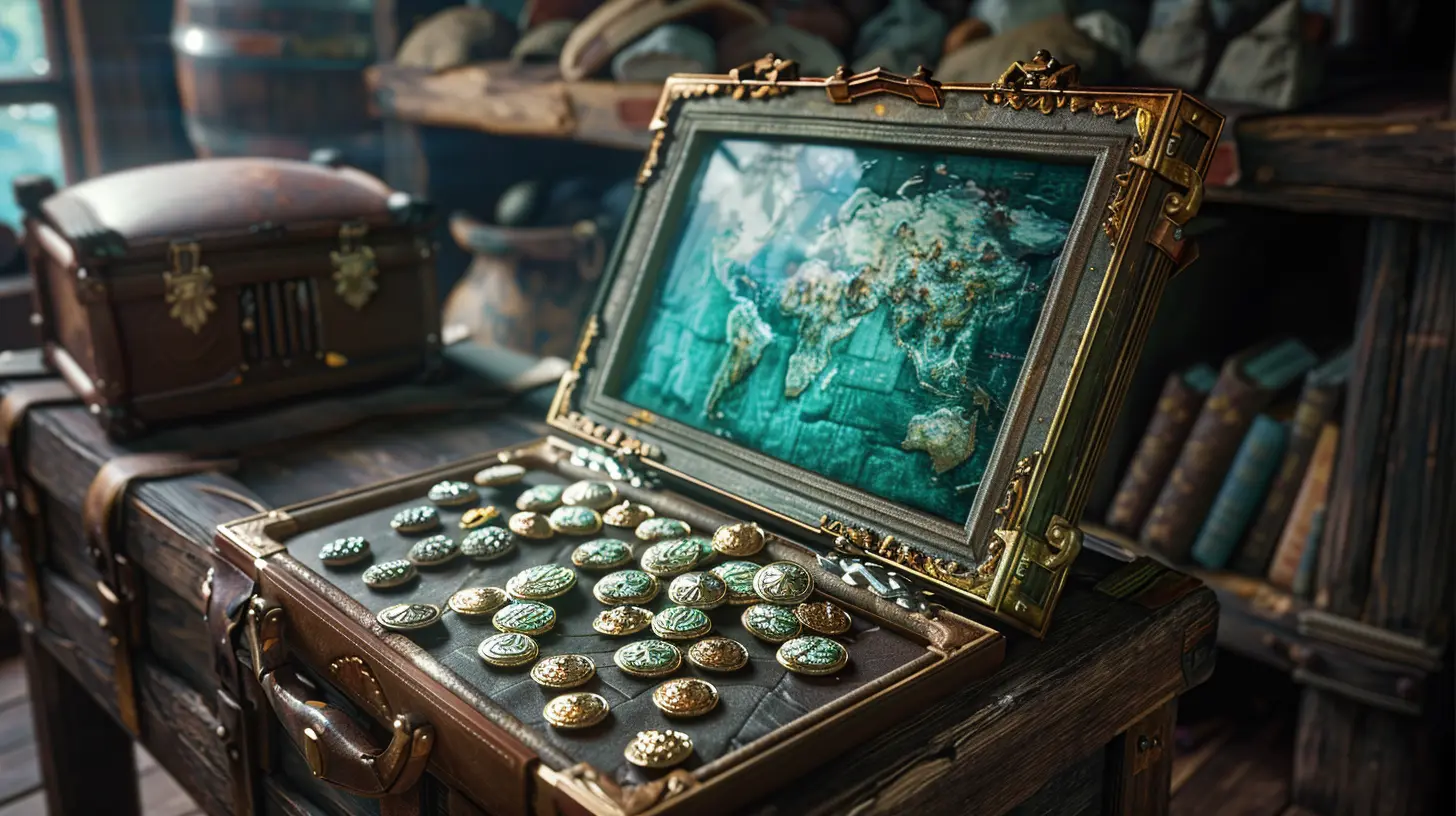
The Marketplace: A Living, Breathing Economy
Most modern games with crafting also have some form of in-game marketplace. This could be an auction house, a trading post, or even good ol’ face-to-face bartering.These marketplaces can be:
- Player-driven (like EVE Online or New World): Supply and demand are entirely shaped by what players gather, craft, and sell.
- Developer-influenced: The game controls part of the marketplace, usually through NPC vendors, base prices, or crafting sinks.
Crafting systems feed directly into these marketplaces. They change what’s valuable, what’s rare, and what’s in demand. Let’s look at how crafting systems stir the economic pot.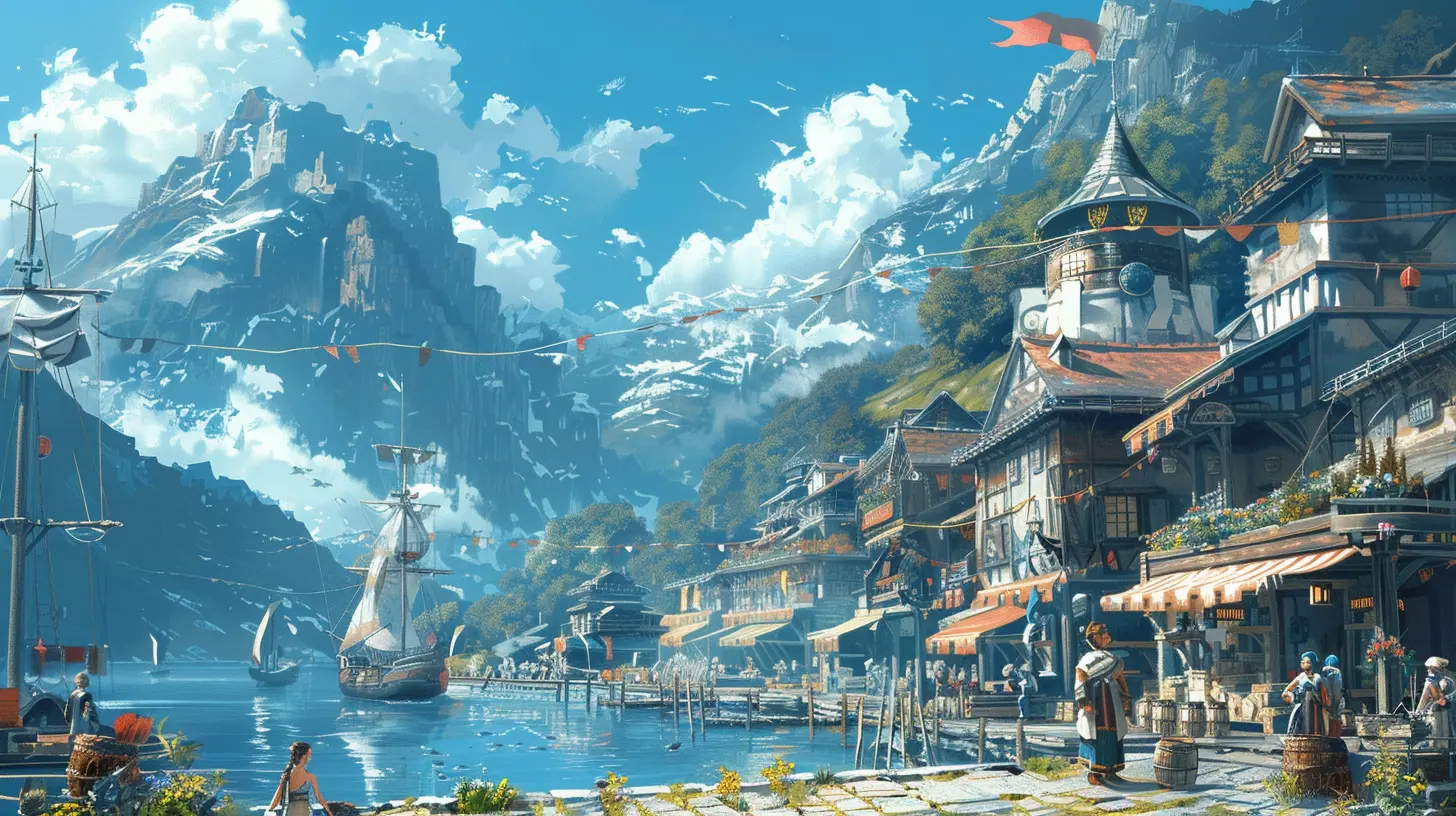
Supply and Demand: The Backbone of Virtual Economies
Here’s something you probably already know: people want good gear. But not everyone wants to spend hours gathering mushrooms or mining ore. That’s where crafters come in.Crafting creates a supply for gear, potions, ammo, furniture, and a million other things. Meanwhile, busy or combat-focused players drive the demand.
Crafting systems breathe life into these economic principles:
- High-level recipes = high demand. Not everyone has the skills or resources to craft top-tier items.
- Limited resources create bottlenecks. If a rare herb only spawns once an hour, its price will skyrocket.
- Volume crafting floods the market. When too many players make the same item, prices crash.
This dynamic makes marketplaces constantly evolve. Prices fluctuate. Demand rises and falls. And crafters have to stay ahead of the curve like digital entrepreneurs.
Crafting Adds Depth to Player Roles
In many games, crafting isn’t just a side hustle—it’s a full-blown career path. Some players dedicate their entire gameplay to gathering and crafting, barely touching the main questline.This specialization creates a need for trade and cooperation:
- Gatherers collect raw materials.
- Crafters turn them into valuable products.
- Traders understand the market and flip goods for profit.
It’s like a medieval fantasy version of a supply chain!
This division of labor stimulates the in-game economy. Players depend on each other to get things done, which creates healthy marketplace activity and—let’s be honest—some pretty entertaining player drama.
Rarity and Crafting Complexity: A Recipe for Economic Excitement
Crafting systems often include rare ingredients and complex recipes. This isn’t just to make you pull your hair out—it also spices up the economy.Think of it like baking a cake with a rare spice. That spice is hard to get, but it makes your cake (or legendary axe) way more valuable.
- Rare ingredients drive exploration and monopolies.
- Time-limited materials (like holiday-specific items) create temporary market bubbles.
- Multi-tier recipes build entire supply chains (e.g., you need iron to make steel ingots to then craft armor).
These systems incentivize strategic thinking. Should you sell your raw materials now or craft them into something more profitable? Should you focus on rare items with big potential payoffs, or go for safer, simpler crafts that sell quickly?
The choices players make here ripple through the entire economy.
Inflation and Market Saturation: The Flip Side
Now, not everything about crafting systems is sunshine and epic loot. If crafting isn’t carefully balanced, it can actually hurt the in-game economy.Let’s say a ton of players start crafting the same health potion. Suddenly, the market’s flooded. Prices plummet. Profit margins vanish. Sound familiar?
Or worse—players hoard too many resources during events, then sell them later, creating inflation. Some MMOs have even had to adjust drop rates or introduce currency sinks (like repair costs or crafting failures) to keep things stable.
Crafting systems need to be designed with economic sustainability in mind. Otherwise, the market becomes a wasteland of useless items and skyrocketing prices.
How Developers Use Crafting to Manipulate Economies
Yep, developers have a hand in all this too. They often use crafting systems to quietly steer the economy in certain directions:- Patches and updates: A new recipe can suddenly make an old item valuable again.
- Resource respawn rates: These control how much of a material is available, influencing scarcity.
- Crafting event bonuses: Limited-time events can flood markets or encourage trade.
Smart game devs treat their in-game economies like real ones—using crafting as both a content tool and an economic lever. They tweak systems to respond to player behavior, stop inflation, or even revive a dying market.
The Social Side of Crafting and Trading
Crafting isn’t just about making stuff—it’s also about making connections.In MMOs especially, crafting systems encourage:
- Guild crafting efforts: Everyone pitches in to build a base or craft a legendary item.
- Trade negotiations: Players haggle, barter, and build reputations as trustworthy merchants.
- Economy-focused communities: Entire Discord servers exist just for trading info and price tracking.
Crafting breathes life into social circles. It gives players a reason to talk, trade, and team up. The marketplace becomes a virtual town square rather than just a row of listings.
Crafting as a Form of Player Expression
We often associate crafting with economics, but let’s not forget the creative side.- Building a player house in Valheim with custom-crafted furniture?
- Designing outfits in Final Fantasy XIV using tailor-crafted gear?
- Crafting unique potions or dishes in The Legend of Zelda: Breath of the Wild?
These systems allow players to express themselves, and the marketplace responds. Fashion and flair become valuable. “Useless” items gain worth because of aesthetics or meme value.
This layer of personalization adds emotional weight to the marketplace. You’re not just trading numbers—you’re trading style, effort, and identity.
Real-World Lessons from Digital Economies
You might be surprised to know that economists study in-game markets because they mirror real-world behaviors. Crafting systems simulate real economics:- Resource scarcity
- Consumer demand
- Product differentiation
- Marketing strategies
Some players even treat the marketplace like a job—flipping items, cornering markets, and tracking trends like Wall Street traders.
And hey, who says all that time in your MMORPG isn’t teaching you valuable life skills?
Some Standout Examples of Crafting-Driven Economies
Let’s highlight a few games that absolutely nailed this concept:1. EVE Online
The granddaddy of complex virtual economies. Nearly everything in EVE is crafted by players. Massive corporations rise and fall based on production chains and trade routes.2. World of Warcraft
WoW’s auction house has been its heartbeat for years. Crafting professions and rare recipes drive competition and profit across different servers.3. New World
Amazon’s MMO leans heavily on crafting for gear creation. The economy is entirely player-driven, with local markets and regional trade hubs.4. RuneScape
With an economy that’s been evolving for over a decade, RuneScape’s crafting and skilling systems are a playground for merchants and economists alike.What the Future Holds for Crafting Systems
As games get more advanced, crafting systems are evolving too. We’re seeing more:- Player-created economies with minimal developer involvement
- Cross-server trading and even blockchain-based items (looking at you, Web3 games)
- Crafting-based progression systems where gear is entirely user-generated
Developers are realizing that a well-designed crafting system adds longevity, community, and genuine fun to their games. When done right, it’s not just another mechanic—it’s the heart of the game.
Final Thoughts
Crafting systems aren’t just about making cool swords or potions. They’re the gears that keep the in-game economy running. From setting prices to creating social bonds, crafting turns players into creators, merchants, and entrepreneurs.Whether you’re a casual player selling a few potions or a hardcore trader flipping rare mats for massive profit, crafting systems impact your gameplay more than you might realize.
So next time you're gathering herbs or smelting ore, remember—you’re not just crafting an item. You’re shaping the economy.
all images in this post were generated using AI tools
Category:
In Game EconomyAuthor:

Jack McKinstry
Discussion
rate this article
2 comments
Arlo McKinstry
Crafting systems weave an intricate web in game economies, creating a dance of supply and demand. But what if the true value of crafted items lies not in their utility, but in the secrets they hold? Unravel the mystery.
March 16, 2026 at 5:38 PM
Jack McKinstry
Absolutely! The allure of crafted items often transcends their practical use, tapping into players' desires for exploration and discovery. As we delve deeper into game economies, it’s essential to recognize that the narratives and secrets behind these items can significantly enhance their perceived value, enriching the overall marketplace experience.
Rex Pope
Crafting systems significantly influence in-game marketplaces by enhancing player engagement, creating unique item demand, and fostering a vibrant economy. These mechanics encourage resource gathering and trade, enriching the overall gaming experience.
March 9, 2026 at 3:36 AM
Jack McKinstry
Thank you for your insights! I completely agree—crafting systems play a pivotal role in shaping in-game economies and enhancing player interaction.