How Game Trailers Use Music to Shape Expectations
20 September 2026
Remember the last time you watched a game trailer and felt chills running down your spine? Maybe your heart pounded faster, or you felt a rush of excitement you couldn’t explain. That wasn’t just the visuals doing their magic—it was the music. There’s something deeply emotional about trailer music, and it’s no accident. Game developers and marketers know just how powerful music can be, and they use it with surgical precision to set the tone, stir emotions, and build hype.
In this article, we’re diving headfirst into the world of game trailers and how they use music to shape our expectations—even before we press start.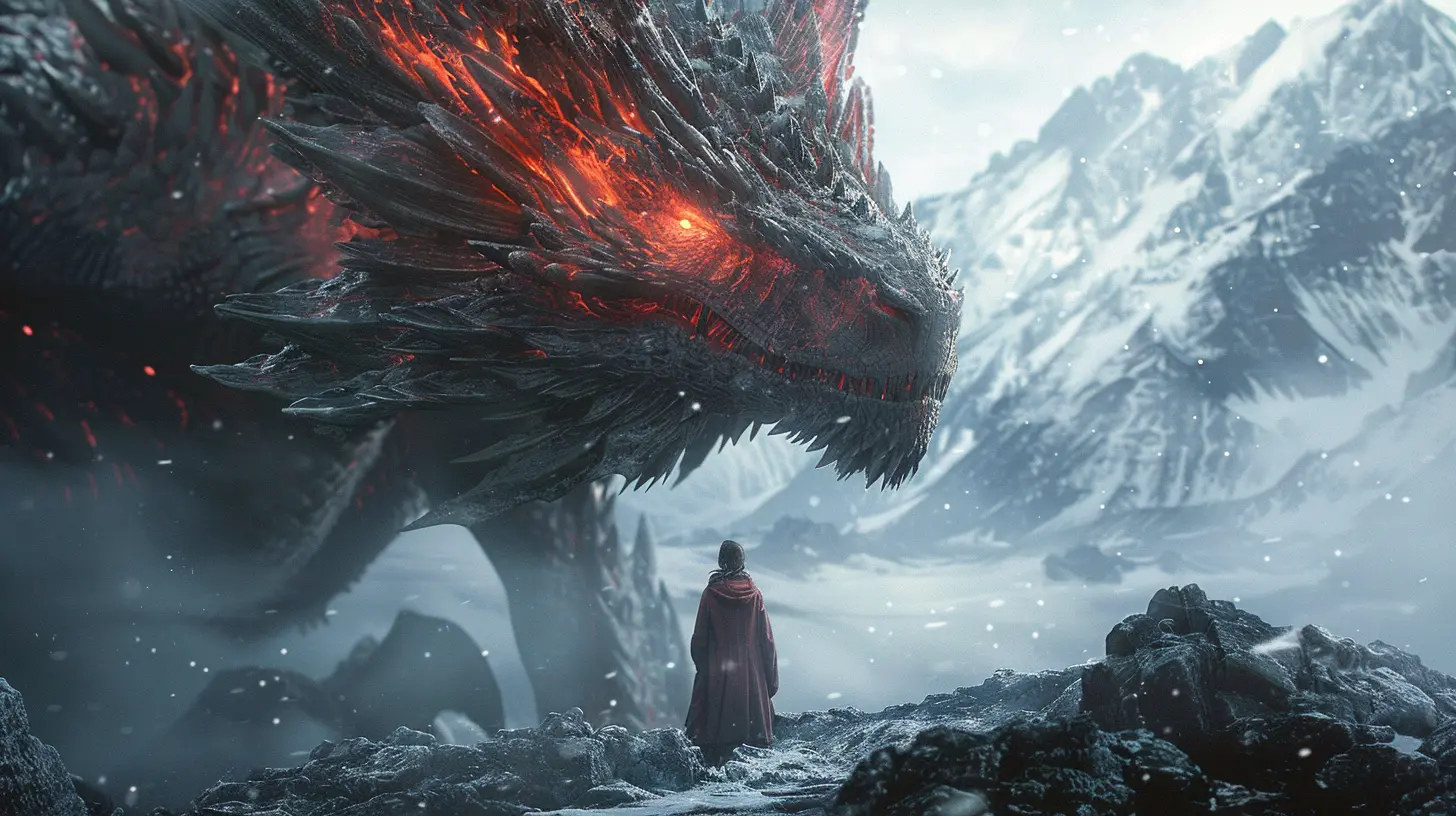
The Power of First Impressions
Let’s be real: first impressions matter. A trailer is often the very first peek we get into a new game world, story, or characters. It’s the digital handshake between player and creator. Music plays a huge role in shaping that first impression.Picture this: a dark, ominous trailer for a horror game kicks off. The screen is black. A slow, echoing heartbeat starts. It’s barely audible—but your brain picks it up. You already feel uneasy. Then, a haunting violin cuts through the silence. You’re on edge, expecting something terrifying. That’s not random. That’s composition, timing, and psychology all rolled into one.
Music plants seeds in our brain. It whispers, “This is going to be intense,” or “Get ready for adventure.” It helps us decide within seconds whether we’re intrigued or indifferent.
Music as a Storytelling Shortcut
One of the most brilliant things about using music in game trailers is how quickly it can tell a story. With just a few notes, a game can reveal its soul.For example, upbeat, fast-paced electronic music might indicate an action-packed shooter. On the other hand, a soft, melodic piano piece could hint at an emotional journey. The best part? The trailer doesn’t have to spoon-feed us every detail. The music fills in the blanks.
Game trailers don’t have the luxury of time. They usually last between 60 and 120 seconds, and in that tiny window, they need to establish tone, mood, context, and a reason for the viewer to care. Music becomes the shortcut.
Setting the Emotional Tone
Think of music as the emotional thermostat of a trailer. It sets the temperature—hot with adrenaline or chilled with dread, or somewhere in between.Ever watch a trailer and feel your emotions swing like a pendulum? That’s intentional. Those composers are emotional architects. They’re building tension, release, excitement, and even nostalgia—all through strategic sound cues.
Take the trailer for The Last of Us Part II, for instance. The haunting cover of “Take On Me” by A-ha is slowed down, raw, and emotional. It tells you right away—this isn’t just another action game. This is about love, loss, and trauma. You're going to feel something.
The Role of Tempo and Rhythm
Let’s get a little technical for a second (don’t worry, we’re not going full music theory geek). Rhythm and tempo are game-changers in how a trailer’s music impacts us.- Fast tempo = urgency, action, chaos
- Slow tempo = emotion, thoughtfulness, mystery
Combine that with visual cues—like quick camera cuts, explosions, or slow-motion scenes—and the trailer becomes a rhythm-based storytelling beast.
Ever seen those trailers where the beat of the song aligns perfectly with bullets being fired or footsteps on the ground? It's not just cool—it’s hypnotic. That synergy between sound and sight locks you in. It’s like the trailer is dancing for you, and you can’t look away.
When Silence Speaks Louder
Now here’s the twist—not all trailers go big on music.Sometimes silence is the loudest choice.
A good trailer knows when to hold back. Maybe the screen is dark, and there's a single haunting note. Maybe there’s a pause before the chorus drops, giving us that perfect breath before emotional impact. Or maybe there's a sudden stop in the music right before the scene shifts. That contrast grabs our attention more than constant noise ever could.
This use of silence and minimalism is especially common in psychological thrillers and horror games. It’s not about the sound at all—it's about the anticipation of sound. That’s where real tension lives.
Nostalgia: The Secret Weapon
Want to hit players right in the feels? Bring on the nostalgia.Gaming is emotional. For many of us, it’s a core memory. So, when a trailer uses a familiar theme—maybe a remastered version of a beloved old game’s music—it triggers a wave of emotions. It brings us back. It reminds us why we play in the first place.
When developers use iconic tracks from older franchises, they’re not just being clever—they’re speaking directly to our hearts. Titles like Final Fantasy, Halo, or Legend of Zelda often use this trick. One few-second snippet of a memorable melody and—bam!—we’re hooked.
Licensed Music vs. Original Scores
Here’s a question that pops up often: Should game trailers use popular music or stick to original scores?Both have their place.
- Licensed Songs: Think Kanye’s “Power” in Saints Row 3. It instantly gives the trailer swagger and attitude. Known tracks bring recognition and emotional baggage (in a good way).
- Original Composition: These are crafted specifically for the game. That means 100% control over the mood, pacing, and character. These scores can be tailored like a suit—perfect fit, no compromises.
Some of the most iconic trailers blend the two. They might use a popular song reworked with new vocals or a new arrangement to tie in with the game’s atmosphere, making it familiar yet fresh.
Subverting Expectations
Here’s where it gets spicy. Sometimes, trailers intentionally go against the grain. Picture a brutal combat game trailer playing to soft, lullaby-style music. It shouldn’t work... but it does.This contrast can be jarring, and that’s the point. It makes the trailer memorable. It forces you to look deeper. Why is this track playing over carnage? What’s the deeper message?
A good example? The Dead Island trailer. It used a reverse-time, emotional piano track while showing devastating violence. It was heartbreaking—and unforgettable.
Matching Music to Genre
Every game genre has its musical language. Here’s a quick breakdown:- ? Action/FPS: High-energy, intense drums, electronic synths
- ? Horror: Minimalist, eerie sounds, violins, atonal strings
- ?♂️ RPG/Fantasy: Orchestral, epic choirs, sweeping melodies
- ? Puzzle/Indie: Quirky, simple tunes, ambient loops
- ? Racing/Sports: Electronic, rock, fast-paced beats
Developers know that music needs to speak the same dialect as the gameplay. It’s all about cohesion. If the trailer feels like one thing but sounds like another, it creates dissonance—and that’s a turn-off.
Indie Games and Creative Freedom
Let’s give it up for indie game trailers—they’re where music gets really wild and experimental.Because indie developers often have more creative freedom, they take risks with their musical choices. Whether it’s a lo-fi hip-hop beat, a spoken-word poem, or a homemade instrumental, it helps the game stand out in a crowded market.
These trailers often tug at the heartstrings because the music feels personal—sometimes even composed by the developer themselves. It creates authenticity, and in today’s world, that’s priceless.
Building Hype and Going Viral
We’ve seen game trailers completely blow up... and often the music is the secret sauce.When music resonates, fans remix it, cover it, and share it. That song becomes synonymous with the game. Think of the Skyrim theme—do you hear the “Dovahkiin” chant as you read this? That’s branding at its finest.
Social sharing is a massive part of trailer success. Good music = clicks, likes, shares, and ultimately, sales. It becomes more than background noise—it’s part of gaming culture.
Final Thoughts: Music Is the Invisible Hand
Music in game trailers is like a magician’s sleight of hand. Most viewers don’t consciously notice how it’s guiding their feelings—but it is. Behind every goosebump, every skip of the heartbeat, there’s a carefully composed symphony pulling the strings.It doesn’t just complement the visuals—it enhances the story, sets the tone, and shapes your expectations before you’ve even picked up the controller.
So, the next time you watch a game trailer, listen closely. There’s a powerful narrative being told not just through the screen—but through every beat, chord, and crescendo.
Play on, friends.
all images in this post were generated using AI tools
Category:
Game TrailersAuthor:

Jack McKinstry