Quest Design: How Developers Ingeniously Keep Us Hooked in Fantasy RPGs
2 February 2026
Have you ever told yourself, “Just one more quest…” only to realize hours have flown by? Yeah, we’ve all been there. That’s not just good game design — that’s the magic of well-crafted quest systems in fantasy RPGs. The kind of magic that doesn’t require wands, just brilliant narrative design and clever psychology.
In this article, we’re diving headfirst into the heart of what makes quests in fantasy role-playing games (RPGs) feel like an irresistible journey. From epic story arcs to side missions that make you care about a random farmer’s missing chickens, we’ll explore how developers keep us coming back for more — time and time again.
The Power of the Quest
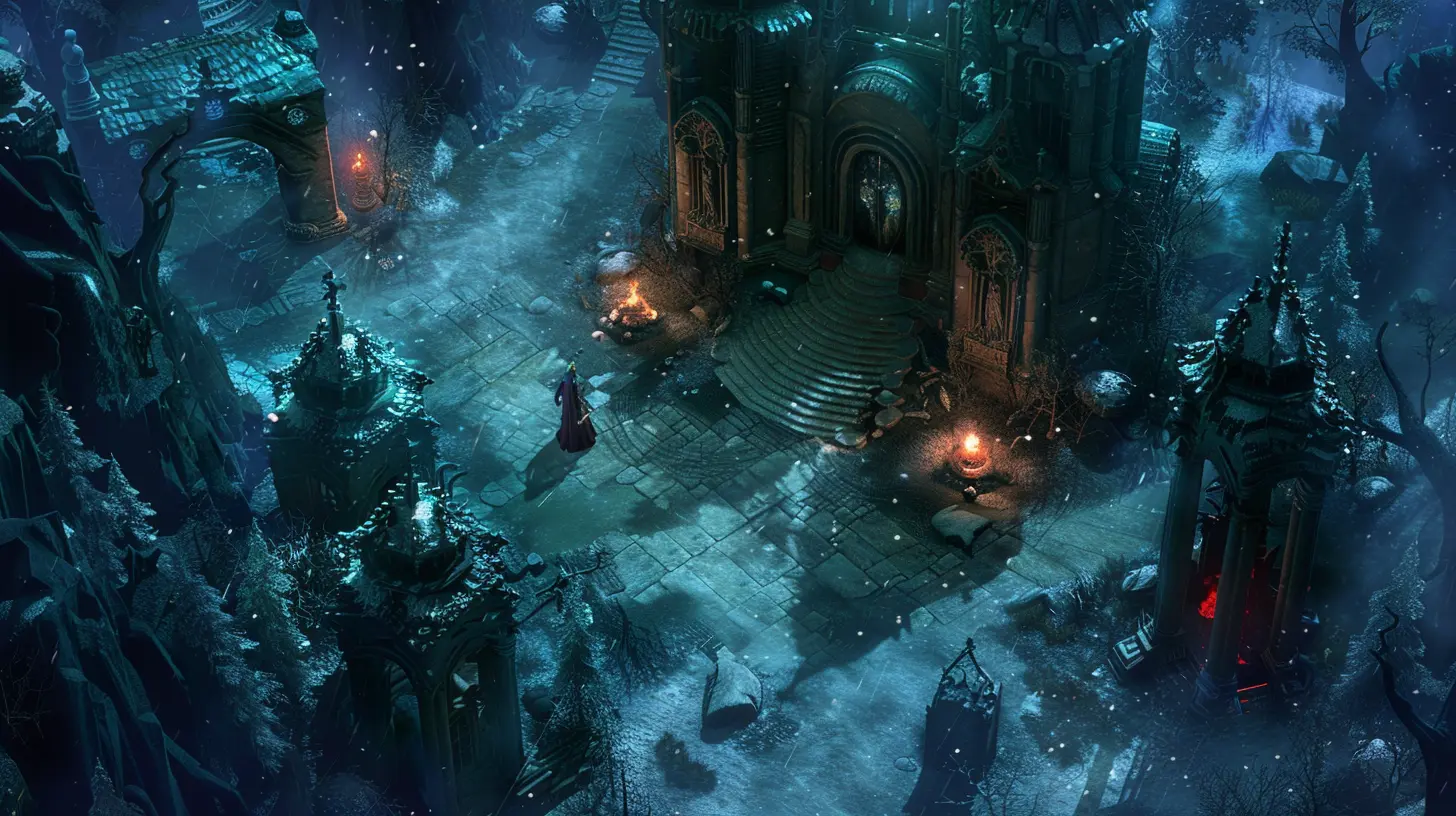
Quests are the bread and butter of any fantasy RPG. They’re more than just glorified checklists — they’re the soul of the adventure. Whether it’s slaying dragons, solving ancient mysteries, or helping a village plagued by spirits, quests offer purpose. They transform digital worlds into living, breathing stories that pull us in and make us part of the narrative.But here’s the real kicker: it’s not just about what you do — it’s about why you do it.
Why We Love Quests — Even the Weird Ones
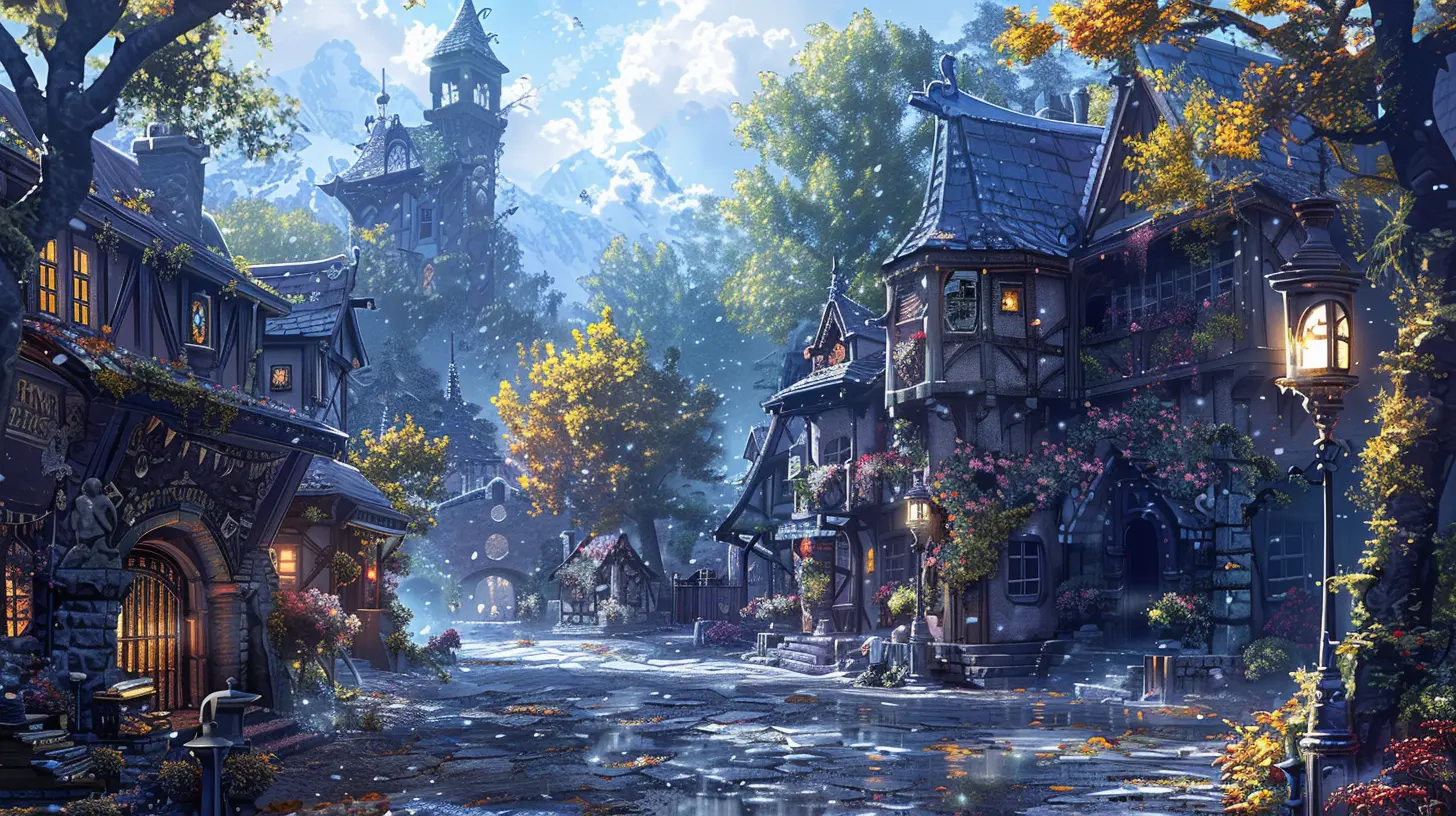
Ever wondered why fetching herbs for a sick NPC can feel just as rewarding as toppling a tyrannical overlord? It’s all in the design. Great quest design taps into basic human psychology. We crave progress, purpose, and payoff — and RPG quests deliver all three in spades.- Progress: Quests give us clear goals and immediate feedback. Ding! You leveled up.
- Purpose: They make us feel needed in the world. Without you, that village stays cursed.
- Payoff: XP, gold, gear, or story progression — whatever the reward, it keeps us chasing the next thrill.
Think of quests like little dopamine vending machines, and developers are the masterminds behind them.
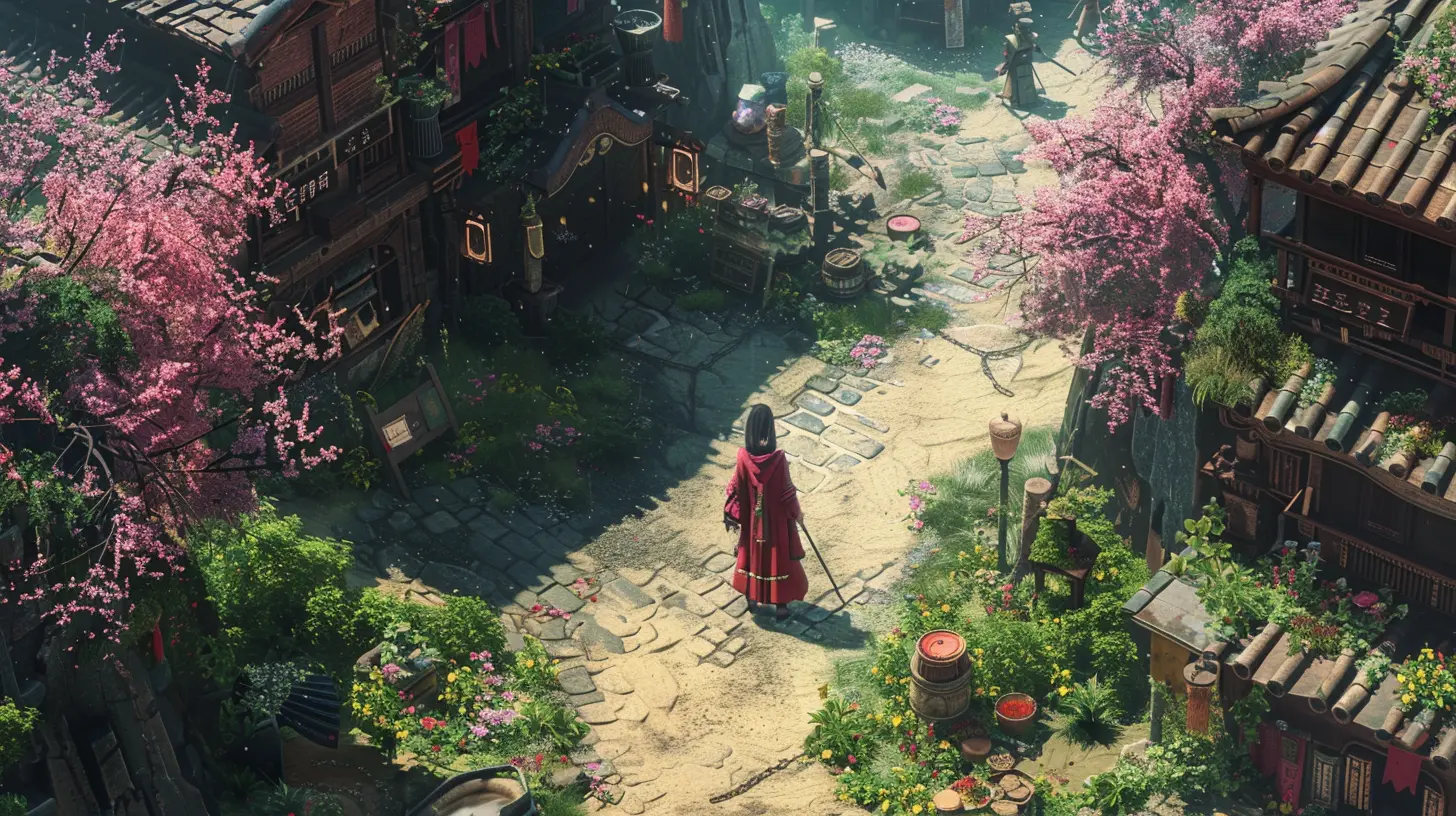
The Different Flavors of Quests
Not all quests are created equal, and that’s intentional. Variety keeps things fresh. If every quest involved “kill 10 rats,” we’d be out faster than you can say “game over.”1. Main Story Quests (The Heartbeat of the Game)
These are the cinematic, world-shattering missions that drive the core narrative. They’re filled with plot twists, unforgettable characters, and moral choices that keep your hands sweating on the controller.2. Side Quests (The Soul of the World)
This is where the magic often lies. Side quests make the world richer and more personal. Remember helping that lonely robot search for meaning in Fallout? Or the emotional rollercoaster of “The Bloody Baron” quest in The Witcher 3? Side quests give depth, and often — heart.3. Faction or Guild Quests
Want to join the Thieves Guild or rise through the Mage’s ranks? These quests give you a sense of belonging. They're layered, often with political or moral nuances, making you feel like a cog in a much bigger machine.4. Radiant or Procedural Quests
These are the endlessly repeatable ones, usually generated on the fly — perfect for grinding or filling time. While they might lack story depth, they keep you engaged between major missions.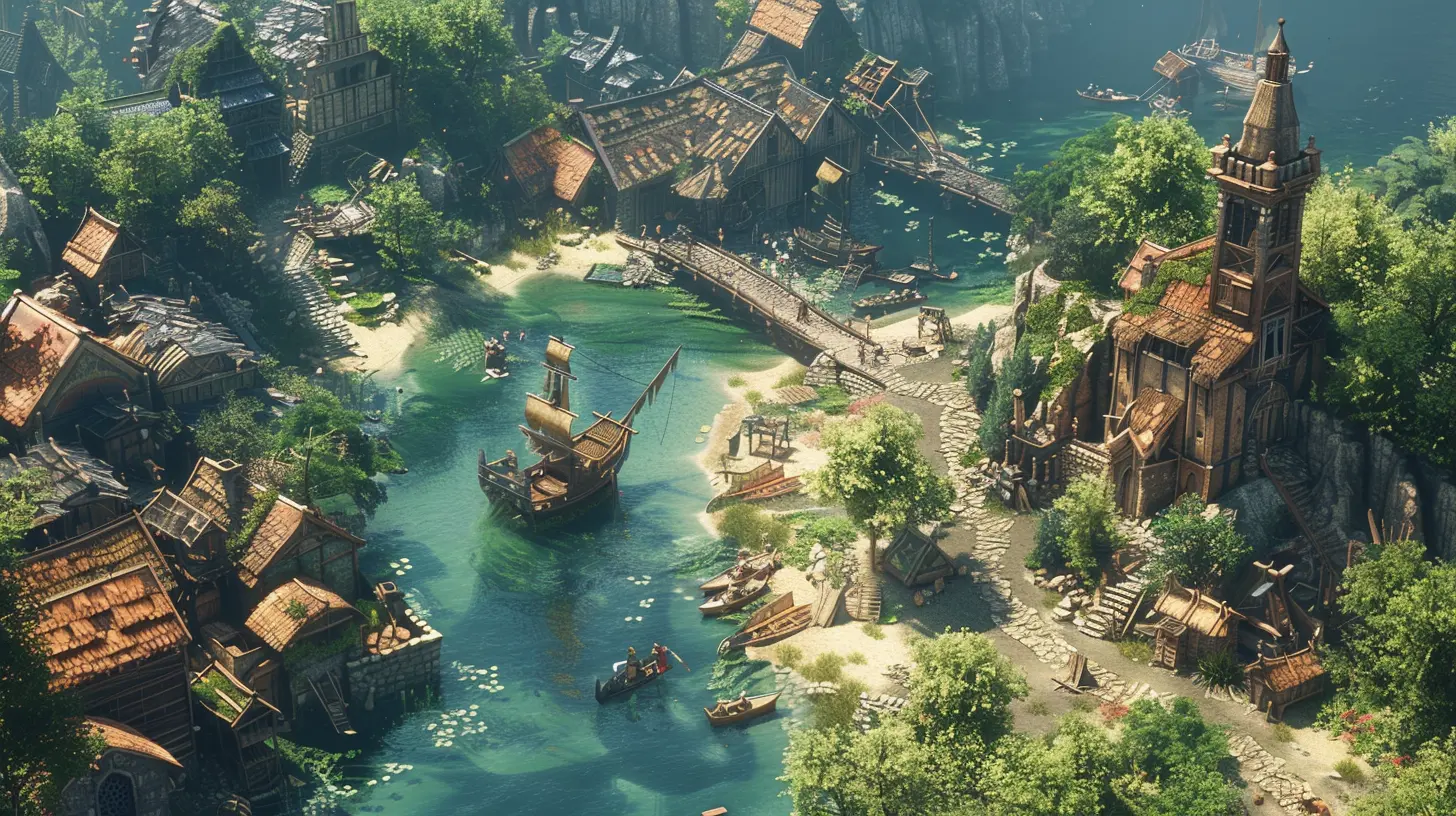
Building the Perfect Quest: A Developer’s Balancing Act
So, what goes into designing a quest that really sticks the landing? It's a cocktail of creativity, psychology, and technical finesse.Story First, Mechanics Second
Compelling quests start with a story. Developers plant emotional hooks, intriguing mysteries, or high-stakes dilemmas right from the get-go. You’re not just killing goblins — you’re protecting a sacred forest, or avenging a fallen friend.Player Choice and Consequences
Modern RPGs are leaning heavily into player agency. Your decisions matter — and change the story. Should you betray your ally for power, or stay loyal and risk everything? When choices branch into multiple outcomes, quests become deeply personal.Layered Objectives and Twists
A good quest rarely travels in a straight line. What starts as a simple delivery can unravel into a conspiracy. These layers keep players curious. You never really know what’s around the next bend.World Integration
Quests don’t exist in a vacuum. They often affect — and are affected by — the world around them. Save the town blacksmith and he’ll give you discounts on gear. Fail to defend a village and it might be in ruins next time you visit.Emotional Engagement
The best quests hit you in the feels. Whether it’s humor, sadness, anger, or triumph, emotional narratives leave a lasting impression. They make you care — and when you care, you keep playing.The Psychology Behind the Hook
Let’s get nerdy for a sec. There’s actual science at work here. Game designers knowingly tap into psychological principles to keep you immersed.The Zeigarnik Effect
People remember incomplete tasks better than completed ones. That’s why you can’t stop thinking about that unsolved quest in your log. It gnaws at your brain until you finish it.Variable Rewards
Not every quest gives the same reward — and that unpredictability fuels engagement. Like a slot machine, you're never quite sure when you'll hit that epic loot jackpot.Intrinsic Motivation
Sometimes, you don’t need the XP or gold. You just want to help the NPC because their story moved you. That’s intrinsic motivation — and it's gold for game developers.
Examples of Brilliant Quest Design
Let’s highlight some iconic moments that really show how ingenious quest design can be.“The Witcher 3: The Bloody Baron”
A masterclass in quest writing. What begins as a standard task becomes a layered tale of domestic abuse, alcoholism, and redemption. It's messy, emotional, and unforgettable.“Skyrim: Dark Brotherhood Questline”
Talk about moral ambiguity and player agency. Every step forces you to question your choices, with twists that punch you in the gut.“Mass Effect 2: Loyalty Missions”
These quests deepen your bond with your crew. Each one feels intimate, with real stakes, and each consequence echoes into the game’s future.“Elden Ring: Ranni’s Quest”
Cryptic, sprawling, and mythic. You might not understand everything, but the sense of scale and mystery is unmatched. It rewards exploration and curiosity — and that makes it special.Keeping Quests Fresh: Trends in Modern RPGs
Developers are constantly evolving quest design to keep up with player expectations. Here’s what’s hot right now:Branching Narratives
Gone are the days of one-size-fits-all endings. More games now adapt based on your choices, making every playthrough feel unique.Moral Complexity
No more black-and-white decisions. Choices are nuanced, and sometimes, there’s no "right" answer. That moral grey keeps us thinking long after the credits roll.Reactive Worlds
The world remembers what you’ve done. Towns change, characters grow, and the environment reacts. It makes quests feel meaningful and alive.Co-op and Multiplayer Questing
Games like Destiny and Genshin Impact let you team up on quests, adding a social layer to the experience. Everything’s better with friends, right?
Why This Matters Beyond Gaming
Honestly, the principles behind quest design go beyond just games. They teach us about goal-setting, decision-making, and storytelling. Whether you're a game dev, a writer, or just someone who loves a good story, there’s a lot to learn here.Great quests remind us that every journey — even a digital one — can be meaningful. They mirror our own lives in strange ways: full of choices, relationships, trials, and growth. And maybe that’s why we keep coming back.
Final Thoughts: The Power of Purpose
Quests — at their core — give us purpose. In-game, they guide us through epic adventures and heart-wrenching tales. Outside of games, they inspire us to think, choose, explore, and grow. When developers design quests that resonate emotionally, challenge us morally, and reward us intellectually, they’re doing more than entertaining — they’re crafting experiences that leave a mark.So next time you're knee-deep in a dungeon or helping a ghost find peace, take a moment to appreciate the genius behind that moment. Because chances are, some developer stayed up late figuring out how to keep you hooked — and my friend, they absolutely nailed it.
all images in this post were generated using AI tools
Category:
Fantasy RpgsAuthor:

Jack McKinstry
Discussion
rate this article
2 comments
Tempra Snyder
Quest design is like a magician’s trick—make us chase shiny loot while feeding us just enough drama to keep our emotions on a rollercoaster. Bravo, developers, you sly wizards!
February 11, 2026 at 4:13 PM
Jack McKinstry
Thank you! It’s fascinating how developers blend storytelling and rewards to create such engaging experiences. Your analogy perfectly captures the magic of quest design!
Kaleb Blevins
Quest design is like a magician’s spell—one moment you’re just wandering, and the next, you’re knee-deep in dragons and loot!
February 2, 2026 at 3:59 AM
Jack McKinstry
Absolutely! Quest design truly transforms exploration into an exhilarating adventure, captivating players with unexpected twists and immersive storytelling.