How Trailers Build Fandom Before Gameplay Is Revealed
19 February 2026
Let’s be honest—trailers are the rockstars of the gaming world. They drop, and suddenly the internet erupts into chaos (the good kind). Twitter threads explode, YouTube reactions rack up views, and fan art begins to surface... all before anyone has even seen a single second of actual gameplay. So, why is that? How do these short, cinematic teasers manage to build such an enormous buzz and loyal fanbase months—sometimes years—before a game hits our consoles?
Let’s dive into the magic-behind-the-scenes and break down how trailers build fandom before gameplay is even shown.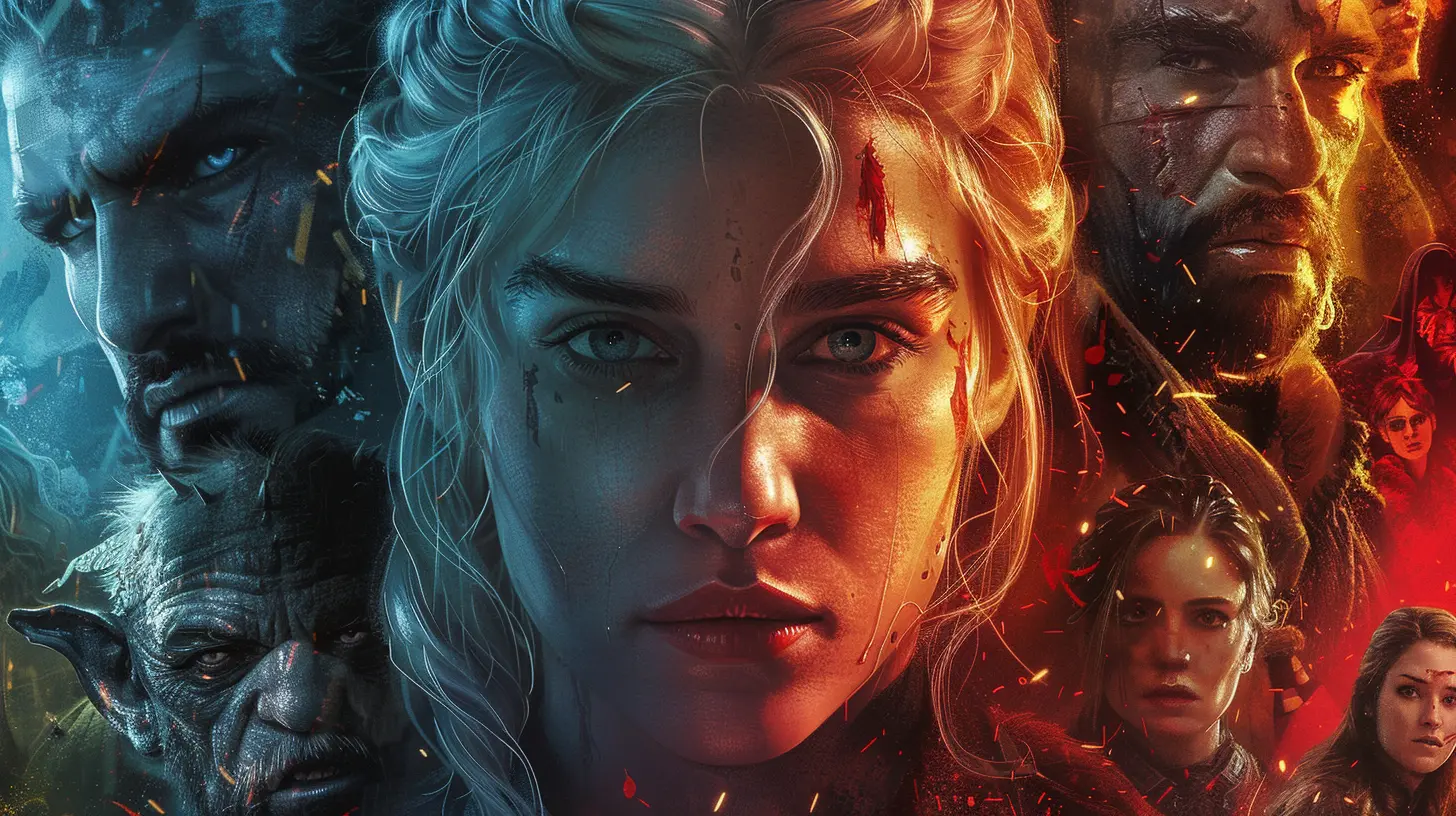
The Hype Factory: Why Teasers Matter
Think of trailers like the opening act at a concert. Before the main event (in this case, gameplay), a trailer sets the mood, gives the crowd something to scream about, and leaves them begging for more.Gaming trailers often focus on world-building, character introductions, and high-stakes drama—essentially, everything except the actual mechanics of the game. And you know what? That’s okay. Because what they're doing instead is laying the emotional groundwork.
These cinematic gems create curiosity. They don’t spoil the meal, they just let you smell the kitchen. That anticipation? That’s what hooks people.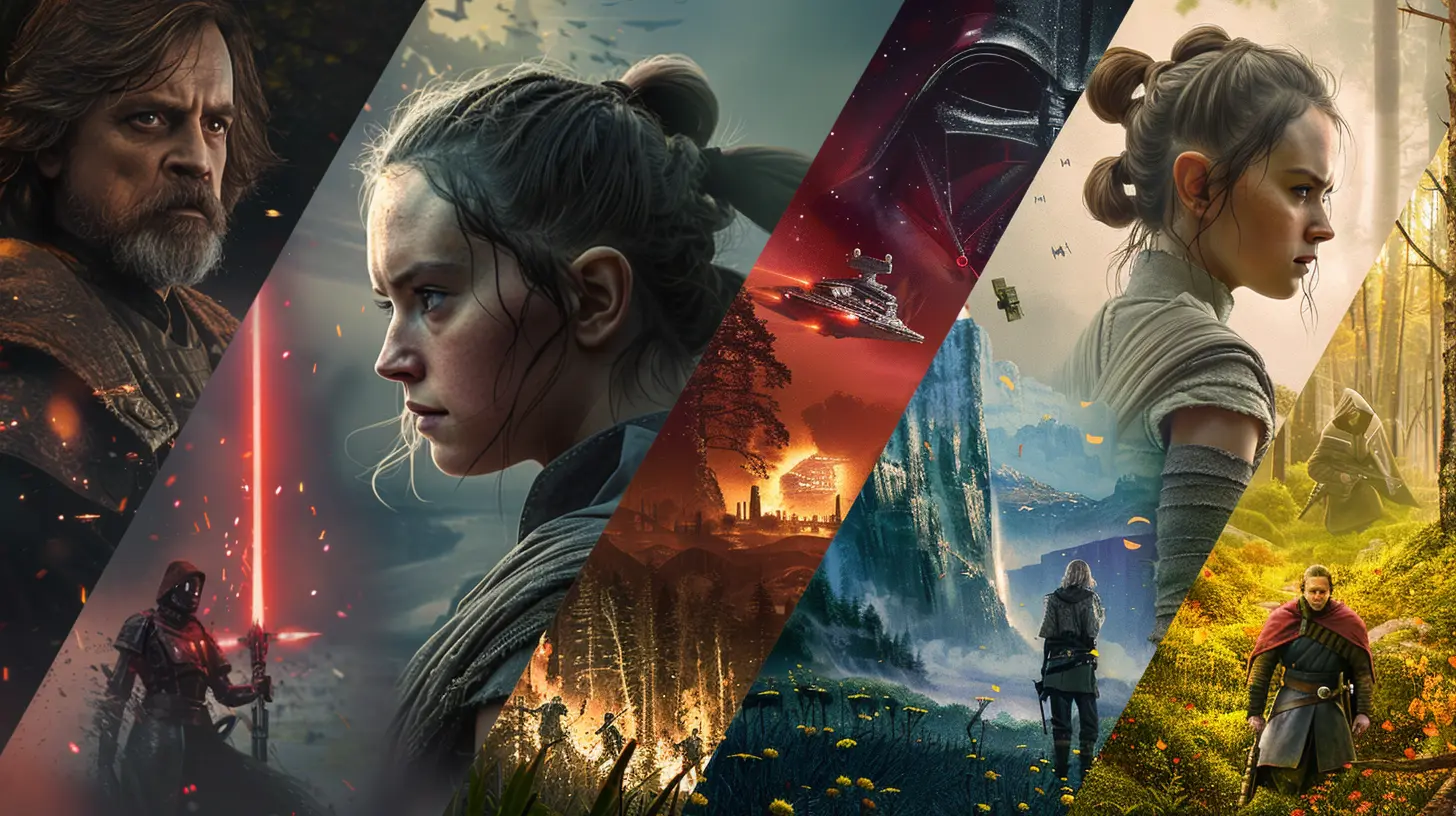
Emotional Hooks: Getting Fans Invested Early
Do you remember the first time you watched the trailer for The Last of Us Part II or Cyberpunk 2077? The music, the tone, the mystery—it all felt like a movie trailer. That’s not by accident.Game studios use storytelling elements to tap into our emotions. Whether it’s a sense of nostalgia, danger, hope, or heartbreak, the goal is to get us feeling something—and quickly. That emotional investment becomes the foundation of early fandom.
When a character says a single line that sticks with you, or you catch a glimpse of a dystopian world that feels eerily real, you’re not just watching. You’re feeling. And once someone feels a connection? Boom. They’re all-in.
Style Over Substance? Not Exactly.
Now, you might be thinking, “Isn’t that kind of risky? Showing cutscenes instead of gameplay?”Good question.
But let’s be real: in the marketing world, first impressions matter. And if your game looks visually stunning and emotionally gripping, you’ve already won half the battle. Gameplay can come later.
Trailers act as a kind of visual promise—a flashy handshake that says, “Trust us, this is gonna be good.” Studios need to attract attention in a crowded space, and sometimes that means leading with the sizzle before the steak.
The Power of Mystery
Mystery is one of the oldest tricks in the book—and boy, does it work.By not revealing too much, trailers encourage speculation. Fandoms love guessing. They’ll analyze frame-by-frame. What does that symbol mean? Who is that shadowy figure in the background? Is this a sequel, a prequel, or something else entirely?
This kind of mystery drives conversation. And conversation drives fandom.
Community-Building Starts Early
A well-crafted trailer doesn’t just create fans—it creates communities.Think about all the subreddit threads, Discord channels, and Reddit theories that pop up after a trailer drops. People start finding others who are just as hyped as they are. And just like that, you’ve got a mini fanbase forming even before we know how many buttons we’ll be pressing in the actual game.
People love to belong. And when you’re early to a hype train, it feels like you’re part of something exclusive, like knowing an underground band before they blew up. That early access energy keeps people invested.
The Art of the Reveal: Character and World-Building
Remember the Death Stranding trailer? Yeah, the one with Norman Reedus waking up naked on a beach with a crying baby? Weird—but undeniably memorable.Trailers like that don’t need to explain gameplay. They just need to introduce a world you can’t stop thinking about. Unique settings, strange creatures, unforgettable faces—these elements are like breadcrumbs leading fans into the story.
And once fans are intrigued by a character's look or a world’s visual tone, they start building connections and theories. That’s the beginning of a fandom.
Visual Storytelling Stays With You
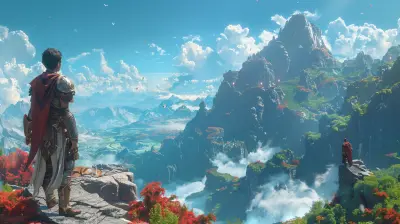
Never underestimate the power of a single image.A towering mech walking across a war-torn city. A lone hero standing on a cliff, overlooking a glowing skyline. A villain smirking in slow-motion with rain pouring down.
These little snapshots stick in your mind. You might not have even heard a character speak or seen a single stat screen, but your brain has already started forming a connection.
That’s how visual storytelling works—it hits you right in the feels without needing a single word.
Influencer Reactions Amplify the Reach
Here's where the real social media magic kicks in.Once a trailer drops, within minutes you’ll find YouTubers, Twitch streamers, and TikTok creators reacting to every single frame. Their enthusiasm fuels your own. When someone you follow freaks out over a scene, you start to feel like you should be excited too.
Influencer reactions act like a virtual group chat. They keep the conversation loud, wide-spread, and immediate. This is how trailers gain traction far beyond just hardcore gamers—suddenly, everyone’s curious.
Teasers Turn into Events
Some trailers are so highly anticipated that their premiere becomes an event in itself. Studios schedule countdowns, stream live announcements, and tease reveals like they’re headlining Coachella.Remember how Rockstar revealed the teaser for GTA VI? The countdown, the logo fade-in, the sheer mic-drop energy? That wasn’t just a trailer—it was a cultural moment. People scheduled their day around it.
When a trailer can command that level of attention, it shows the insane power of early storytelling. No gameplay needed.
Memes, Merch, and More
Fan-made content starts popping up almost instantly after a trailer goes live. Memes, gifs, parody videos, cosplay ideas—all born from a two-minute cinematic.This fan content doesn’t just keep the hype alive; it multiplies it. You’ll see Instagram filters made from a game’s art style, Discord profile pics of the lead character, or tweets about that one quote from the trailer that “hits different.”
Before long, you’ve got merch being made, fanfiction being written, and fan page after fan page showing up. That’s an empire built off a trailer alone.
Speculation Keeps the Buzz Alive
Here’s the fun part: trailers don’t just spark excitement—they keep it going.Long after the teaser is out and reactions have cooled off, people continue to break it down. They'll dissect lore, spot hidden details, and make wild predictions. It's like detective work for nerds—and it's addictive.
Speculation not only fills the gap between announcement and release, but it creates content. Articles, podcasts, reaction vids… the conversation never stops. And as long as people are talking about your game? That’s a win.
A Strategic Marketing Move
From a business standpoint, these trailers serve a crucial purpose. They generate pre-orders, attract media attention, and build SEO momentum.Without showing any gameplay, a game can still trend on social media, become a hot topic on gaming forums, and get coverage from major gaming news outlets. All thanks to a trailer that captured the imagination.
This visibility translates directly into numbers: more interest equals more sales, plain and simple.
The Build-Up to the Real Reveal
And finally—when the gameplay reveal does happen? It hits 10x harder.Because now, you're not just showing mechanics, you're delivering on a promise. Fans who've been theorizing and obsessing over a cinematic are finally seeing how it all comes together.
And if the gameplay lives up to the hype? You’ve got a sold-out success on your hands.
Final Thoughts: Never Underestimate a Trailer
So next time you see a game trailer drop and people start losing their minds, remember—there’s a lot more going on than just cool music and pretty graphics. These trailers are strategic, emotional, and insanely powerful tools that build fandoms before a single controller has been touched.They stir curiosity, build communities, spark creativity, and keep the conversation going. Gameplay is important, sure—but never underestimate the power of a well-timed, perfectly crafted trailer to turn a game into a phenomenon.
Because let’s face it—sometimes, the hype is half the fun.
all images in this post were generated using AI tools
Category:
Game TrailersAuthor:

Jack McKinstry
Discussion
rate this article
2 comments
Xavi Kirk
Trailers masterfully create anticipation and emotional connection, showcasing a game's atmosphere and potential before gameplay is revealed. This strategy effectively builds a dedicated fanbase eager for more information.
February 21, 2026 at 5:23 AM
Jack McKinstry
Thank you for your insightful comment! Yes, trailers are a powerful tool for generating excitement and fostering a deep emotional connection with audiences before the gameplay experience unfolds.
Briar McCray
Trailers are the heartbeat of gaming anticipation! They spark excitement and ignite our imaginations, drawing us into vibrant worlds before we even press play. With each teaser, we forge connections with characters and stories, uniting fans in a shared journey. Let’s celebrate the magic of trailers that build our beloved fandom!
February 20, 2026 at 5:34 PM
Jack McKinstry
Absolutely! Trailers captivate and connect us, transforming mere games into shared experiences that ignite our passion for storytelling and community. Let's celebrate their power!