Mastering Worldbuilding for Immersive Game Environments
2 September 2026
Have you ever launched a game and instantly felt like you were stepping into a living, breathing world? That’s worldbuilding at work—and when it's done right, it's absolute magic. It’s not just about forests, mountains, or cities; it’s about crafting places that feel real, where stories breathe and players can lose themselves for hours... or days (no judgment here).
Let’s break down how you, whether you’re a solo indie dev or part of a larger team, can master worldbuilding to create unforgettable game environments. Spoiler: it's more than just pretty maps.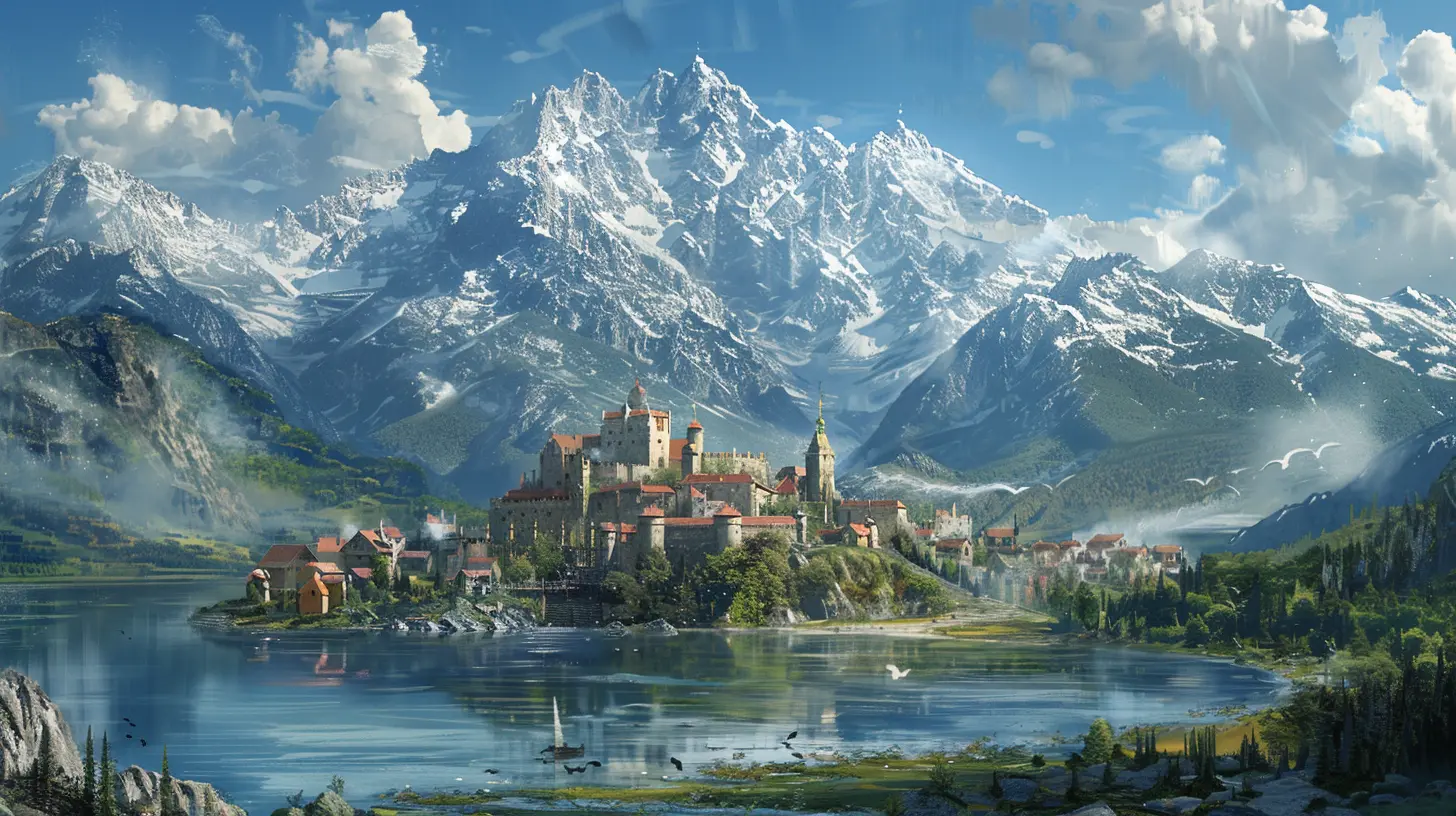
What Is Worldbuilding, Really?
Okay, let’s kick things off. Worldbuilding is the process of constructing an imaginary universe. Sounds fancy, right? But when it comes to video games, it means designing everything from the landscape and architecture to cultures, histories, and even the weather patterns (yes, that’s a thing).Think of it like baking a cake. You’ve got your flour (the land), sugar (culture), eggs (narrative), and frosting (visual flair). Sure, you could slap these together, but the more love and detail you add, the richer the flavor. That’s the sweet spot of immersive design.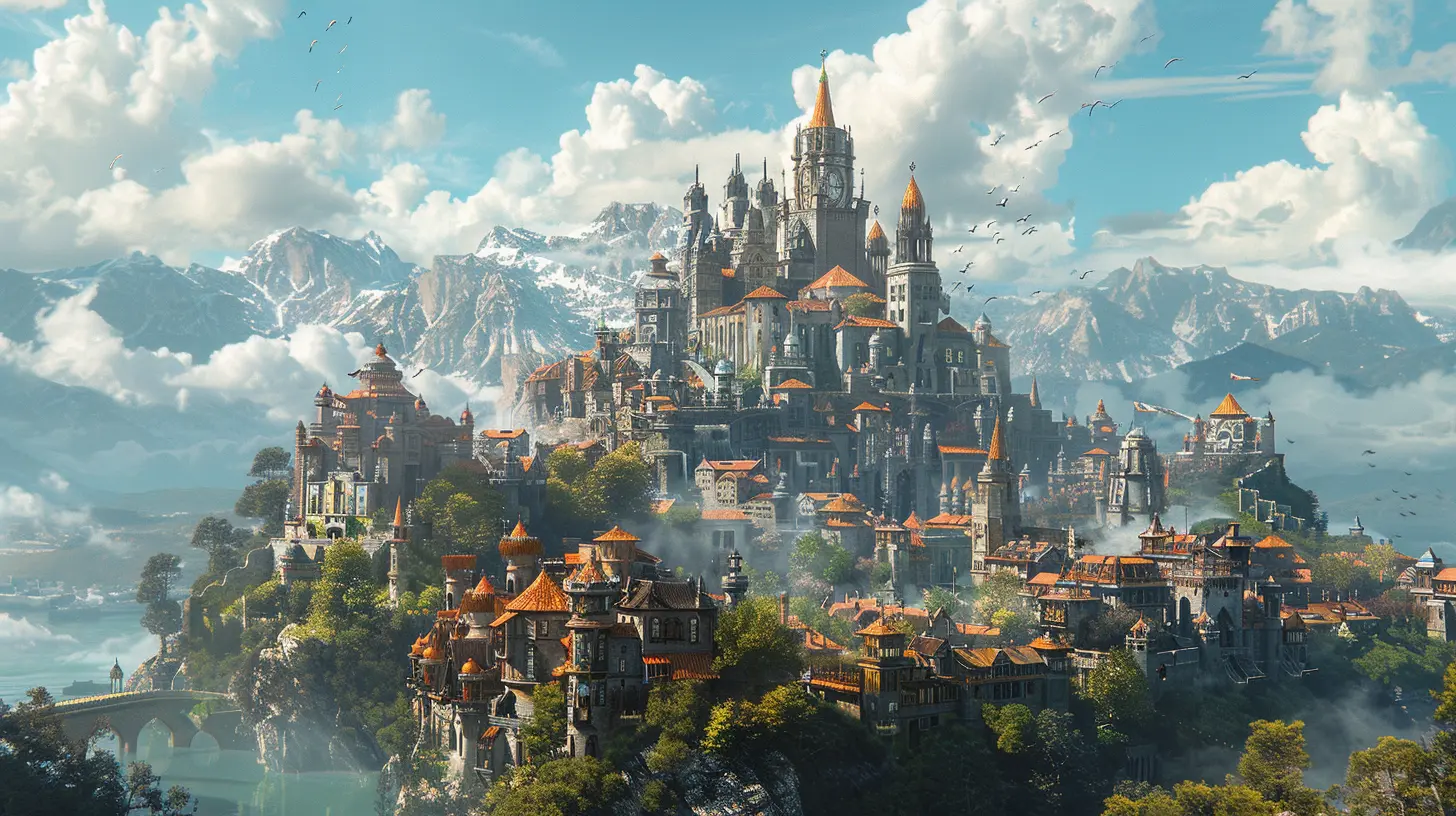
Why Worldbuilding Matters in Games
Let’s be real—game mechanics and graphics alone aren't enough anymore. Players crave immersion. They want to feel like they’re part of something bigger than just a quest log and a level-up system. Worldbuilding adds depth. It makes players wonder about the people who live in a city, what legends echo through a cave, or what tragedy befell a barren wasteland.Ever played The Witcher 3? What makes Novigrad or Skellige more than dots on a map is the backstory layered into every inch of space. It’s the conversations, the architecture, the subtle nods to lore that make you say, “Whoa, there’s history here.”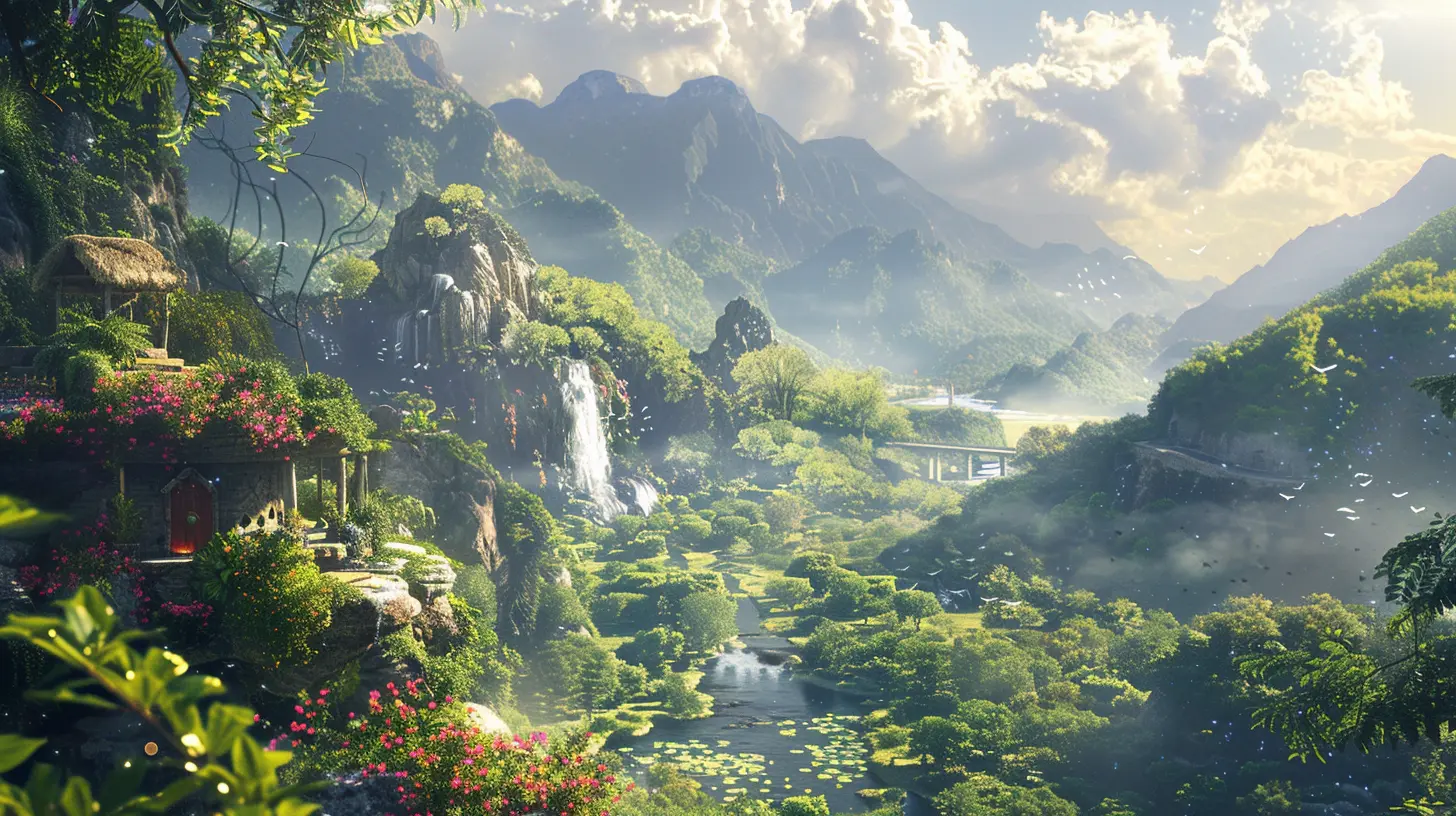
Step-by-Step Guide to Mastering Worldbuilding
So, how do you make your worlds come alive? Let’s walk through it step by step.1. Define the World’s Core Concept
Start with a central idea. Is your game set in a dystopian future ruled by AI? Or a fantasy realm recovering from dragon wars? Your core concept is the heartbeat of your world. It shapes everything else.Ask yourself:
- What makes this world unique?
- What's the tone? Dark and gritty or whimsical and light?
- What’s the worldview of its inhabitants?
Once you nail this down, you’ve got a solid foundation.
2. Build the Physical Environment
Maps are more than backdrops—they’re the stage where your story unfolds. But don't just place a mountain because it “looks cool.”Here’s what to think about:
- Geography: Mountains, rivers, forests—consider natural logic. Rivers should flow from high to low, deserts typically lie on the leeward side of mountains, and so on.
- Climate: Different regions should have weather that makes sense. Snowy peaks, arid deserts, tropical jungles—tie it to your geography.
- Land Usage: Where do people live? Farm? Trade? Wars over fertile lands happen for a reason.
This step is where the nuts and bolts live, but when it all fits together naturally, the world feels real.
3. Design Cultures and Societies
Let’s be honest—no one remembers a world just for its mountains. They remember the people (or creatures) who live in it.Cultures make your world feel personal. Think about:
- Social Structures: Do they have kings? Tribes? Matriarchies?
- Religion: What do they believe in? Are gods real in your world?
- Technology: Are they futuristic, medieval, or something in between?
- Language & Naming Structure: Even if you’re not Tolkien, consistent naming makes your world feel cohesive.
And don’t forget food, music, festivals, and fashion. Those little details? They give soul to your setting.
4. Weave in a Rich History
Ah, lore. Some love it, some skip it—but it’s vital for world depth. Your world should feel like it didn’t spring into being the day the player arrived.Sketch out:
- Key historical events
- Ancient wars or empires
- Legends and myths
- Ongoing conflicts or political tensions
This isn’t about info-dumping walls of text. Use environmental storytelling—ruins, murals, relics—that hint at a deeper past. Players love discovering stories on their own.
5. Create Meaningful Factions and Organizations
Worlds thrive on conflict. Not just war, but tension—ideological, religious, territorial, or economic.Introduce groups with different goals. Maybe:
- A rebel group fighting against a tech monopoly
- An ancient guild preserving forbidden magic
- Trade empires that care more about gold than loyalty
When players interact with these factions, they should feel like they’re stepping into an ongoing drama, not a quest factory.
6. Populate the World With Interesting Characters
Now comes the fun part—people! Or orcs. Or cybernetic dolphins. Whatever fits your world.NPCs can bring your world to life like nothing else. Craft characters who:
- Reflect their culture and environment
- Have personal goals, fears, and quirks
- React to the player’s actions (even subtly)
Even throwaway shopkeepers can leave an impression if they reference local events or have memorable lines.
7. Use Environmental Storytelling
This is where you make the world speak for itself.A broken sword buried in snow. A burned-down village with children’s toys scattered in the ash. These visuals tell stories just as powerfully as dialogue.
Environmental storytelling invites player curiosity. Rather than telling players everything, let them piece together the past like detectives. It’s immersive, and it sticks.
8. Make the World Dynamic
A static world feels like a stage. A dynamic one feels like a home.Let your world evolve:
- Day/night cycles
- Weather systems
- Changing political landscapes
- Player-driven impacts (e.g., towns rebuilt, people moved)
Even subtle changes make players pay attention. When your world reacts, it feels alive.
9. Balance Freedom With Narrative
Here’s the golden rule: players should feel free to explore, but not aimless.Use environmental cues, landmarks, and “soft gates” to guide players. Think of games like Breath of the Wild—it offers freedom, but landmarks subtly guide you without slapping waypoints in your face.
Keep the line between exploration and frustration razor-thin.
10. Playtest With a Worldbuilder’s Eye
Finally, get feedback—not just on bugs or gameplay—but on immersion.Ask your testers:
- Does the world feel alive?
- Are they curious about its history?
- Do different regions feel distinct?
Treat this as seriously as combat balance or UI. If your world isn’t clicking, it’s worth the extra polish.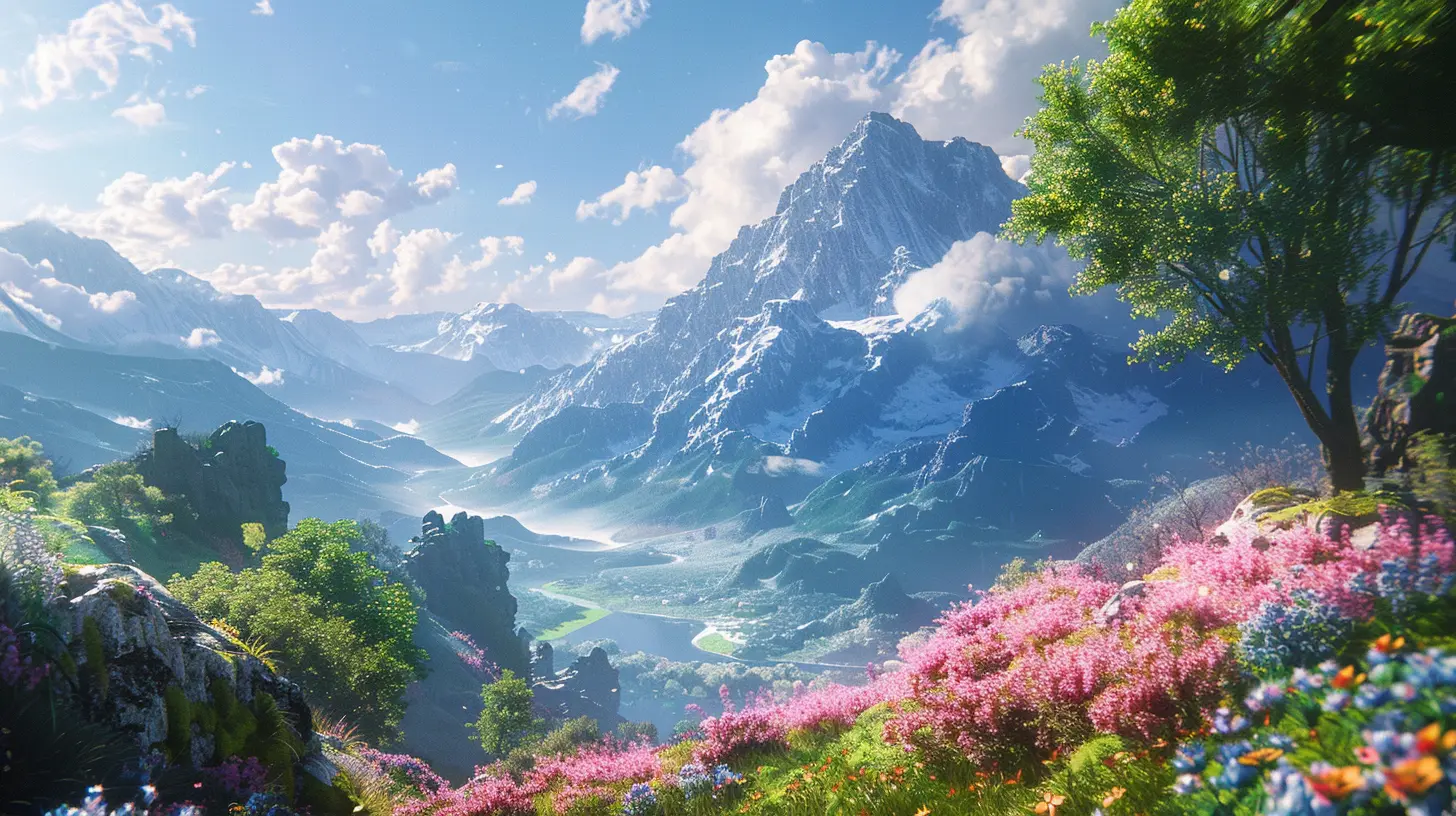
Common Worldbuilding Pitfalls to Avoid
Even seasoned devs slip, so here’s what to watch out for:- Info-Dumping: Don't drop lore monologues. Let players discover.
- Inconsistent Tone: Keep locations, stories, and visuals aligned.
- Overcomplicating: You don’t need ten dialects and a 500-year timeline. Keep it digestible.
- Empty Worlds: Beautiful maps with nothing to do? Not immersive.
- Lack of Internal Logic: Make sure your world’s rules make sense—magic systems, economies, geography—consistency is key.
Tools and Resources to Help You Out
You don’t need to worldbuild with just Post-it notes and dreams. Here are some tools that can help:- World Anvil: Great for organizing lore and timelines.
- Inkarnate or Wonderdraft: Awesome for map-making.
- Campfire Writing: A powerful suite for characters, relationships, and timelines.
- Notion or Obsidian: Customizable and perfect for data organization.
And hey, don’t underestimate the power of a good ol’ spreadsheet.
Final Thoughts: Worldbuilding Is Storytelling
At its heart, worldbuilding is just storytelling with bricks and mortar instead of words and ink. It’s what turns a game from “something to play” into “somewhere to be.”Sure, it takes time. But the payoff? Totally worth it. When players say “I want to go back to that world,” even after they’ve finished the game—that’s when you know you’ve nailed it.
So go ahead. Build that world. Bring it to life. And make it unforgettable.
all images in this post were generated using AI tools
Category:
Game Content CreationAuthor:

Jack McKinstry
Discussion
rate this article
1 comments
Antonia Frye
Great insights for creative worlds!
September 2, 2026 at 4:34 PM
Jack McKinstry
Thank you! I'm glad you found the insights helpful. Happy worldbuilding!