Predictions for the Evolution of Subscription-Based Gaming
17 February 2026
Alright, buckle up, fellow button-mashers and joystick warriors. We’re diving face-first into the digital whirlpool that is the future of subscription-based gaming. If you thought Netflix was doing the most with its ever-expanding library of “meh” content, wait till you see what the gaming industry’s cooking up for the next five years. Spoiler alert: it involves monthly fees, more cloud fluff than a weatherman’s forecast, and possibly the slow death of traditional console gaming. Cue dramatic music.
Because yes, folks, the era of buying a physical game disc and proudly stacking them on your dusty shelf like trophies is on life support. The plug is being pulled, and subscription-based gaming is waltzing into center stage with jazz hands.

The Rise of the Gaming Buffet: All-You-Can-Play Madness
Remember when you saved up for months just to buy that one special game, and then played it to death? Yeah, those days are getting vintage real quick.Now? We live in the age of “gaming buffets,” aka subscription-based platforms like Xbox Game Pass, PlayStation Plus, NVIDIA GeForce NOW, and of course, the ever-ambitious (but sometimes confused) Google Stadia… oh wait, never mind.
These platforms offer hundreds of games at once. It’s like someone handed you the keys to Willy Wonka’s factory, but instead of chocolate, it’s game titles—and no weird Oompa Loompas singing about your poor life choices.
The Trend That's Taking Over
You pay a monthly fee—somewhere between "coffee money" and "Netflix plus a latte"—and in return, you get access to a massive library of games. No more choosing just one game to play for the next three months. Now you can bounce from an RPG to a racing sim to a farming simulator faster than you can say “rage quit.”But hey, let’s not act like this is all sunshine and Rainbow Roads. There’s a dark side too. Let’s get into it.
Subscription Overload? You Betcha.
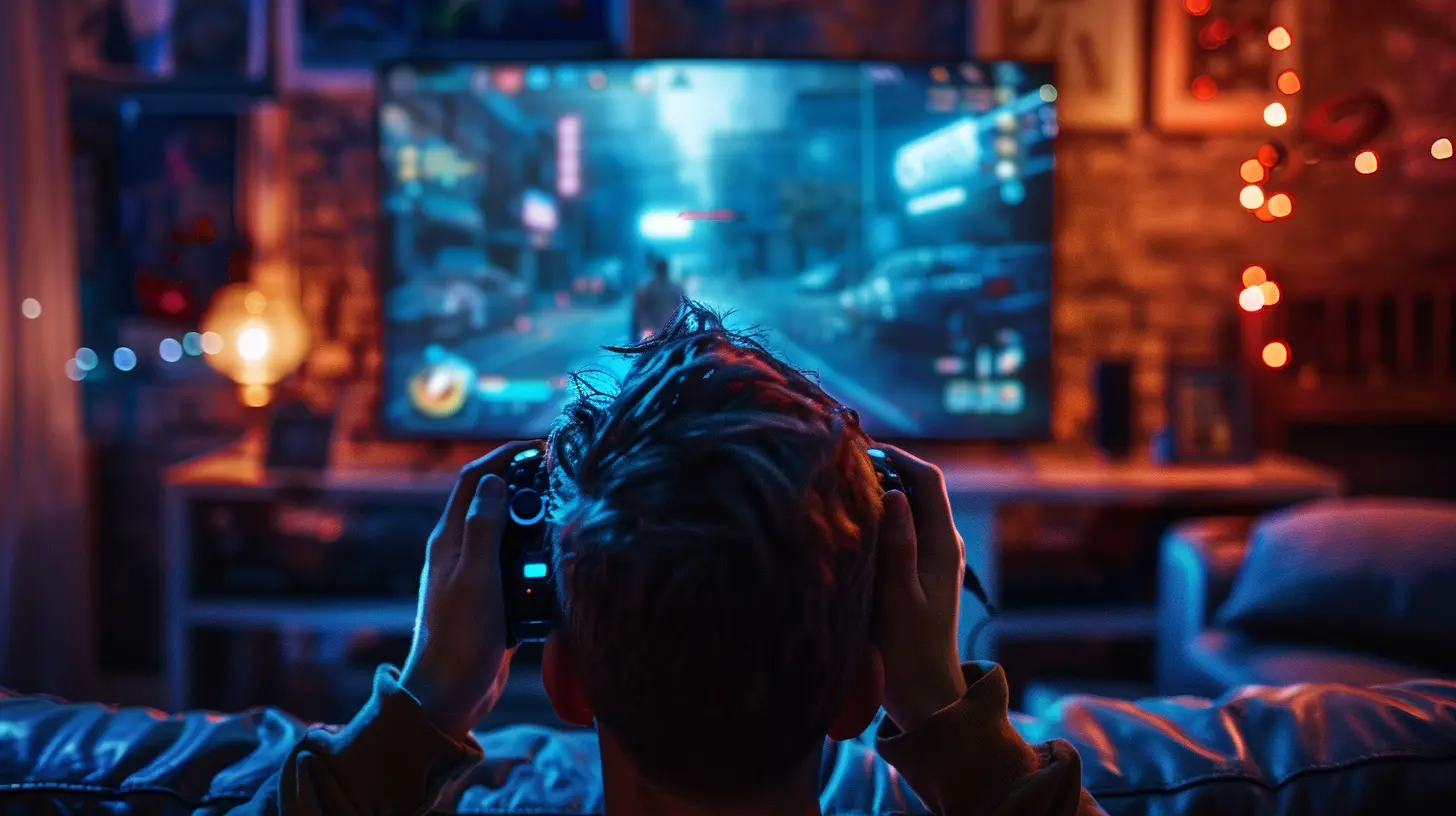
And here lies our first prediction. The subscription fatigue is coming, like a Final Fantasy boss battle you can’t escape.Between Game Pass, PlayStation Plus, EA Play, Ubisoft+, Nintendo Switch Online, and whatever random service pops up in the next 10 minutes (looking at you, TikTok Gaming+ or whatever’s next), gamers will soon find themselves buried in monthly charges. It’ll be like cable TV all over again, except instead of flipping channels, we’re flipping between 19 different launchers wondering where that one game went.
The Great Wallet Purge
Here’s a bold prediction: services will start bundling. Microsoft and Ubisoft might become besties. EA could cozy up with someone else. It’ll be like dating apps for gaming companies—who wants to merge libraries and maybe even hardware?Eventually, someone’s gonna realize that charging people $15 here and $12 there leads to one big “nope” from the customer. Expect bundles, family plans, premium tiers, and maybe even a free tier with ads (ugh, just imagine your game pausing to show you an ad for deodorant).

Cloud Gaming: The Future That’s Somehow Always “Coming Soon”
Let’s talk clouds—not the fluffy ones, but the digital ones that promise to beam games directly into our eyeballs with zero downloads. Cloud gaming has been "the future" for years now, much like flying cars and self-cleaning bathrooms.Google tried it (RIP Stadia, we hardly knew ye), Microsoft’s trying it, NVIDIA’s trying to make it cool, and Amazon? Yeah, they threw Luna out there and hoped someone would notice.
The Cold, Hard Truth About Cloud Gaming
Here's the deal: cloud gaming is like that kid in school who’s super talented but never does his homework. It has SO much potential—instant access, no downloads, no need to buy a $500 console every seven years—but it still stumbles.Latency is the villain here. Nobody wants to shoot in-game only to have the bullet arrive three seconds late like it had to stop for coffee.
But as tech improves and internet speeds go full warp speed (hello 5G and fiber), cloud gaming will likely become the norm. Maybe not for heavy multiplayer games requiring split-second timing, but for adventure games, single-player epics, and puzzle titles? Bring it on.
Prediction: Cloud Becomes the Console
In the next decade, your console? It’ll be a controller and a smart TV app. Boom. Done. Your dusty PlayStation might become a decoration or a retro collectible you tell your kids about, like cassette tapes and flip phones.
Exclusive Content Wars: Because Sharing Is Apparently for Noobs
Ah yes, exclusives—the marketing equivalent of “Mine! Mine! Mine!” Nothing screams “customer-first” like locking games behind specific services. Thanks, corporate overlords.But let’s not kid ourselves. Exclusive content will only get more aggressive. It’s already happening. Sony hoards its IPs like a dragon sitting on gold, Microsoft is buying up studios faster than I hoard healing potions, and Nintendo? Well, they do whatever they want in their own adorable, stubborn way.
Subscribers = Power
With subscriptions, game companies can track exactly how long you played, where you quit, what difficulty you chose, and how many times you rage quit. Creepy? Slightly. Useful for tailoring future content? Absolutely.Prediction: We’ll start seeing games built around keeping subscribers happy. Expect episodic content, seasonal events, and exclusive early access perks designed to keep you subscribed month after month like a gym membership you never cancel.
Indie Games Will Thrive (Or Be Consumed by the Mega-Corps)
One silver lining in this subscription storm? Indie developers can finally compete on the big stage. Game Pass and other platforms have given small studios the chance to find huge audiences without having to sell their souls (or their kidneys) to a publisher.But Let’s Keep It Real…
As more money pours into this model, the big players will want bigger returns. Indie freedom is great… until someone waves a multimillion-dollar exclusivity deal in your face. Some will resist. Others won’t. And hey, no judgment—game devs need to eat too.
The Social Side of Gaming Subscriptions
Gaming is already social—whether it’s co-op campaigns, PvP smack talk, or watching someone else fail miserably on Twitch. But expect subscription models to pump up the social juice even more.Think shared family libraries where everyone gets their own save files (finally). Or watch parties for campaign games. Or even more crossover events between games from the same service—imagine Master Chief teaming up with Kratos. Okay, that’s probably illegal in seven gaming universes, but the point stands.
Prediction: Gaming Gets Even More Connected
As subscriptions grow, services will want you to spend more time, more consistently. Expect social features, achievements systems, and integrated communities to go next level. Leaderboards will be back, baby—and with them, a fresh wave of humblebrags.The Future of Game Ownership: You’ll Own Nothing—and You’ll Like It?
Remember when you could buy a game and it was yours forever? Me neither, apparently.With subscriptions, you don’t own your games. You borrow them. Rent them. Temporarily engage with a digital license until your subscription ends—or the game gets pulled from the library without warning (looking at you, Game Pass).
So, What Happens to Game Collectors?
Physical collectors will become the vinyl lovers of the gaming world. Nothing wrong with that—retro is always cool. But for the rest of us, owning games might go extinct. You’ll stream games like you stream TV shows, and when they disappear, well... tough luck, buttercup.
The Price Will Go Up–Because Of Course It Will
Ah yes, the inevitable subscription price hike—because nothing good stays cheap forever.Just like your favorite streaming services, gaming platforms will quietly raise prices every year or so. Maybe they toss in a new feature to soften the blow, maybe not. But $9.99/month? That'll be a fond memory. Get ready for $19.99/month “Deluxe Ultra Mega Tier+.”
Prediction: Pay More for Less (But It’ll Feel Like More)
With tiered systems, exclusive tiers, and premium bonuses, you’ll get just enough value to keep paying, but not enough to feel overjoyed. Kind of like fast food combo meals. You never leave full, but you can’t argue with the fries.So... Is It All Doom and Gloom?
Not exactly! Subscription-based gaming has a ton of upsides. You get variety. You get access to games you’d never buy otherwise. It’s budget-friendly for people who game like it’s a full-time job. And for families? It’s a goldmine.But let’s not ignore the growing pains. The monopolization. The lack of ownership. The creeping prices. The temptation of corporate overlords to squeeze every cent out of us gamers with shiny new tiers.
The future of subscription-based gaming is a bit of a double-edged sword. One side is convenience, affordability, and innovation. The other? Fragmentation, price hikes, and the slow erosion of game ownership.
But hey, we're gamers. We've endured EA loot boxes, No Man's Sky 1.0, and years of Bethesda bugs. We’ll survive this too.
Final Thoughts: The Revolution Is Already Here
So, what's the ultimate prediction? Simple.Subscription-based gaming is here to stay. It's evolving faster than a Charmander in a volcano, and while it may stumble, it’ll also soar in ways we haven’t fully imagined yet.
Games as a service will dominate.
Ownership will fade.
Cloud gaming will boom (eventually).
And our wallets? Well... may they rest in peace.
But in exchange, we’ll get more games than we ever dreamed of, endless variety, and maybe—just maybe—a future where gaming is more accessible, connected, and exciting than ever before.
Just don’t forget to cancel those trials before they start charging you. Again.
all images in this post were generated using AI tools
Category:
Gaming SubscriptionsAuthor:

Jack McKinstry
Discussion
rate this article
2 comments
Jenna Hubbard
Great insights! Subscription-based gaming is poised for exciting growth, fostering community and accessibility. As developers innovate and expand their offerings, we can expect diverse, engaging experiences that cater to all players. Can't wait to see where this journey leads!
February 23, 2026 at 5:47 AM
Jack McKinstry
Thank you! I share your excitement for the future of subscription-based gaming and the diverse experiences it will bring to the community.
Nixie Kirkpatrick
Exciting insights! Can't wait to see how subscription gaming evolves—definitely feels like the future of our favorite pastime!
February 20, 2026 at 5:34 PM
Jack McKinstry
Thanks for your enthusiasm! Excited to see how subscription gaming shapes the future too!