The Art of Suspense in Modern Game Trailers
1 August 2026
Let’s be real—there’s something magical about a game trailer that gets your heart racing. You know the type: the kind that gives you goosebumps, even if you’ve watched it a dozen times. Modern game trailers have become their own form of cinematic storytelling, and at the very core of what makes them unforgettable is one thing—suspense.
Suspense isn't just a thriller movie trick. It’s a finely tuned ingredient that clever developers, editors, and marketing teams use to keep you on the edge of your seat. So, how do they do it? What makes a game trailer suspenseful enough to have you smashing that pre-order button before the trailer even ends?
Let’s break down the magic behind the madness.
What Is Suspense and Why Does It Matter?
Suspense is that delicious tension you feel when you know something big is about to happen—but you don’t know exactly what. It’s the anticipation of an event that keeps your eyes glued to the screen and your brain ticking.In game trailers, suspense is used to:
- Tease the story without giving it away
- Stir emotion and curiosity
- Build hype and anticipation
- Keep viewers engaged from start to finish
Think of it as foreplay for your gamer brain. It teases you, making you want more. That’s exactly the point.
The Cinematic Evolution of Game Trailers
Gone are the days when game trailers just showed a bit of gameplay footage and called it a day. Today’s trailers are storytelling powerhouses. They borrow techniques from film—especially thrillers and horror flicks—to create mood and tone.With games now being seen as interactive Hollywood-level experiences, trailers reflect that shift. They’re filled with narrative arcs, mood swings, pulse-pounding music, and yes—suspense.
Some trailers could even be mistaken for movie teasers, and that's no accident.
The Anatomy of Suspense in Game Trailers
If you want to build tension, you’ve got to do it piece by piece. Here’s how top game trailers pull it off.1. The Cold Open
Many suspense-filled trailers start with a quiet, mysterious opening. No explosions. No title screens. Just you and a whisper of the world you’re about to enter.Maybe it's a voiceover in a dark hallway, or a slow pan across a bloody battlefield. This grabs your attention by breaking the norm.
Think of it like walking into a room and noticing it’s eerily quiet. That silence? That’s suspense saying, “Hey, something’s up.”
2. The Slow Burn
Great trailers don’t rush. They pull you in slowly. They drip-feed visuals and audio cues that make your brain start guessing.You ask yourself:
- Who’s talking?
- What happened here?
- Am I supposed to feel scared... excited... nervous?
That slow pacing builds unease, making viewers hyper-aware of clues. You’re no longer watching passively—you’re actively thinking.
3. Strategic Silence & Sound
Sound design is a massive part of suspense. And sometimes? Less is more.A complete drop in music, a sudden inhale, a footstep, a door creak—these subtle audio cues can be more effective than an entire orchestra.
And when the music hits? Boom. It’s like a release of all the tension that’s been building. Instant chills.
4. Ambiguous Narratives
Don’t underestimate the power of not knowing. Ambiguous trailers stir our curiosity like nothing else. They present just enough lore to spark theories but leave questions hanging in the air.It’s like someone handing you a puzzle with a few pieces missing. You need to see the whole picture—and that keeps you coming back.
Games like “Death Stranding” or “Silent Hill” remakes have mastered this. You watch those trailers over and over again, hoping to catch something you missed the last time.
5. The Tease Before the Reveal
Right when you think the trailer’s about to show what you’ve been waiting for, it cuts—or better yet—it shows you something unexpected.Suspense thrives on the unexpected.
- A creature’s shadow instead of the creature itself
- A scream in the distance
- A character’s cryptic warning
These moments play with your expectations and leave you wanting more.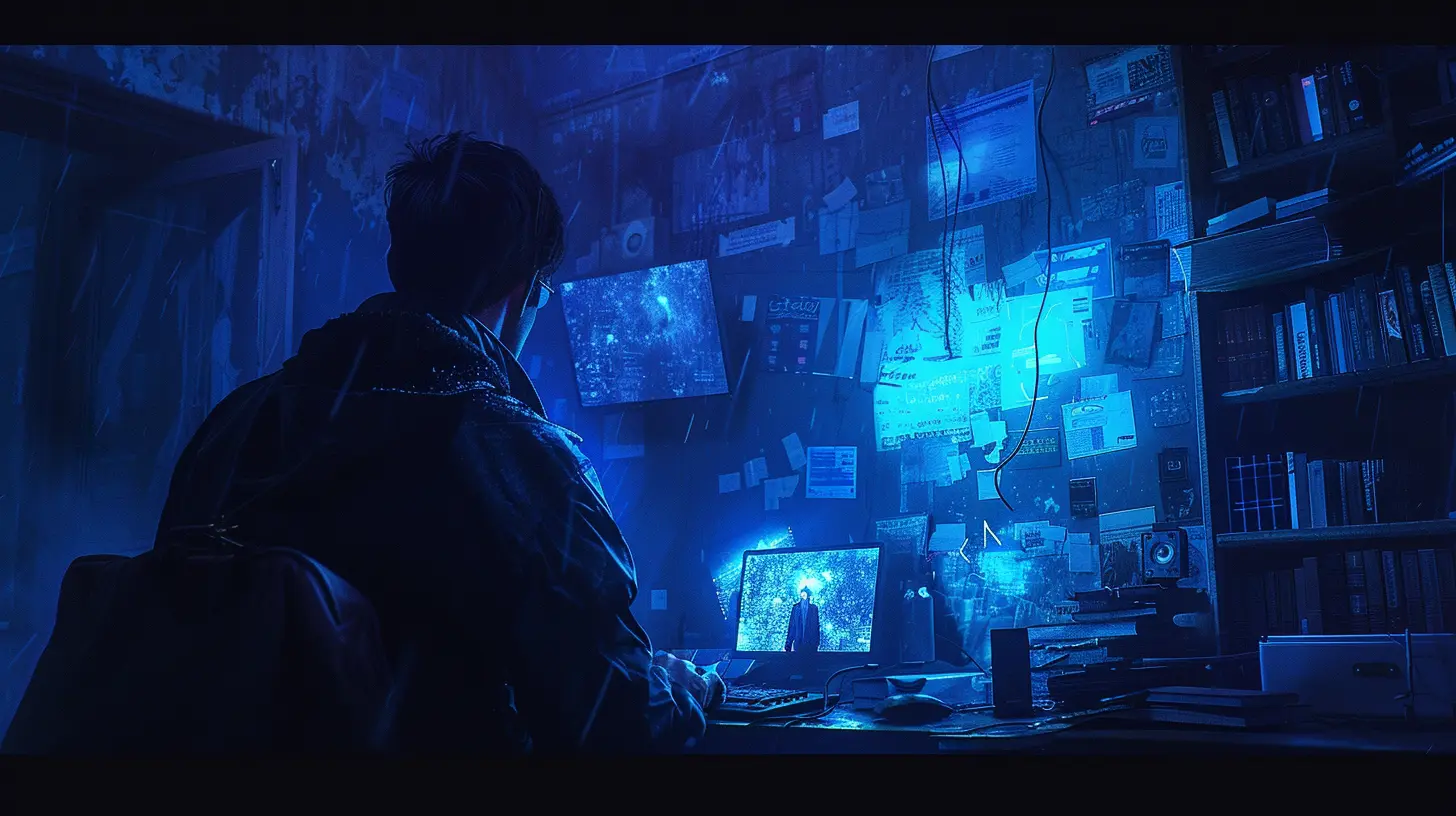
Emotional Manipulation? You Bet.
Building suspense isn’t just about making you nervous. It’s about making you feel something. Whether that’s fear, excitement, dread, or awe—emotion is the goal.That's why trailers use:
- Close-up shots of characters' faces
- Heartbeat-like audio rhythms
- Flashbacks or flickering imagery
- Voiceovers that hint at danger or loss
By the time the trailer ends, you’re emotionally invested—without even realizing it.
The Role of Music: The Driving Force of Tension
Let’s talk about the unsung hero of suspense—trailer music.You ever notice how a single violin screech can spike your adrenaline? Or how a bass drop synced with slow-motion visuals makes everything feel way more intense?
Game trailers use music not just as background noise, but as a storytelling tool. It guides your emotions, tells you when to be chill, when to panic, and when to hold your breath.
A rising crescendo before a title drop? Classic. Spine-tingling sound stings during scene transitions? Perfect.
Music is often what turns a good trailer into an adrenaline-charged, unforgettable teaser.
Case Studies: Trailers That Nailed Suspense
Let’s take a look at a few recent game trailers that knocked it out of the park when it came to suspense.? Resident Evil Village (2021)
Right off the bat, this trailer soaked us in dread. It starts slow, with eerie music and a cryptic narration. You're introduced to a fairy-tale-like story that becomes more disturbing as it unfolds. No one knew what the game was about initially—and that mystery made it impossible to look away.? The Last of Us Part II
Talk about emotional turmoil. The trailer showed familiar faces in unsettling situations. There were long silences, blood-soaked settings, and haunting music. You weren’t given full context—but that was the point. The suspense came from not knowing who you could trust.? Silent Hill 2 Remake (Reveal Trailer)
This trailer was an absolute masterclass in psychological suspense. The pacing, camera angles, and ambient sound combined to build an atmosphere of oppressive tension. It didn’t rely on jump scares—it built fear layer by layer, like a psychological onion.Why Suspense Works So Well (Psychology Time!)
Suspense plays directly into how our brains are wired.When we sense something's about to happen—but don't know what—our bodies release dopamine. That's the pleasure chemical. Yep, suspense is basically tricking our brains into enjoying tension.
We’re hardwired to seek resolutions. So when a trailer leaves us with unanswered questions, it’s like an itch we’re dying to scratch.
That’s why suspenseful trailers stick in your head for days. Your brain keeps chewing on them, making you remember the game long after you’ve seen the trailer.
How Game Developers and Editors Craft Suspense
Creating a suspenseful trailer takes serious collaboration:- Writers craft intriguing narrative hooks
- Editors decide pacing and flow
- Sound designers create the perfect audio landscape
- Voice actors help deliver performance with emotional weight
It’s basically a mini-movie polish session. And they only have about 2 minutes to blow your mind.
No pressure, right?
The Future of Suspense in Game Marketing
With tech improving daily, suspense in game trailers is only getting sharper.Expect more:
- Interactive trailers
- Alternate reality games (ARGs) as teaser campaigns
- Deepfake narration or AI-generated voices to create unique, eerie effects
The lines between marketing and storytelling are blurring—and suspense is the glue that holds it all together. The goal isn’t just to show the game. It’s to make you feel the game before it even launches.
Final Thoughts
Suspense isn’t just a nifty trailer trick—it’s an art form. It’s how game creators grab your attention, spark your imagination, and make sure their game lives rent-free in your head.Next time you watch a trailer that gives you chills, take a second to think about why. The pacing. The music. The unanswered questions. All of it is carefully designed to pull you in and never let go.
So the next time you're halfway through a gaming trailer and you feel your palms sweat, your heart race, and your brain begging for more—that’s not an accident.
That’s the art of suspense.
all images in this post were generated using AI tools
Category:
Game TrailersAuthor:

Jack McKinstry
Discussion
rate this article
1 comments
Vito McTigue
Masterful tension builds anticipation.
August 9, 2026 at 3:52 AM
Jack McKinstry
Thank you! Creating that tension is essential in drawing players in. I'm glad you felt it.