The Evolution of Augmented Reality Games and Their Impact on Modern Gaming
11 September 2026
Let’s take a trip into a world where digital creations dance with reality—a world where your everyday environment becomes the backdrop for epic quests, alien invasions, or hidden treasure hunts. Sounds like science fiction, right? Well, it’s our new reality. Augmented Reality (AR) gaming isn’t just a trend—it’s transforming how we play, interact, and even think about games.
But how did we get here? And what does this rapid evolution mean for the future of gaming? Buckle up. We’re diving deep into the incredible journey of augmented reality games and their mind-blowing impact on the modern gaming scene.
What Exactly is Augmented Reality Gaming?
Before we go head-first into the rabbit hole of AR gaming history, let’s get one thing straight.Augmented reality is not Virtual Reality’s cousin that no one talks about. If VR takes you out of your environment and into an entirely digital universe, AR does the opposite—it enhances your actual world by layering in computer-generated elements.
Think of it like decorating your real-life space with digital graffiti that only you can see through your phone or AR glasses.
Now, add gaming elements to that mix—missions, objectives, levels, enemies—and you’ve got AR gaming. It's like playing hide and seek, except the “hiders” might be virtual zombies or mythical beasts lurking right in your backyard.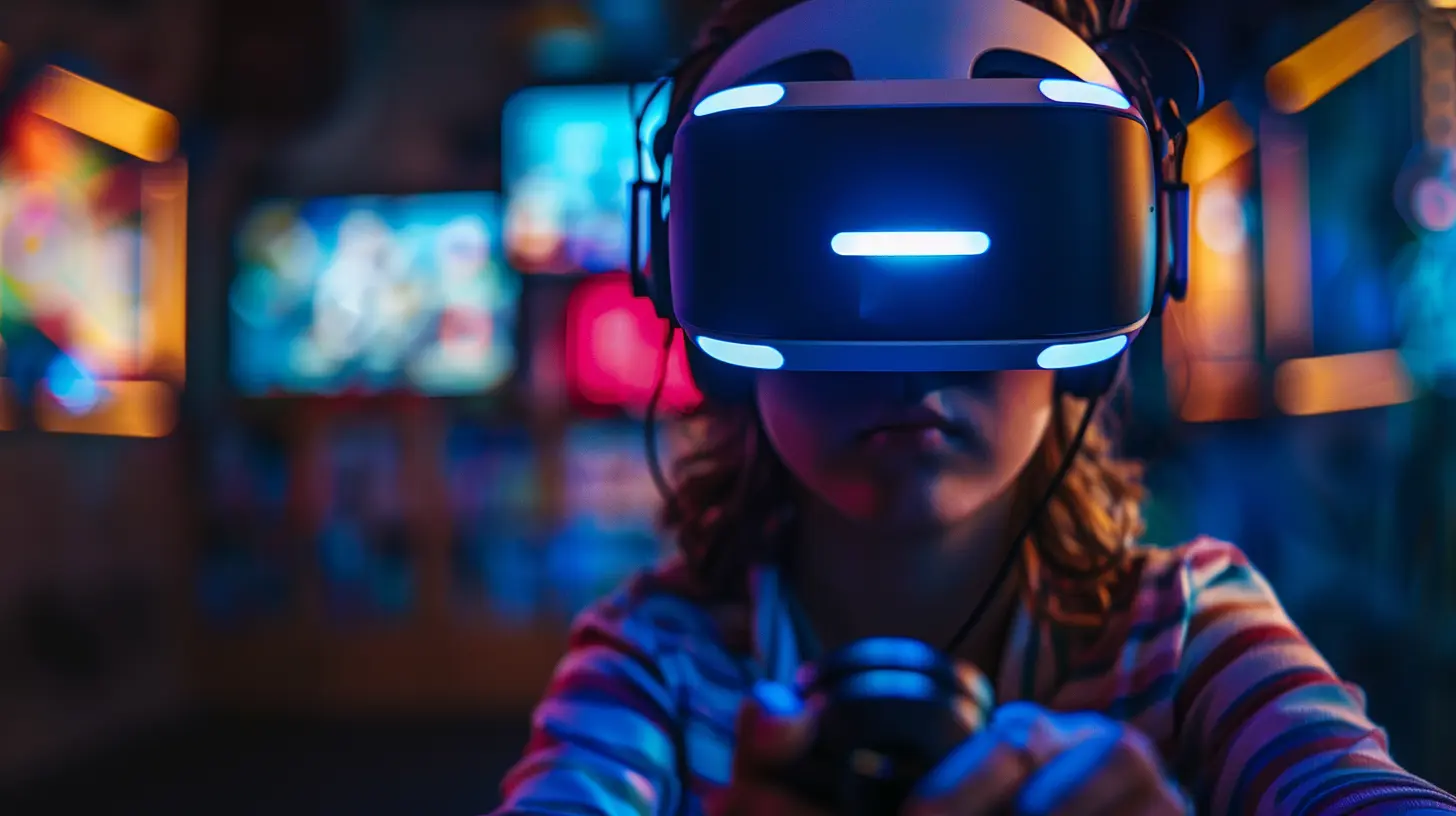
The Humble Beginnings of AR Gaming
So where did it all begin?AR gaming didn’t just pop out of thin air with Pokémon GO in 2016 (although we’ll definitely get to that giant milestone). The roots go way back—like early-2000s back. Remember the PlayStation 2 EyeToy? That little camera let you interact with the game using your body, kind of like primitive AR.
Fast Forward to 2009, and we saw a few mobile experiments like “ARQuake,” which allowed players to hunt enemies in real-world environments using GPS—and a whole lot of imagination. These early entries were clunky, laggy, and required you to jump through technical hoops just to load the game. But hey, groundwork is groundwork.
The idea was there; the tech just had to play catch-up.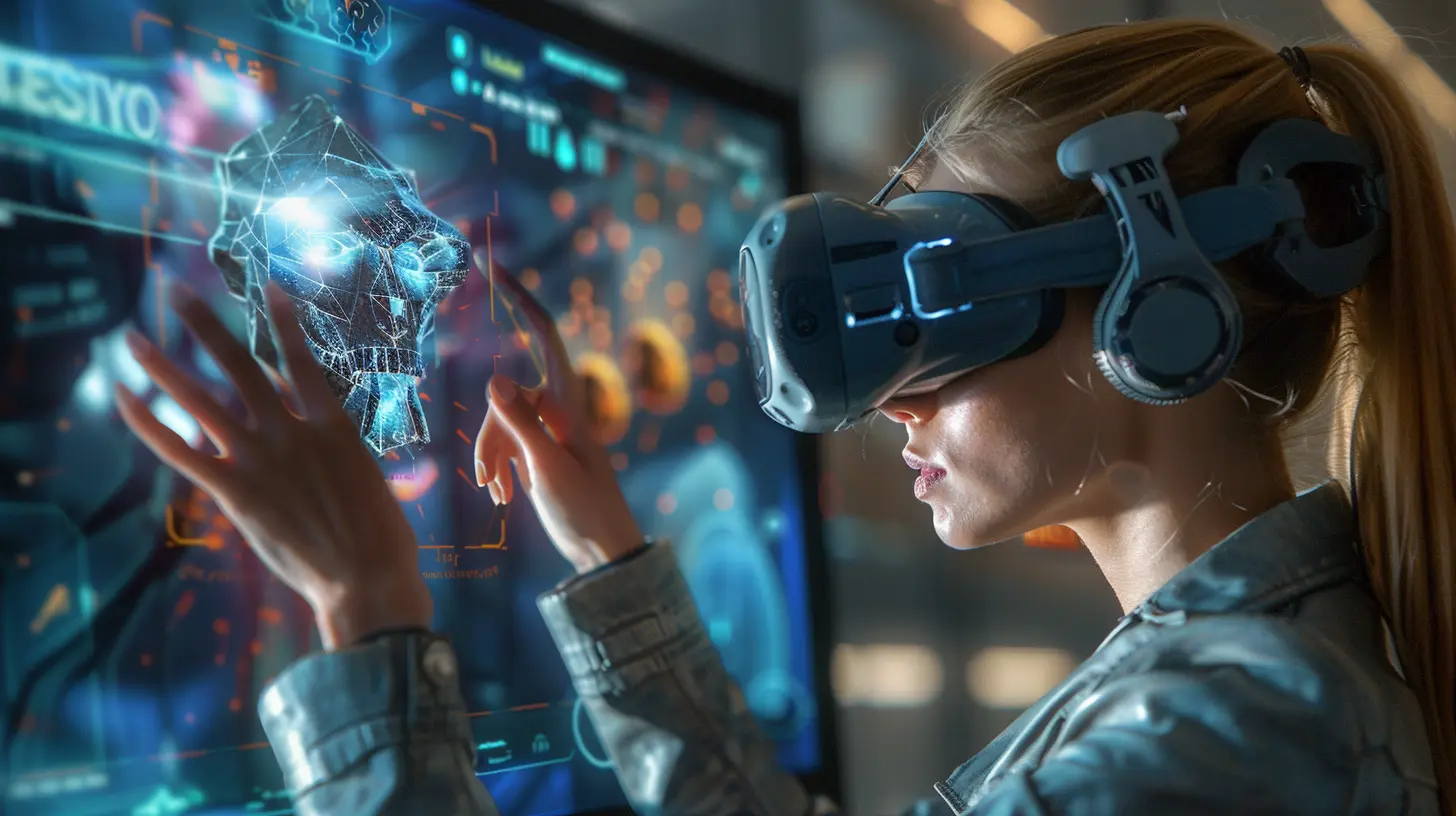
Pokémon GO: The Earthquake That Shook the Gaming World
Okay, this moment deserves its own spotlight.In July 2016, Niantic dropped a digital bombshell: Pokémon GO. Suddenly, millions of people were roaming neighborhoods, parks, even stores in search of digital monsters. Augmented creatures popped up in real locations, and people of all ages were hooked.
It was simple, yet revolutionary. Your phone was now a portal.
You could look through the camera and see Pikachu chilling in your driveway. You weren’t just playing a game; you were in it.
Pokémon GO didn’t just go viral—it reshaped how we viewed video games:
- It made AR mainstream overnight.
- It proved location-based gaming works.
- It encouraged physical movement (seriously, remember how everyone suddenly started walking?).
- It fostered community. Parks were full of strangers sharing strategies and lures.
No other AR game before it had made such a cultural dent.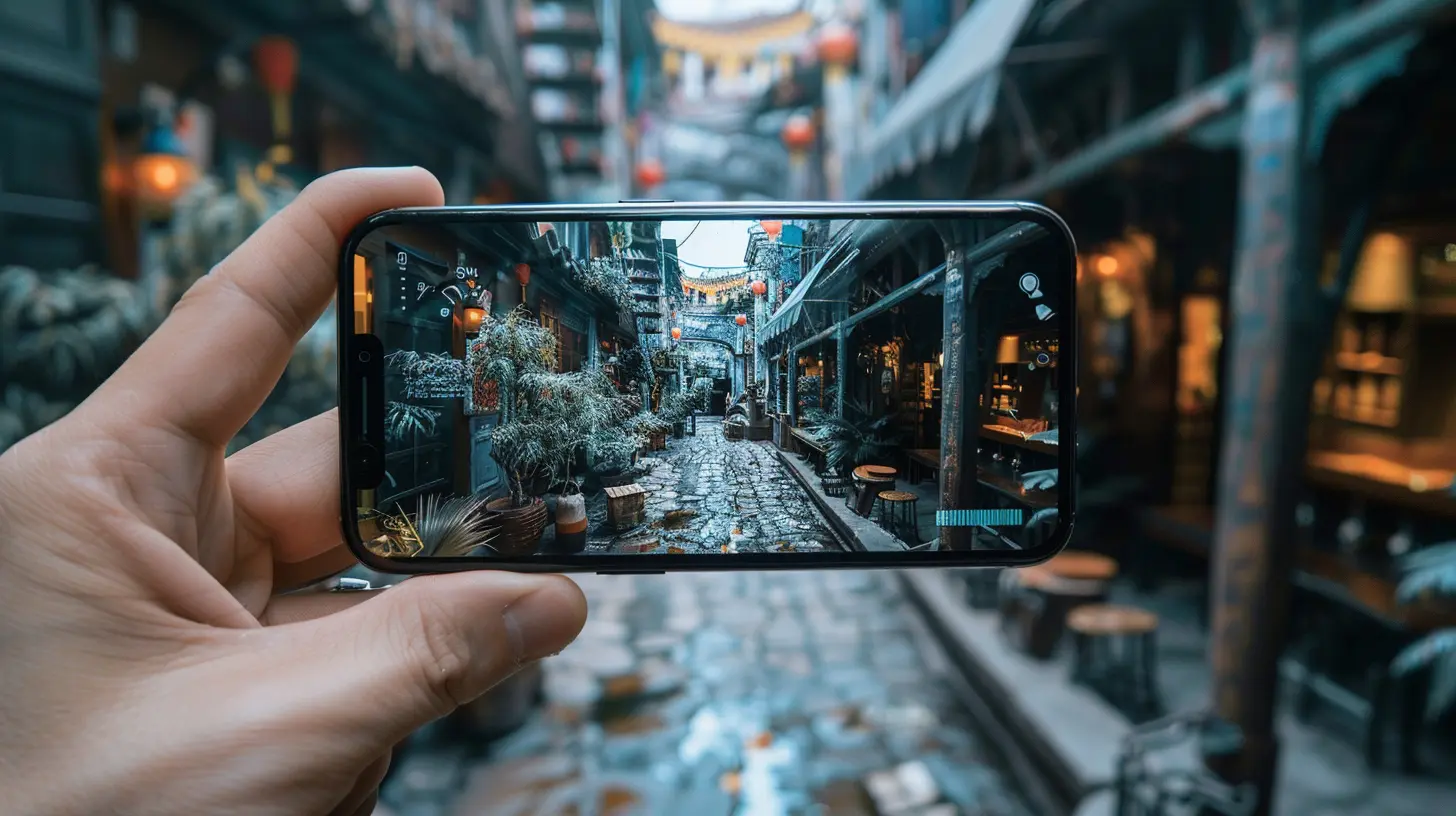
The Rise of Location-based and Social AR
After Pokémon GO’s explosive success, the AR floodgates opened.Developers realized they could combine the uniqueness of the physical world with multiplayer experiences, social features, and real-world mapping tech to create something truly magical.
Games like:
- Harry Potter: Wizards Unite – Cast spells in neighborhoods.
- Jurassic World Alive – Collect dino DNA while walking your dog.
- The Walking Dead: Our World – Blast zombies at the convenience store.
These games mixed fantasy with reality. And although none reached Pokémon GO’s peak, they refined the AR formula and showed that this genre had real staying power.
AR started to feel less like a gimmick and more like a new frontier.
AR + Mobile = A Match Made in Gamer Heaven
Let’s be honest—AR gaming wouldn’t be what it is today without the smartphone revolution.Modern phones come packed with GPS, cameras, accelerometers, and powerful processors. They're basically AR battle stations you carry in your pocket.
This accessibility has been a game-changer (pun totally intended). You don’t need VR headsets or crazy gear. Your phone is the wand, sword, or scanner.
And this convenience? Absolute gold for game developers and players alike.
The Game Mechanics That Work Perfectly With AR
You might be wondering—what makes a good AR game tick?Great question.
Here are a few mechanics that AR boosts into awesomeness:
1. Scavenger Hunts & Object Collection
We humans love to collect stuff. AR makes scavenger hunts thrilling because the items feel hidden in your actual world.2. Location-based Battles
Whether you’re defending a gym in Pokémon GO or handing a boss his virtual butt at a local landmark, adding real-world locations transforms battles into events.3. Puzzle Solving
Escape room games using AR? Yes, please! Solving riddles with clues hidden in your environment feels straight out of Harry Potter.4. Social Interactions
AR layered on top of multiplayer means friends can team up—or compete—in the same physical space. It's like bringing board games to life.Augmented Reality: Not Just a Game, But a Lifestyle
Okay, now let’s get a little deeper.AR games are starting to blur the lines between gaming and daily life. And that’s not a half-baked metaphor.
Games like Ingress Prime (from Niantic again) integrate hacking, portals, and control zones into your actual commute. Suddenly, you’re not just going to Starbucks… you’re defending a key portal!
Some AR games even reward you for visiting new places or walking a certain distance. It gamifies your routine. Who thought walking your dog could count as leveling up?
We’re talking about a whole new way of living—where gameplay is always on, and your surroundings are constantly evolving.
AR Meets Wearables: The Next Leap?
Here’s where it gets even more exciting—and a bit spooky.While phones are currently the main AR gateway, companies are eyeing wearables (like AR smart glasses) as the future. Imagine walking through town and seeing game indicators floating in the sky or enemies darting between parked cars—all hands-free.
Google tried it early with Google Glass (too soon, maybe). But with recent tech advances, AR wearables could become the next big leap.
Think Iron Man HUDs, but for your D&D campaign. Wild, huh?
How AR is Rewriting the Rules of Game Design
Traditional games are bound by screens and controllers. AR tears those boundaries down and throws them out the window.For game designers, this means:
- Levels are endless: The real world is the map.
- Player behavior is unpredictable: Weather, traffic, or just someone’s mood can affect gameplay.
- Safety becomes a concern: Developers now have to plan for people walking into streets or restricted areas. Yep, it’s happened.
- Personalized experiences: Games can tailor tasks to your location, movement, and time of day. No two games are exactly the same.
It’s not just about making games anymore—it’s about crafting real-world adventures.
The Impact on Modern Gaming Culture
Let’s take a breather and reflect.AR gaming has done more than just add a cool feature to mobile games. It’s turned players into explorers, adventurers, and sometimes even educators.
Here’s how it’s shaken up the gaming world:
- Social gaming is thriving – AR makes you get out there and meet people.
- Gaming is healthier – Walking, discovering, interacting? Yes, please.
- It’s more immersive – You're not just controlling a character; you ARE the character.
- It's inclusive – Anyone with a smartphone can jump in. No need for expensive consoles or gaming rigs.
AR has made gaming more democratic, connected, and personal.
Challenges Ahead for AR Gaming
It’s not all sunshine and Pidgeys, though.AR gaming still has hurdles:
- Battery drain – GPS + camera = rapid battery death.
- Privacy concerns – Games using real-world data can raise serious ethical questions.
- Tech limitations – Not everyone has the latest phone, and indoor AR? Still a bit shaky.
- Player fatigue – Games require constant movement and attention, which can be tiring.
Still, much like any growing medium, these are bumps on a promising road.
The Mysterious Future: What Comes Next?
Here’s where things get speculative—and seriously cool.Picture this:
- Persistent AR worlds: Games that are always on, with digital structures permanently mapped to your neighborhood.
- Augmented storytelling: Imagine live AR narratives that unfold around you like you're the main character in a sci-fi movie.
- Haptic feedback gear: You’ll feel the digital sword clash in your hand or the rumble of a dragon’s roar.
- AR + AI: Games that learn your habits and tailor the experience to surprise you every time.
The future of AR gaming isn’t just promising—it’s practically limitless.
Final Thoughts: Reality Will Never Be the Same
The evolution of augmented reality games has been nothing short of magical. From awkward early attempts to global phenomena, AR gaming has redefined what games can be and how we engage with them.And if this is just the beginning? Hold on tight, because reality’s about to get a whole lot stranger—in the very best way.
So the next time you're walking down the street and someone suddenly stops and spins their phone around like a lunatic, don’t be quick to judge—they might just be hunting a Snorlax.
all images in this post were generated using AI tools
Category:
Augmented Reality GamesAuthor:

Jack McKinstry
Discussion
rate this article
1 comments
Samuel Kim
Great article! It's fascinating to see how augmented reality games have transformed player experiences and engagement. The blend of real and virtual worlds opens up new possibilities for storytelling and interaction, reshaping the landscape of modern gaming in exciting ways.
September 24, 2026 at 4:16 AM
Jack McKinstry
Thank you! I'm glad you enjoyed it. Augmented reality really is changing the game in so many ways.