The Evolution of Game Trailers Through the Decades
7 July 2026
If you’re anything like me, game trailers have probably sucked you into the hype rabbit hole more than once. A flashy trailer pops up, maybe during E3 or a surprise drop on YouTube, and before you know it—boom—you’re wishlisting a game you knew nothing about five minutes ago.
But have you ever stopped to think about how game trailers became such a huge part of gaming culture? Spoiler alert: they weren’t always these cinematic, pulse-pounding pieces of art we see today.
Let’s take a nostalgic ride through time and uncover how game trailers have evolved over the decades—from pixel-packed promos to Hollywood-level productions.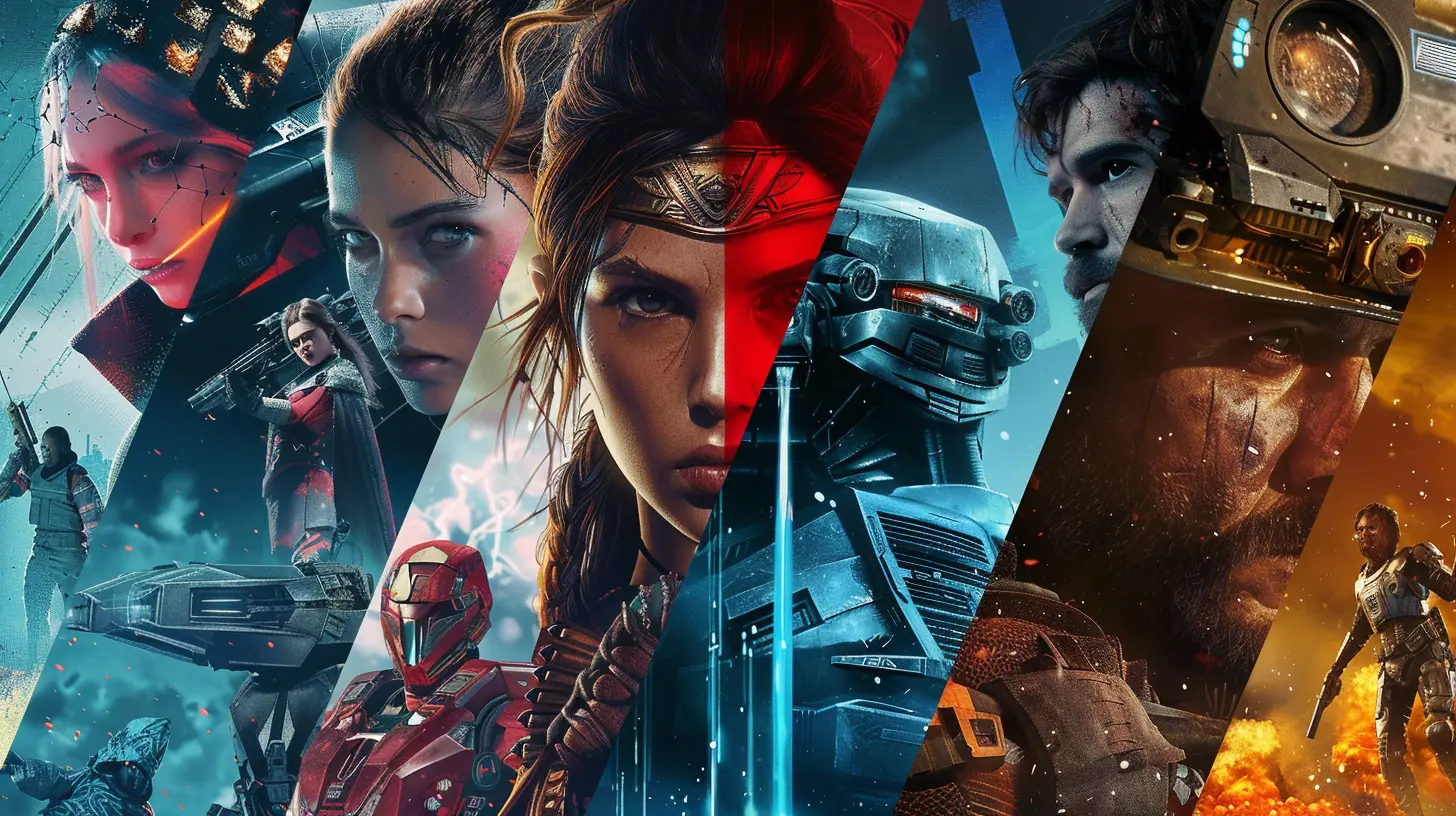
? The Humble Beginnings – 1980s
Back in the 80s, gaming was still finding its identity. Consoles like the Atari 2600 and the NES were making waves, but when it came to promoting games, things were... well, basic.The Era of TV Commercials
There weren’t really “trailers” in the traditional sense. Instead, what we got were quirky TV ads. They were loud, weird, colorful, and often full of 80s cheese. Think kids screaming in front of CRT TVs, crazy voiceovers (“Now you’re playing with power!”), and footage that barely showed actual gameplay.But hey, it worked. These commercials created a buzz, especially with the younger crowd. Remember, the internet wasn’t a thing yet—this was as viral as it got.
Trust Us, It’s Fun!
Because trailers didn’t really exist in the digital sense, developers had to rely on box art and snippets in gaming magazines to sell the experience. Trailers, as we know them today, weren’t even part of the equation yet.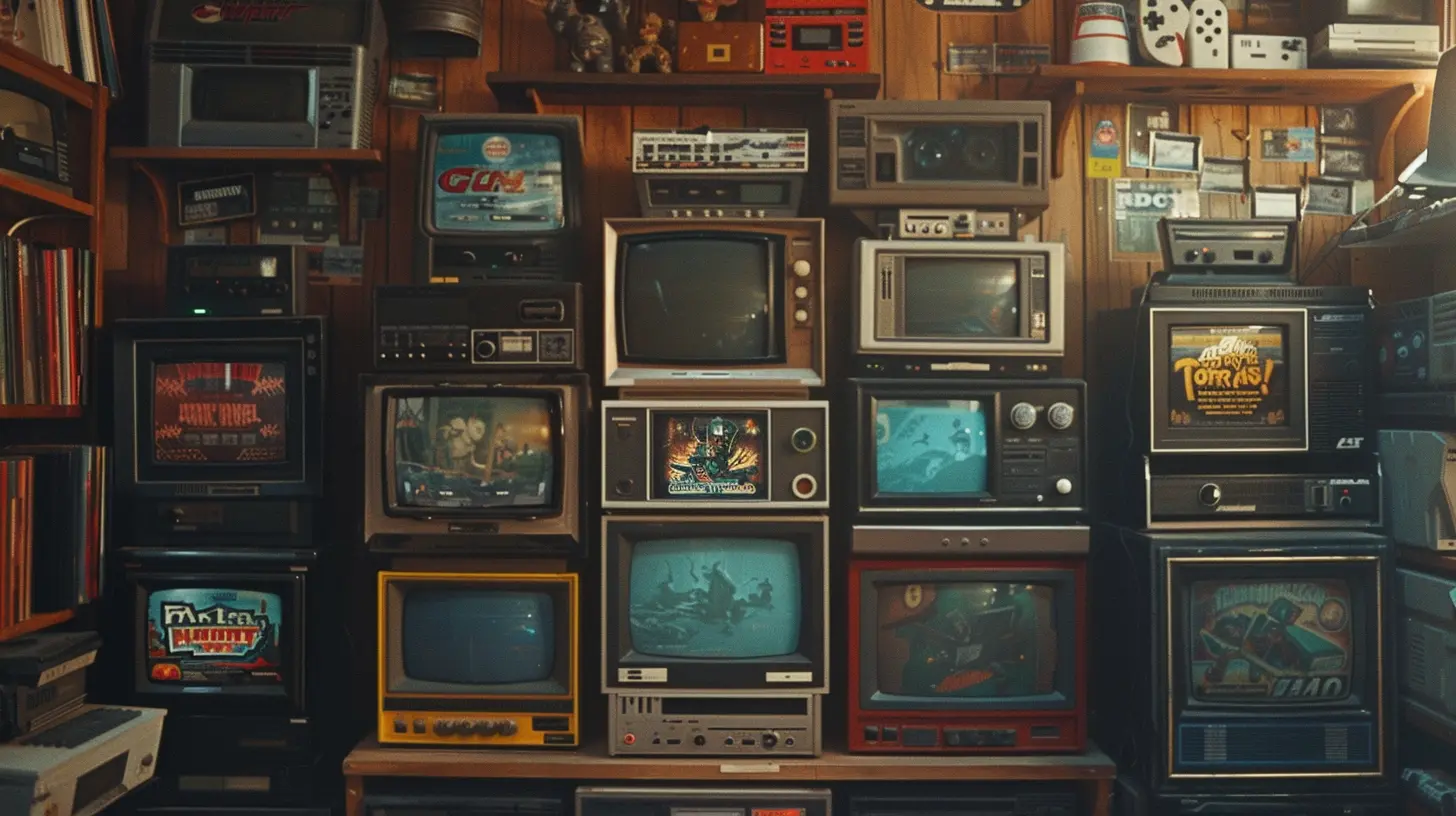
?️ The Rise of Gaming Culture – 1990s
Enter the 90s. The decade that gave us grunge, dial-up internet, and the first real taste of what would become the modern gaming industry.CD-ROMs Changed Everything
With the explosion of CD-ROM technology, suddenly games had more space—not just for better graphics and music, but also for full-motion video (FMV). Developers started including cinematic intros and cutscenes that could double as trailers.Games like Final Fantasy VII and Command & Conquer used in-game cinematics to wow audiences. These clips started appearing at expos like E3, and word spread through gamer mags and VHS demo tapes (yes, those were a thing!).
Saving the Best for the Expo
E3 became the golden stage for debuting trailers. Studios went all-in to impress both press and fans. This was also the beginning of the "hype train" culture—where speculation, leaks, and previews became mini-events in themselves.
? The Internet Age – 2000s
Ah, the 2000s. Broadband kicked in, YouTube was born, and suddenly, anyone could watch a trailer anytime, anywhere.The Birth of Online Trailers
Whereas before you had to catch a trailer on TV or sneak peeks in magazines, the internet democratized access. YouTube’s launch in 2005 was a game-changer. Suddenly, a trailer could go viral overnight.And developers noticed. Trailers became more polished. They began mixing gameplay snippets with cinematic flair. Franchises like Halo, Gears of War, and Assassin’s Creed started setting the standard.
The Rise of the Cinematic Trailer
This decade also saw a shift toward highly cinematic trailers—often looking more like movie teasers than game demos. Studios hired legit directors, musicians, and even voice actors to bring these trailers to life.Remember Dead Island’s infamous 2011 trailer? It was a gut-punch of emotion told in reverse. It didn’t show a second of gameplay, but people couldn’t stop talking about it. That’s what a great trailer does—it grabs you by the feels.
? The Streaming Era – 2010s
As streaming platforms like Twitch and YouTube Gaming exploded, game trailers weren’t just marketing tools anymore—they became live events.Livestream Reveals Became the Norm
Instead of dropping a trailer randomly, studios began hyping up trailer reveals. Think Nintendo Directs, Sony’s State of Play, and Microsoft’s Xbox Showcases. They turned trailer drops into globally anticipated moments.Game Engines Level Up
Thanks to engines like Unreal and Unity, real-time rendering became more advanced. That allowed devs to build trailers directly in-game, blending cinematics and gameplay more seamlessly than ever.Games like The Last of Us Part II, God of War, and Cyberpunk 2077 gave us trailers that truly felt like blockbuster movie previews. They told stories, teased gameplay, and introduced characters—all in under three minutes.
Honesty Becomes a Talking Point
One side effect of incredibly cinematic trailers? Sometimes they looked way better than the final game. (Looking at you, Watch Dogs.) Players grew more skeptical. “Where’s the gameplay?” became a common question in the comment sections.In response, developers adjusted. More trailers started including raw gameplay footage, countdown reveals, and post-trailer breakdowns to earn trust.
? The Modern Era – 2020s and Beyond
Now we’re living in a time where trailers have evolved into something way bigger. They’re multi-layered, strategy-packed marketing tools—and honestly, sometimes better than the games themselves.Teasers, Cinematics, Gameplay—Oh My!
Today’s trailer drops often follow a three-stage rollout: teaser, cinematic, and full gameplay reveal.- Teasers: Short, mysterious clips that spark curiosity.
- Cinematic trailers: Story-heavy, emotion-led, and visually epic.
- Gameplay trailers: Unfiltered looks at how the game actually plays.
This approach keeps audiences engaged across weeks or even months.
Trailers as Art
Let’s be real—some trailers are mini masterpieces. Take Hideo Kojima’s Death Stranding trailers. Half the time we had no clue what was going on, but they were so weird and beautiful we couldn’t look away.Or how about Elden Ring’s reveal? It was like unearthing a mythical artifact after years of rumors and leaks. That cinematic + gameplay blend? Chef’s kiss.
Interactive and Augmented Reality
In the modern age, some trailers even go beyond video. ARGs (Alternate Reality Games) and interactive trailers now blur the line between watching and playing.Remember the marketing around Cyberpunk 2077 or the mysterious teasers for Kojima’s next project? Fans were deciphering clues, breaking down frames, and decoding morse code. Trailers nowadays can be puzzles in themselves.
? What Makes a Great Game Trailer?
Let’s break it down. What do we, the players, really want in a trailer?1. Emotion: Make us feel something—hype, nostalgia, fear, wonder.
2. Mystery: Don’t give everything away. Tease us. Pull us in.
3. Honesty: Show real gameplay. Keep it legit.
4. Style: Music, editing, voiceover—it all matters.
5. Pacing: Don’t drag. Every second counts.
Think of a great trailer like a first date. It shouldn’t tell us your life story—but it should leave us wanting more.
? The Future of Game Trailers
Here’s where things get wild. With AI, VR, and new tech evolving fast, what will the next generation of game trailers look like?AI-Generated Trailers?
Imagine a trailer tailored just for you—based on your favorite genres, characters, and platforms. Yup, AI could make that possible.Virtual Reality Reveals
Soon, we might not just “watch” a game trailer—we could step inside it. Picture putting on your VR headset and exploring a teaser environment before the game even launches.Real-Time Community Reactions
Social platforms already show devs how trailers are landing in real-time. Expect even more integration—like polls, community trailers, and fan edits becoming part of the official rollout.? Final Thoughts
From cheesy TV spots to cinematic masterpieces, game trailers have come a long way. They’ve evolved into their own art form—one that blends marketing, storytelling, and visual creativity like never before.And let’s be honest: half the fun of gaming nowadays is the anticipation. The teaser drops. The countdown streams. The “OMG did you see that!?” moments we share online.
So next time a new trailer drops, remember—you’re not just watching a video. You’re witnessing decades of innovation, passion, and hype-building expertise in action.
Here’s to the next epic trailer that makes us all scream, “TAKE MY MONEY!
all images in this post were generated using AI tools
Category:
Game TrailersAuthor:

Jack McKinstry
Discussion
rate this article
2 comments
Esther McInnes
What a fascinating journey through game trailers! It's amazing to see how they've transformed from simple clips to cinematic experiences that draw us in. Each decade brings something new and exciting. Can't wait to see what the future holds!
October 2, 2026 at 11:20 PM
Rowan Potter
Game trailers have come a long way, evolving from simple clips to immersive stories that captivate. They reflect not only the games themselves but also the shifting expectations of players over time.
July 10, 2026 at 2:38 AM
Jack McKinstry
Absolutely, it's fascinating to see how trailers have transformed into powerful storytelling tools that engage players on a deeper level. They mirror not just game advancements, but also the changing tastes of the audience.