Crafting Puzzle Mechanics That Reward Creativity
14 June 2026
Let’s get real for a second: What’s better than solving a puzzle in a game and feeling like a total genius? No hints, no Google, just pure brainpower and a little “Aha!” moment that makes you want to high-five yourself. That, my friend, is the magic of puzzle mechanics that reward creativity.
But here’s the thing — not all puzzles are created equal. Some feel like homework. Others? Like a mind-bending playground for your inner Einstein. So how do game devs create puzzles that don’t just challenge us but make us feel like clever little masterminds?
Let’s dive deep into the secret sauce of puzzle-making with a dash of humor, a sprinkle of psychology, and a big ol’ spoonful of game design genius.
What Makes a Puzzle "Creative"?
Alright, before we roll up our sleeves, let’s talk about what makes a puzzle creative. We’re not just talking about hard puzzles here — we’re talking about puzzles that tickle your brain and whisper, “Hey, what if you tried something wild?”Creative puzzles often have:
- ✨ Multiple solutions
- ? Open-ended mechanics
- ? Integrations with core gameplay
- ? Encouragement for experimentation
- ? That sweet, sweet “Aha!” moment
The goal? Reward the player, not just for solving the puzzle, but for solving it in their way. Let’s unpack how that works.
1. Give Players the Tools… Then Set Them Free
Imagine handing someone a Swiss Army knife and saying, “Figure it out.” That’s basically what Breath of the Wild does — and players love it.A key to crafting creative puzzle mechanics is giving players a toolbox, not a to-do list.
Let Them Tinker
Take Portal, for example. Valve didn’t say “Stand here, shoot there.” Instead, they gave us portals and let the chaos unfold. Players figured out all kinds of mind-bending tricks the devs didn’t even plan on.That’s the magic — when mechanics are open-ended, players feel like inventors, not just solvers.
2. Design for Multiple Solutions, Not Just One Right Answer
Imagine if every puzzle had only one boring answer. Yawn, right?Instead, allow for creative detours. Let players MacGyver their way to victory – maybe they stack furniture to reach a switch instead of finding the key. Who cares? The point is, they figured it out.
Why It Works
When players find their own path, even if it’s janky or weird, it feels legitimately earned. It’s like taking a shortcut your GPS doesn’t know about – smug satisfaction included.Games like The Witness nail this. Sure, there’s a logic to follow, but sometimes you solve one puzzle in a totally different way than your friend. That leads to awesome conversations like:
> “Wait, you did what to open that door?!”
And that, my friend, is creative puzzle bliss.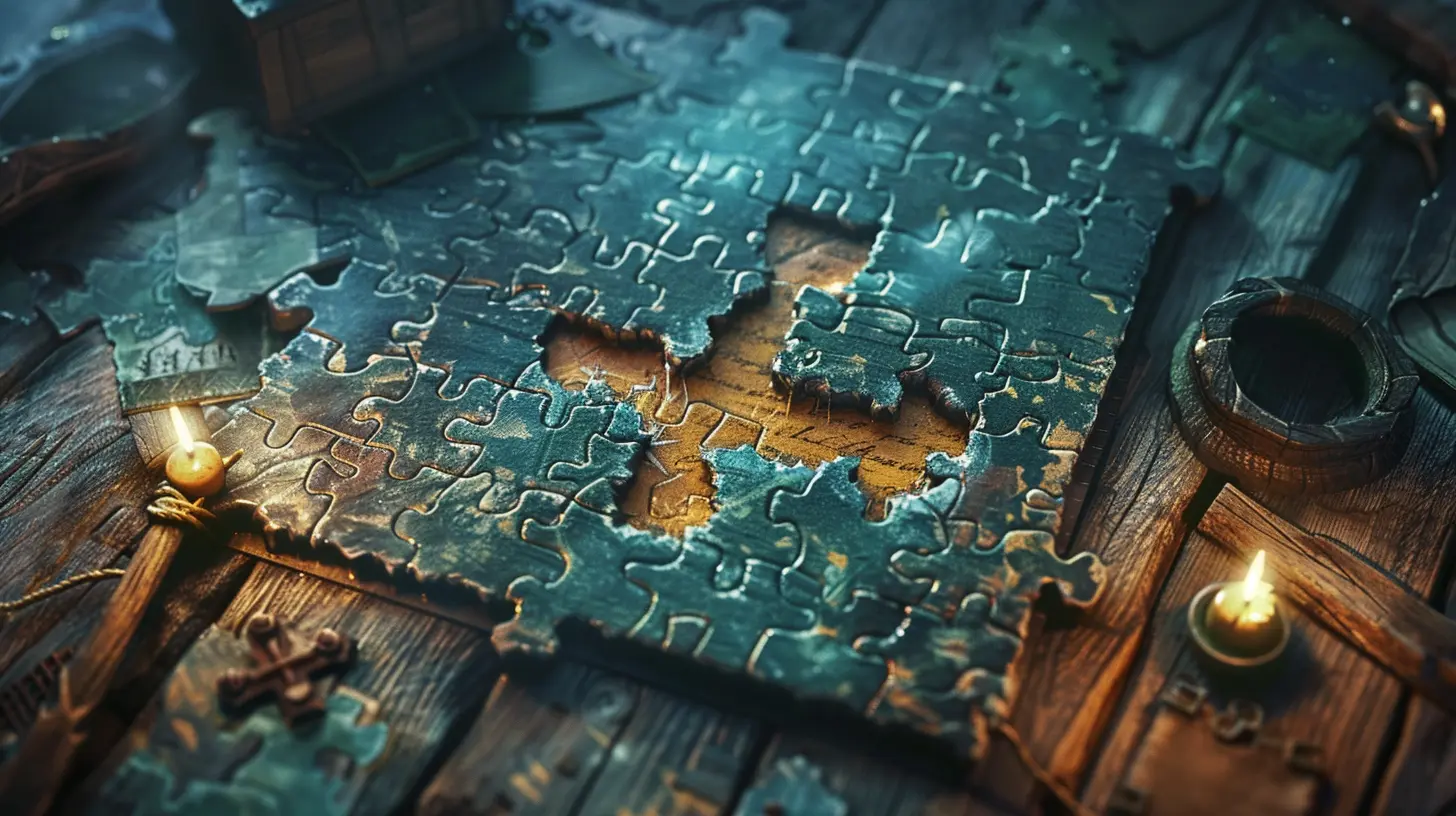
3. Encourage Experimentation Without Punishment
Want to make players paranoid? Punish them every time they mess up. Want to make them curious and bold? Encourage wild ideas.Make Failure Interesting
The best games don’t just allow failure – they make it fun. Think of it like a science lab where explosions are part of the fun.Let’s go back to Zelda: Breath of the Wild again (because it totally deserves a second mention). You try setting a barrel on fire to scare off enemies... it burns. Cool. You try rolling it down a hill... it breaks. Less cool. Try both? Barrel grenade.
That’s the joy of experimentation — and the learning sticks because you played with it.
4. Create a Language of Logic
Great puzzle design builds its own little dictionary. At the start, players don’t know what anything means. But over time, they learn.The best puzzles teach you a new language — step by step. It’s one part Rosetta Stone, one part Sudoku.
Teach Without Telling
Think how Limbo or Inside guides you. No tutorials. No hand-holding. Just smart environments and context clues. Players learn by doing, which means they actually learn.And once they master this little language? They start to think with the game, not against it.
5. Use Humor and Surprise to Keep It Light
Let’s be clear: puzzles shouldn’t feel like a tax return. If they're not fun, what’s the point?Humor and surprise shake up the formula. Remember the Cake is a Lie from Portal? That’s not just a meme — it’s perfect puzzle storytelling. It adds character, stakes, and a little sass to the brain-busting.
Subvert Expectations
A puzzle that turns your assumption sideways is like tickling your brain. You think you know what’s happening… and bam! Plot twist — the button was a decoy. The real switch? Hidden under a chicken. It sounds silly, but that’s the stuff players remember.6. Layer Complexity Like a Delicious Puzzle Lasagna
You don’t start players off solving quantum physics. You start with baby steps — push a box, open a door.Then, you layer.
- Add timing
- Add physics
- Add multiple objectives
- Add emotional stakes
Suddenly, solving that puzzle doesn’t just feel challenging — it feels epic.
Build the Challenge Gradually
Games like Baba Is You start simple and quickly spiral into mind-melters. But you never feel lost – you feel empowered. That’s because the game layers complexity like… well, lasagna (mmm).Each puzzle builds on what came before, so you’re always learning, always leveling up.
7. Let the Player Feel Like a Genius
This is the golden rule. The point of creative puzzles isn’t to make players feel dumb. It’s to make them feel brilliant — without recognizing how cleverly the game guided them there.Sleight of Hand, Puzzle Edition
You know when you slide that one puzzle piece into place and everything just clicks, and you feel like the second coming of Sherlock Holmes?That’s not an accident. That’s top-tier puzzle design.
Game designers are basically magicians. They subtly guide, nudge, and teach — all while convincing you that you figured it out on your own.
8. Make It Personal
Here’s a wild idea: good puzzles don’t have to stay abstract. Tying puzzles into the world, characters, or story can crank the engagement up to eleven.Emotion + Puzzles = Chef's Kiss
Look at games like To the Moon or Outer Wilds. The puzzles aren’t just there to stump you — they’re deeply tied to the characters and story.Solving something in those games isn’t just logical — it’s emotional. And when you blend brain and heart, players are all in.
9. Test With Real People (Not Just Your Cat)
Okay, you’ve made your puzzles. They’re weird. They’re wonderful. But you? You know all the answers. That means you're the worst test subject.Get Fresh Eyes
Watch how real players interact. Do they figure it out? Do they get frustrated? Do they smile?Sometimes you’ll find players solving things in ways you never expected — and that’s gold. Lean into that creativity. Use it to refine, not restrict.
10. Embrace the Happy Accidents
Some of the most iconic puzzle moments in gaming history? Total flukes.Whether it’s a glitch-turned-feature or a player-stumbled shortcut, embrace the chaos. If it works and it’s fun, it belongs.
Don’t Patch the Fun Away
Some devs get twitchy when players “break” puzzles. But here’s the thing: if a player finds joy in doing it differently, that’s creative problem solving, not a bug.Unless it crashes the game, let them have their moment. That’s how legends (and Reddit threads) are born.
Final Thoughts: Keep It Clever, Keep It Fun
Crafting puzzle mechanics that reward creativity isn’t about making the hardest or most complex game. It’s about sparking those little moments of joy where the player feels clever, empowered, and playful.So whether you're a dev building the next big brain-buster or a puzzle-loving player appreciating the craft — remember: the best puzzles don’t just challenge you. They trust you.
And when a game trusts its players? That’s when the magic really happens.
all images in this post were generated using AI tools
Category:
Game Content CreationAuthor:

Jack McKinstry
Discussion
rate this article
1 comments
Wendy Wagner
This article hits the nail on the head! Crafting puzzles that let players think outside the box is such a great way to keep the experience fresh and engaging. I love when a game encourages creativity, making each solution feel like a personal triumph. Can't wait to see more innovative designs!
June 14, 2026 at 3:35 AM
Jack McKinstry
Thanks for the kind words! I'm glad you enjoyed the article. I totally agree-creative puzzles really elevate the gaming experience. Stay tuned for more exciting designs!