The Future of Gaming Subscriptions and What It Means for Players
8 December 2025
Gaming has transformed from a simple pastime into a full-blown digital lifestyle. And if you’ve been keeping your eyes on the industry, you’ll notice one shift that’s hard to ignore — the rise of gaming subscription services. From Xbox Game Pass to PlayStation Plus and even Netflix hopping into the arena, subscription models are becoming the new norm. But is this really the future of gaming? And more importantly, what does it mean for us — the players?
Let’s dive deep into this digital evolution and figure out what gaming subscriptions are shaping up to become, and how they’ll impact your wallet, your game library, and your overall experience as a gamer.
Table of Contents
1. What Are Gaming Subscriptions, Really?2. The Rise of the Subscription Era
3. Why Are Developers and Publishers Jumping In?
4. The Pros for Players
5. The Cons You Need to Watch Out For
6. What This Means for Game Ownership
7. How Indie Developers Are Impacted
8. Will Subscription Models Be Sustainable?
9. Cloud Gaming: The Hidden Player in Subscription Models
10. What the Future Could Look Like
11. What Should Players Do Right Now?

What Are Gaming Subscriptions, Really?
Think Netflix, but for video games.Gaming subscriptions give you access to a rotating (sometimes permanent) library of games for a monthly or yearly fee. Instead of dropping $60 on one AAA game, you pay something like $10-$15/month and get access to hundreds of titles. Sounds like a steal, right?
Services like:
- Xbox Game Pass
- PlayStation Plus Extra/Premium
- EA Play
- Ubisoft+
- Apple Arcade
- Netflix Games
...are reshaping how we play, buy, and think about games.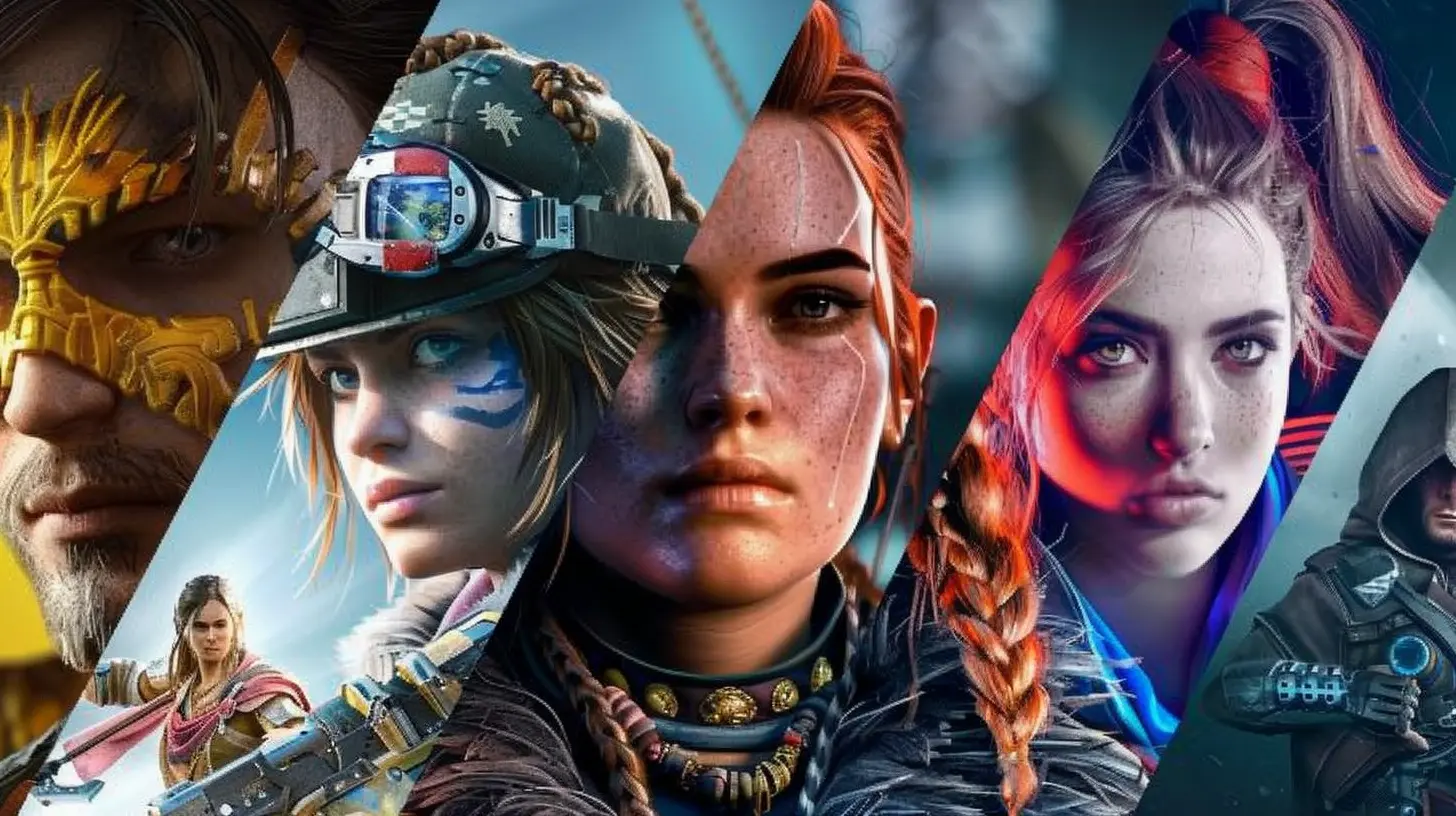
The Rise of the Subscription Era
It didn’t happen overnight. But over the past few years, the Netflix-fication of everything has seeped into gaming.Here’s the thing — games are expensive. For developers and for players. Subscription models offer a more predictable revenue stream for studios and a more affordable way for players to experience tons of games.
Microsoft was one of the earliest big movers with Xbox Game Pass, positioning it as the "Netflix for Games." It was a bold bet — and it’s paying off. Just like with Spotify and movies before it, the subscription model is taking center stage in how we consume entertainment.
Why Are Developers and Publishers Jumping In?
Let’s be real. Developing a game takes years, millions of dollars, and a ton of risk. If a game flops, it can ruin entire studios.Subscription models reduce that risk. Instead of betting everything on one giant release, studios can rely on steady income from platforms that pay them to include their games. Plus, it’s a great way to increase visibility — especially for indie developers.
It’s all about reach and engagement. If more players are willing to try your game because it’s “free” with their subscription, you’re more likely to build a loyal fanbase.
The Pros for Players
Alright, now for the good stuff. What does this all mean for you, the gamer?1. Huge Libraries at Low Cost
Why buy one game when you can play dozens? Subscription services offer monumental value. For the price of two or three premium games a year, you could have access to hundreds of titles.2. Discoverability Is at an All-Time High
Ever played a game you never would’ve tried otherwise? That’s the magic of Game Pass and similar services. You click, you download (or stream), and boom — you're exploring new genres left and right.3. Day-One Access to New Games
Some platforms now offer day-one access to major releases. Imagine not having to fork over $70 for that new release — just having it ready on launch day as part of your subscription.4. Flexibility and Freedom
You’re not locked in. Most services let you cancel anytime. Plus, you can switch between platforms or pick bundles that suit your style.The Cons You Need to Watch Out For
Nothing’s perfect. Subscriptions come with some strings attached.1. You Don’t Own Your Games
This one stings. When you stop paying, the games go away. Just like Netflix removes movies, gaming services rotate titles, sometimes without warning.2. Internet Dependency
A lot of these services rely on cloud gaming or online check-ins, especially for streaming. Without stable internet, your gaming dreams may hit a lag spike — literally.3. Game FOMO
Ever felt pressure to finish a game before it leaves Game Pass? That “rush-before-it’s-gone” mentality can be stressful and take the fun out of gaming.4. Too Many Subscriptions?
Gaming fatigue is real. Add Netflix, Spotify, Disney+, and now three different gaming subscriptions? Your wallet might scream in protest.What This Means for Game Ownership
Remember the joy of holding a physical game in your hands? Or knowing it was yours forever?That’s fading.
Gaming subscriptions are nudging us toward a future where ownership is obsolete. You rent access. It’s convenient, but it also means control rests in the hands of corporations. If a service shuts down (RIP Stadia), your library could disappear overnight.
The shift mirrors what happened in music and film. We’ve gained convenience but lost permanence.
How Indie Developers Are Impacted
It’s a double-edged sword for indie devs.On one hand, subscriptions offer massive exposure. A small studio gets their game in front of millions of Game Pass users — far more reach than traditional launches.
But there’s a catch.
These devs often get paid a lump sum for inclusion in the service. If a game explodes in popularity, they might not see those extra gains. Plus, as more big studios jump in, indies might get pushed to the margins.
The key? Fair revenue sharing and visibility from the platforms themselves.
Will Subscription Models Be Sustainable?
Here’s where things get tricky.Not every service can afford to operate like Netflix. Microsoft can take risks because of its deep pockets, but can others follow suit?
The competition will heat up. Prices might go up, libraries might get smaller, or content could get siloed behind platform-walled gardens. It’s the streaming wars 2.0 — but for games.
The sustainability of this model depends on balance: player base growth, developer satisfaction, and long-term profitability.
Cloud Gaming: The Hidden Player in Subscription Models
Here’s the sneaky part: subscriptions and cloud gaming are closely tied. Services like Xbox Cloud Gaming are already including streaming with your subscription.Don’t want to download a 150GB RPG? Just stream it. Play on your phone, tablet, or even Smart TV.
Cloud gaming removes the need for expensive hardware. That could open up gaming to entire markets that can't afford high-end consoles or PCs. Subscriptions and cloud gaming? Match made in heaven.
But again...it all depends on internet infrastructure. Without solid broadband or 5G, the experience will suffer.
What the Future Could Look Like
So where are we headed?- More Consolidation: Expect more bundles. Think Xbox + EA Play + Ubisoft+ under one umbrella.
- Higher Prices: As competition settles, prices will inch up (just like Netflix did).
- Exclusive Content: Some games may go subscription-exclusive, changing the way we think about platform loyalty.
- AI and Personalized Libraries: Services could recommend games based on your playstyle — creepy or convenient?
- More Cloud-First Titles: Games designed specifically for cloud platforms could become the norm.
Ultimately, the future of gaming subscriptions is about accessibility and variety. But the big question is whether players will retain control or if corporations will dictate the terms of play.
What Should Players Do Right Now?
If you're a gamer today, here's some advice.1. Shop smart: Don't subscribe to everything. Pick one or two services that match your gaming habits.
2. Own the unmissable: Still buy the games you absolutely love. It’s worth it to have permanent access.
3. Support indie devs: Especially if you love their game, consider buying it even if it's on Game Pass.
4. Stay informed: These services change fast. Games rotate in and out monthly, and terms shift.
5. Test the waters: Most platforms offer free trials. Use them to figure out what works for you.
Closing Thoughts
Gaming subscriptions are here to stay — but they’re still evolving. For players, they offer a buffet of experiences at a fraction of the usual cost. But just like any buffet, it’s easy to over-indulge or walk away unsatisfied.The industry is in a weird, exciting, and sometimes scary place. But here’s the good news: as long as players stay informed and vocal, we’ll help shape what this future looks like.
Because at the end of the day, the power still lies with the players. And the controller? That’s still in your hands.
all images in this post were generated using AI tools
Category:
Gaming SubscriptionsAuthor:

Jack McKinstry
Discussion
rate this article
2 comments
Starla Kirkland
Great insights! Excited to see how gaming subscriptions evolve and enhance accessibility and value for players.
December 18, 2025 at 5:07 PM
Jack McKinstry
Thank you! I'm excited too—gaming subscriptions have the potential to redefine accessibility and experiences for everyone.
Samuel McMahon
Gaming subscriptions are like a buffet for your console! With endless options on the menu, players can feast on diverse adventures without breaking the bank. Just remember, with great power (and access) comes great responsibility—don’t forget to actually finish those epic quests before the next one drops!
December 11, 2025 at 4:59 PM
Jack McKinstry
Absolutely! Gaming subscriptions offer incredible variety and value, but balancing exploration with completion is key to maximizing the experience. Happy gaming!