The Influence of Game Trailers on Preorder Trends
5 January 2026
Let’s be honest for a sec—how many of us have watched a game trailer and instantly lost all control of our wallets? You see a mind-blowing cutscene, a catchy soundtrack kicks in, and before you can say “early access,” your mouse already clicked the “Preorder Now” button.
Game trailers are no longer just mini-commercials; they’re emotionally charged hype machines. And guess what? They work. In this wild world of gaming where first impressions dominate, trailers have a crazy impact on whether gamers choose to hit that preorder button or not.
So, what gives game trailers this Jedi-like grip over our minds (and money)? Buckle up, we’re diving deep into how these short, flashy videos are driving preorder trends faster than a Mario Kart mushroom boost.
🎮 Why Game Trailers Are More Than Just Eye Candy
Let’s break it down. At first glance, a game trailer is just a flashy reel—some cutscenes, epic music, maybe a few seconds of gameplay. But oh no, it’s more than that. It’s a carefully-crafted sales pitch, designed to tug at your gamer soul. Think of it like a movie trailer, but with more explosions, monsters, and promise of chaos you can control.Behind the scenes, every second of a game trailer is meticulously edited to send one clear message: "This game is going to blow your mind."
Now imagine being a dev team that’s spent YEARS making a game. What’s the go-to move before launch? Drop a trailer that builds hype like your neighborhood kid builds LEGOs—with passion and no brakes.
📈 The Direct Link Between Trailers and Preorders
So, does a flashy trailer actually boost preorders? The TL;DR: Yes. Here’s why:1. It Builds Hype Faster Than Word of Mouth
When a trailer drops on YouTube, Twitter (or is it X now?), and TikTok all on the same day, it’s like lighting a firecracker in the gaming community. Fans go nuts, content creators react, and suddenly there’s a buzz.Think back to Cyberpunk 2077's Keanu Reeves “You’re breathtaking” moment—yep, that wasn’t even part of the game trailer, but it turbocharged preorders.
2. Preorders Start Emotionally, Not Logically
Even if we don't like to admit it, most preorders are impulse decisions. A good trailer skips right past your brain's logic center and tickles the reward system like a feather. You’re thinking: “OMG, that dragon just blinked in real-time. Must. Own. Game.”3. FOMO Is Real, Folks
Fear of Missing Out is the gamer’s kryptonite. Trailers are usually timed to drop just before limited preorder bonuses, early access announcements, or exclusive skins. Don’t wanna get stuck playing with the default armor while your friends rock that limited-edition flaming unicorn? Better preorder fast.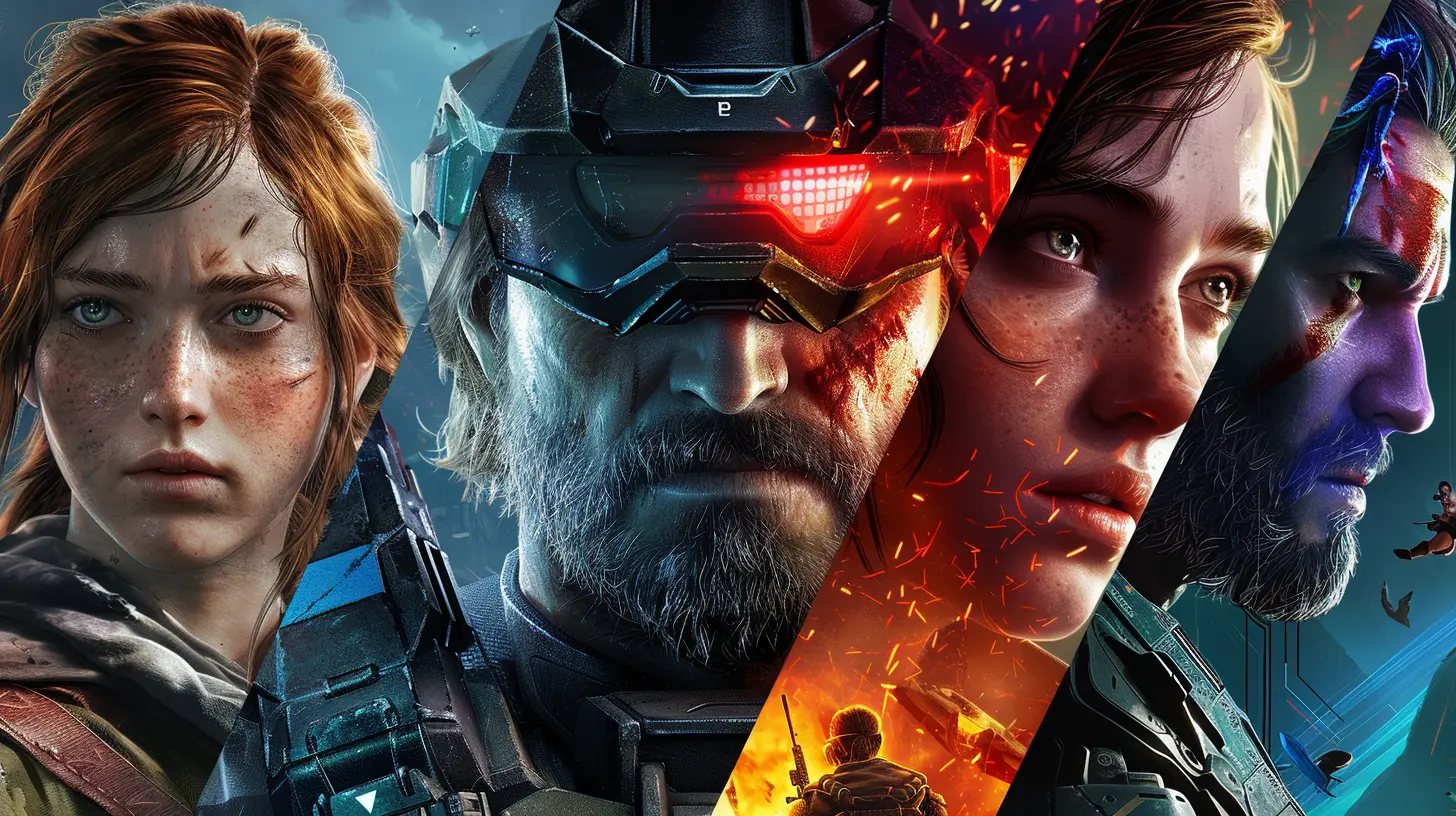
🔄 The Preorder Loop: Trailers Feed the Cycle
Game studios aren’t playing random dice rolls here. There’s a very intentional loop happening:1. Trailer Drops
2. Hype Builds
3. Fans Talk
4. Content Creators React
5. Preorders Surge
6. More Trailers Follow
It’s a beautifully chaotic marketing snowball, and once it gets rolling, it doesn’t stop. Each new trailer adds a layer—new characters, more gameplay, epic boss fights—each promising that the game is going to be the next big thing. And the preorder numbers? They soar.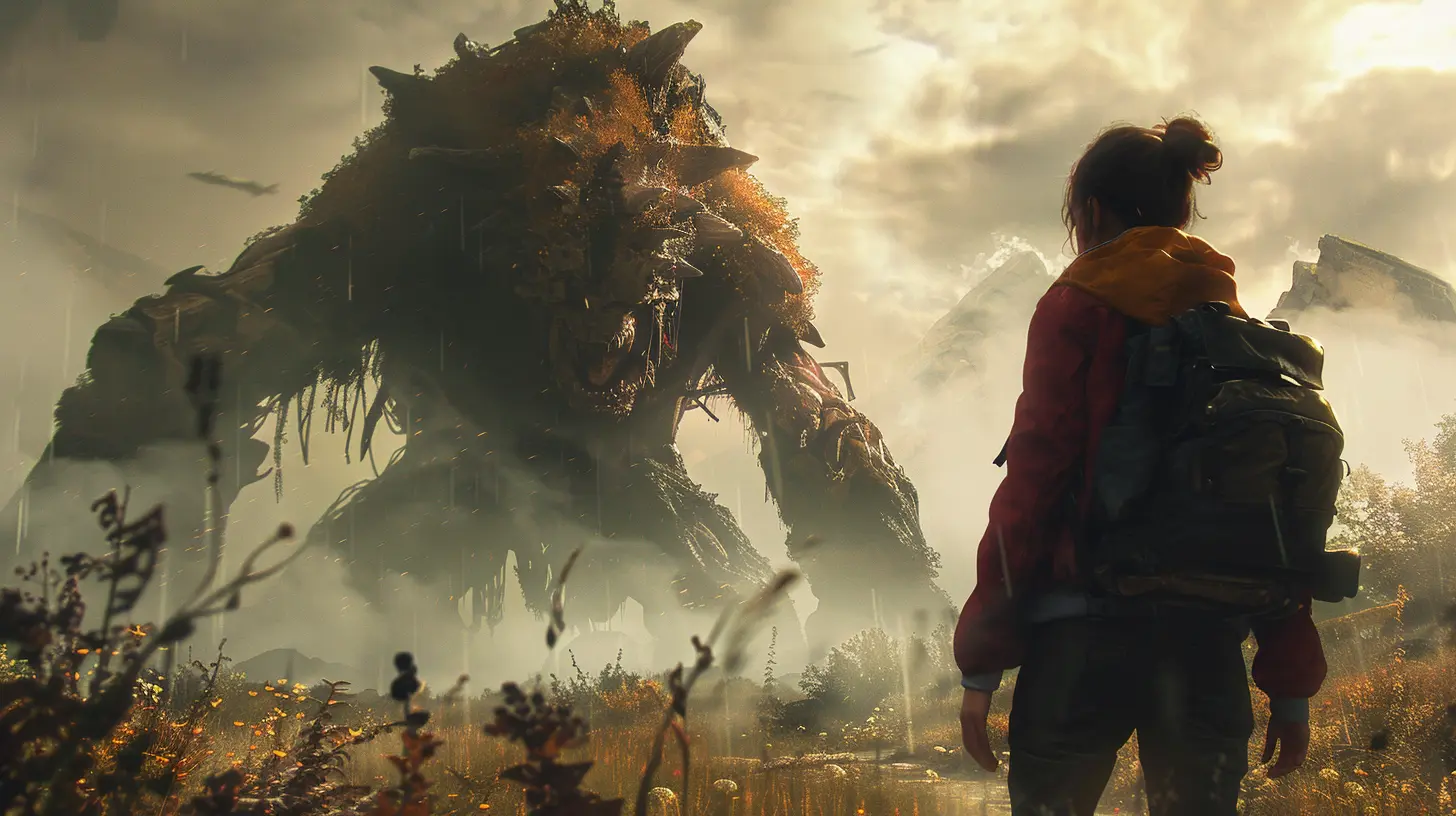
🤯 Gameplay vs. Cinematic: What Actually Sells?
Let’s put this to the test. Which trailer would make you preorder a game faster:- A 3-minute cinematic that looks like an Oscar-winning short film, or
- A raw, unfiltered gameplay trailer that shows exactly what you’ll experience?
Here’s the twist: Both work—but for different reasons.
Cinematic Trailers: The “Movie Magic” Effect
These are designed to make your jaw drop. They’re polished, dramatic, and often don’t show real gameplay. But do gamers care? Not always. Cinematics do one thing incredibly well—they sell the idea of the game.It’s like the cover of a comic book. You know it might not be exactly what’s inside, but it’s so dang cool you need to have it.
Gameplay Trailers: The Trust Builder
On the flip side, gameplay trailers are where the real magic happens for serious gamers. If you see snappy controls, fluid combat, and cool mechanics that make you think “Yep, this plays like butter,” your preorder finger gets real itchy.In the age of release-day disappointments, gameplay trailers are like the peek behind the curtain. And sometimes? That peek is all you need.
🤹 The Psychology Behind Preorders
Let’s get all mind-melty for a minute. Why do trailers affect us so much? Neuroscience has an answer.When you watch a game trailer, your brain releases dopamine—a feel-good chemical tied to anticipation and reward. It's literally making you feel hyped. And guess what? Our brains LOVE rewarding potential. Not success, not outcome—potential.
That means watching a trailer that promises an incredible world to explore, villains to crush, and loot to snag triggers the same psychological rewards as actually buying it. So… we preorder. Boom. Science.
📉 When Trailers Backfire
Let’s not ignore the stinkers. Not every trailer does its job. Remember No Man’s Sky? It had one of the most beautiful, ambitious trailers ever. Problem? It promised more than it could deliver.Gamers felt betrayed. And from that point forward, the community got a bit wiser. Nowadays, we look for red flags in trailers:
- Too little gameplay?
- Overly scripted combat?
- Ridiculously perfect graphics?
These can all signal “TRAILER MAGIC” and not reality. And when the community senses it, preorder numbers can tank faster than a noob in a boss fight.
🧠 Case Studies: Trailer-to-Preorder Successes (And Fails)
Let's take a quick peek at some legendary game trailers and their influence on preorders.✅ Smash Hit: Elden Ring
From Software dropped the trailer, and it was all over. The haunting music, the cryptic text, the moody visuals—gamers lost it. Preorders skyrocketed even before we saw full gameplay. Why? Trust in the studio + a trailer that nailed tone.❌ Epic Fail: Aliens: Colonial Marines
That trailer looked like an interactive horror flick. But when the game launched? It was less “scream in terror” and more “sigh in disappointment.” The trailer didn’t match reality, and the backlash shredded preorder trust.📲 Social Media’s Power in Trailer Hype
Game trailers don’t exist in a vacuum. They live, breathe, and grow on social platforms. Twitter threads analyze frame-by-frame, Reddit explodes with theories, Discord lights up with speculation. Insta reels, TikTok duets, YouTube reactions…This buzz adds fuel to the preorder fire.
Suddenly, preordering isn’t just about getting the game early—it’s about being in the know, being part of the hype army, and flexing that “I believed in this game first” badge.
👀 The Rise of “Trailer Drop Events”
Gaming studios are now hosting full-blown events just to drop a trailer. Think PlayStation Showcase, Nintendo Direct, The Game Awards.Why? Because trailers are not just appetizers anymore—they are the main course.
We’ve even seen studios add cryptic teasers or countdowns just for a 90-second trailer. And you bet those lead to explosive preorder surges right after. It’s marketing genius wrapped in a hype burrito.
🤑 Preorder Bonuses: The Icing on the Trailer Cake
Another trick trailers pull? They tease preorder bonuses.“Preorder now and get the exclusive golden katana!” Oh? You mean I get shiny loot AND early bragging rights? Sold.
These bonuses are often front-and-center in the trailer’s closing frames. There’s a reason for that: they trigger what marketers call “impulse urgency.” You didn’t want the game before, but now you have to have it before that deadline hits.
🔮 What’s Next for Game Trailers and Preorders?
So where does trailer power go from here?We’re already seeing trailers go VR, interactive, even gamified. Imagine watching a trailer where you make choices and get a custom ending based on your picks. Talk about immersion.
The future? Trailers that feel more like playable teasers. And with tech evolving, we might see AR trailers pop up on our phones like Pokémon GO did with Pikachu. Preorder from your couch after fighting a digital enemy in your living room? Heck yes.
💬 Final Thoughts: Are We Being Played?
Honestly? Maybe a little. But game trailers are part of the fun. They’re the first handshake between a developer and a player. It’s how we fall in love with a world we haven’t touched yet.Sure, not every trailer lives up to its promises. But when done right, trailers do more than just sell games—they create experiences. And that, my friend, is how they keep those preorder trends alive and thriving.
So next time you see that shiny new trailer pop up on your feed? Watch it. Let the hype in. But maybe… hold off on the preorder for just a little bit.
all images in this post were generated using AI tools
Category:
Game TrailersAuthor:

Jack McKinstry
Discussion
rate this article
2 comments
Amy Hill
Game trailers manipulate anticipation, often leading to misguided preorder decisions.
January 30, 2026 at 5:11 PM
Jack McKinstry
You're right; game trailers can create unrealistic expectations, making consumers vulnerable to impulsive preorder decisions. It's crucial for players to approach trailers with a discerning mindset.
Max Ford
Game trailers are the silent puppeteers of our wallets, weaving tension and anticipation. But what secrets lie beneath the glossy surface? Explore how these cinematic teasers shape our desires, manipulating us into preorders before we even hit 'play'.
January 10, 2026 at 5:37 PM
Jack McKinstry
Game trailers expertly craft excitement and desire, often leading to impulsive preorders by playing on our emotions and expectations, revealing the subtle manipulation at play in the gaming industry.