The Intersection of Fitness and Fun in AR Game Design
26 January 2026
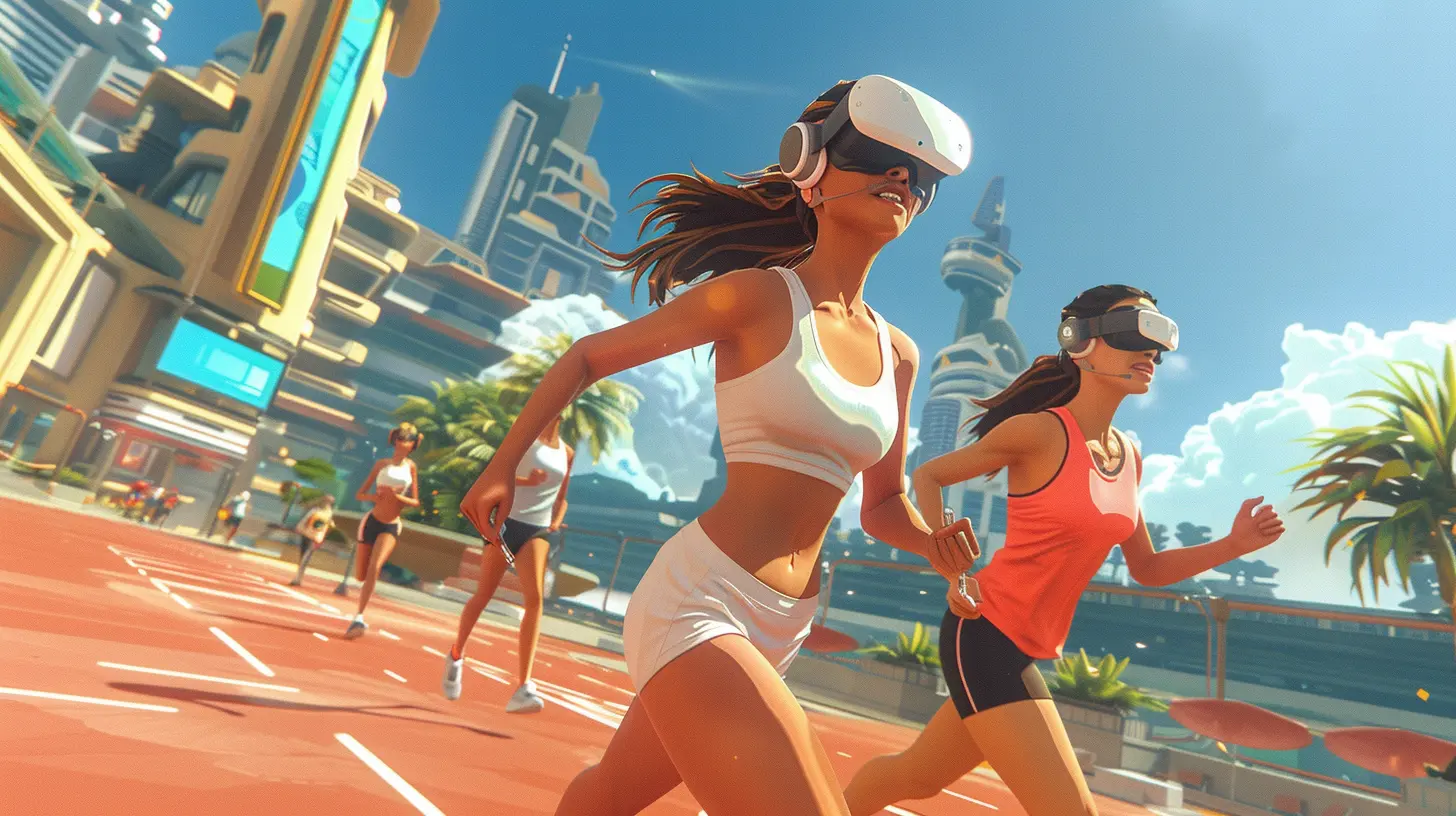
In today’s fast-paced world, finding the time and motivation to stay active can feel like trying to beat a final boss with one HP left—frustrating and downright exhausting. But what if your next workout didn’t feel like a workout at all? What if it felt more like leveling up in your favorite game? Welcome to the magical crossroads of fitness and fun—augmented reality (AR) game design is changing the game, literally.
The Rise of AR in Gaming
Let’s roll it back for a second. Augmented Reality (AR) blends digital content with the real world. Instead of diving into a virtual landscape, you bring the game into your own surroundings. Think Pokémon GO as the poster child of AR gaming—it took the world by storm and got millions off the couch and into the streets, parks, and neighborhoods. It wasn’t just a game; it was an experience.But here’s the kicker—it also quietly became a fitness tool. Without realizing it, players were walking miles a day, burning calories, and exploring new areas. And this is where game developers had a lightbulb moment: “Wait a minute—what if we designed games where fitness isn’t just a side effect, but the actual goal?”
Why This Intersection Matters
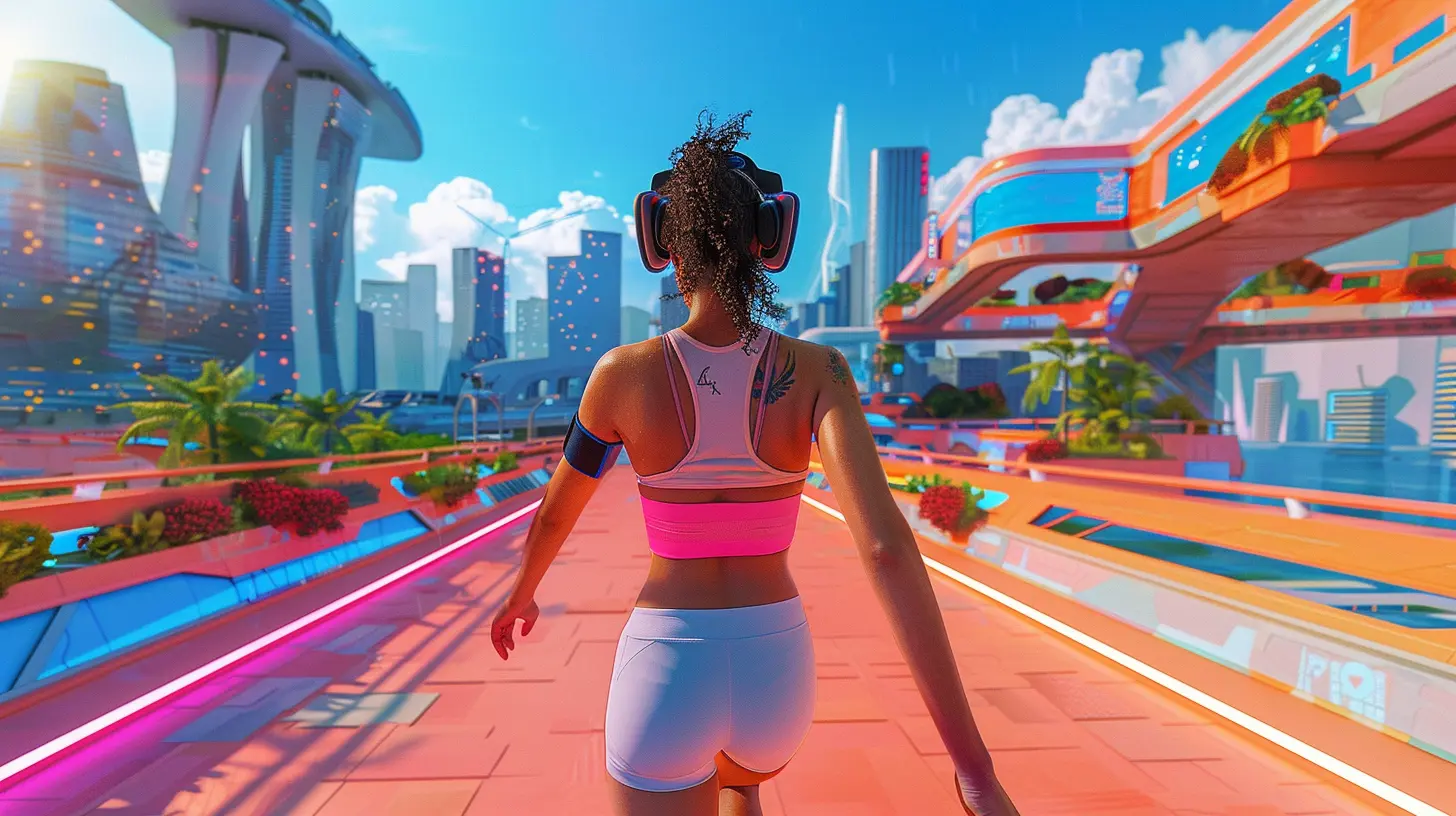
So why should we care about mixing fitness with fun? Because motivation to exercise is one of society’s biggest hurdles. Let’s face it—treadmills are boring. Running in place while staring at a wall or screen just doesn’t cut it for most people. On the flip side, games are addictive. They trigger dopamine, keep you engaged, and offer achievable rewards.What AR does is smash those two worlds together, creating a synergy where fitness becomes part of gameplay. Suddenly, doing squats to dodge bullets in a game or running to chase an enemy makes exercise feel like an adventure, not a chore.
Game Mechanics That Make You Move
Alright, so how does it actually work? It’s not just about strapping on a VR headset and doing jumping jacks. AR game designers carefully build mechanics that naturally encourage physical movement. Let’s break it down:1. Geolocation Tracking
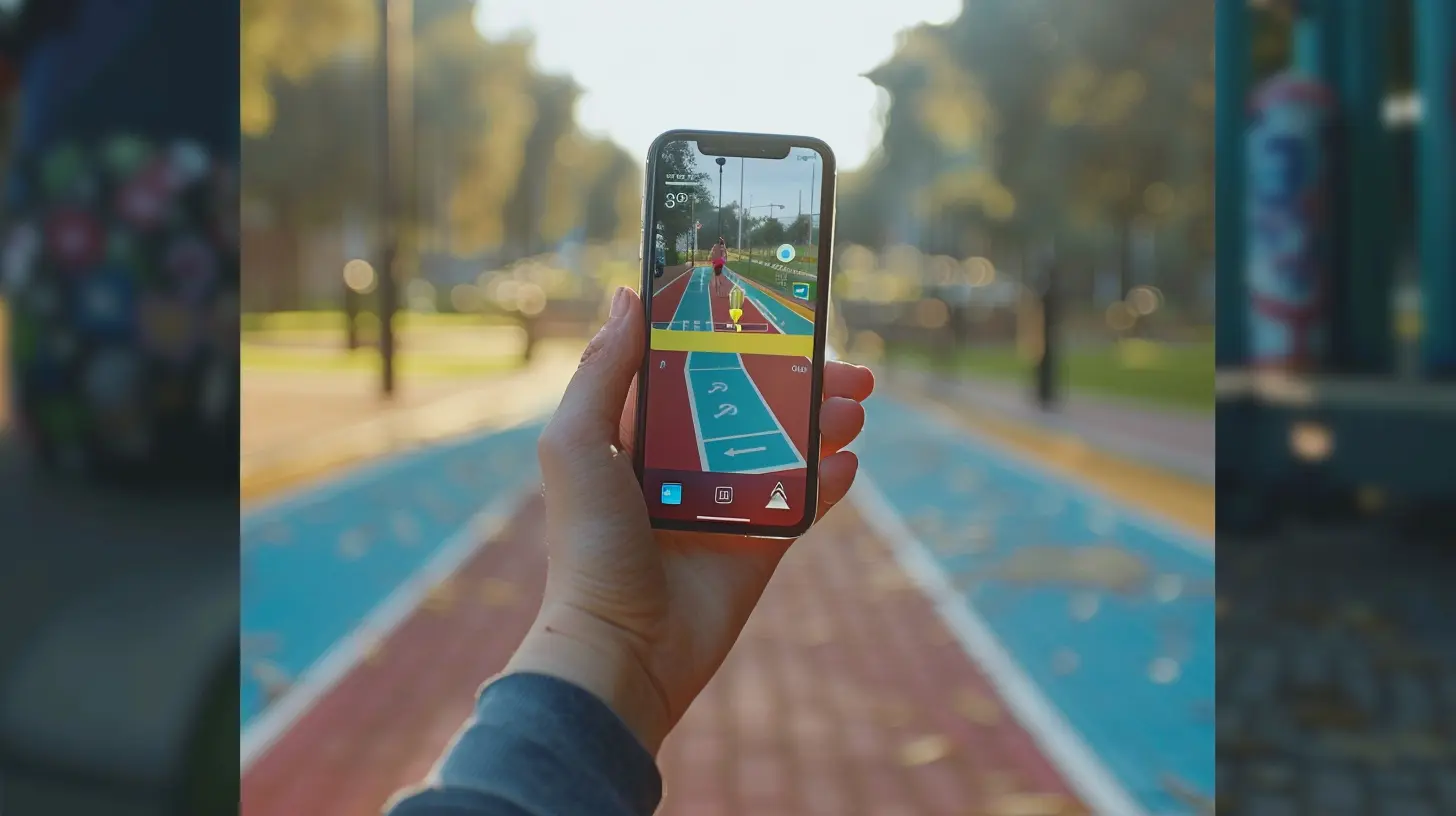
A core mechanic in AR games is geolocation tracking. Games like Pokémon GO or Zombies, Run! require players to physically move in the real world to progress in the game. The more you walk, the more rewards you earn or enemies you evade. It’s simple, but incredibly effective.2. Gesture-Based Input
Some AR games detect your movements—whether it’s swinging a virtual sword or throwing a digital ball. These small gestures add up. Combine that with time-sensitive challenges, and you’re sweating without even noticing it.3. Level-Based Progression
Leveling up isn’t new to games, but in AR fitness games, leveling often ties into physical feats. Hit 10,000 steps? You unlock a new mission. Complete 20 squats? You get a rare item. This connects physical activity with tangible in-game rewards—pure genius.4. Social Competition
Leaderboards, multiplayer modes, friend challenges—social elements elevate engagement. When you’re racing your buddy to see who walks more in a day (and also getting rewarded for it), it taps into your competitive spirit in the best way possible.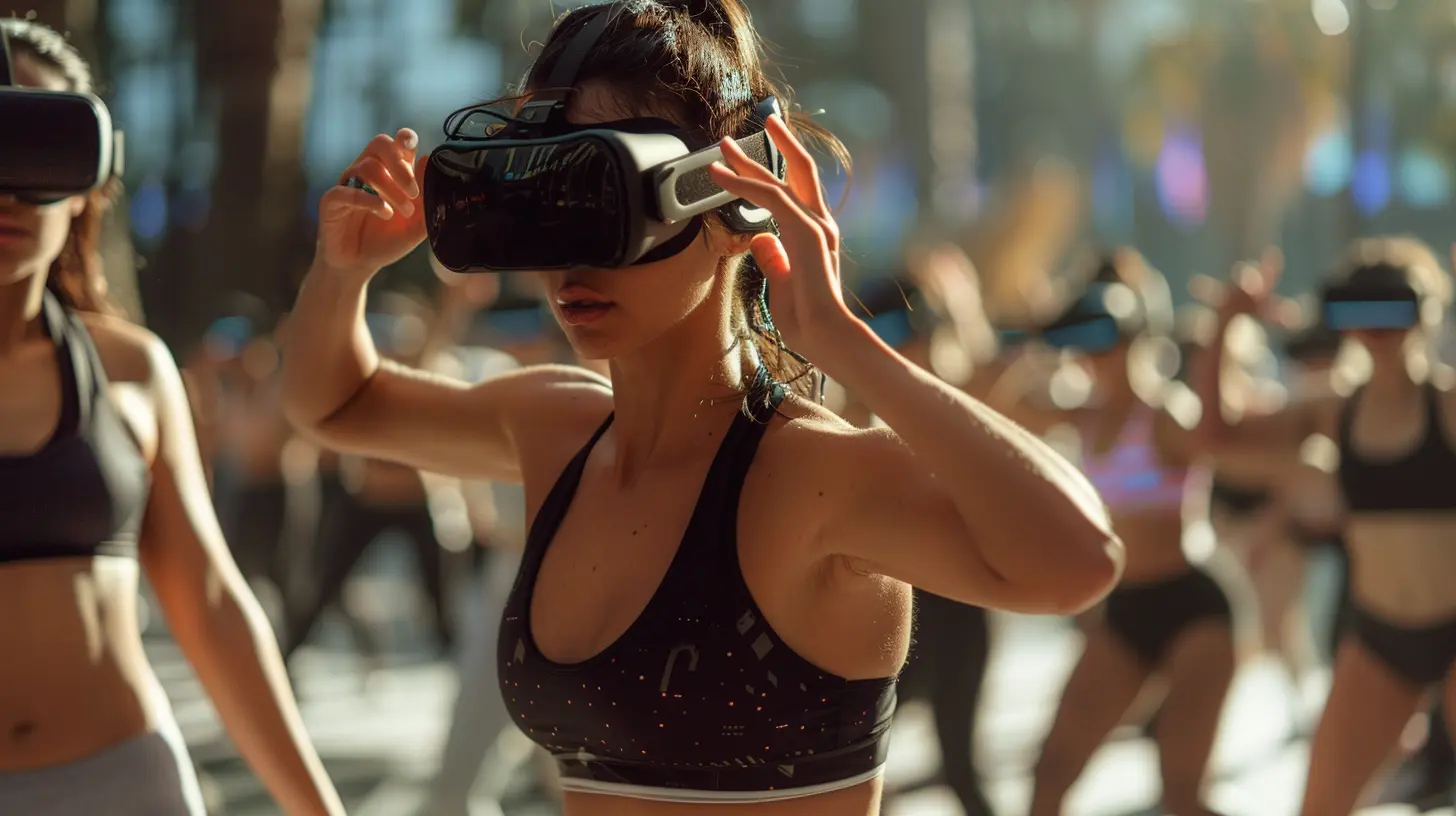
Creating a Full-Body Experience
Designing games that make you move is great, but balance is key. Developers aren’t just focused on cardio; they’re designing games that involve strength, flexibility, and coordination. Think of it as a digital personal trainer with infinite patience.Take, for instance, games that require crouching, twisting, stretching, and jumping. These movements help with functional fitness—improving movements you actually use in daily life. You’re not just playing a game; you’re training your body for the real-world final boss: adulting.
The Role of Immersive Storytelling
Let’s not forget what really makes a game stick—the story. AR games that incorporate fitness into their narratives create a deeper, more meaningful connection with players. When you feel like you’re the hero of your own epic tale, running from danger or chasing a clue, every drop of sweat becomes worth it.Games like “Zombies, Run!” use audio storytelling to immerse you in a post-apocalyptic world where your physical movement literally determines your survival. Running takes on a whole new level of urgency when there's fictional zombies breathing down your neck, right?
Personalization: Fitness for Everyone
One of the coolest things about AR fitness games is how adaptable they can be. Not everyone is into high-intensity workouts, and that’s okay. AR game design can include difficulty settings, pace adjustments, and even accessibility options for different physical abilities.Some games analyze your movement patterns and adjust the challenges accordingly. This makes the experience feel tailor-made, like your very own fitness fairy godmother waving her wand and saying, “You do you, sweaty.”
Encouraging Long-Term Engagement
One-hit wonders are great, but sustainability is the name of the game. How do developers keep people coming back? Here's how they do it:- Daily Rewards: Logging in daily gives a hit of dopamine, along with actual rewards.
- Achievement Systems: Badges for milestones, streaks, and consistent play encourage commitment.
- In-Game Events: Limited-time challenges give players FOMO (fear of missing out), prompting them to stay active regularly.
- Customization: Skins, avatars, and gear that reflect real-world achievements create powerful feedback loops.
These elements combine to keep players hooked—on both the game and their newfound fitness habits.
Real-Life Impact and Transformation
Let’s talk results. Beyond the fun, people are genuinely transforming their lives through these games. Stories of users losing weight, improving mental health, and building social connections are becoming more common.Fitness AR games also help tackle sedentary lifestyles, especially important in an era where sitting is often called the new smoking. Encouraging movement, no matter how small, can contribute to a healthier society overall.
And guess what? When people enjoy the process, they’re far more likely to stick with it. That’s the golden ticket.
Challenges in Designing AR Fitness Games
It’s not all sunshine and rainbows, though. Designing these games comes with unique challenges:- Safety Concerns: Encouraging movement without endangering players (e.g., running into traffic while catching a monster) requires smart design.
- Device Limitations: Battery life, GPS accuracy, and motion tracking can affect game performance.
- Accessibility and Inclusivity: Making sure games are fun and rewarding for all body types and fitness levels is no small feat.
- Maintaining Balance: The focus on fitness shouldn’t overshadow story and gameplay—players need both.
Developers walk a tightrope, blending innovation, technology, and psychology into one seamless experience. When they get it right, though? Chef’s kiss.
The Future of AR Fitness Gaming
We’re just scratching the surface. As tech continues to evolve—think better wearables, AR glasses, and 5G connectivity—AR game design will get even more immersive and intuitive.Imagine walking down the street with your AR glasses, and seeing a dragon swoop overhead. Only by sprinting across the next block can you dodge an attack. Or imagine fitness RPGs where each workout unlocks side quests, gear, and characters. The possibilities are endless.
We’re talking about a future where going for a jog could feel like exploring a dungeon, or doing yoga could mean mastering a mystical power. This blend of fantasy and fitness isn’t just cool—it’s revolutionary.
Final Thoughts: A New Era of Play
The intersection of fitness and fun in AR game design is more than a trend—it’s a paradigm shift. It’s proof that gaming doesn’t have to equal couch-potato behavior. In fact, with the right design, it can do the exact opposite.We’re heading toward a world where “working out” might be replaced by “playing out.” And honestly? That sounds way more exciting.
So the next time someone says video games are making people lazy, just smile, pull out your phone, and invite them to join your next augmented workout. Who knew you could burn calories while saving the world?
all images in this post were generated using AI tools
Category:
Augmented Reality GamesAuthor:

Jack McKinstry
Discussion
rate this article
2 comments
Sylvia McQuillan
Great insights on blending fitness with gaming! It's inspiring to see how AR can make exercise enjoyable and engaging for everyone.
February 5, 2026 at 4:00 AM
Jack McKinstry
Thank you! I'm glad you found the insights inspiring. AR truly has the potential to transform fitness into an enjoyable experience for all.
Martha McClendon
This article insightfully explores how AR can seamlessly blend fitness and entertainment, enhancing both player engagement and health benefits.
January 29, 2026 at 4:53 AM
Jack McKinstry
Thank you for your feedback! I'm glad you found the exploration of AR's role in enhancing fitness and entertainment engaging.