The Rise of In-Engine Game Trailer Footage
22 July 2026
If you’re anything like me, you’ve probably been burned a few times by game trailers that looked like a borderline CGI blockbuster, only for the actual gameplay to resemble something from a decade ago. It’s like ordering a gourmet burger after seeing the commercial, and getting a sad, soggy mess instead. That’s where in-engine footage comes in—and believe it or not, it’s changing the game.
No more smoke and mirrors. No more bait-and-switch. The rise of in-engine game trailer footage is one of the most honest trends in the gaming industry right now, and it's about time we talked about why that matters.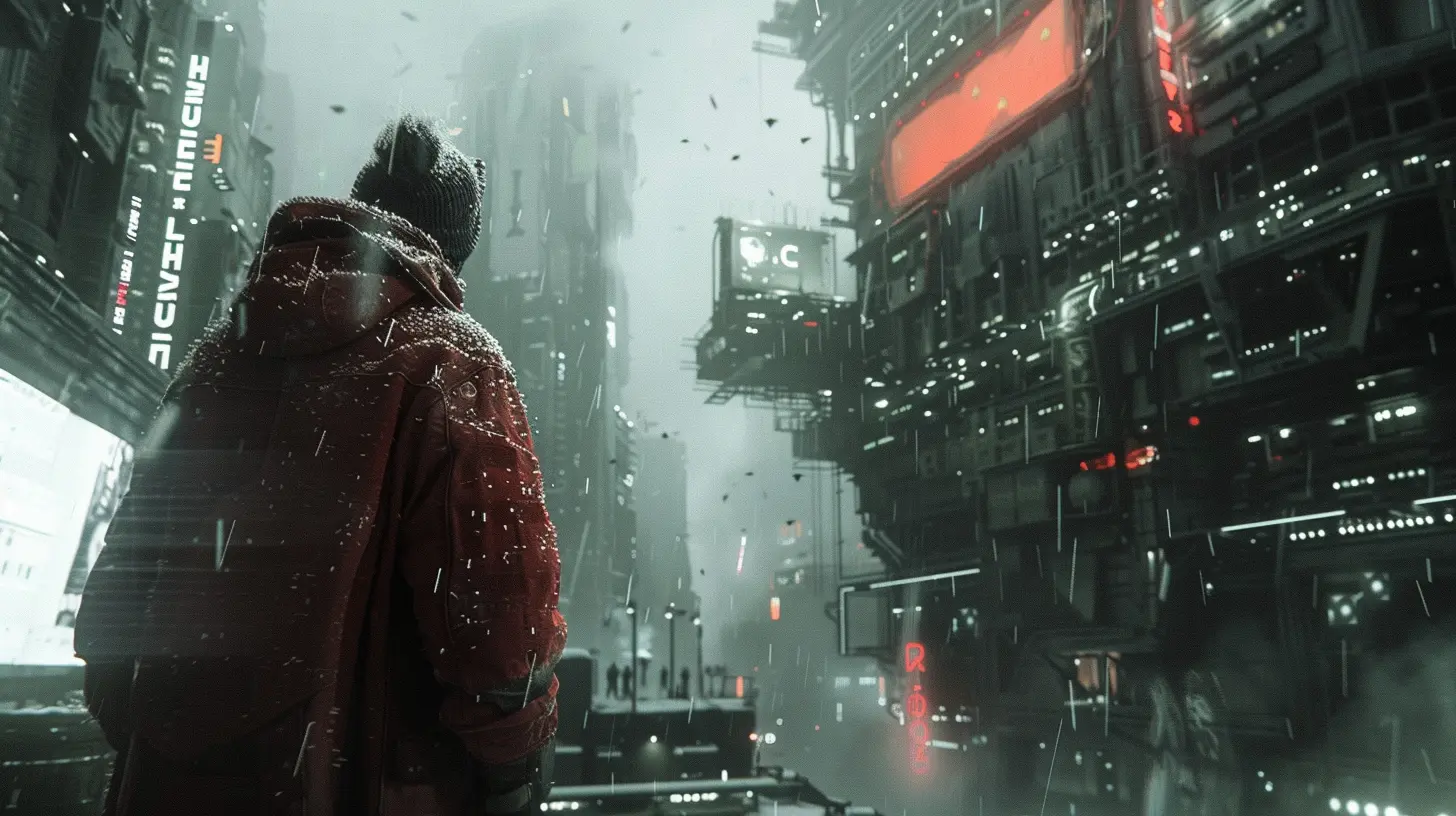
What Is In-Engine Game Trailer Footage Anyway?
Let’s break it down real quick.In-engine footage means the trailer is made using the actual game engine—the same toolset that powers the real gameplay. It’s not pre-rendered like a Pixar movie or outsourced to a fancy animation studio. What you’re seeing is, for the most part, what you’re gonna get when you pick up the controller or click that mouse.
But here’s the key detail: in-engine doesn’t always mean “gameplay.” Sometimes, it’s a cinematic sequence running in the game engine environment, but not necessarily how you’ll interact with the game. Still, it’s way closer to the real deal than traditional pre-rendered trailers.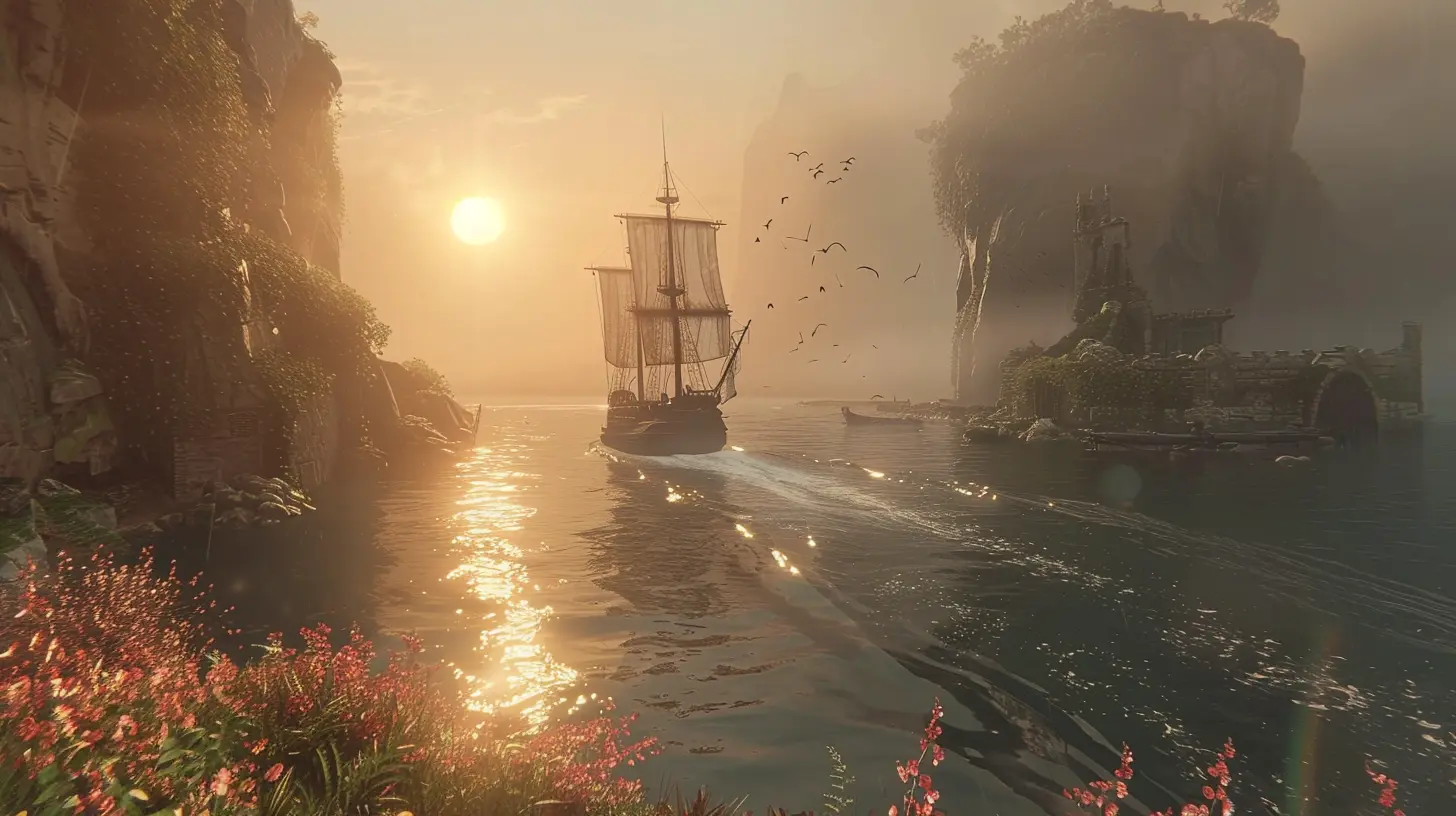
Why Gamers Are Craving Transparency
Let’s not sugarcoat it—gamers have been burned. Remember the infamous "bullshots" era? Developers polished up screenshots and showed off hyper-stylized trailers that had little-to-no connection with what actual players would experience.So, players started demanding more. We're talking realism, transparency, and above all—honesty. In-engine trailers are the industry's olive branch. They're like saying, "Hey, this is what our game actually looks like when it's running."
Instead of feeding us a Hollywood-style sizzle reel, studios are pulling back the curtain—and we love it.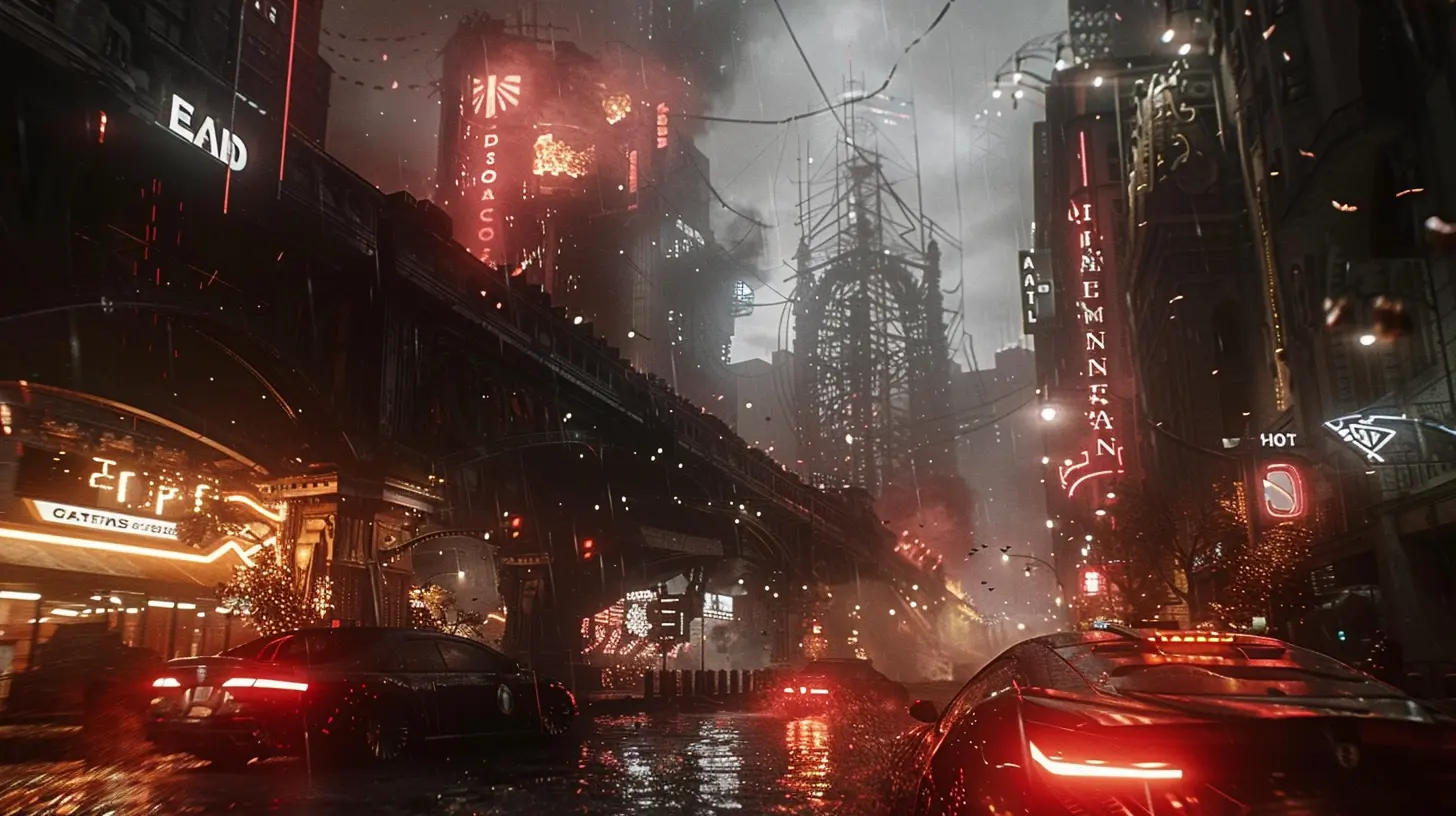
The Shift from Pre-Rendered to In-Engine: A Timeline
Let’s rewind the clock a bit. Back in the early 2000s, CGI trailers were the gold standard. Think of how Blizzard used to (and sometimes still does) drop jaw-dropping cinematics that made everyone drool. But then came the backlash. Players started realizing that these trailers were often misleading.Slowly but surely, a few brave devs started releasing gameplay snippets and in-engine showcases. Titles like The Witcher 3, Battlefield 1, and even Cyberpunk 2077 (before all the drama) flaunted in-engine trailers as a way to show off real-time graphics.
Fast forward to today and it’s practically expected. If your game trailer isn’t shot in-engine, you better have a damn good reason.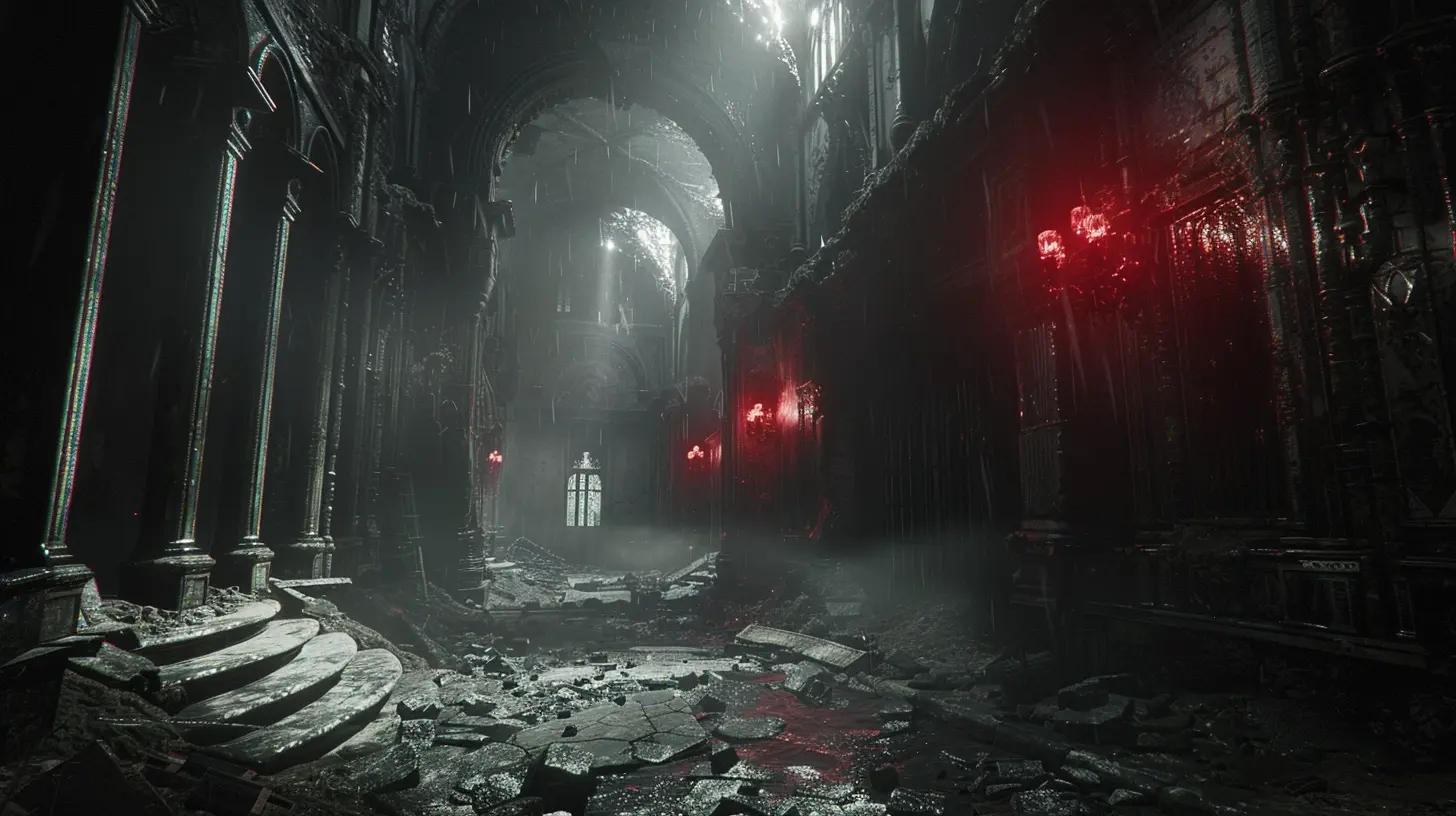
How Powerful Game Engines Make It Possible
Here’s where things get juicy.Modern game engines like Unreal Engine 5, Unity HDRP, CryEngine, and Decima are monsters when it comes to fidelity. They can render real-time graphics so advanced, Hollywood is tapping into them for movie production (yeah, looking at you, The Mandalorian).
These engines can handle:
- Photorealistic lighting with ray tracing
- Complex AI behaviors
- Massive open-world environments
- Seamless transitions between cutscenes and gameplay
When developers use in-engine footage, they’re basically saying, “Look what we’ve built—and it’s running live.” It’s like watching a magic trick where the magician explains the trick, and it’s still impressive.
In-Engine Footage vs. Actual Gameplay: Are They the Same?
Short answer? Not always.In-engine footage is rendered in real-time using the game engine, but that doesn’t necessarily mean a player is actively controlling it. Sometimes it's a scripted sequence happening in the engine's environment. Imagine watching a car drive on rails—smooth, cinematic, and definitely guided.
Gameplay, on the other hand, is you behind the wheel. Still, the fact that in-engine trailers are so close to what we’ll experience makes them incredibly valuable. They’re like test drives for gamers.
The Psychology Behind Why In-Engine Footage Works
Here’s where things get nerdy—but interesting.Human brains are wired to trust what we can understand and visualize. When a trailer shows us real-time footage that mirrors gameplay, it creates a sense of trust. We feel like we’re being respected as consumers. Nobody wants to pay $70 for a game based on a glossy trailer only to find the real thing is clunky, dull, or worse—buggy as hell.
So, in-engine trailers appeal to our desire for honesty and realism. They build hype while cutting the crap. It’s smart marketing mixed with genuine transparency.
How Developers Use In-Engine Trailers to Their Advantage
Game devs aren’t dumb. They know we're watching. In-engine trailers give them a chance to highlight what their game engine can really do.Want to show off lighting effects at sunset? Boom—build a cinematic shot directly in the engine. Want to flaunt facial animations or combat mechanics? Script it inside the engine and put it in the trailer.
This way, developers control the narrative. They show their product in its best light without making false promises. And if the engine is powerful enough? That footage is practically indistinguishable from the gameplay experience.
Best Examples of In-Engine Game Trailers Done Right
Let’s give some kudos where they’re due. These games absolutely nailed their in-engine trailers:- Horizon Forbidden West – Guerrilla Games used their Decima engine to craft trailers that matched the in-game visuals to an uncanny degree. What you saw was what you got.
- Battlefield 2042 – Say what you will about the game at launch, but the in-engine reveal trailer was a masterclass in showcasing real-time chaos, destruction, and scale.
- Unreal Engine 5’s "The Matrix Awakens" – This wasn’t even a full game, but a tech demo that blurred the line between gaming and film. It was 100% in-engine and jaw-dropping.
- Hellblade II: Senua’s Saga – The trailer ran in-engine using Unreal Engine 5, and it felt like staring into the future of what real-time graphics can achieve.
These examples prove that in-engine footage isn’t just a gimmick anymore—it’s the future.
How This Trend Benefits Gamers
This one's easy.We get trailers that are more accurate, more convincing, and more honest. That means we can make better buying decisions, avoid disappointment, and spend our money wisely.
Plus, watching jaw-dropping in-engine trailers makes us even more hyped knowing those visuals aren’t just for show. They’re what we’ll be playing. Immersion starts with expectation—and if the trailer nails it, we’re all in.
Why Studios That Fake It Pay the Price
Let’s be real. Studios that try to pull a fast one end up getting dragged online. Social media explodes, Reddit threads go nuclear, and YouTubers milk it for content.Remember when fans noticed that a certain trailer looked way better than the final game? Boom—instant credibility crisis.
Gamers don’t forget. The backlash can ruin a studio’s reputation for years. So if you’re not putting out in-engine or at least honest gameplay trailers today, you’re asking for trouble.
The Future of Game Marketing Is All About Real-Time
We're heading toward an era where everything is real-time. As game engines evolve, the line between gameplay, in-engine footage, and even cinematics will blur completely.Expect more studios to:
- Ditch pre-rendered trailers entirely
- Drop side-by-side comparisons of in-engine vs gameplay
- Let influencers and press test builds live on stream
This isn’t some passing trend. It’s a full-on shift in how games are shown, sold, and hyped.
And honestly? It’s refreshing.
Wrapping It Up: In-Engine Trailers Are the New Gold Standard
So what have we learned? In-engine trailers are more than just eye-candy—they’re statements of intent from developers. They tell us, “Here’s what we made, and we’re proud to show it to you as is.”And as gamers? We’re here for it.
From stunning visuals to trustworthy marketing, in-engine footage is changing how games are promoted and perceived. It’s no longer about the razzle-dazzle—it’s about realism, relationship, and respect for the audience.
So the next time you see a trailer labeled "captured in engine," you’ll know it means business. And hopefully, that trailer is just the start of an epic adventure we actually get to play—just like we saw it.
all images in this post were generated using AI tools
Category:
Game TrailersAuthor:

Jack McKinstry
Discussion
rate this article
2 comments
Briar Henderson
In a world where pixels breathe life, in-engine trailers weave dreams alive. Each frame, a glimpse into realms unknown, where stories dance and heroes are born. With every heartbeat synced to the player's pulse, these visual symphonies ignite anticipation, blurring lines between reality and imagination... the future of gaming unfolds.
October 14, 2026 at 2:39 AM
Zailyn Monroe
It's exciting to see how in-engine trailers enhance our connection with games.
July 27, 2026 at 3:49 PM
Jack McKinstry
I completely agree. In-engine trailers really bring the game world to life and deepen our engagement. It's a game changer for how we experience new titles.