The Role of Auction Houses in Multiplayer Economies
13 September 2026
Have you ever strolled through the bustling marketplace of a massive online game, scrolling through rows of gear, rare mounts, or fresh crafting mats? That my friend, is the magic of auction houses in multiplayer economies. They're more than just a place to buy and sell. They're the beating heart of supply and demand, the casino floor of chance, and the battlefield of economic strategy. Intrigued? Buckle up—let’s dive into the world where digital coins flow like rivers and competition is as fierce as any raid boss.
What Exactly Is an Auction House?
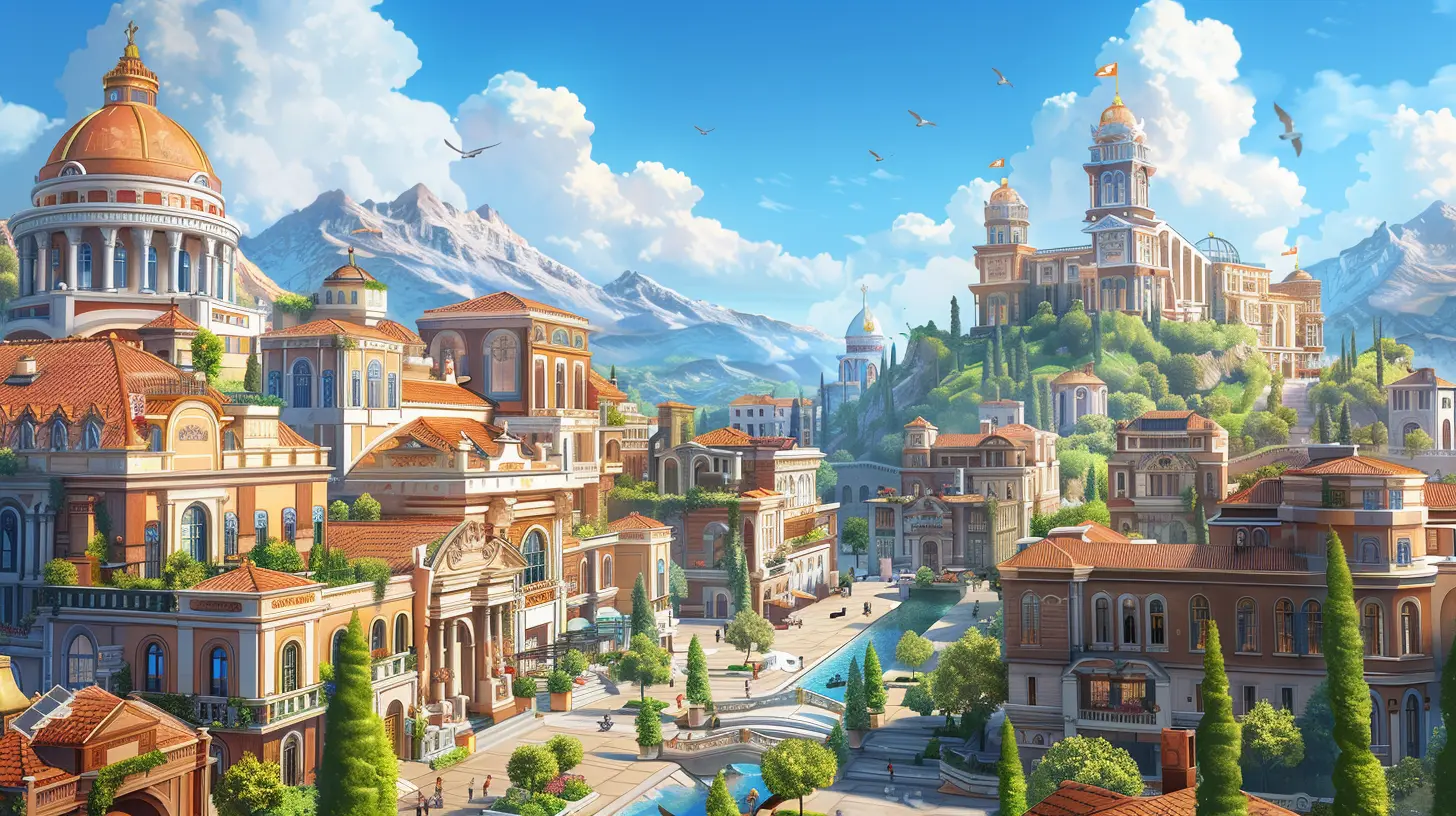
Let’s start off simple. In case you're new to MMOs, RPGs, or multiplayer games in general, an auction house (AH) is an in-game marketplace where players can buy and sell items to one another, usually with in-game currency. But unlike your regular shopkeeper, players set the prices. Supply and demand rule here—not NPC merchants.You can think of an auction house as Craigslist, Amazon, and the stock market all rolled into one digital space. It’s the player-driven alternative to fixed-price vendors in games. Most modern MMORPGs like World of Warcraft, Final Fantasy XIV, and even more casual multiplayer games like RuneScape & Albion Online implement some form of it.
Why Do Auction Houses Matter?
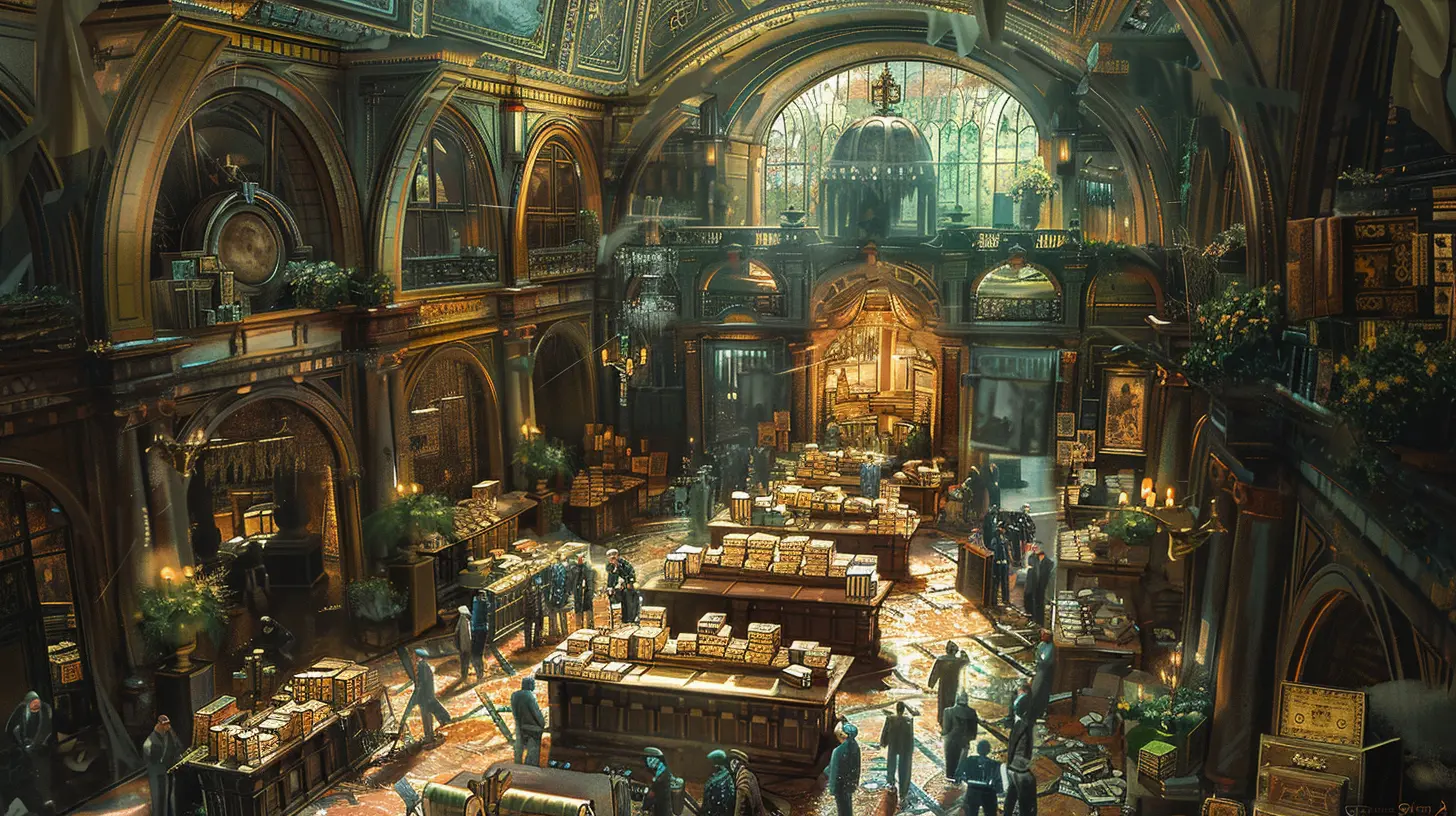
You might be wondering: why should you care about virtual economies? Well, virtual or not, economies affect your gameplay. They dictate how easy or hard it is to gear up, how fast you level professions, and how much time you grind for gold.Auction houses bring order to chaos. Instead of a hundred players all shouting “WTS [Legendary Sword] 500 gold!!!” in trade chat, they can list items for sale and walk away. Buyers browse listings, compare prices, and make purchases without all that noise.
It’s a win-win. Sellers reach a broader audience, and buyers get convenience. Plus, the prices adjust naturally—cheap stuff disappears quickly, while overpriced gear collects dust.
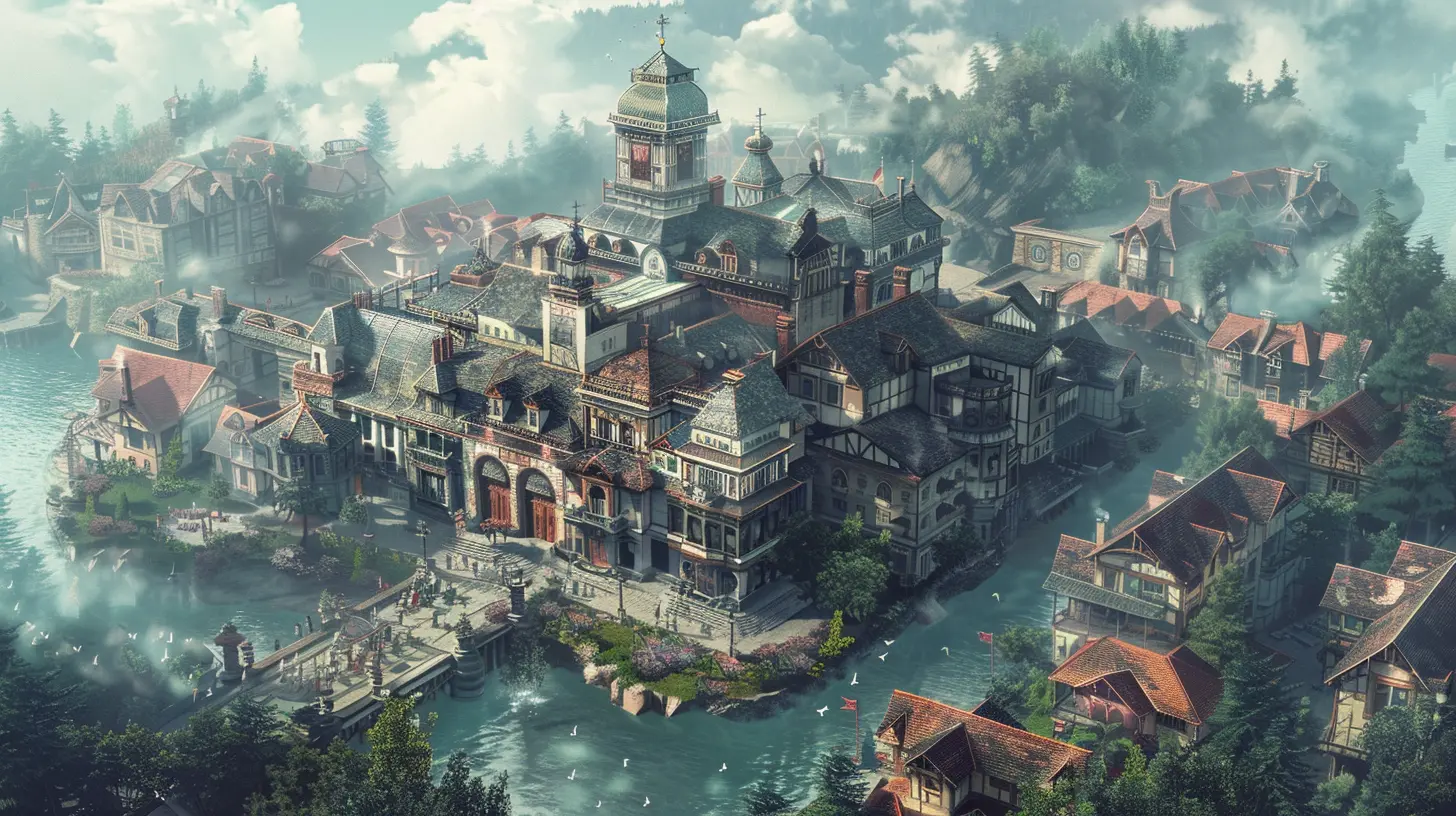
Dynamic Supply and Demand in Real-Time
Here’s where things get spicy. Auction houses don’t have fixed pricing. Prices shift based on player behavior. If everyone’s crafting healing potions after an update, herbs get more expensive. If a rare mount drops in a limited-time event, you can expect bids to explode like fireworks.This dynamic pricing creates what economists call a "player-driven economy". The players themselves control the flow of goods and the rise or fall of market value. That gives in-game economies realism and unpredictability.
Let’s say you’re a blacksmith in-game and you notice steel bars have spiked in price. You could mine them and sell at a profit, or hold on for a few days hoping for a bigger surge. That's right—auction houses can turn ordinary players into savvy traders and investors.
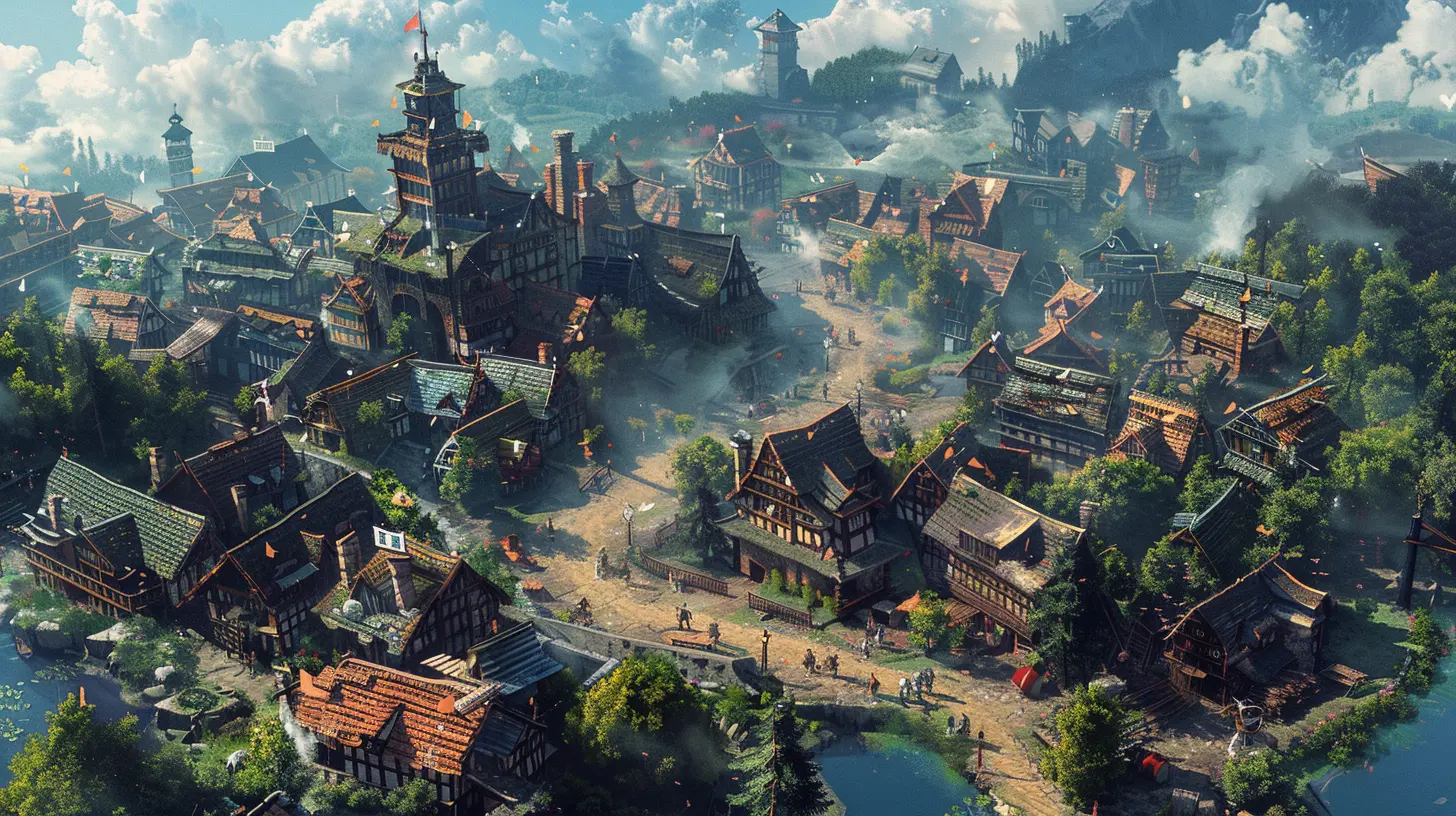
Fostering Community Engagement
Auction houses aren’t just about gold. They foster something powerful—player interaction. Even if you never group up for a dungeon or voice chat with guildmates, your actions in the auction house affect others.Think of the AH as a silent multiplayer experience. You gather rare herbs in one zone and list them. A stranger halfway across the map buys them to create raid potions. Another player buys that potion to survive a boss fight. Indirectly, you’ve impacted their gameplay.
It’s this subtle, behind-the-scenes interaction that quietly binds an online world together. The economy becomes a web of cause and effect where no player acts in isolation.
Auction House Economics: Simple Yet Deep
Now here’s where the auction house really starts to flex its muscles. It looks simple on the surface—buy low, sell high. But when you dig deeper, there’s a surprising amount of strategy involved.You’ve got:
- Undercutting: Listing your item slightly cheaper than competitors to ensure a quick sale.
- Market Manipulation: Buying out all of one item to control supply, then relisting at a higher price.
- Flipping: Buying cheap listings and reselling at a more profitable rate.
- Speculation: Predicting patch changes or events that may spike demand for certain items.
Players who invest time in AH strategy can turn it into a full-time in-game profession. Seriously. Some gamers make millions of gold without ever swinging a sword. For those who love spreadsheets, price tracking, and timing the market, there's a mini Wall Street inside your favorite MMO.
Impact on In-Game Economy Balance
Despite their usefulness, auction houses walk a fine line. If poorly managed, they can wreck an economy. Bots or gold farmers can flood the market with cheap goods, driving prices down and hurting real players. Or worse, they can hoard high-demand items and create artificial scarcity.That’s why developers often step in with rules and algorithms to stabilize the AH. They might set price caps, limit listings, or monitor trade patterns. Some games even introduce taxes or posting fees to discourage spam listings and encourage fair play.
A well-balanced auction house keeps the economy healthy, rewards effort, and cuts down on shady practices.
Encouraging Crafting and Professions
Auction houses also breathe life into crafting professions. Why bother making armor or potions if no one can buy them? With an AH, crafters can specialize and sell their wares to a much wider audience. It creates a full economy loop:1. Gatherers collect raw materials.
2. Crafters turn them into goods.
3. Sellers list them on the AH.
4. Buyers purchase and use them.
5. Demand rises or falls based on success or failure in content.
This cycle not only encourages economic activity but also helps players find their niche. Not everyone wants to be a sword-swinging, spell-slinging hero. Some just enjoy farming, crafting, or trading—and that’s totally valid.
Nurturing Entrepreneurial Spirit (Yes, Really)
This might sound crazy, but auction houses teach real-world skills. Players learn about pricing, market timing, budgeting, and even negotiation (if the game allows private deals). It’s like Financial Literacy 101—but with dragons.I've met players who started flipping items in World of Warcraft and later pursued business degrees or even day trading. The thrill of making gold turned into a passion for economics. Sounds wild, but it’s true.
The AH rewards observation, patience, and smart decision-making… traits that go a long way both in-game and out.
Cross-Realm or Global Auction Houses: Closer Than Ever
One major trend in modern multiplayer games is the shift towards cross-realm or global auction houses. Instead of each server having its own market, multiple servers share one massive economy.This has pros and cons:
Pros:
- Increased selection of goods- Lower prices due to competition
- Faster turnover for sellers
Cons:
- Tougher competition- Harder for small fish to stand out
- Price wars can spiral out of control
Some players love the global aspect—it evens the playing field and gives you more choices. Others miss the charm of local economies, where server culture influenced pricing and supply.
Either way, this change shows how important the auction house is. Developers are constantly innovating to ensure it works better for both casual and hardcore players.
The Future: Player-Driven Economies as Core Gameplay
We’re not just talking shop anymore—auction houses are becoming central to game design. Sandbox MMORPGs like EVE Online or Albion Online make the economy the main focus. Players create everything—gear, potions, food, even buildings—and the auction house is the bloodstream where it all circulates.Even non-RPG genres are catching on. Survival games, city builders, and even some shooters toy with economic systems that mirror auction house mechanics.
It’s clear: the line between gameplay and economy is blurring. The auction house isn’t just a feature anymore. It’s a pillar.
So... Should You Get Into the Auction House Game?
Absolutely. Whether you're a casual player looking to make a little extra gold or a hardcore number cruncher ready to dominate the charts, the auction house offers something for everyone.Even spending 10 minutes a day checking listings, flipping a few items, or posting your loot can add up. Over time, you'll learn the patterns and maybe even grow to love the game within the game.
Remember: you don’t need to be rich or super skilled to take part. Start small, be consistent, and before you know it, you might be an AH tycoon.
Final Thoughts
Auction houses are more than just a marketplace—they’re the glue that binds multiplayer economies. They empower players, fuel crafting, teach valuable skills, and make the world feel alive. Whether you love data-driven strategy or just want to offload your loot quickly, they’ve got a role in your journey.So next time you log into your favorite MMO, don’t ignore the auction house. Embrace it. Game economies are living creatures, and you're not just a player—you’re a participant in a bigger story. And who knows? That dusty sword in your inventory might just be someone else’s ticket to victory—and your path to riches.
all images in this post were generated using AI tools
Category:
In Game EconomyAuthor:

Jack McKinstry
Discussion
rate this article
1 comments
Kenzie Whitaker
This article highlights an essential aspect of multiplayer games. Auction houses not only foster player interaction but also create a unique economic landscape. It's fascinating to see how they can empower players and offer a sense of achievement. Thanks for shedding light on their impact within gaming communities.
September 20, 2026 at 4:14 AM