The Role of Microtransactions in Modern Game Economies
8 September 2026
Gaming has evolved in ways many of us never saw coming. Remember when you bought a game, popped it into your console or fired it up on your PC, and just played—no strings attached? Those were simpler times. Today, welcome to the world of microtransactions, a term every gamer has heard, probably grumbled about, and maybe even taken part in (don’t worry, we won’t judge).
Microtransactions are now a massive part of the gaming landscape—but how did we get here, and more importantly, what does it mean for us as players? Let’s dive into the evolving relationship between microtransactions and modern game economies.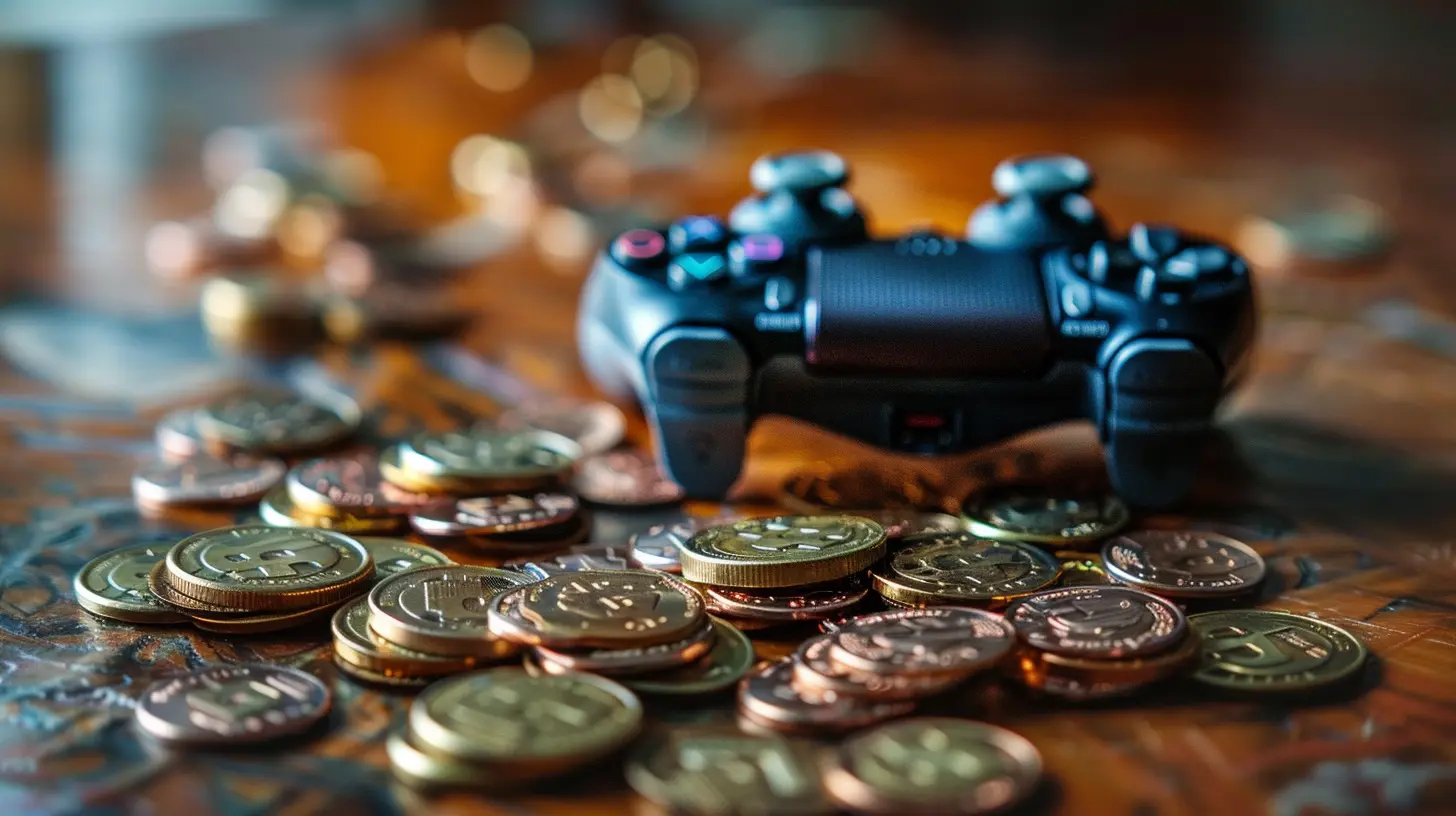
What Are Microtransactions, Anyway?
Let’s start with the basics. A microtransaction is a small financial transaction made within a game. This could be anything from buying in-game currency to unlocking characters, skins, or extra game content. They’re typically optional but can sometimes feel… not so optional.They come in various flavors:
- Cosmetic purchases (think fancy outfits or weapon skins)
- Loot boxes (randomized goodies, kind of like digital gacha machines)
- Pay-to-win items (things that actually impact your gameplay or give an advantage)
Microtransactions started in mobile games, particularly free-to-play titles, but slowly crept into AAA console and PC games. Now, they're almost unavoidable in many modern titles.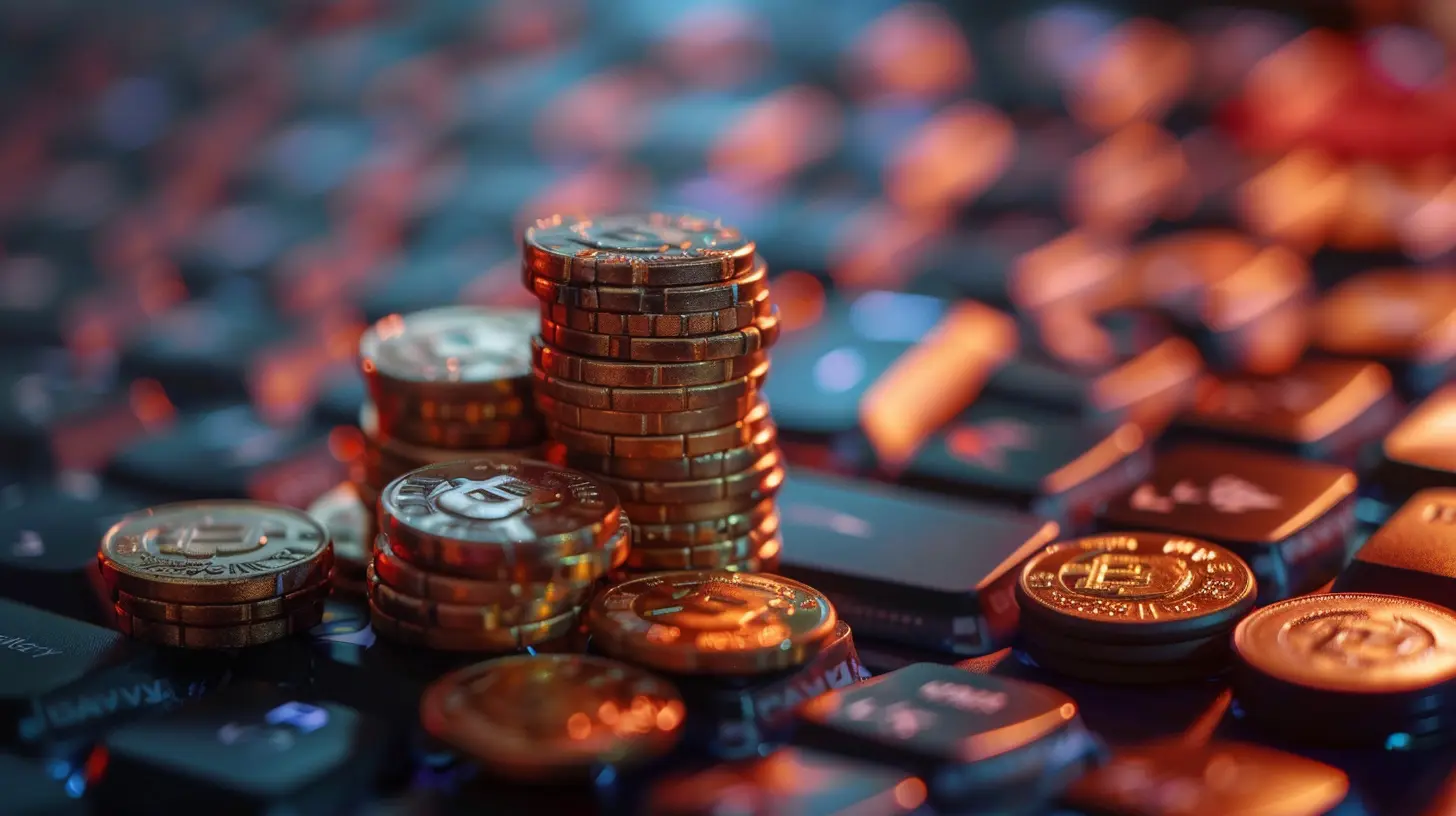
The Birth and Explosion of In-Game Economies
Before microtransactions took center stage, most games had self-contained economies. You’d earn gold, credits, or XP by playing. That was your in-game currency. Want a better sword? Slay more monsters. Simple, right?But then came the concept of in-game purchases. Developers realized they could monetize more than just the game’s price tag. Games like "FarmVille" and "Angry Birds" opened the doors by offering extra lives or faster progress—for a price.
The idea caught on fast.
Soon, we saw the rise of games like Clash of Clans, Candy Crush, and League of Legends, where in-game purchases became a core part of the experience. And now, even premium titles like Call of Duty, FIFA, and GTA Online have microtransactions baked right into their DNA.
Why Developers Love Microtransactions
Here’s the thing—developing games is expensive. We’re talking tens, sometimes hundreds of millions of dollars just to make one title. And let’s not forget the ongoing costs: server maintenance, updates, bug fixes, and customer support.So microtransactions became a way for devs to keep revenue flowing long after a game’s release. Especially in free-to-play games, this system literally keeps the lights on.
But even in full-price games, publishers see them as a golden goose. Why charge once when you can generate recurring income?
Imagine buying a ticket to an amusement park, then paying for each ride separately. That’s kind of how modern games work now.
What’s in It for the Players?
Here’s where it gets tricky. On the surface, microtransactions offer choice. Don’t want to grind 50 hours to unlock a sword? Pay for it. Want to look like a golden banana ninja? There’s probably a skin for that.They also support ongoing content. Many developers use that income to drop new maps, characters, events, and features—sometimes for free.
From a player’s perspective, this can be a win-win. You get more content, and the game stays fresh long after launch.
However… that’s not always how it plays out.
The Dark Side of Microtransactions
Let’s be real. Microtransactions have become a double-edged sword. Here’s why they’ve earned such a bad rap.1. Pay-to-Win Mechanics
Arguably the biggest complaint. When real money gives you a competitive edge, it tilts the playing field unfairly. Who wants to lose a PvP match because your opponent had a bigger wallet?Games like Star Wars Battlefront II initially caught fire for leaning too hard into this model. It sparked such backlash, the devs had to redo their entire progression system.
2. Gambling Allegations (Loot Boxes)
Loot boxes are super controversial. You pay for a chance at something cool—but you don’t know what you’re getting until after you pay. Sound familiar?That’s right. Many have compared it to gambling, and in some countries, loot boxes are now regulated (or even banned) because of this risk.
3. Designed Grind
Ever feel like a game’s progression feels way too slow unless you pay? That’s not by accident. Some games intentionally make grinding tedious to nudge you toward spending real cash. It’s called “grind walls,” and it's a tactic that’s becoming all too common.How Microtransactions Shape Game Design
This is where things get juicy. Microtransactions don’t just sit quietly in the background—they actively shape how modern games are designed.Think about it:
- Games might be balanced around making you feel a little underpowered so you buy upgrades.
- Characters could launch slightly overpowered, then get nerfed after people spend money unlocking them.
- Limited-time offers spark that "Fear of Missing Out" (FOMO), pushing players to make impulse buys.
In short, the presence of microtransactions can steer gameplay, pacing, and even storylines.
It’s not just about fun anymore—it’s about psychology.
Are All Microtransactions Bad?
Not necessarily! Let’s give credit where it’s due.When They Work Well:
- Cosmetics only: Games like Fortnite and Overwatch offer microtransactions that don’t affect gameplay. Just flashy dances and epic skins.- Optional Convenience: Some games offer XP boosts or time savers—helpful for busy folks who still want to keep up.
- Supportive funding: Indie developers sometimes rely on microtransactions to keep their projects alive and updated.
So yes, they can be handled responsibly.
The Rise of Battle Passes and Subscriptions
In response to loot box backlash and pay-to-win complaints, many developers have shifted toward battle passes and subscription models.Battle Passes
These are seasonal systems where players earn rewards by completing challenges. Everyone can grind, but there’s usually a premium version for better rewards.Battle passes feel fairer because you know what you’re getting. Plus, they encourage consistent play over time.
Subscriptions
Think of Xbox Game Pass, EA Play, or Apple Arcade. You pay a monthly fee, and boom—access to tons of games (and sometimes microtransaction-free versions).This model is gaining popularity quickly. Why? Because players are tired of the nickel-and-diming.
Ethical Considerations and Player Backlash
Gamers aren’t shy about voicing their opinions. And when microtransactions cross the line, they organize. Remember #FixFIFA? Or the backlash that led to the revamp of Star Wars Battlefront II?The industry is slowly responding. We’ve seen more transparency, better balancing, and some developers backing off from aggressive monetization. But it’s still a tug of war between profit and player trust.
And as gaming becomes more mainstream, governments and consumer watchdogs are also stepping in.
So, What Can We Do as Gamers?
We’re not powerless here.- Vote with your wallet: Don’t buy into unfair systems. If enough players resist, companies notice.
- Support games that do it right: Reward ethical practices by spending your time—and money—on games that respect players.
- Stay informed: Read reviews, follow dev updates, and be mindful before clicking “Buy Now.”
Remember: you’re not just a consumer. You’re part of a global community that shapes the future of gaming.
Final Thoughts: A Double-Sided Coin
Microtransactions are here to stay, like it or not. They’ve changed the way games are played, developed, and funded. Sometimes, they enhance the experience. Other times, they feel like a cash grab.But with smarter designs, more ethical implementation, and an engaged player base, we can strike a balance. Games can be fun, fair, and financially sustainable—all at once.
Let’s just hope developers keep listening to the players who made them successful in the first place.
all images in this post were generated using AI tools
Category:
In Game EconomyAuthor:

Jack McKinstry
Discussion
rate this article
1 comments
Vincent Pacheco
Microtransactions can stir up mixed feelings, but they also add unique twists to our gaming adventures. Whether it's cool skins or fun perks, there's a little something for everyone. Embrace the joy of customization and happy gaming!
September 10, 2026 at 4:00 AM
Jack McKinstry
I appreciate your perspective! Customization can enhance the gaming experience, but it's important to balance enjoyment with fairness. Finding that sweet spot is key for a healthy game economy.