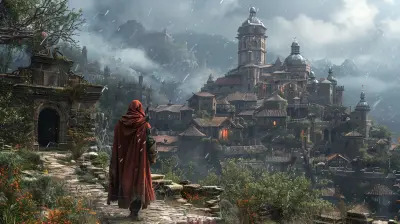
The Role of Mystery and Discovery in Game Content
23 August 2026
Let’s be real for a second—who doesn’t love that goosebump-raising moment when you stumble upon a secret level, or uncover some cryptic lore in a game that just flips your whole understanding of the story? That, my friend, is the sweet, sweet magic of mystery and discovery in gaming.
And it's not just a bonus. Nope. It’s at the heart of what makes so many great games tick. Whether you’re a loot-hungry dungeon diver, a curious open-world explorer, or a lore-sniffing theorist—you’ve been touched by the power of mystery.
In this article, we’re diving deep into why mystery and discovery matter so much in games, how they keep us glued to our screens, and what game developers are doing (and sometimes failing to do) to keep that thrill alive.

Why Games Need Mystery Like We Need Coffee
Alright, picture this: You boot up a brand-new game. It looks cool, the mechanics are solid, but everything is laid out like an instructional manual. No surprises. No hidden secrets. Just... gameplay.Yawn.
Games without any mystery? They feel like paint-by-number kits. There's a reason players keep coming back to titles like The Legend of Zelda: Breath of the Wild, Dark Souls, or Minecraft. Heck, even Among Us thrives on that "who did it?" mystery sauce.
Mystery triggers our curiosity instincts. It pulls us into the world. Makes us pay attention. Makes us care.
Think about it—we are hardwired to explore, to ask “what’s behind that door?” or “what happens if I go off the beaten path?” That itch is exactly what gives mystery in gaming its undeniable pull.

The Thrill of Not Knowing
There’s something deliciously satisfying about not having all the answers. Seriously.When a game lets us fill in the blanks—be it uncovering lost civilizations (Tomb Raider style), piecing together scattered journal entries (The Last of Us), or solving cryptic puzzles (Fez, anyone?)—we feel like we’re part of something bigger.
And here’s the major plot twist: the best games don’t just hand you answers on a silver platter. Oh no, they make you work for it. They tease, hint, and occasionally mess with your head.
That’s not bad design; that’s world-class storytelling.
Examples of Mystery-Driven Titles
- Dark Souls Series – This baby is the granddaddy of “figure it out yourself.” The lore is scattered, subjective, and 99% hidden. But fans devour it.- Outer Wilds – Time loops, ancient civilizations, and a solar system full of secrets? It’s a cosmic treasure hunt.
- Return of the Obra Dinn – A detective game that makes you do real deduction. Not spoon-feeding you clues, but daring you to think.
- Myst – One word: Iconic. The OG of “you’re on your own, good luck” gaming.

Discovery Breeds Engagement
Games with layered mysteries and constant discoveries turn players into active participants rather than passive consumers.Think about it like dating. If someone tells you EVERYTHING about themselves in the first five minutes? It gets boring fast. But if they keep you guessing, dropping intriguing hints over time? You’re invested.
That’s what in-game discovery does.
It keeps players engaged, returning, sharing theories online, and creating communities around the unknown.
Ever tumbled down a Reddit rabbit hole of fan theories about a game? You know what I’m talking about.
Discovery Isn’t Always About Plot
Let’s be clear: discovery isn’t just for lore nerds.There are so many forms of discovery in games:
- Exploration: Finding hidden areas, easter eggs, or secret bosses.
- Mechanics: Uncovering new abilities, crafting systems, or combat styles.
- Social Dynamics: Discovering how other players behave (think DayZ or Rust).
- Narrative Threads: Piecing together someone’s backstory through environmental clues.
- World Details: Realizing subtle changes in the world based on your choices.
The more dimensions of discovery, the more immersive the experience.
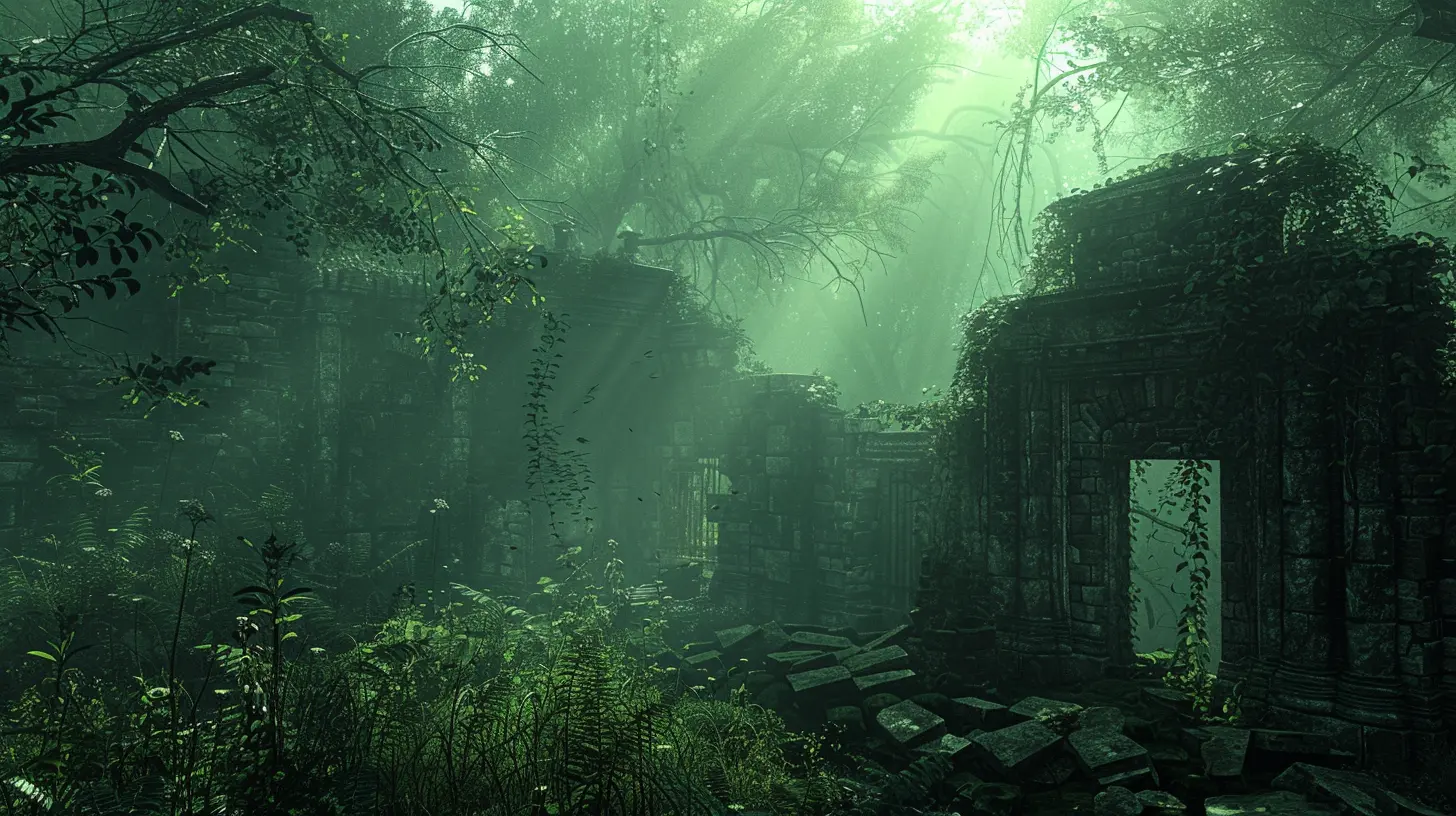
The Sandbox Effect: Player-Created Discovery
Now here’s a spicy take: sometimes, it’s not just about what developers hide, but about what players find on their own.Games like Minecraft, Skyrim, or No Man’s Sky are perfect examples. They thrive on emergent gameplay. That basically means the game gives you tools, and then steps back. What happens next? That’s up to you.
You might:
- Build a castle out of lava.
- Find a hidden dragon cave no one's seen before.
- Accidentally glitch through a wall and discover an unfinished area. (Hey, bugs can be discoveries too, don’t @ me.)
This open-ended content means that discovery isn’t just designed—it’s dynamic.
The Problem With Overexposure: When Mystery Dies
Let’s take a moment to roast the flip side.The gaming world’s obsession with trailers, leaks, early access content, and spoilers has kinda murdered a lot of the mystery, right?
Before a game even drops, we know all the levels, the boss fights, and yes—even the DLC that’s supposed to come out six months later.
It’s like opening all your Christmas presents a week early. Where’s the fun in that?
Developers who truly understand the power of mystery know how to resist this temptation. They hold cards close to their chests. They let players find things on their own terms.
Less is More
Games don’t have to explain everything. Players are smart. Trust us.When you leave mystery in your game…
- People talk about it.
- They dig deeper.
- They keep coming back.
That’s powerful.
Developers, Take Notes: How to Design for Mystery
If you’re a game dev reading this (first of all, hi, you're amazing), here are some quick-hit tips you might want to jot down in that Moleskine notebook:1. Embrace Ambiguity
Leave space for interpretation. Not everything needs a crystal-clear answer.2. Use Environmental Storytelling
Don’t tell players what happened—let them see it, feel it, or sense it.3. Reward Curiosity
If someone spends two hours climbing that weird mountain, give them something. Even if it’s just a banana-shaped sword. (Especially if it’s that.)4. Layer Secrets Deep
Think onion-style. Let people pull back layers. The more they dig, the more they find.5. Don’t Overshare in Marketing
Keep some stuff under wraps. Seriously. Let players have the joy of discovery.The Emotional Payoff: Why We Keep Coming Back
Ultimately, mystery and discovery in games speak to something raw and human inside us. It’s about chasing the unknown. It’s about wonder. Nostalgia. The thrill of the hunt.It’s why people still talk about Shadow of the Colossus years later. Or why some of us still can’t stop theorizing about Inscryption or Control.
Mystery turns entertainment into experience. And discovery turns gameplay into journey.
Not every game needs layers of deep lore or hidden secrets—but the ones that dare to do it? They stand apart. They make us feel something unexpected.
And in this age of pre-packaged content and algorithm-fed everything, that's the kind of magic we need a whole lot more of.
TL;DR
Mystery and discovery aren’t just fancy extras—they’re vital parts of what makes gaming immersive, addictive, and unforgettable. When devs let players uncover secrets on their own, it builds emotional connection, sparks community, and makes every playthrough feel like an adventure. So here’s to games that make us think, feel, and shout “WAIT, WHAT?!” at our screens.Because at the end of the day, a game without mystery is just... ordinary.
And who plays games to be ordinary?
all images in this post were generated using AI tools
Category:
Game Content CreationAuthor:

Jack McKinstry
Discussion
rate this article
1 comments
Dana Jenkins
Mystery and discovery elevate gaming by immersing players in unexpected narratives and challenges, turning exploration into a rewarding journey of engagement.
August 27, 2026 at 3:38 AM
Jack McKinstry
Absolutely! Mystery and discovery create depth in gaming, making each moment an adventure that keeps players invested and eager for more.