The Role of Nostalgia in Game Trailer Success
28 May 2026
If you've ever gotten goosebumps from a game trailer—just because it reminded you of a pixelated hero from your childhood—you're not alone. Game trailers don’t just sell graphics or gameplay anymore. They sell emotion. And nostalgia? Well, it's the magic dust sprinkled over our childhood memories that makes our wallets open willingly and our inner children scream with joy.
But what is it about nostalgia that makes game trailers so irresistible? Is it just a cheap trick or a strategic powerhouse in marketing? Let’s break it down.
What Exactly is Nostalgia in Gaming?
Nostalgia is that warm, fuzzy feeling you get when something reminds you of the “good old days.” In gaming, it typically links back to childhood or teenage memories—Saturday mornings playing on the SNES, fighting your sibling over the controller, or finally beating that one impossible level.It taps into our emotional memory bank. And nostalgia in gaming isn't just about remembering. It's about reliving.
Game developers know this. Marketers have made it a science. And game trailers? They’re the perfect delivery method.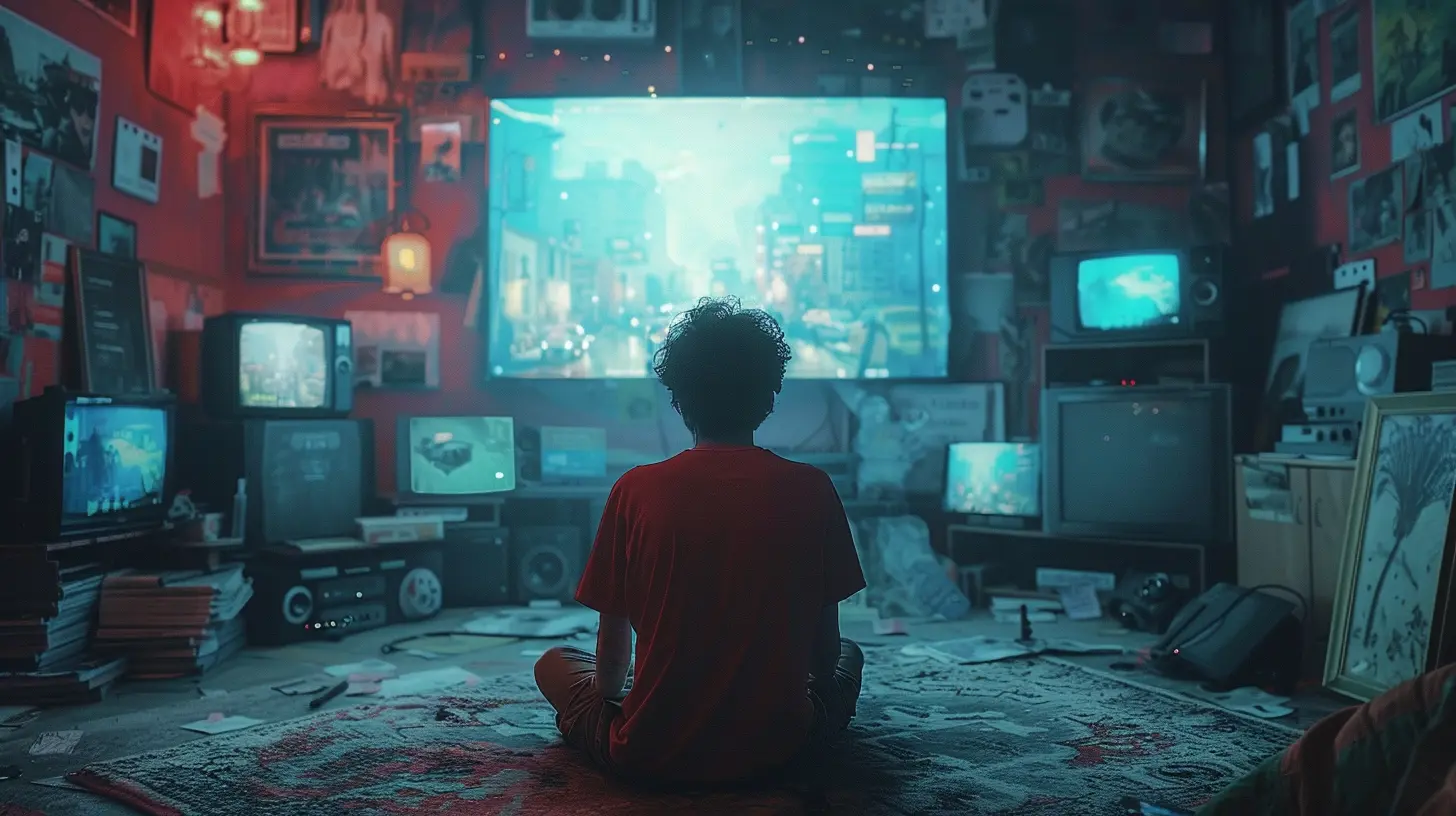
How Game Trailers Tap Into Nostalgic Emotions
Ever noticed how some trailers start with pixelated graphics, only to morph into gorgeous modern visuals? Or how the music sounds eerily similar to an old chiptune melody from a 90s RPG? That's intentional.These trailers are built to trigger what's known as a “nostalgia spike.” Here's how they do it:
1. Retro Visuals & Art Style
Throwback pixel art. Grainy graphics. Old-school UIs. Even faux VHS filters. All these visual cues scream “remember this?”—and more often than not, you do.Take games like Shovel Knight or Streets of Rage 4. Their trailers flaunt retro aesthetics, even when the core game is polished for modern hardware.
2. Musical Callbacks
Music is a powerful trigger for memory. When a trailer remixes an iconic theme—say, the Super Mario Bros. overworld tune—you don’t just hear it. You feel it.That auditory déjà vu takes you right back to afternoons spent hunting mushrooms and dodging Koopas.
3. Iconic Characters and Franchises
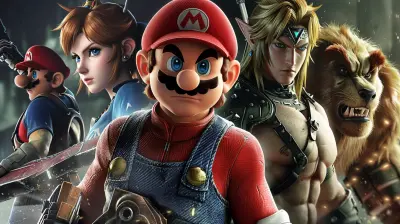
The moment a familiar face pops up—be it Link with his Master Sword or Sonic revving up—you’re hooked. Trailers bring these legends back with epic, cinematic flair, and fans go wild.Nintendo’s Smash Bros. trailers are a masterclass in this approach. Every new character reveal feels like a reunion.
4. Story Continuations and Reboots
When a game trailer picks up where a beloved story left off, it’s like catching up with an old friend. Games like Final Fantasy VII Remake or Resident Evil 2 (Remake) hit this note perfectly.Trailers for these games don’t just tease new content—they promise emotional closure and rebirth.
The Psychology Behind Nostalgic Marketing
Alright, let’s get our brains involved for a second. Why does nostalgia work so well?First off, it’s comforting. Life’s messy, hectic, and unpredictable. Nostalgia offers a warm blanket of familiarity.
Second, it builds trust. If you loved a franchise 20 years ago, odds are you’ll be curious to see what they've done with it now. That makes you way more likely to click, watch, and buy.
And third—nostalgia creates a sense of identity. Gaming is personal. For many of us, it's an integral part of growing up. When a trailer connects to that timeline, it reaffirms who we are and where we came from.
Case Studies: When Nostalgia Nailed It
Let’s talk receipts. Here are some prime examples of trailers that hit the nostalgia jackpot:? Final Fantasy VII Remake (2015 Reveal Trailer)
Remember when Square Enix dropped that first glimpse of Cloud and Midgar? The internet collectively lost its mind. The trailer mixed modern visuals with recognizable scenes and music. For fans of the original, it was like coming home.? Resident Evil 2 Remake (E3 2018)
The trailer starts stealthy, showing a warehouse from a mysterious angle. Then suddenly, a rat's-eye view gives way to a zombie attack—and boom, it’s 1998 again. The trailer was gritty, modern, and overflowing with callbacks.? Super Smash Bros. Ultimate (Everyone is Here)
Nintendo’s trailer didn’t hold back. “Everyone is here” wasn’t just a tagline—it was a declaration. It brought back nearly every character from the franchise’s history, even ones fans thought were forgotten. The result? Maximum hype.? Stranger Things x Dead by Daylight Crossover Trailer
Okay, not just a game, but still worth mentioning. This trailer married two powerhouse nostalgia brands. Seeing the Demogorgon chase survivors while 80s synth played in the background? Pure gold.The Risk: Can Nostalgia Backfire?
Here’s the tricky bit. Nostalgia is powerful... but it’s also risky.If a trailer over-promises based on your memories but under-delivers in gameplay? Fans feel betrayed.
Too much reliance on the past, and you risk feeling stale. Too little, and the emotional punch is gone.
Nostalgia can't carry a bad game. It may lure players in, but if the core game fails to meet expectations, that warm fuzzy feeling turns into cold hard backlash. Just ask Battletoads (2020).
The Balance: Blending Old with New
The best trailers don’t just repurpose nostalgia—they remix it.They remind you of what you loved, while showing you what’s new. Think of it as a remix of your favorite song. The melody’s familiar, but the beat is fresh.
That’s what hooks both old fans and new players.
Nostalgia-Infused, But Not Nostalgia-Dependent
A winning example? Legend of Zelda: Tears of the Kingdom. The trailer weaves in echoes of Ocarina of Time and Breath of the Wild but presents a brand-new adventure brimming with mystery and innovation. Perfect balance.How Indie Games Leverage Nostalgia
It’s not just the big studios cashing in.In the indie scene, nostalgia is practically a currency. Games like:
- Celeste
- Undertale
- Axiom Verge
- Hyper Light Drifter
…all used trailers that nodded to 90s gaming styles while bringing something totally new to the table.
With limited marketing budgets, indie devs rely on nostalgic trailers to stand out—and it works. That pixel-art teaser with 8-bit music? It might just be your next favorite game.
The Social Media Hype Train
Once a nostalgia-fueled trailer hits, social platforms explode. Why? Because people love to share what they remember.Comments like, “My childhood!” or “I used to play this with my brother!” flood the feed. Emotional engagement boosts visibility. Suddenly, the trailer isn’t just an ad—it’s a community event.
Studios are catching on. Trailer drops are now timed for maximum engagement, teased with cryptic screenshots or retro posters, and followed by livestream commentary. Hype becomes nostalgia in real-time.
User-Generated Content: The Fan-Made Fuel
After a nostalgic trailer drops, fans take over. Reaction videos, soundtrack covers, comparison clips between old and new—they all add layers of emotional investment.And guess what? All this content works as free marketing. One trailer triggers a tsunami of engagement, echoing far beyond the publisher’s official channel.
Future-Proofing Nostalgia
Here’s the wild part: today's “new games” are tomorrow's nostalgia.Games like Minecraft and Fortnite will eventually be the sentimental touchstones for the next generation. Their trailers today are building the emotional templates for future marketing strategies.
So, when 2035 rolls around, don’t be surprised when a Minecraft 4K VR Remake trailer sends Gen Z into nostalgic overdrive.
So, Why Does Nostalgia Work So Well in Game Trailers?
Because it speaks directly to the heart before the brain kicks in. It bypasses logic and goes straight to the feelings.A great nostalgic trailer knows its audience. It whispers, “Remember this?” And if the answer’s yes, you’re already halfway sold.
Final Thoughts
Game trailers aren’t just marketing tools anymore—they’re emotional time machines. And nostalgia? It's the ticket to ride.When used right, it turns a good trailer into a memorable moment. When overused or misused, it can crash harder than a SNES cartridge full of dust.
But when the stars align—when the right pixel, melody, and character come together—nostalgic game trailers don’t just sell games. They sell memories.
And let’s face it—we're all suckers for a good memory.
all images in this post were generated using AI tools
Category:
Game TrailersAuthor:

Jack McKinstry
Discussion
rate this article
2 comments
Tate Dodson
This article captures the essence of nostalgia in gaming perfectly. It's fascinating how memories tied to past games can reignite excitement for new releases. The connection between old favorites and new trailers truly showcases the power of sentimental experiences... well done!
August 16, 2026 at 4:49 PM
Jack McKinstry
Thank you! I'm glad you felt the connection between nostalgia and excitement for new games. It's such a powerful element in gaming.
Mercado
Nostalgia sells, but let's be real-no amount of retro flair can mask a weak game.
May 29, 2026 at 4:09 AM
Jack McKinstry
You're right; nostalgia can attract attention, but it won't sustain interest if the game lacks substance. Quality always comes first.