The Role of NPC Vendors in Economic Balancing
3 September 2026
Let’s be honest—how many times have you sold your extra loot to an NPC vendor just to clear up some space in your backpack? Or maybe you’ve raced to a merchant in the middle of nowhere just to snag a potion before your next boss fight. They’re everywhere, always standing in the same spot, rarely blinking, and never leaving for a coffee break. But have you ever stopped to think about the real value these NPCs bring to your favorite games?
Sure, Non-Playable Characters (NPCs) might seem like basic background fillers. But when we zoom in a little, it becomes crystal clear: NPC vendors play a massive role in keeping game economies stable and balanced. Without them, in-game markets can spiral into pure chaos.
So, let’s pull back the curtain and take a deep dive into the world of NPC vendors—and why they’re the unsung heroes in the grand scheme of online and offline economies.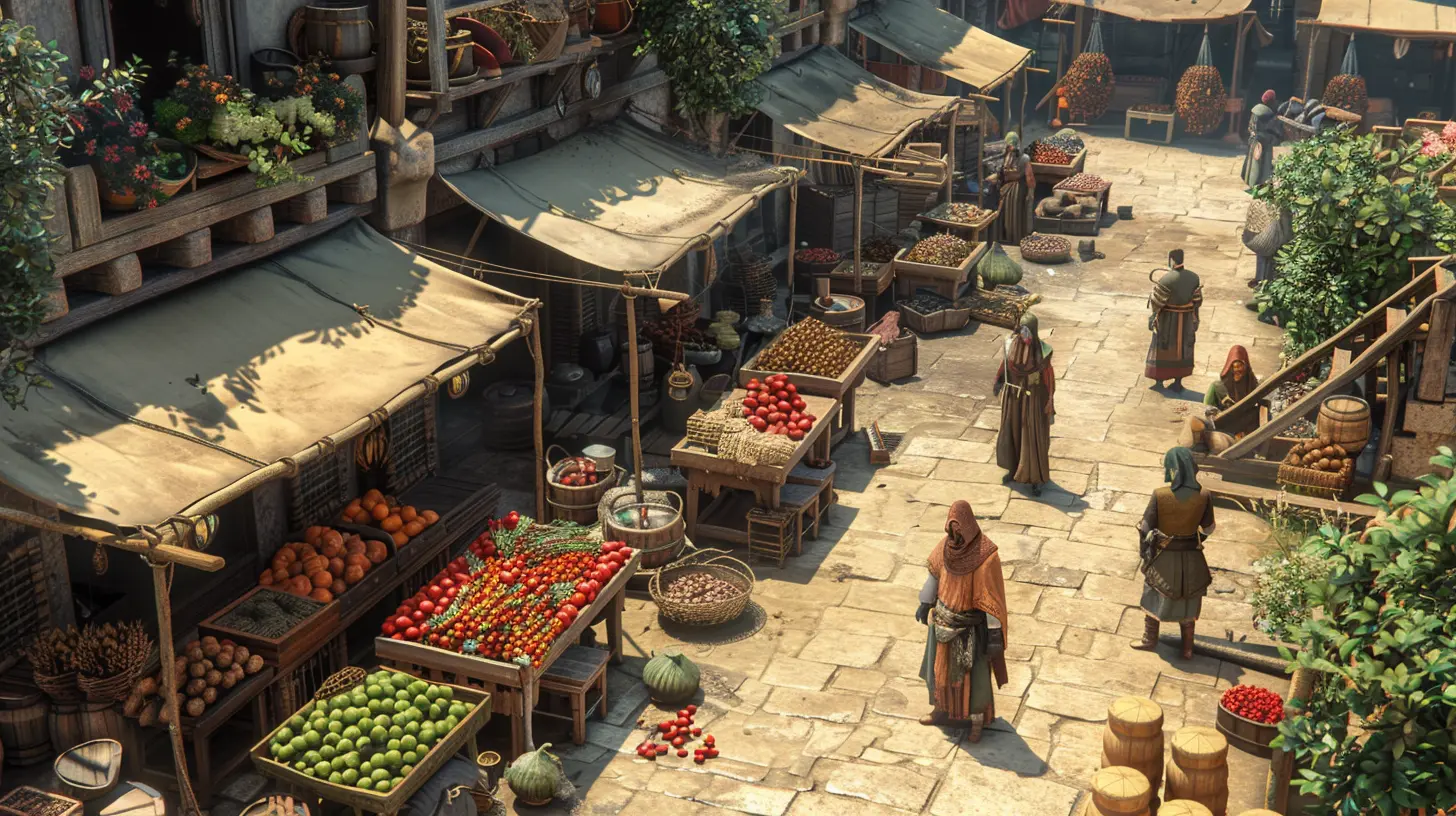
Why Do NPC Vendors Even Matter?
At first glance, NPC vendors seem pretty simple. They buy and sell items. That’s it, right?Not quite.
Think of them as the steady heartbeat of a game’s economy. Just like real-world economies need stable institutions—banks, marketplaces, regulations—game economies need someone (or something) to maintain order. NPC vendors prevent runaway inflation, absorb excess goods, and influence player behavior in ways you might not even realize.
Without NPC vendors, player-driven markets would be like a wild stock market with absolutely no rules—just chaos.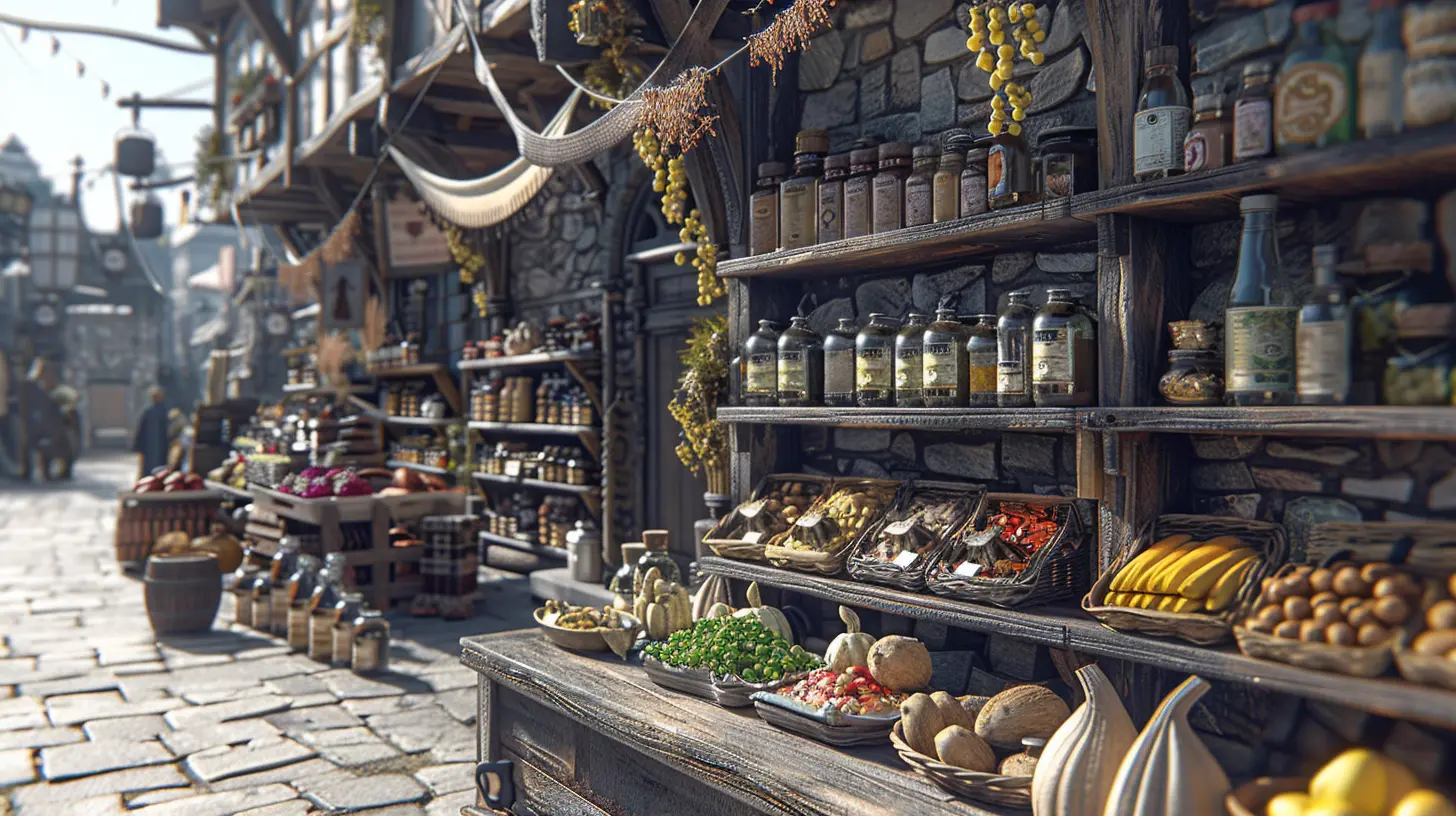
NPC Vendors as Economic Pressure Valves
Imagine playing an MMO where you pick up every sword, shield, herb, and fish you come across. Now multiply that by a few thousand players doing the same thing. Where would all that stuff go?If there were no NPC vendors to sell to, items would just pile up. Worse, players might flood the auction house with junk gear, crashing item prices down to worthlessness.
NPC vendors act as a pressure valve. They give players a reliable way to offload excess inventory, converting loot into currency. This stabilizes the market by:
- Reducing supply glut: Players don’t feel the need to undercut each other just to sell something.
- Setting a price floor: If players know they can always sell an item to an NPC for 10 gold, it prevents others from pricing it below that.
This simple mechanic keeps player economies from collapsing under their own weight.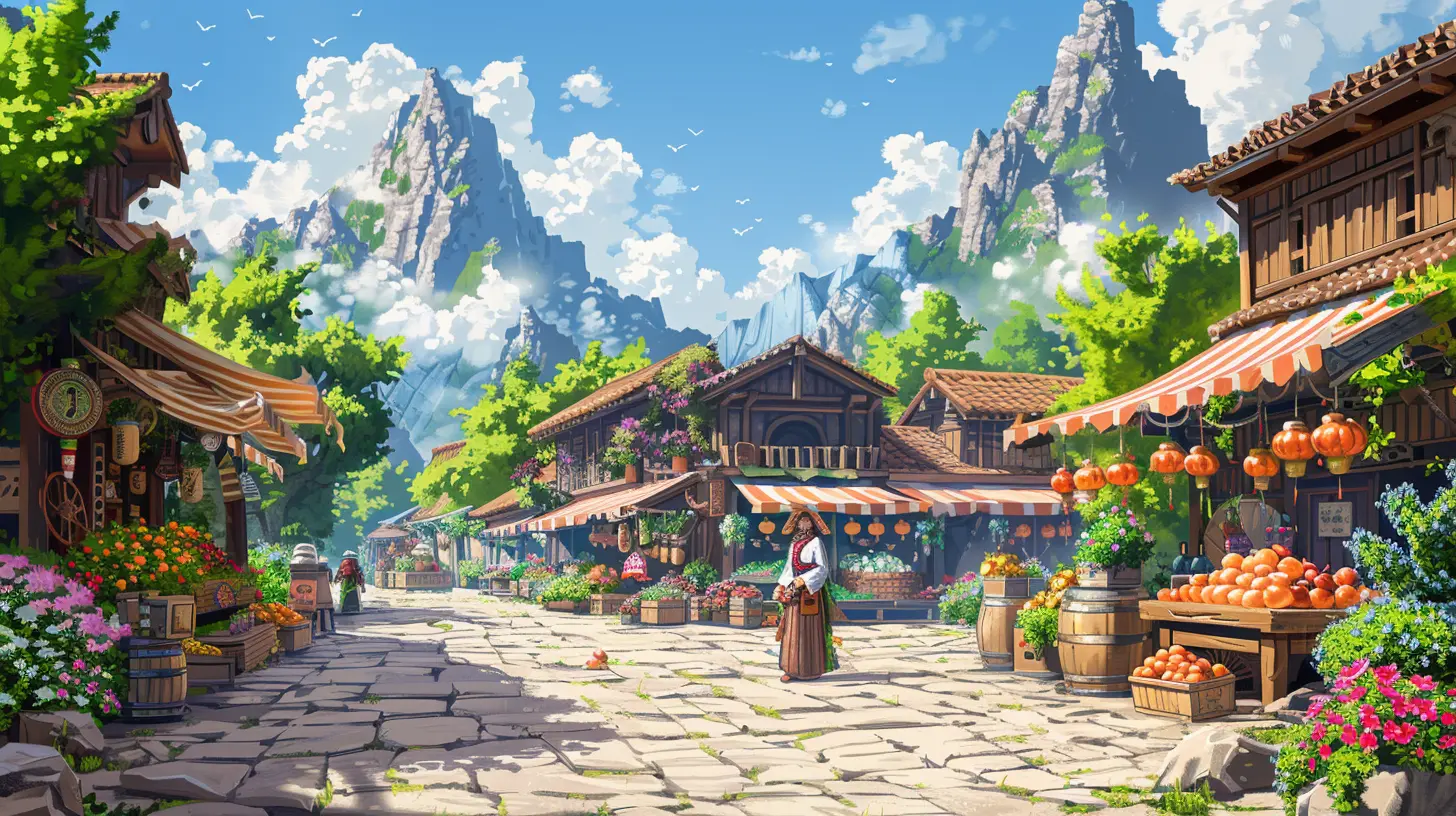
The Mighty Price Floor: Why NPC Prices Matter
Let’s chat about something that gets deep into the weeds: price floors. Sounds a bit economic, right? But stick with me, because it's key to understanding the brilliance behind NPC vendors.In real life, a price floor is the lowest legal price something can be sold for—like minimum wage. In games, NPC vendors set an unofficial price floor. Say you loot a sword and the vendor offers you 50 coins for it. That 50 becomes the baseline. Other players won't, and frankly shouldn't, offer you anything below that.
It’s genius.
By doing this, developers can directly influence what players value. They create minimum viable prices to prevent unwanted item depreciation. It’s like ensuring your digital junk always has just enough shiny value to make picking it up worthwhile.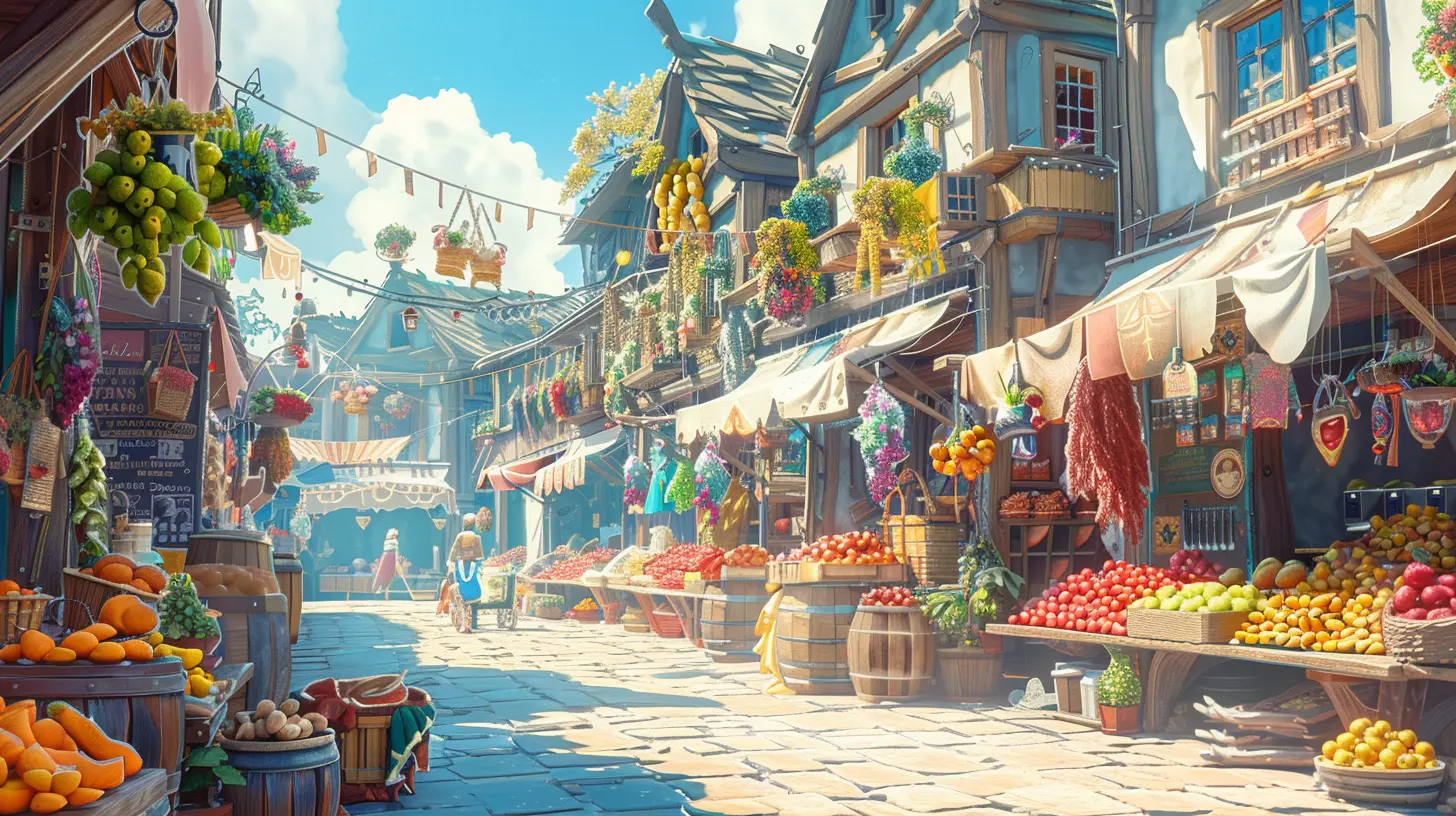
Acting as Currency Sinks: Money Out of Thin Air?
You ever notice how gold just seems to appear out of nowhere in some games? Kill a monster, loot some coins. Finish a quest, here’s 500 silver. While it's fun to rack up the cash, it also leads to one very big problem: inflation.Without a way to remove currency from the game, the value of gold drops over time. That’s where NPC vendors play their second huge role—they act as currency sinks.
Here’s how:
- Repairs: Your gear breaks? Pay an NPC vendor to fix it.
- Consumables: Potions, scrolls, ammo—all bought from NPCs using player-earned gold.
- Crafting Materials: Sometimes vendors sell rare bits to help you level up that blacksmithing skill.
- Transportation: Want a boat ride or teleport? That’s going to cost ya.
All of these services drain money out of the economy, keeping inflation in check. It’s like slowly letting air out of a balloon before it pops.
NPC Vendors vs Player-Driven Markets
In games with auction houses or player marketplaces, NPC vendors still play a vital comparative role.Let’s say you want to sell a healing potion. If the NPC vendor offers 10 gold for it, you might list it on the player market for 12 or 15 gold. Players who value convenience might buy it. But if players flood the market with potions, their prices may plummet.
Eventually, listing the potion might not be worth the auction house fee. That’s when players turn back to NPCs. This balance between vendor prices and player market values creates a self-regulating market. It gives players options and creates natural price competition.
Pretty neat, right?
Encouraging Item Circulation
Another clever piece of design? NPC vendors help keep items moving. In some games, items sold to vendors don’t just vanish—they reappear in the merchant’s inventory for other players to buy.This does two things:
1. Preserves useful loot: Instead of vanishing into the abyss, rare or valuable items can circle back into the economy.
2. Creates dynamic markets: Players often check NPC inventories for secondhand treasures, especially in games like Fallout or Skyrim.
In essence, vendors can act like pawn shops. One player’s junk becomes another’s hidden gem.
Crafting and Material Control
Let’s pivot to crafters for a second. In many games, crafting is a whole economy on its own. You gather resources, combine them, and sell the final product for profit… hopefully.What if everyone could find the same rare ore just lying around? The value crashes. That’s why game devs often use NPC vendors to limit or ration certain crafting materials. Sometimes they:
- Only sell ingredients in small quantities.
- Rotate inventory on a daily/weekly basis.
- Tie items to in-game factions or progression levels.
It’s a clever way to control supply without completely blocking access. It keeps crafting meaningful and profitable—again, another subtle form of economy balancing.
The Psychological Comfort of Stability
Let’s get a bit sentimental here. NPC vendors also serve another important purpose: emotional reassurance.Hear me out.
When you’re lost in a massive open-world game, there’s something comforting about knowing there’s a vendor in the next town. They won’t rip you off. Their prices are fixed. They always have potions. You trust them.
In a volatile player-to-player market where prices constantly change, NPCs offer consistency. That consistency reduces player frustration and builds trust in the economy. It may sound small, but it plays a big role in keeping players engaged and happy.
Preventing Ultra-Rich Dominance
In player-run economies, the ultra-rich can control markets. They hoard resources, manipulate prices, and create artificial scarcity. Sounds familiar? Like a billionaire buying up all the toilet paper?NPC vendors neutralize this power. By offering vital items—potions, tools, basic gear—at fixed prices, devs ensure that new players or casual gamers aren’t priced out of essential goods.
It’s economic democracy at work. Everyone gets a fighting chance, even if they only log in a few hours a week.
Dynamic NPCs: The Future of Game Economies?
Some modern games are pushing NPC vendors to the next level. Instead of static inventories and prices, they adapt based on supply and demand.In these systems, the more players sell copper ore to a vendor, the less they’ll offer for it. And if no one’s buying a certain item, you might see it sold at a discount. It’s like watching a mini Wall Street unfold in the background.
These dynamic vendors make economies feel alive. They respond to player behavior, add layers of strategy, and make every buying and selling decision more impactful.
Imagine a world where NPC merchants hold Black Friday sales because too many swords are sitting in stock. Wild, right?
Wrap-Up: More Than Just Shopkeepers
So, next time you visit that humble potion vendor, take a second to appreciate just how much they’re doing behind the scenes.They’re not just taking your extra loot or selling you mana potions. They’re regulating supply and demand, controlling inflation, maintaining fairness, and keeping the game world smoothly ticking along.
Without these silent economic wizards, your favorite fantasy world might fall into ruin—rampant inflation, hoarding, price gouging, and broken economies.
NPC vendors are the unsung heroes of game balance. And now that you know their importance, maybe toss them a little thank-you wave next time you see one. Even if they won’t wave back.
all images in this post were generated using AI tools
Category:
In Game EconomyAuthor:

Jack McKinstry
Discussion
rate this article
1 comments
Rosalie Stone
Great insights on NPC vendors!
September 3, 2026 at 3:26 AM
Jack McKinstry
Thank you! I'm glad you found the insights valuable.