The Technology Powering Today’s AR Gaming Experiences
7 February 2026
Augmented Reality (AR) isn't just a buzzword anymore—it's the real deal. You've probably caught Pokémon in your backyard, built blocky structures with virtual Lego, or even fought alien invaders in your living room. But have you ever paused to ask, “How does all this magic even work?” Let's peel back the curtain and dive deep into the slick technology making AR gaming not only possible, but downright immersive.
Whether you’re a casual player or a die-hard gamer, understanding the tech behind your favorite AR games will definitely give you a whole new appreciation for that next mind-blowing experience. So, buckle up—this is gonna be a fun ride.
What Exactly is AR Gaming?
Alright, let’s get on the same page. AR (Augmented Reality) is a tech that overlays digital content onto the real world, in real-time. Unlike VR (Virtual Reality), which tosses you into a completely virtual universe, AR keeps one foot in the real world. So when you’re catching a Charizard in your kitchen, that’s AR doing its thing—blending the physical with the digital on your screen.AR gaming takes this to the next level by creating interactive, gameplay-driven experiences in your actual environment using AR tech.
Devices That Make AR Gaming Tick
AR gaming isn't a one-size-fits-all situation. It runs on a mix of hardware—some you already own, and some that look like they came from a sci-fi movie.1. Smartphones and Tablets
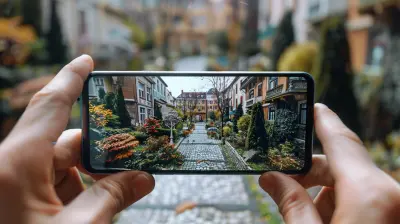
Let’s start with the basics. If you've played Pokémon Go or Harry Potter: Wizards Unite, you've used AR gaming on your smartphone. These devices use a combo of cameras, GPS, gyroscopes, and accelerometers to anchor virtual objects into your surroundings.Thanks to the raw power packed into modern phones—like iPhones with LiDAR scanners or Android flagships with depth-sensing tech—AR gaming is more dynamic and precise than ever.
2. AR Glasses and Headsets
Here’s where things start feeling like the future. Devices like Microsoft HoloLens, Magic Leap, and even the rumored Apple Vision Pro are paving the way for immersive AR gaming.These wearables free your hands and project digital elements directly into your field of vision. Imagine blasting zombies that appear on your couch or solving puzzles that float mid-air in your kitchen. Yup, it’s that cool.
3. AR-Enhanced Consoles
While not as mainstream yet, consoles like the Nintendo 3DS and PlayStation with AR gaming capabilities are dipping their toes in. Even though mobile AR dominates right now, consoles are experimenting with blending traditional gaming with AR elements for a new twist.
Core Technologies Behind AR Gaming Magic
Now let’s nerd out a bit (in a fun way, promise). The seamless AR experience you enjoy is actually the result of a dance between several cutting-edge technologies. When these come together, the magic happens.1. Computer Vision
Ever wonder how your phone “sees” the real world? That’s computer vision doing its thing. It enables devices to understand and interpret images and videos in real-time.For AR gaming, this means detecting surfaces like floors, walls, and tables so that the game knows where to place digital objects. No floating Pokéballs through the wall—that’s thanks to this tech.
2. Simultaneous Localization and Mapping (SLAM)
SLAM is a big deal. It allows AR devices to map your surroundings and track your movement in space—all at once.In gaming, it helps anchor virtual elements to real-world locations. When you walk around a digital dragon sitting on your couch and it stays put? That’s SLAM working its behind off.
3. Depth Tracking and Sensors
Modern smartphones and AR glasses come with sensors that measure distance. The most famous example? LiDAR (Light Detection and Ranging). This helps create a 3D map of your environment, which means the game knows exactly how far away surfaces and objects are.This makes interactions more realistic—like when shadows fall naturally or characters appear behind furniture. Talk about next-level immersion.
4. AI and Machine Learning
Artificial Intelligence is the secret sauce that ties it all together. AI helps in object recognition, scene understanding, and even predicting user behavior.In AR gaming, it can be used to make NPCs (non-player characters) smarter, dynamically adjust gameplay based on your surroundings, or offer personalized challenges. Ever felt like a game was almost reading your mind? Yup, probably AI.
5. 5G and Cloud Computing
Let’s be honest: AR games can be data-hungry beasts. That’s where 5G and cloud tech come in.5G speeds up data transfer while reducing lag. Cloud computing, on the other hand, offloads heavy processing from your device to remote servers. This combo allows even entry-level phones to run complex AR experiences without breaking a sweat.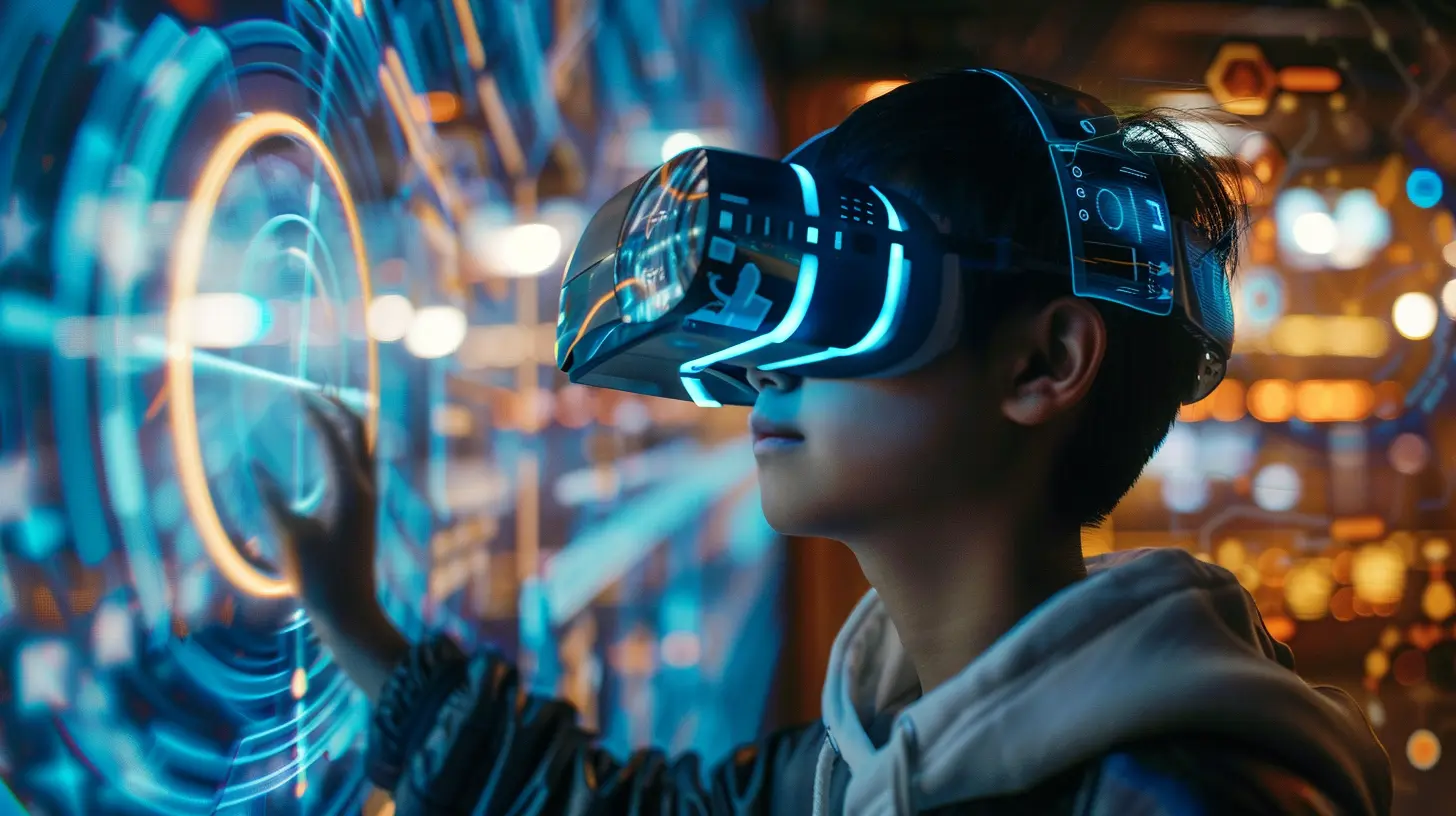
AR Game Engines and Development Platforms
Creating AR games isn’t done with pixie dust—it’s all about the tools developers use. Here are some of the heavy-hitters powering your favorite AR games.Unity + AR Foundation
Unity is the kingpin for AR game development. Its AR Foundation framework lets devs build for both iOS (ARKit) and Android (ARCore) from a single codebase. Sweet, right? It supports everything from motion tracking to environmental understanding.Unreal Engine
Want your AR dragons super realistic? Unreal Engine is all about top-tier graphics and next-gen gameplay. It’s ideal for high-performance AR games with complex mechanics and photoreal visuals.ARKit (Apple) and ARCore (Google)
These are the AR development kits created by Apple and Google respectively. They give developers access to device sensors, depth data, spatial mapping, and more. If you're playing any AR game on an iOS or Android device, chances are it's powered by one of these two.Real-World Applications in Gaming
Let’s step away from theory for a sec and talk about what this tech actually looks like when used in real games.Pokémon Go
The OG AR game for many of us. It uses GPS, gyroscopes, and computer vision to place Pokémon in your real-world environment. It’s simple, addictive, and incredibly effective.Minecraft Earth (RIP)
Though the game has been discontinued, Minecraft Earth was a testimony to how AR could redefine sandbox gaming. It took block-building from your screen to your backyard.The Walking Dead: Our World
This game makes you feel like you're surviving a zombie apocalypse right in your neighborhood. It uses GPS, camera input, and SLAM technology to drop zombies in the real world.Challenges in AR Gaming Development
Despite how far we’ve come, AR gaming still has its hurdles.1. Battery Drain
AR eats up battery life like candy. Between constant camera usage, location tracking, and real-time rendering, your phone can go from 100% to “find a charger, stat” in no time.2. Hardware Limitations
Not all devices are created equal. Some older phones or less powerful AR glasses can’t handle high-end AR games. Developers have to constantly find a balance between performance and accessibility.3. User Safety
When you’re dodging enemies or collecting virtual coins, it’s easy to bump into real-world obstacles. Protecting users while keeping gameplay engaging is a tricky balance.4. Privacy Concerns
AR games collect a lot of data—from location to camera feed. Ensuring user privacy and securing that data is a challenge developers can’t afford to ignore.The Future: Where AR Gaming is Headed
So, what's next? If today's AR games are cool, the future is set to be mind-blowing.- Full-body tracking could let you interact with games using your entire body—not just swiping or tapping.
- Haptic feedback may soon give you the sensation of touching virtual objects (imagine feeling a dragon's scales!).
- Multiplayer AR could let friends join you in the same AR space, making co-op gaming incredibly immersive.
- AI-driven environments may change depending on your mood, time of day, or your habits.
Essentially, we’re heading towards an era where the digital and physical will blur so seamlessly, we might forget which is which.
Final Thoughts
AR gaming is evolving fast—like "blink and you'll miss it" fast. What started as a novelty is now shaping up to be a game-changer (pun totally intended). Powered by insane tech like computer vision, AI, LiDAR sensors, and ultra-fast 5G, AR gaming is redefining what "playing a game" even means.So next time you’re throwing a Pokéball in your park or battling virtual foes on your driveway, take a moment to appreciate the incredible tech wizardry working behind the scenes. It’s not just a game—it’s a glimpse into the future of interactive entertainment.
all images in this post were generated using AI tools
Category:
Augmented Reality GamesAuthor:

Jack McKinstry
Discussion
rate this article
2 comments
Amalia Pratt
In virtual realms where dreams collide, Tech weaves magic, worlds abide. AR's embrace, a vivid glide. Adventure awaits, hearts open wide.
February 11, 2026 at 4:13 PM
Jack McKinstry
Thank you! I'm glad you enjoyed the exploration of how technology enhances AR gaming. It's truly an exciting time for immersive experiences!
Catherine Snyder
Fascinating insights! I'm eager to see how emerging technologies shape the future of AR gaming and enhance player experiences.
February 8, 2026 at 4:36 PM
Jack McKinstry
Thank you! Exciting developments are on the horizon, and I can't wait to see how they'll transform AR gaming!