Understanding Token Economies in Online Strategy Games
24 August 2026
Alright, fellow commander of the digital realm—let’s talk tokens. No, I’m not referring to that dusty arcade token you found in your junk drawer from 1999 (though, hey, great memories). I’m talking about something far mightier: the token economies in online strategy games. These little guys pack more influence than a dragon with a caffeine addiction.
In this post, we’re diving into the pixelated world of online strategy games and unearthing why token economies are the unsung heroes (or the sneaky villains) of gameplay mechanics. So grab your virtual sword, sharpen those economic wits, and let’s break it all down—without any confusing econ jargon. Pinky promise.
What the Heck Is a Token Economy Anyway?
Let’s start simple: a token economy in online games is kinda like Monopoly money on steroids. It’s an in-game system where players earn, spend, trade, or sometimes hoard digital tokens (which might be coins, gems, credits, or even glorified blueberries) to unlock various game features—like troops, fortresses, weapons, or even the occasional flaming unicorn.These tokens can be earned by:
- Completing missions or quests
- Winning battles (because of course)
- Selling in-game items
- Watching ads (ugh)
- Or, yeah... straight-up buying them with real cash (looking at you, “microtransactions”...)
But here’s the kicker: these tokens aren’t just money substitutes. They form the backbone of how players interact, progress, and compete in the game world. They’re like the glue holding everything together—except shinier.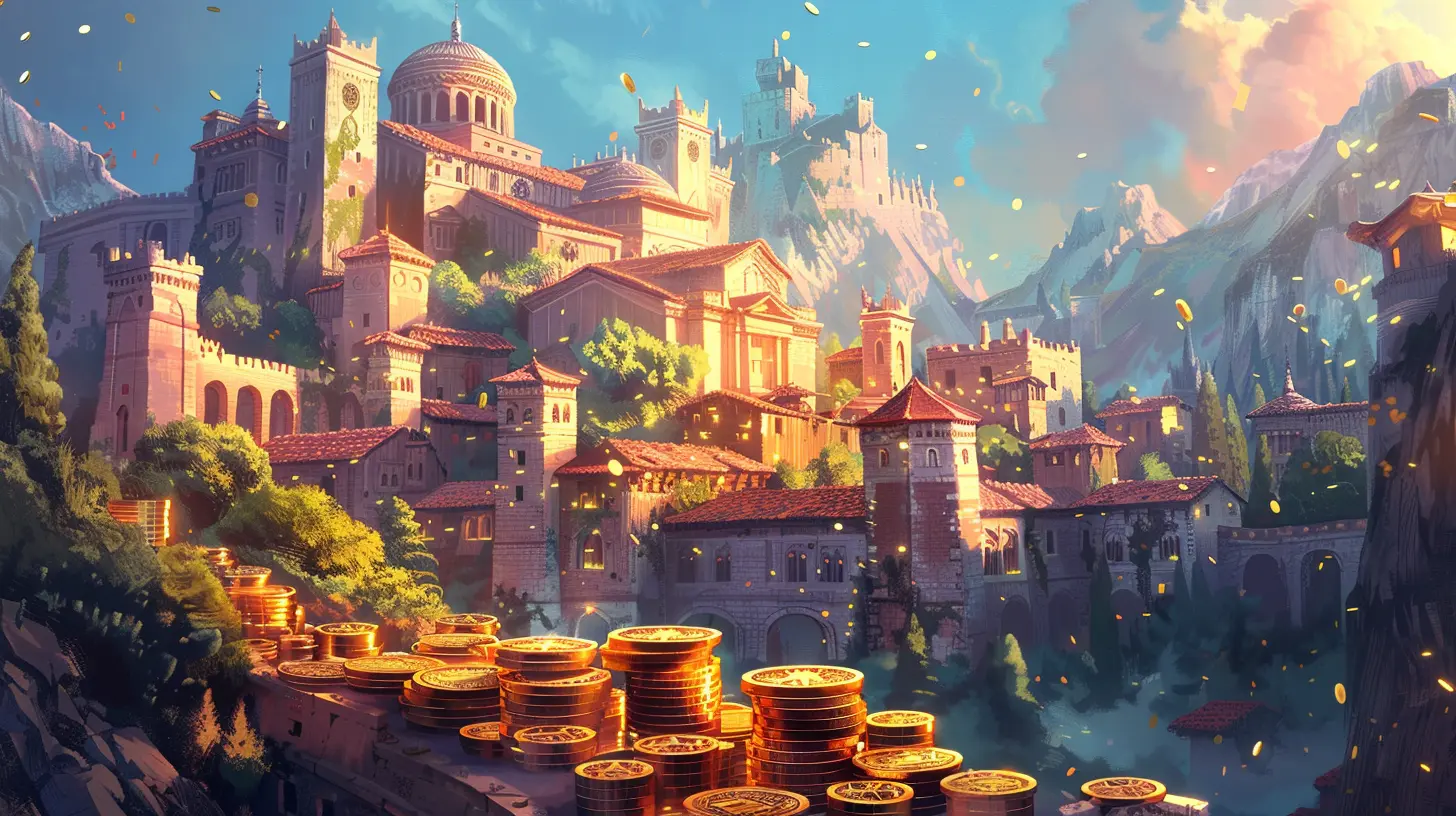
The Economy Behind the Pixels
Imagine tossing a bunch of players onto a giant battlefield with one rule: "Only those with the most resources can build the strongest armies." Well, bam! You now have an online strategy game with a functioning economy.A token economy is like a mini version of the real-world economy—but with more dragons and fewer taxes (thankfully). The devs (that’s "developers" for the uninitiated) set the rules and values for these tokens. Are they rare? Are they abundant? Are they as common as sand in Minecraft or as elusive as a shiny Charizard in the wild?
These decisions impact everything:
- Player motivation – Do I grind for 10 hours to earn 50 tokens, or do I drop $5 and get 500? Hmm...
- Game balance – Does buying tokens make the game pay-to-win? Yikes.
- Community behavior – Are players cooperating, trading, or turning into cutthroat pirates hoarding digital gold?
In short, token economies aren’t just about "money"—they’re about player behavior, engagement, and longevity.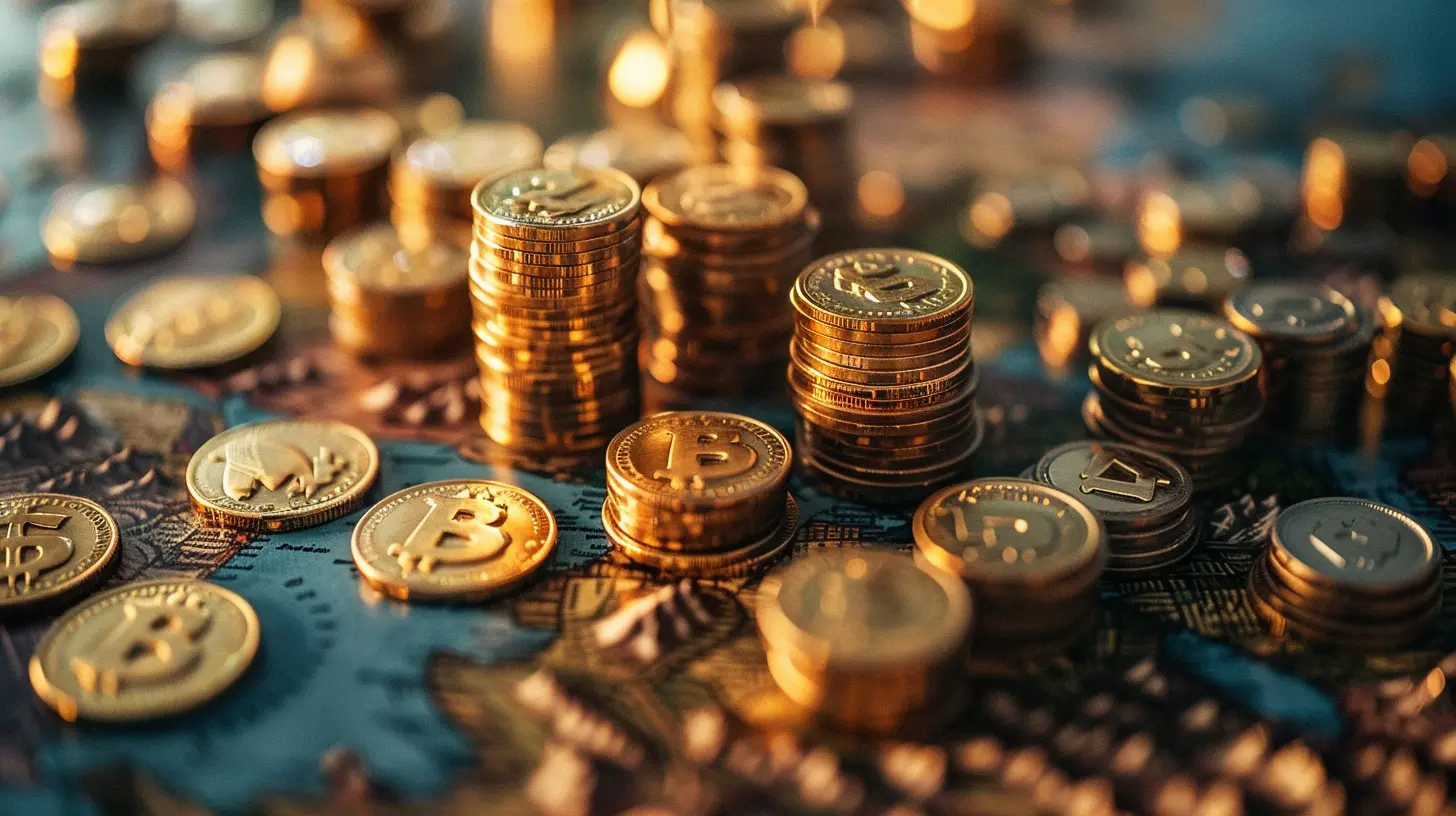
Player Progression: The Digital Carrot on a Stick
You ever play a game and think, “Just one more mission and I’ll unlock that awesome castle skin”? And then 6 hours and 3 cups of coffee later, your eyes are glitching, and you’ve named your new castle “Fort Cranky the Sleepless”?That, my friend, is the magic of token-based progression.
Token economies act as the digital carrot—dangling a cool in-game reward just out of reach and pushing you to keep playing. Why? Because every token earned feels like a mini victory. It’s psychological warfare, and the games are winning.
Here’s how tokens are often used for progression:
- Leveling up: Spend tokens to upgrade units, buildings, or tech trees.
- Unlocking content: Want that mega-powerful battleship? Better have those sweet, sweet tokens.
- Time reduction: Don’t want to wait 2 hours for your new base to build? Tokens to the rescue!
It’s a clever loop—play to earn tokens → use tokens to progress faster → progress makes you feel awesome → rinse and repeat.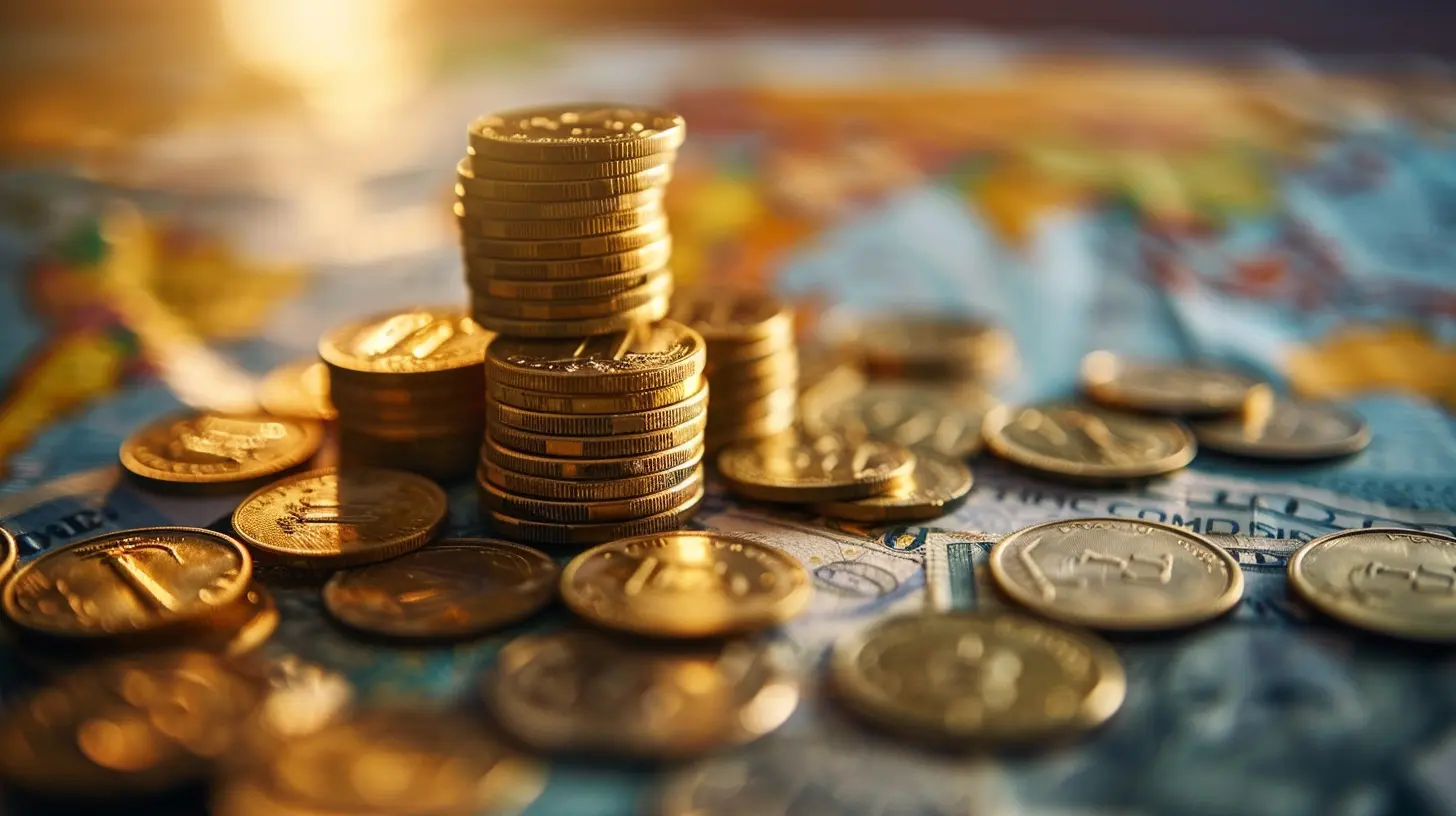
Pay-to-Win or Pay-to-Grin?
Ah, the million-token question.In ideal worlds, token economies let everyone play fairly, grinding their way to glory or burning through their tokens like a caffeinated squirrel. But sometimes—cue ominous music—games cross the line into the dreaded “Pay-to-Win” territory.
Let’s break this down:
- Fair model: Tokens speed up progress but don’t give unfair advantages. Everyone can earn what they need with time and effort.
- Pay-to-Win model: Tokens used to buy overpowered stuff you can’t reasonably get through gameplay. Money = victory.
And that’s when rage-quits happen, keyboards get smashed, and forums catch fire. (Okay, maybe not literally, but you get the vibe.)
Game developers walk a tightrope here. Tokens keep the lights on (and their ramen supply well stocked) but push too far and players abandon ship faster than a noob in a battle royale.
Token Inflation: When Too Much is Too Much
Remember when a loaf of bread cost 2 coins in-game and now… it’s 2000? Yeah, that’s token inflation. Even virtual economies aren’t safe from it.Token inflation happens when:
- Tokens are too easy to get (hello, 10,000 daily login reward!)
- The game floods the market with freebies
- Players hoard tokens and manipulate trades
Suddenly, your mighty warhorse costs more than a small moon, and new players are left wondering if they installed a game or a crypto simulator.
To avoid this economic meltdown, smart games:
- Adjust token drop rates regularly
- Add token sinks (items or events that remove tokens from the game)
- Monitor player behavior with a microscope (not creepy at all…)
The Rise of Blockchain Tokens: Buzzword Overload?
Now, things are getting a little more… futuristic.Some modern online strategy games are integrating blockchain and NFTs into their token economies. Yup, you can now own a pixelated castle as a unique, tradable NFT. Because 2024 is wild like that.
In theory, this idea rocks:
- You earn or buy a tokenized asset (maybe a rare hero or weapon)
- You can sell or trade it with other players for real-world money
- It’s your digital property to keep, flex, or auction off
But in reality? It’s still a work in progress. Not all players want to mix gaming with cryptocurrency. And some just want to slay goblins in peace without worrying if their +5 Sword of Capitalism lost value overnight.
Still, it’s an intriguing twist in the evolution of token economies. One thing’s for sure: it’s not just about fantasy battles anymore—it’s about virtual market capitalism with ogres.
How Token Economies Make (or Break) a Game
Let’s be real: great strategy games are like a delicious stew—strategy, story, player interaction, and economics all simmering together. And token economies? They’re the seasoning. Use too little, and the game tastes bland. Use too much? Overwhelming and salty.When done right, tokens:
- Keep players engaged for months (or years)
- Make progression smooth and satisfying
- Give meaningful choices—should I upgrade now or save for later?
- Fuel a healthy in-game community and marketplace
When done wrong?
- Players feel exploited or ignored
- Game balance goes out the window
- Forums become flame wars of fury
- The uninstall button gets tapped... hard
Developers who understand token economies create masterpieces. Those who don’t? They create memes. Not the good kind.
Players vs. Developers: Who’s Really in Control?
Honestly, it’s a tug-of-war. Developers design the rules, but the players interpret and 'game' the system. Have a token auction house? Expect market manipulation. Introduce a new premium token? Watch the community whip out calculators faster than a rogue accountant.Smart devs listen to the community, adjust token systems with patches, and always try to strike a balance between fun and fairness.
And players? They strategize, exploit (within legal bounds), and occasionally band together to overthrow unfair token systems with the righteous fury of 1,000 Redditors.
Final Thoughts: It’s Tokens All the Way Down
So here we are—1,800 words later, and you’re now a token economy expert, minus the student debt. From virtual currencies to blockchain bandwagons, token economies in online strategy games are more than just digital coins—they're the DNA of every battle fought, alliance formed, and empire built.They shape how we play, spend, and strategize. And whether you’re a F2P warrior (that’s Free-to-Play, in case you’re still catching up) or a token titan with a credit card, remember: behind every good strategy lies a great token economy.
Now, if you’ll excuse me, I’ve got 37 tokens burning a hole in my pocket and a catapult that ain’t gonna upgrade itself.
all images in this post were generated using AI tools
Category:
In Game EconomyAuthor:

Jack McKinstry
Discussion
rate this article
1 comments
Fern Hernandez
Token economies add fun to strategy games!
August 24, 2026 at 2:38 AM
Jack McKinstry
I completely agree! Token economies really enhance the gameplay and make strategy more engaging.