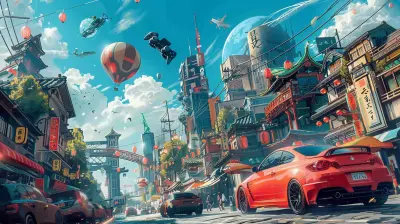
Using AI to Enhance Game Content Creation
7 September 2026
Ah, artificial intelligence—once just the stuff of sci-fi movies where robots plotted world domination. Now? It's your new best friend in the world of game development. Yep, AI has officially leveled up. And no, it's not here to steal your job (unless your job is being a boring NPC). Instead, it's here to make creating game content smoother than a speedrunner in full flow.
Whether you’re a solo dev grinding out your dream game in your garage or part of a team trying to hit a release date without losing all your hair, AI is quickly becoming a vital tool in the game dev toolkit.
So grab your energy drink, pop on those headphones, and let’s talk about how AI is basically the cheat code for game content creation.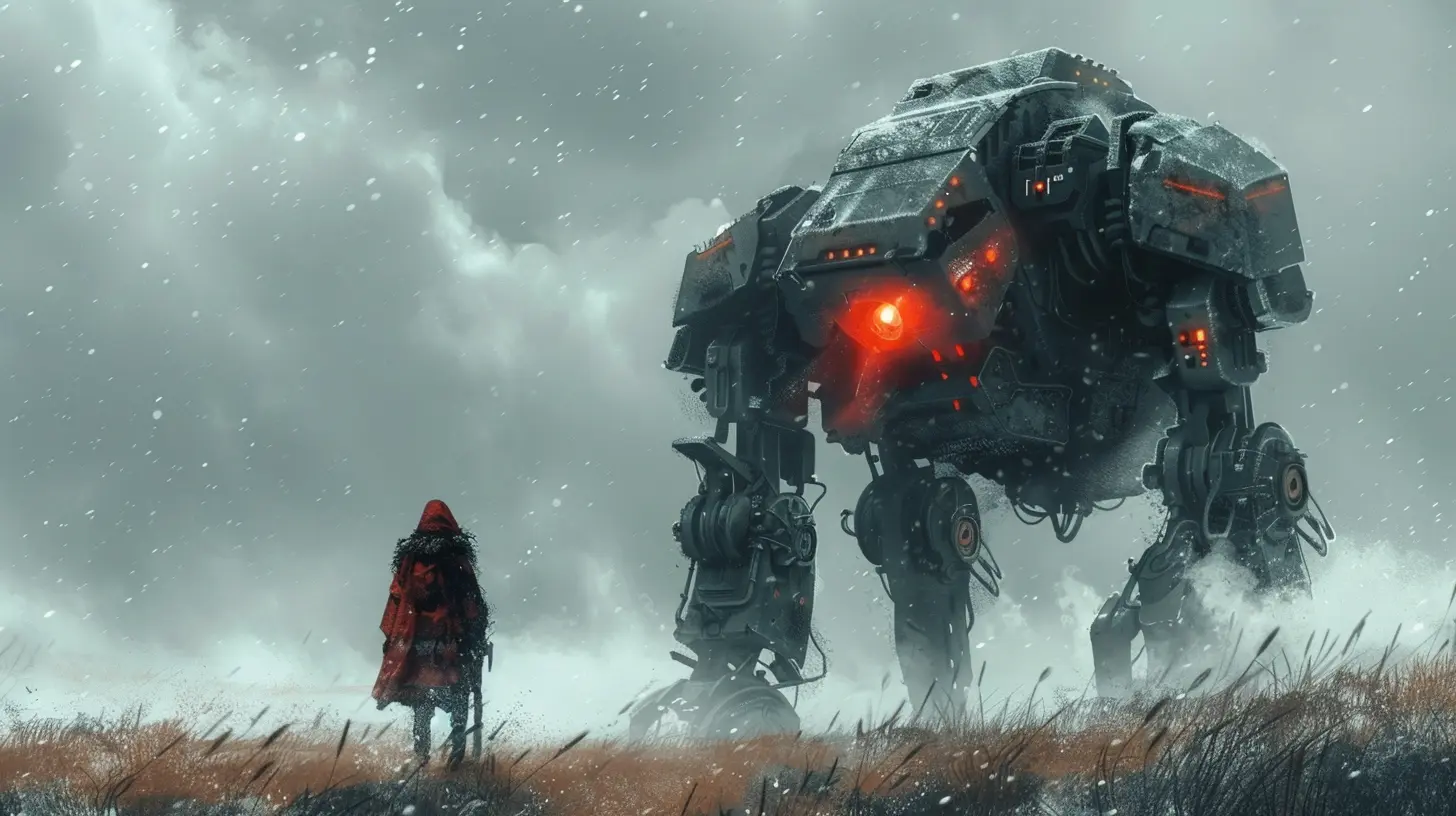
The TL;DR: What Is Game Content Creation?
Before we dive into the AI sauce, let’s backtrack for a second. Game content creation includes everything that isn't the core engine or mechanics of the game. We’re talking:- Art (characters, environments, textures)
- Story and dialogue
- Level design
- Quests and missions
- Music and sound effects
- Cutscenes and cinematics
- Even item names and flavor text!
If you’ve ever spent 2 hours trying to come up with a name for a magical sword that hasn't already been used 800 times... you know how time-consuming content creation can be.
Now picture this: you're staring at your screen, trying to write dialogue for a grumpy blacksmith dragon living in a volcano. Instead of banging your head against the keyboard, you just nudge your favorite AI and say, “Hey, write me something spicy and sarcastic.” Boom. Dialogue done. You? Still sane.
How AI is Changing the Game (Literally)
Now that we’ve covered what game content is, let’s break down how AI fits into all this. Spoiler: it's not just doing boring backend stuff—it’s got some serious creative chops.1. AI-Generated Art: Because Drawing 900 Goblins Ain’t Fun
Okay, let’s be real. Drawing one goblin is fun. Two? Cool. Three hundred? Nah, bruh. AI art tools like Midjourney, Stable Diffusion, and DALL·E let artists whip up concepts faster than ever. Need backgrounds? Weapons? Weird monster hybrids? Just type a few keywords and bam—instant inspiration.Now, does AI art need human touch-ups to avoid uncanny valley nightmares? Absolutely. But it saves hours of time and gives overworked artists a jumping-off point. Think of it as your chaotic intern who drinks too much coffee and cranks out wild ideas in seconds.
2. Procedural Generation on Steroids
Procedural content ain’t new. Games like Minecraft, No Man’s Sky, and Diablo have been doing it for years. But now, with AI algorithms involved, the randomness gets smart.Imagine a rogue-like dungeon that not only changes layout every time but adjusts difficulty based on your play style. Or side quests that feel handcrafted but are generated by AI in real-time. That’s no longer fantasy—that’s next-gen design.
AI procedural tools can create:
- Entire open worlds
- Dynamic weather systems
- Quests tailored to your character choices
- Enemies that evolve based on your strategies
It’s like having a dungeon master who somehow knows all your secrets.
3. Dialogue and Story Crafting: AI, The Ultimate Lore Nerd
Writing dialogue is hard—especially if your game has 50+ NPCs and you're trying to make each one sound unique (and not like a clone of Geralt from The Witcher).Enter AI-powered writing tools like ChatGPT (hey, that’s me!), Jasper, and Sudowrite. These tools can help devs:
- Write natural-sounding conversations
- Brainstorm lore and backstories
- Generate side quests with actual narrative depth
- Localize and translate content with contextual awareness
Want an elf bard who's obsessed with pancake metaphors? Done. Need three versions of the same scene, depending on whether the player is good, evil, or just a chaotic maniac who throws chickens off cliffs? AI’s got your back.
4. Sound and Music: Because Nobody Wants to Loop the Same Track 700 Times
A great soundtrack can make a game unforgettable. But composing music for every mood, level, and boss fight? That’s a full-time job and a half. Luckily, AI has started composing music that doesn’t suck (and sometimes even slaps).Apps like AIVA, Amper, and Jukebox can create:
- Ambient background tracks
- Combat music that ramps up with the action
- Boss themes customized to the fight’s intensity
- Mood-based soundscapes that change as the story shifts
And don’t even get me started on sound effects. AI can now generate footsteps, sword clashes, or even the crunch of an alien bug being stepped on (ew, but also... cool?).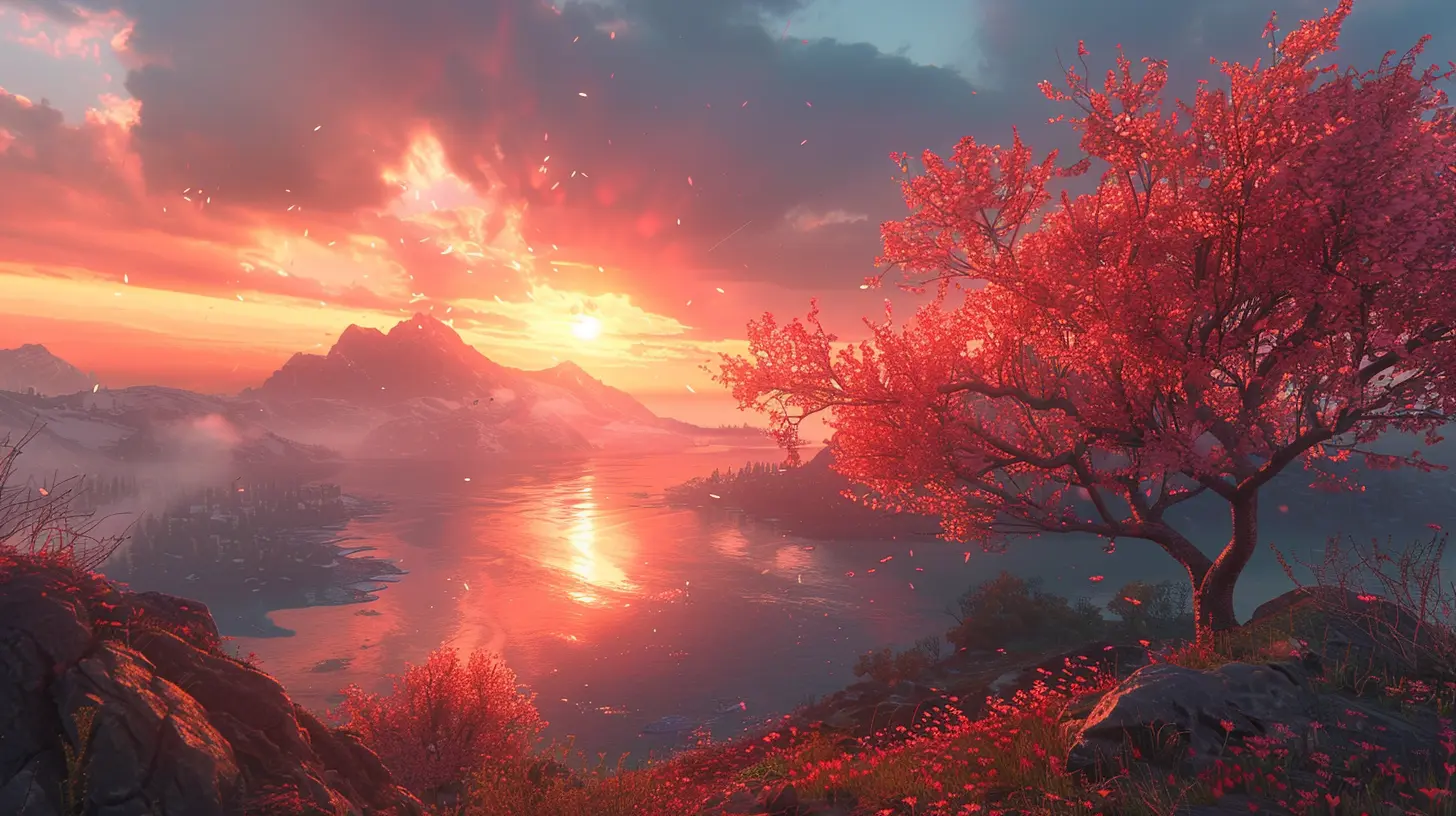
The Human Touch Is Still Important (Trust Me, Skynet)
Let’s clear something up: AI isn’t a replacement for human creativity. It’s not going to write the next Last of Us or design characters as iconic as Mario and Link all on its own. What it can do is be your tireless sidekick—like a caffeinated Clippy who won’t quit until your game looks, sounds, and feels better.AI helps you get unstuck. It fills in the blanks. It handles the grunt work so humans can focus on big-picture stuff like narrative pacing, aesthetic consistency, and making sure your villain doesn’t sound like a Shakespearean ghost trapped in a robot (unless that’s your thing—no judgment).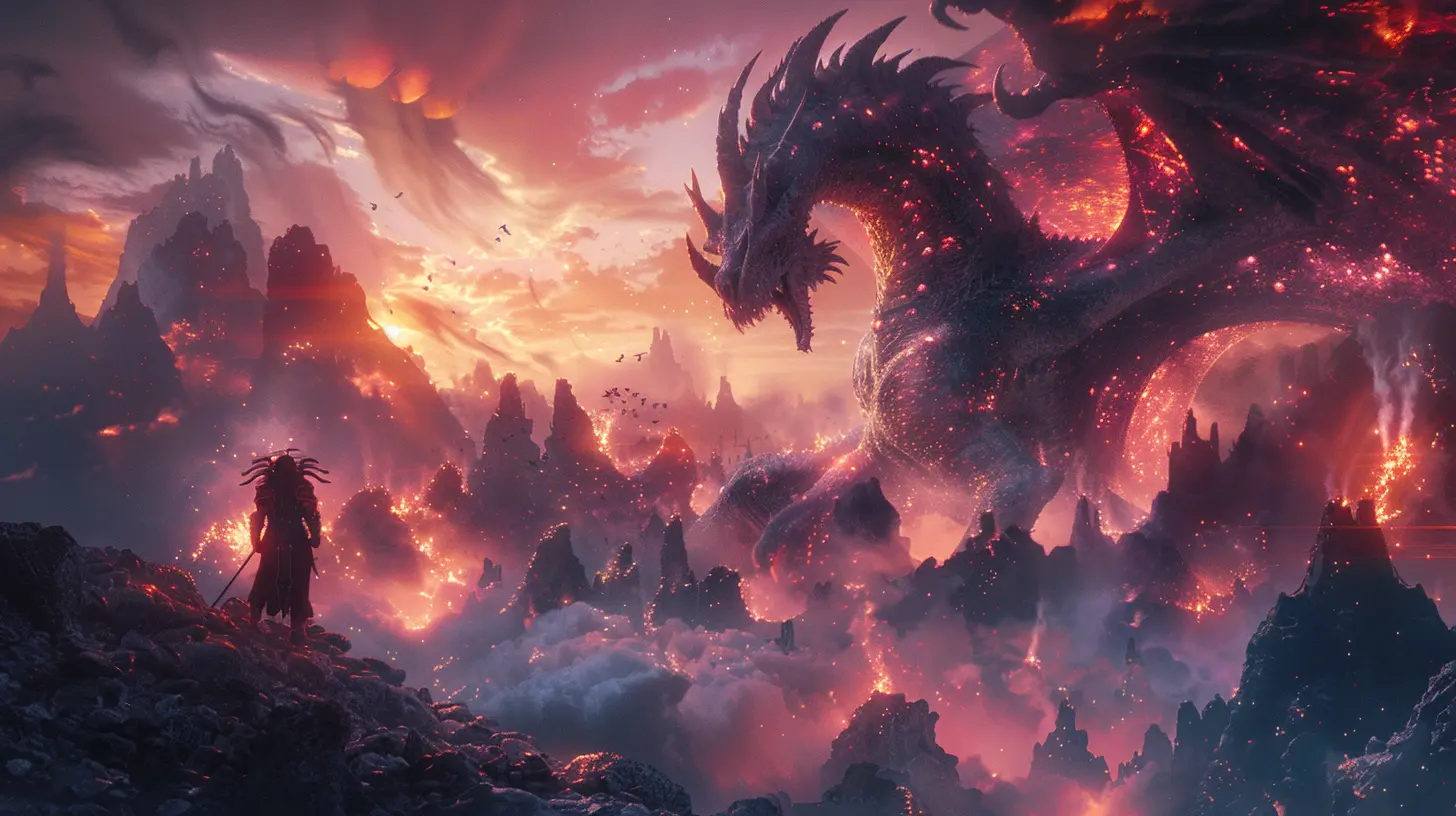
The Downsides: Yeah, Let’s Be Real for a Sec
Not everything about AI is sunshine and perfectly rendered dragons.- Generic Output: AI can be a master of the obvious. Unless you guide it, it might churn out stuff blander than unsalted rice.
- Ethical Issues: Where did the training data come from? Is it pulling from copyrighted work without permission? The lines are murky.
- Overreliance: If everyone uses the same tools, we could end up with a bunch of games that all feel the same—a dystopian future of AI-generated beige.
- Bugs & Glitches: AI might suggest a plot twist where your hero falls in love with a table. Funny? Yes. Functional? Nope.
So yeah, AI is cool, but it needs a wise human overlord—you—to keep it grounded.
Use Cases in Actual Games (a.k.a. This Ain’t Sci-fi Anymore)
Wanna see this stuff in action? Here are some real-world examples where AI is already flexing its muscles:- Ubisoft: They’re using AI to generate realistic dialogue for NPCs, which means fewer “I used to be an adventurer like you” moments.
- Hello Games (No Man’s Sky): Procedural world generation makes every planet unique, with AI helping shape terrain, fauna, and even languages.
- AI Dungeon: A fully AI-driven text adventure where you can literally type anything—and the game rolls with it. Chaos, hilarity, and great storytelling abound.
- Mount & Blade II: Bannerlord: AI helps breathe life into battles, enabling NPCs to make real-time strategic decisions and adapt to your tactics.
The revolution is here, friends. And it’s bringing hyper-intelligent goblins with it.
What the Future Holds (Cue Ominous Synth Music)
We’re just scratching the surface. In the next few years, AI will likely handle:- Hyper-personalized content: Games that adapt based on your past choices, playstyle, or even mood (via your smart watch? Creepy but impressive).
- Real-time narrative branching: Stories that shift in a million directions without having to manually write every single path.
- Emotionally intelligent NPCs: Characters that recognize and respond to player emotions or behavior in a natural way.
Eventually, AI might be like your co-writer, co-artist, co-sound designer, and co-director—all rolled into one digital genius. Maybe even a little too smart. (But hey, if it starts asking about “uploading your consciousness,” maybe unplug it for a bit.)
Practical Tips: How to Start Using AI in Your Game Dev Process
Wanna get your feet wet with AI tools? Here’s a quick starter pack:| Use Case | AI Tool Recommendation |
|----------|------------------------|
| Concept Art | Midjourney, DALL·E, Stable Diffusion |
| Writing & Dialogue | ChatGPT, Jasper, Sudowrite |
| Music & Sound | AIVA, Jukebox, Amper Music |
| Procedural Level Design | Promethean AI, Houdini |
| QA Testing & Bug Reports | TensorFlow + Custom Scripts |
Pro tip: Start small. Use AI for tasks that feel like chores so you can save brainpower for the juicy stuff.
Final Thoughts: AI = Your New Player 2
Sure, AI isn’t perfect. It’s not here to steal your pixel crown or write the next Skyrim on its own. But when used right, it makes game development easier, faster, and heck—a lot more fun.Think of AI as your loyal co-op buddy. It won’t carry the whole game, but it can boost creativity, speed up boring tasks, and give your indie title that AAA sparkle.
So next time you hit a creative wall, don’t rage quit—just hit up your AI pal. Together, you might just create the next big game that has players rage-quitting instead (in a good way!).
all images in this post were generated using AI tools
Category:
Game Content CreationAuthor:

Jack McKinstry
Discussion
rate this article
1 comments
Merida Schultz
So, AI is taking over game content creation? Great, now my favorite characters might start having existential crises about their own purpose. Next thing you know, they'll be asking for therapy and debating who's the real hero...
September 12, 2026 at 4:21 AM
Jack McKinstry
I can see that happening! Imagine a character sitting on a therapist's couch, wondering if they're just a pawn in a player's game. It could add a whole new layer to storytelling... or just some good laughs!