What Makes a Great Video Game Protagonist
14 January 2026
Think about the last video game that totally hooked you. You know, the one where you stayed up way too late, eyes glued to the screen, your controller practically glued to your hands. Chances are, it wasn’t just the action-packed gameplay or jaw-dropping graphics that kept you coming back—it was the protagonist. That one character you lived through, laughed with, and maybe even cried for. So what makes a great video game protagonist? Let’s dive deep into this pixelated rabbit hole.
The Power of Character Connection
At the end of the day, it all boils down to one simple question: Do we care about the character we're playing as? That emotional connection can be the make-or-break factor for a game. If we don’t care about the hero (or anti-hero), even the most polished mechanics can feel flat.Relatability
Ever rooted for an underdog who just won’t quit? Or felt yourself nodding along with a character’s personal struggle? That’s relatability, and it's like gold in storytelling. A great protagonist doesn’t have to be perfect—in fact, flaws make them more human (even if they're slaying dragons or zipping across galaxies).Take Ellie from The Last of Us. She’s not just a survivor—she’s a fully developed character dealing with trauma, loss, and love. She feels real, and that’s why players resonate with her.
Motivation That Matters
A character’s motivation is the fuel driving the game forward. It has to feel authentic. Whether the hero is rescuing a kidnapped sibling, saving the world, or just getting revenge, the reason should be strong enough to make players say, “Yep, let’s go. I’ve got your back.”When a protagonist has a compelling "why," it gives players a reason to invest emotionally—and pushes the narrative engine full throttle.
Personality: The Secret Sauce
Let’s face it: nobody falls in love with a walking blank slate. A memorable protagonist oozes personality. That could be cocky charm, sarcastic wit, stoic determination, or even unsettling intensity.Voice Acting (or Lack Thereof)
Some games go all-in with voice acting to bring their heroes to life. Nathan Drake from Uncharted is a textbook example—his banter, panic yelps, and heartfelt moments all shape a vibrant personality.But even silent protagonists can shine. Just look at Link from The Legend of Zelda. With minimal voice work, players still feel connected, in part because the world reacts so vividly to him.
Humor, Grit, and Everything in Between
We remember characters who make us laugh, cry, and pump our fists in triumph. Kratos in the God of War reboot is a masterclass in emotional transformation—he evolved from a rage-filled god of vengeance to a complex father figure. That growth? It’s pure storytelling gold.
Visual Design That Tells a Story
You might think personality is all about dialogue and story arcs—but design speaks volumes too. A great protagonist looks the part, and every visual detail should hint at who they are.Iconic Looks
Mario’s red cap. Master Chief’s green armor. Lara Croft’s dual-wielding pistols. These visuals are burned into our brains because they match the character’s role and personality so well.Good design isn’t just about being flashy—it’s about being memorable and meaningful. A ragged cloak might whisper about a forgotten past. Scars might hint at past battles. Great character design is like a walking backstory.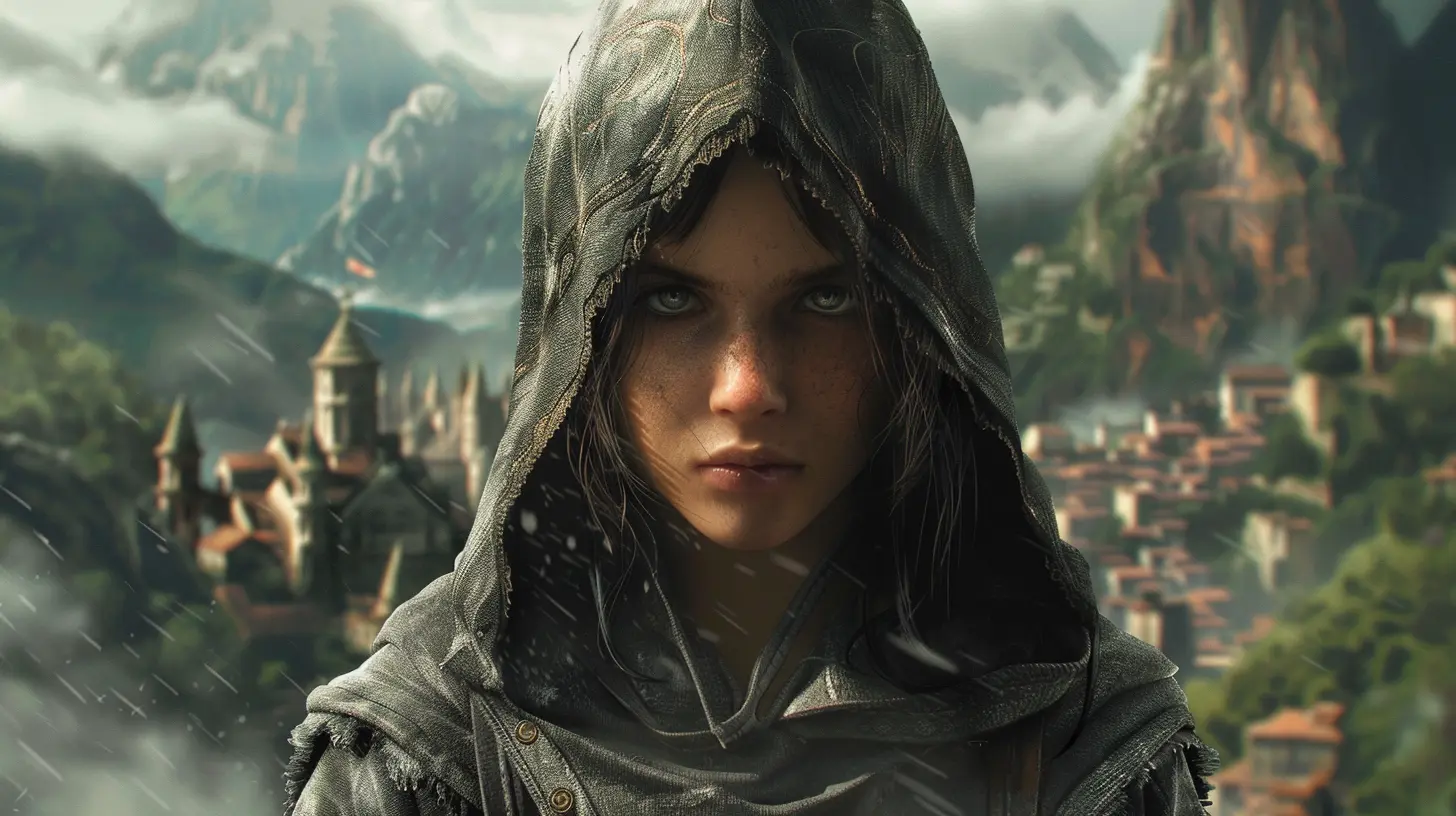
The Character Arc (Yes, Even in Games)
Here's something not every game nails: character development. A static hero is forgettable, but a protagonist who grows and changes over time? That’s the stuff that sticks.From Zero to Hero
Games like Red Dead Redemption 2 show this perfectly. Arthur Morgan starts as a hardened outlaw, but as the story unfolds, layers are peeled back, revealing regret, loyalty, and a desire for redemption.That kind of transformation makes players feel like they’re not just moving through a story—they’re actively shaping it.
Choices and Consequences
Let’s not forget player agency. Some games let you decide how the protagonist evolves. Think of Mass Effect’s Commander Shepard. Your choices can sculpt Shepard into a paragon of virtue or a ruthless renegade, and both paths are valid and emotionally impactful.When the player’s decisions affect the protagonist’s journey, it blurs the line between avatar and individual, and that’s where magic happens.
Gameplay Synergy: When Mechanics Fit the Character
Ever played a game where the character’s abilities felt totally off from who they were supposed to be? That disconnect can kill immersion faster than a bad tutorial.Actions Speak Louder
A great protagonist’s gameplay should reflect their personality and backstory. Batman in the Arkham series moves with calculated precision, using gadgets and stealth—the exact skills you'd expect from the world’s greatest detective.Meanwhile, Doomguy in DOOM doesn’t care about stealth—he's a walking, screaming chainsaw of fury. And it works because it aligns with who he is.
Growth Through Gameplay
Sometimes, mechanics evolve as the protagonist grows. Think of Horizon Zero Dawn’s Aloy, who starts out with basic tools and slowly unlocks more powerful gear and skills. That progression mirrors her development from outsider to savior.When gameplay and story hold hands like that, players get wrapped deeper into the experience.
Relationships That Hit Different
No hero exists in a vacuum. The people around a protagonist help shape their story—and us, the players, feel those bonds too.Side Characters and Support Cast
Whether it’s Garrus from Mass Effect, Atreus from God of War, or Elizabeth from BioShock Infinite, the supporting characters often bring out the best (and worst) in protagonists.Those interactions create emotional layers. You’re not just playing a game—you’re living out connections.
Player-Character Bond
And let’s not forget the bond between the player and the protagonist. That’s where the real magic lives. Games like Undertale mess with that relationship in creative ways, making you question your choices and your impact.A great protagonist often works as a mirror—reflecting back how we, as players, approach challenges, morality, and growth.
The X-Factor: Something You Just Can’t Teach
Alright, let’s be real. Sometimes a protagonist just has that thing—a spark that can’t be broken down into bullet points. It could be voice delivery, iconic lines, a killer design, or just perfect timing in gaming history.Was Geralt of Rivia always destined for greatness? Maybe not. But the blend of stoic sarcasm, moral struggles, and an epic world made him unforgettable.
It’s like cooking. You can follow the recipe to the letter, but sometimes it’s that pinch of magic that takes it to the next level.
Final Thoughts: Why It All Matters
So, why spend so much time talking about protagonists? Because they’re the beating heart of the game.A great video game protagonist isn’t just a character—they’re your guide, your vessel, your partner in pixelated crime. They make the stakes feel real. They give you a reason to keep playing, to see what happens next, to care.
And when done right? They become legends.
So the next time you pick up a controller and step into a new world, pay attention to who you’re walking in the shoes of. Because whether they’re a grizzled bounty hunter in space or a mute farm boy turned knight, it’s the connection you build with them that makes all the difference.
TL;DR – Key Ingredients for a Legendary Protagonist
Just in case you need a quick refresh, here’s a checklist of what makes a video game protagonist stand head and shoulders above the rest:- ✅ Relatable and emotionally engaging
- ✅ Has a clear, compelling motivation
- ✅ Distinctive personality and voice
- ✅ Well-thought-out visual design
- ✅ Character growth and development
- ✅ Gameplay mechanics that match the character
- ✅ Strong relationships with side characters
- ✅ That indescribable “X-factor”
When these elements come together, you’re not just playing a game—you’re living a story.
all images in this post were generated using AI tools
Category:
Game Content CreationAuthor:

Jack McKinstry
Discussion
rate this article
2 comments
Kai McGonagle
A great protagonist: part hero, part relatable mess—like us, but with better graphics!
February 3, 2026 at 4:44 AM
Jack McKinstry
Thank you! A well-rounded protagonist truly enhances the gaming experience, making their journey both inspiring and relatable.
Ulysses Anderson
A great video game protagonist embodies relatability, depth, and growth, allowing players to forge emotional connections throughout their journey.
January 14, 2026 at 4:24 AM
Jack McKinstry
Absolutely! A great protagonist connects deeply with players by showcasing relatable struggles and personal growth, enriching the gaming experience.