When Less Is More: Minimal Game Trailers That Hooked Us
15 September 2026
We’ve all been there — mindlessly scrolling through YouTube or Steam, bombarded by flashy trailers with cinematic explosions, epic monologues, and dramatic orchestras. But out of nowhere, a quiet, unassuming trailer slips in. No voiceover. A handful of scenes. Maybe even silence. And yet... you’re hooked.
It’s the power of minimalism — the art of showing less, but saying more. It’s like the gaming equivalent of a whisper in a noisy room. You can’t ignore it. You lean in.
Let’s dive into the magic of minimal game trailers and why they work. Sit back, grab your favorite snack, and let’s talk about how less really can be more.
The Allure of Minimalism in Game Marketing
So, why do minimal trailers grab our attention?In today’s saturated gaming world, it’s easy to feel overwhelmed. We’re constantly bombarded with game reveals, dev diaries, and hyper-edited trailers designed to shout louder than the next one. But every so often, a game comes along that chooses a quieter path — and that’s what makes it stand out.
Minimal trailers don’t rely on over-the-top editing or jam-packed montages. Instead, they focus on mood. They leave room for curiosity, often raising more questions than they answer. In a world obsessed with instant gratification, minimal trailers offer a mysterious slow burn.
And we, as gamers, love a good mystery.
The Psychology of Curiosity: Why Less Hooks Harder
Think about it. When a game shows you almost everything in a trailer — major plot points, gameplay mechanics, boss fights — what’s left to discover?But when a trailer leaves gaps — visually, narratively, or emotionally — our brains instinctively want to fill them in. It’s basic psychology. Curiosity kicks in, and before we know it, we’re Googling the game, checking Reddit theories, and adding it to our wishlist.
Minimalist trailers use silence, pacing, and suggestion to trigger that response. It’s a clever tactic — and when done right, it’s more powerful than any explosion.
The Anatomy of a Minimal Game Trailer
Before we highlight some fantastic examples, let’s break down what elements make a trailer truly “minimal.”1. Simple Visuals
Often using static shots, subtle animations, or slow camera pans instead of quick edits or action-packed montages.2. Sparse or No Dialogue
Letting the environment, music, and tone speak volumes instead of voiceovers or cinematic cutscenes.3. Ambient or Subtle Sound Design
Sometimes no music at all. Just ambient background noise, footsteps, or a single note — enough to set the mood but not distract.4. Open-Ended Narrative Hints
Leaving just enough breadcrumbs to suggest a story without fully revealing it.Minimal trailers are about restraint. Every frame is intentional, every second a choice. And that makes them unforgettable.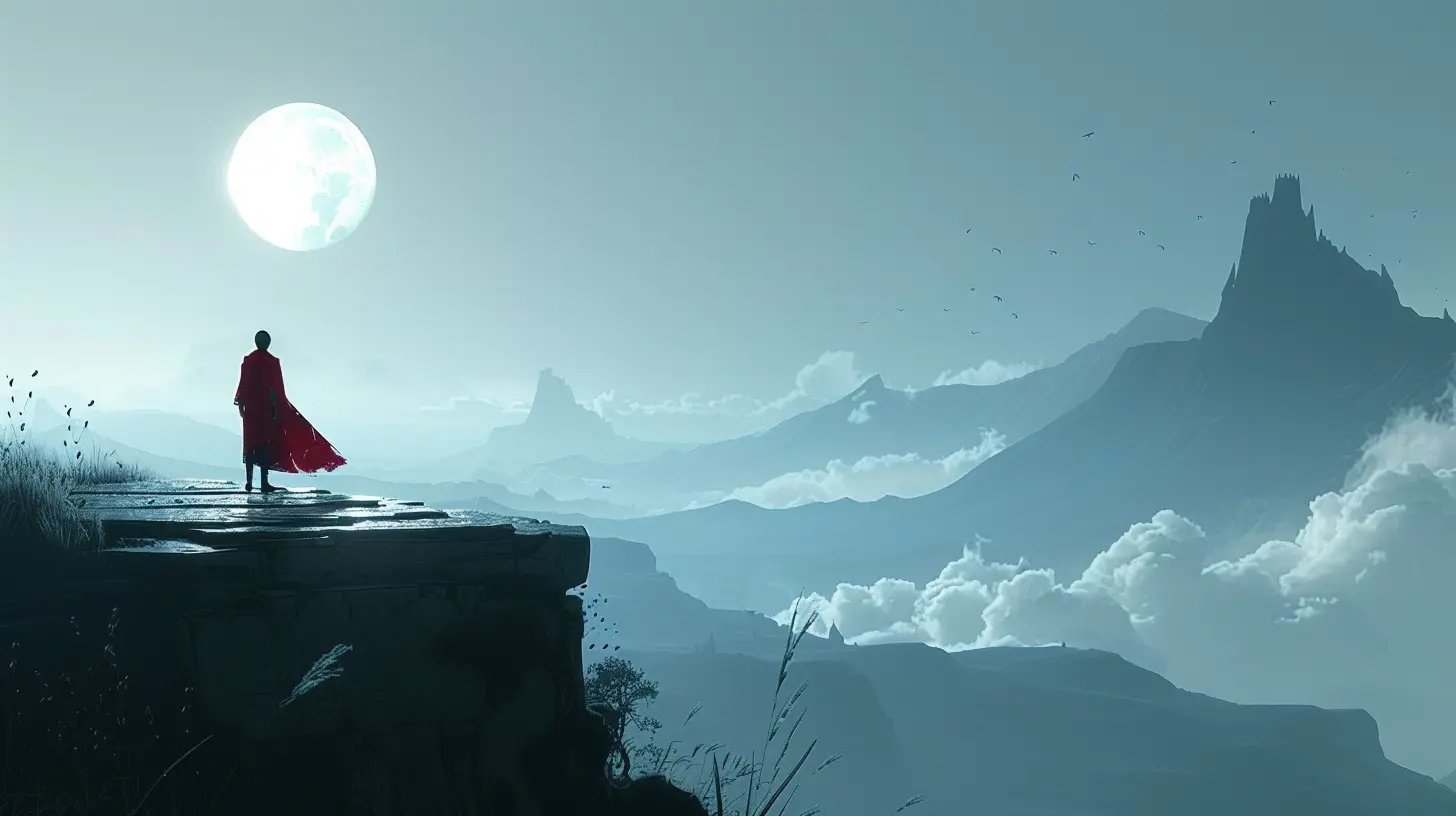
Minimal Game Trailers That Nailed It
Let’s look at some of the best minimal trailers that seriously got us hooked. These are prime examples of less being, well, way more.1. Firewatch – Announcement Trailer
Imagine a trailer with no bombastic orchestral cues, no high octane cuts — just a walk through the forest and a calm voice asking, “So... what’s wrong with you?”The Firewatch trailer set the tone immediately: a mysterious communication between two fire lookouts, Henry and Delilah, with stunning visuals of the Wyoming wilderness. The questions linger long after the trailer ends.
What’s going on? Who are these people? What’s Henry running from?
The minimalism in visual storytelling and dialogue sparked intense curiosity and emotional investment right from the get-go.
2. Inside – Reveal Trailer
Playdead has a knack for mystery, and the Inside trailer is a masterclass in keeping things cryptic.No dialogue. No obvious gameplay explanation. Just a boy running through eerie, desaturated environments with hauntingly quiet sound design.
There’s a sense of danger, of urgency, of dystopia — but it never explicitly tells you why. You just know you want to find out. That restraint made Inside a must-buy for countless gamers.
3. Death Stranding – First Teaser
Hideo Kojima’s brainchild dropped one of the most talked-about trailers in gaming — and it made barely any sense.But it was beautiful. A naked Norman Reedus, a baby, and a beach full of dead sea creatures. No words. Just raw intrigue.
Sure, most people had no idea what they were watching, but that didn’t matter. The trailer was bold in its confusion — and that alone was enough to stir endless online debate.
Mystery gets people talking. And when Kojima talks mystery? The internet listens.
4. Journey – Debut Trailer
Journey’s first trailer was perfectly on-brand for a game about — well, the journey, not the destination.Minimal controls, minimal UI, and a trailer that reflected that ethos. No voice, no narration — just haunting music, sweeping desert vistas, and a solitary figure in a robe.
That simplicity was the story. And it worked because it mirrored the quiet, meditative tone of the game itself. It wasn’t trying to sell; it was inviting you in.
5. Hollow Knight – Reveal Trailer
The original trailer for Hollow Knight showed just enough of the fluid gameplay and dark world to spark interest, without overloading the viewer.There were no flashbangs, just snippets of combat and an eerie, melancholic soundtrack. It didn’t boast. It didn’t scream “BUY ME!”
Instead, it whispered, “There’s something down here... want to check it out?”
We did. And we weren’t disappointed.
Why Developers Sometimes Choose the Minimal Path
Let’s get real — why would any game developer not go all out in their trailer?A few reasons:
Budget Constraints
Small studios or indie devs might not have the resources for high-end cinematic trailers. Minimal trailers are often more achievable and can still be powerful.Artistic Intent
Some games just aren’t meant to be shown off loudly. A quiet story, a personal journey, or a unique gameplay loop might lose its charm in a big-budget trailer format.Stand Out From the Noise
When everyone’s shouting, the whisperer gets noticed. Being minimal is a marketing strategy in itself.Curating Experience
Developers might want the player to experience the world firsthand, not through a trailer. So they give you just enough to be curious.The Risks of Minimalism (And Why It’s Still Worth It)
Of course, going minimal isn’t without its risks. If you show too little, people might scroll past. If things are too cryptic, some might get confused or put off.But here’s the thing — the right kind of gamer loves the chase. The mystery. The vibe.
Minimal trailers often attract players who value art, storytelling, and experiences. And those players become loyal fans.
How to Craft a Minimal Trailer That Works
Alright, let’s say you’re a developer reading this. How can you pull off a minimalist trailer that actually connects?Here are a few tips:
- Start With Mood Over Mechanics: Establish atmosphere first. Let the player feel what the game is about without spelling it out.
- Limit Dialogue: If you need to include voice lines, make every word count. Silence can often say more.
- Use Music Thoughtfully: A single haunting melody can do more than a full soundtrack.
- Don’t Over-Explain: Trust your audience. Gamers are smarter than they’re often given credit for.
- Make Every Frame Count: You don’t have the luxury of fluff. Precision is your friend.
The Future of Minimal Trailers
As gamers become more savvy and trailers become more ubiquitous, minimalism might just become the new trend — not because it’s easier, but because it builds stronger emotional connections.And as more indie developers break through the noise with unconventional marketing, we’re likely to see more trailers that invite players to feel before they play.
Final Thoughts
In a world obsessed with saying more, showing more, and selling more — sometimes the best move is to step back.Minimal game trailers have a way of speaking directly to the soul of a gamer. They don’t beg for attention — they earn it. They let the game breathe. And in that breath, we fall in love — not with graphics or explosions, but with potential.
So next time you come across a quiet little trailer that shows you almost nothing... pay attention. It might just be showing you everything that really matters.
all images in this post were generated using AI tools
Category:
Game TrailersAuthor:

Jack McKinstry