Access vs Ownership in the Age of Gaming Subscriptions
17 December 2025
Welcome to the golden age of gaming—where having fun doesn’t mean owning a physical disc or even downloading a digital file. Instead, it's all about access. With Xbox Game Pass, PlayStation Plus, EA Play, and other gaming subscription services taking over, we’re all being nudged into a new way of experiencing games.
But here's the million-dollar question: Are we truly okay trading ownership for access?
Whether you're a casual gamer, a die-hard collector, or someone just dipping their toes into the gaming world, you've probably had this internal debate. Let's peel back the layers of this megatrend and figure out what we’re really gaining—or possibly losing—with the rise of gaming subscriptions.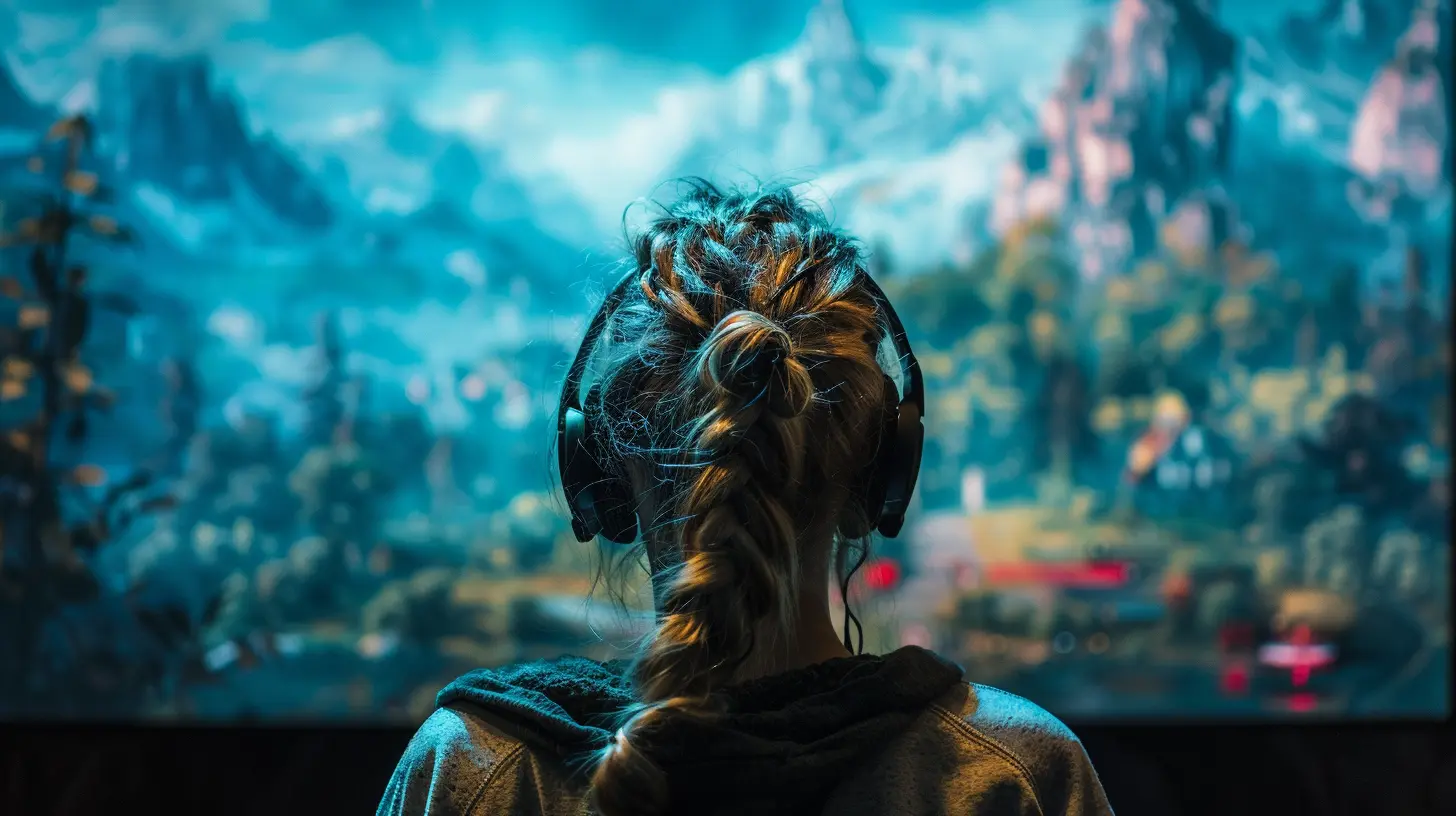
What Is Access in Gaming?
When we talk about having access, we’re talking about the ability to play a game without owning it.Think Netflix, but for video games.
You pay a monthly or annual fee, and in return, you get a rotating library of titles you can play as long as your subscription is active. No downloading physical games, no paying $70 for a single title, no long waits for price drops—just click, download, and play.
Services like:
- Xbox Game Pass
- PlayStation Plus Extra/Premium
- EA Play
- Ubisoft+
- Amazon Luna
- NVIDIA GeForce NOW
...have made it ridiculously easy for gamers to access a treasure trove of games.
But here’s where it gets spicy: once your subscription ends or a game leaves the service, poof—it's gone. You don’t own anything. You just visited.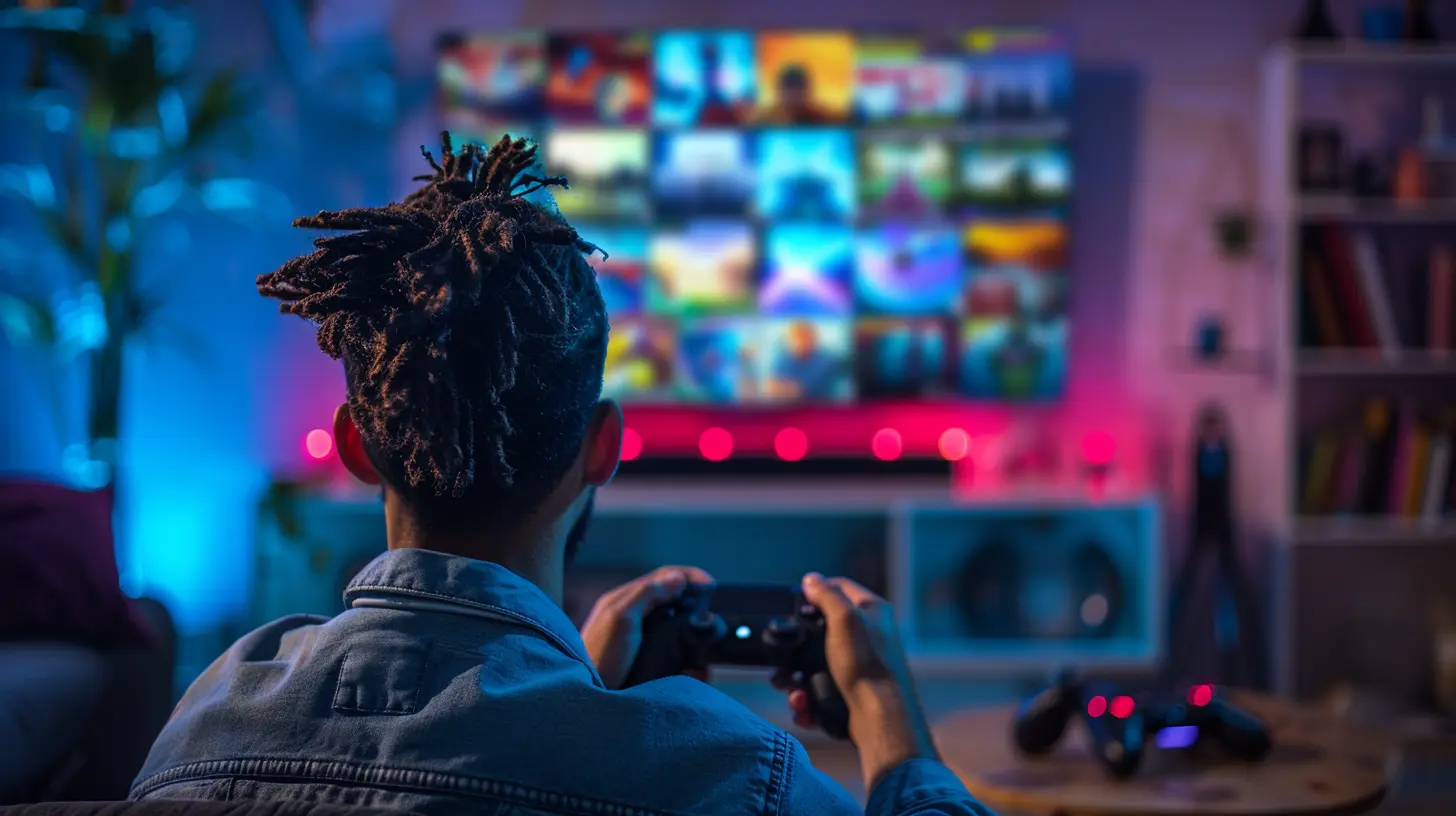
Back in the Day: Ownership Was the Norm
Flashback to the early 2000s (or the '90s if you’re really old school)—gaming was all about ownership.You walked into a GameStop or a Toys “R” Us, dropped some serious cash on a shiny new disc or cartridge, and that game was yours forever. Whether it sucked or was the best thing ever, you owned it.
Owning games meant:
- You could lend it to a friend.
- You could resell it or trade it in.
- You could play it in 10 years when nostalgia hits.
- You didn't worry about it disappearing from your collection.
There's a certain magic in pulling a game off the shelf and reliving memories. You don't get that from a subscription list.
The Benefits of Gaming Subscriptions
Honestly, access does come with some serious perks. Here's why so many gamers are jumping on the subscription bandwagon:1. 🕹️ Massive Game Libraries
With one subscription, you get access to hundreds of games—AAA blockbusters, indie gems, and everything in between. It's like walking into a game store where everything's free… kind of.Game Pass, for example, offers new releases from Microsoft Studios on day one. That alone can make the subscription worth it.
2. 💰 Cost-Effective
Let’s do the math. Instead of spending $70 on one game, you spend $10–$15 a month for access to possibly hundreds. That adds up to big savings, especially if you like to hop between games.3. 🚀 Try Before You Buy
With access, you can test new games without the commitment. Don’t like it? Delete it. Love it? Keep playing or buy it for a discount, depending on the service.4. 🎮 Endless Variety
Some days you're in the mood for a deep, story-driven RPG. Other days, you just want to blow stuff up in a shooter. Subscriptions give you that freedom to switch genres without spending more cash.
The Flip Side: The Value of Ownership
There’s a reason some gamers still shell out for physical or digital copies. Ownership isn’t just about having a game—it’s about control.1. 🗃️ No Subscription? No Problem.
Once you buy a game, it's yours. Play it whenever, wherever, without worrying if it’ll vanish from the cloud.2. 🕰️ Preservation
Gamers are historians too. Some games never make it to subscription platforms. Others get pulled without notice. When you own a game, you're preserving a part of gaming history.3. 🛠️ Modding & Customization
Owning games on platforms like Steam gives you access to modding communities. You can tweak, rebuild, and remix your favorite games—something that’s often blocked in subscription systems.4. 💸 Resale Value
Physical games can be sold, traded, or collected. That’s impossible with digital subscription access.The Emotional Tug-of-War
Let's be real: there’s something emotional about owning a game.It’s like the difference between streaming a song and owning the record. Sure, Spotify is super convenient, but owning that vinyl? That’s something special.
The same goes for games. That emotional connection, that sense of pride in a collection—it's hard to replicate when everything is on a server you don't control.
The Risks of Relying on Access
Here’s where things get tricky.1. 🚫 Games Disappear
One day you’re halfway through a game, the next it’s gone from the platform. Just like that. Unless you buy it separately, you’re out of luck.2. 🔌 Internet Dependency
Most subscription models require an internet connection to verify licenses or stream games. If your Wi-Fi dies, so does your gaming session.3. 🤝 Platform Lock-In
Subscribed to Game Pass? You’re mostly tied to Xbox or PC. PlayStation Plus? You’re not taking those games elsewhere. You build an ecosystem that’s tough to leave.4. 🧾 Never-Ending Costs
Imagine spending $15/month for five years. That’s $900. Did you get $900 worth of gaming? Maybe. But some players would rather pick and choose what they buy than pay a constant fee.A Wild Compromise Appears! (Hybrid Models)
Some publishers are trying to meet us halfway with hybrid models.Ubisoft+, for example, lets you access games AND gives you discounts if you decide to buy. And many PlayStation Plus members get permanent access to titles they claim, as long as they stay subscribed.
We're slowly seeing a blend of access and ownership—kind of like renting to own, except it’s games, not houses.
What Do Gamers Actually Want?
This is where things get personal. Some players crave unlimited access and never replay a game once it's done. Others build libraries they want to show their grandkids one day.There’s no one-size-fits-all solution. But we can break gamers down into a few categories:
- The Explorer: Loves trying new stuff—access rules here.
- The Collector: Wants to own physical or digital copies of favorite games.
- The Power Gamer: Wants early access, DLCs, exclusive perks—sometimes it’s worth owning and subscribing.
- The Nostalgic: Cares about replaying old titles years down the line.
Where do you fall?
The Future: Are We Going Full Subscription?
If we look at trends in other media, gaming might follow suit. Music and TV have shifted almost entirely to streaming. Physical sales are down. Convenience won.But gaming is different. Games are big. Intimate. Expensive to make. Many gamers invest emotional and financial value into them.
The future likely lies in choice.
Gamers don’t want forced subscriptions. They want options—subscribe when it makes sense, purchase when it feels right.
Final Thoughts: The Verdict?
So, access vs ownership—who wins?Well, it's not a deathmatch. It’s more like a tag team. When used wisely, subscriptions are a killer way to expand your horizons and try new things. But when it comes to long-term favorites or rare gems, ownership still holds the crown.
We’re living in a time where you can have both. And maybe that’s the best of all worlds.
So go ahead—subscribe, demo, rent, stream. But don’t forget to grab a few titles and make them yours. Because one day, when your favorite game disappears from the cloud, you’ll be glad it's sitting safely in your personal collection.
all images in this post were generated using AI tools
Category:
Gaming SubscriptionsAuthor:

Jack McKinstry
Discussion
rate this article
2 comments
Blair McMaster
Ownership fosters true connection with our games.
January 11, 2026 at 3:56 AM
Jack McKinstry
Absolutely! Ownership enhances personal investment and emotional ties to games, creating a deeper connection that subscriptions may not fully provide.
Sebastian McVeigh
Embrace the evolution of gaming! Whether through access or ownership, every avenue enhances our experiences, connecting us deeper to the stories and worlds we love.
December 19, 2025 at 3:29 AM
Jack McKinstry
Absolutely! Both access and ownership play vital roles in enriching our gaming experiences and storytelling. Embracing both can lead to a more diverse and connected gaming landscape.