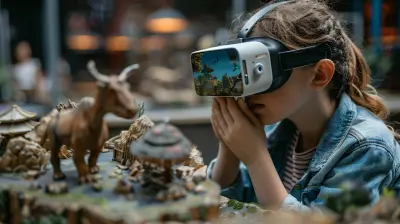
Are AR Games the Future of Interactive Storytelling
25 September 2026
Let’s be honest—storytelling isn’t what it used to be. We’ve come a long way from sitting around a fire, passing tales down word by word, to binging entire story arcs on Netflix or diving into complex storylines in video games. But there’s a new kid on the block that’s quietly rewriting the rules: AR games. Augmented Reality is already changing how we play, but now it’s gunning for how we tell stories. So, the question is—are AR games really the future of interactive storytelling?
Let’s break this down and get into why AR games are more than just cool tech—they’re a storytelling revolution in the making.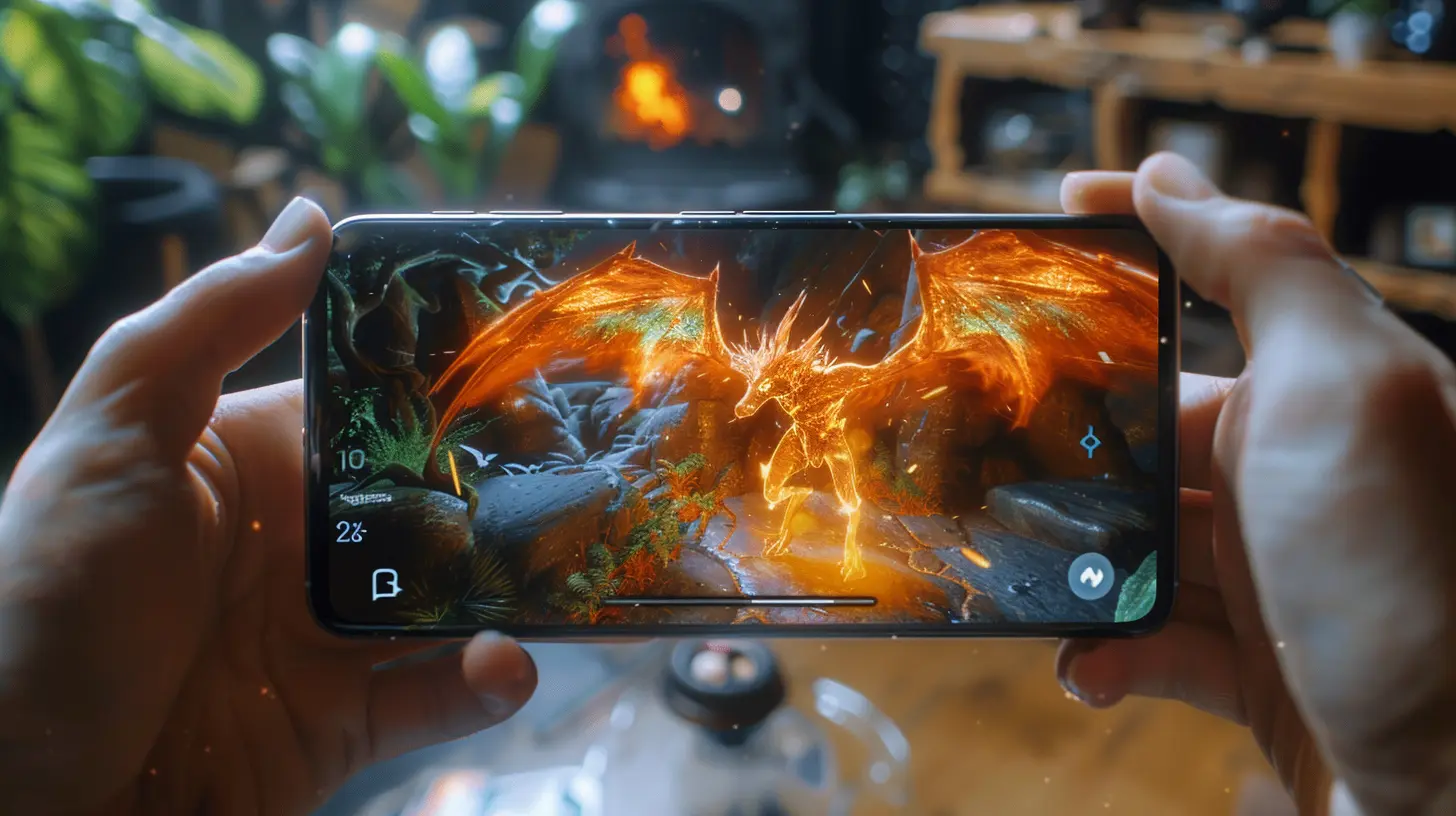
What Exactly Are AR Games?
If you’ve ever chased a Pikachu across your local park playing Pokémon GO, you’ve dipped your toes into the AR game pool. AR, or Augmented Reality, is a technology that layers digital elements onto the real world through a device like a smartphone or AR glasses. Unlike VR (Virtual Reality), which pulls you into a fully digital environment, AR blends the digital with your everyday surroundings.AR games go one step further. They use this tech to create interactive experiences that react to where you are and what you’re doing. AR isn't just about catching critters anymore—it's about shaping narratives that unfold right in front of your eyes.
Storytelling: Then vs. Now
Before we get into the future, let’s rewind a bit.Storytelling has always evolved with technology. Oral tales became books. Books turned into movies. Movies gave rise to video games. Each shift made stories more immersive. But here’s the catch—most of these mediums are still somewhat passive.
Sure, you can control a character in a game or choose a path in a “choose-your-own-adventure” story, but you’re always a step removed from being in the story. AR is knocking on that fourth wall and asking, “Why watch the story when you can live it?”
How AR Games Transform Storytelling
1. The World Becomes the Stage
With AR, your surroundings become part of the narrative. You’re not just looking at a screen—you're part of the plot. Imagine playing a mystery game where clues appear in your actual neighborhood, or a fantasy tale where dragons fly over your office desk. It’s like living in a movie, only you're the hero.This environmental integration creates a depth of immersion that's almost impossible to match with traditional media. It blurs the line between fiction and reality, pulling the player deeper into the story.
2. You’re Not a Player—You’re a Character
In AR storytelling, you don’t just control a character—you become one. Your decisions affect how the story plays out, and your real-world actions develop your character arc. It’s agency on steroids.This is huge for storytelling. Characters no longer exist only in-game—they’re tethered to you. You’re no longer "John the Explorer" in the game; you’re YOU, exploring with purpose, making choices that shape the narrative in real-time.
3. Dynamic, Personalized Narratives
One size no longer fits all. AR games can adapt stories based on your location, behavior, and even previous choices. This personalized narrative thread means no two players have the exact same experience.Think of it as a Netflix show that changes based on your mood, where you go, and what you do. Sounds wild, right? But AR makes it feasible, and it’s already happening.
Real-World Examples of AR Storytelling in Games
Let’s look at what’s out there already pushing this boundary.Pokémon GO
Yep, the classic. It may seem simple, but Pokémon GO was revolutionary. It turned your local streets into a digital playground and added a thin but evolving narrative layer over time—special quests, mysterious characters like Professor Willow, and seasonal story-driven events. It showed us how even a light story in AR can engage millions.Harry Potter: Wizards Unite (R.I.P.)
Though it didn’t last as long as its Pokémon sibling, this game was another step forward. Players joined magical factions and completed quests tied directly to Harry Potter lore, all while walking through the Muggle world. It attempted deeper narrative threads and showed how AR could bring a beloved universe to life.The Walking Dead: Our World
This one made surviving a zombie apocalypse unnervingly real. The game used your location to simulate outbreaks in your neighborhood and had an episodic narrative that evolved weekly. You could play solo or team up with others nearby. Storytelling became something you lived and fought through, not just watched.Five Nights at Freddy’s AR: Special Delivery
Horror in your living room? Yeah, it’s as creepy as it sounds. This AR twist on the popular franchise delivered jump scares straight into players' homes. It’s storytelling at its most personal—and terrifying.Why Gamers Are Hooked
Let’s not ignore the obvious—AR games are fun. But it’s not just the dopamine hit of catching a rare monster or unlocking a level. It’s the way these games fuse reality and fiction. It's addictive because it feels real, even when you know it’s not.Plus, AR appeals to the natural curiosity we all have. It rewards exploration and creativity. And with stories baked into the gameplay, there’s always a reason to keep playing beyond just scoring points.
The Challenges of AR Storytelling
Hold up—before we crown AR the king of storytelling, let’s talk roadblocks. Not everything’s sunshine and dragons.1. Tech Limitations
Most AR games require a decent smartphone and a solid internet connection. Not everyone has access to the latest gear, and AR glasses (like Apple’s upcoming Vision Pro) are still pretty niche and expensive.Until AR becomes more accessible, its storytelling potential remains reserved for the few—not the many.
2. Battery Drain & Physical Requirements
Let’s face it, walking around for hours playing an AR game can be exhausting. Not everyone wants their story to demand a workout. Plus, AR apps are notorious battery hogs. You might miss the big plot twist because your phone died. Not ideal, right?3. Safety Concerns
Remember the early days of Pokémon GO where people trespassed, walked into traffic, or got mugged chasing a Squirtle? Yeah. That’s a problem. When stories blend too well with the real world, you risk actual harm if the line between game and reality gets blurred.4. Narrative Depth Still Evolving
AR games today lean heavily on short, bite-sized narratives. There’s potential for deeper stories, but we’re not fully there yet. Writing a compelling, long-form narrative that adapts to real-world variables? That’s a massive challenge, both technically and creatively.The Future Is… Not That Far Off
Despite the hiccups, the future of AR storytelling is crazy bright. Here’s what’s on the horizon:Smarter AI
AI-driven NPCs (non-playable characters) that respond to your mood or behavior? That’s coming. Imagine a detective game where the suspects react differently depending on how you interrogate them in AR.Cross-Platform Integration
AR games could soon sync with your smart glasses, fitness tracker, and even your smartwatch to create truly immersive, cross-device narrative experiences.Mixed Reality Worlds
Think Ready Player One, but in your living room. You’re reading this now, but in a few years, you might be inside the blog post. That’s the insane level AR is heading toward—a complete merger of reality and fiction where storytelling breaks every limitation.Why AR Games Deserve the Spotlight
At their core, AR games are about one thing: putting YOU into the story. Not as a spectator, not as a controller, but as a living, breathing part of the narrative.That’s powerful. We’ve always wanted stories we could touch, feel, and shape. AR just might be the magic wand we’ve been waiting for.
So, are AR games the future of interactive storytelling?
Well, let's just say the next chapter is going to be wild—and you’ll be walking right through it.
Final Thoughts
We’re not just talking about games anymore. We’re talking about a shift in how we experience stories. AR is the bridge between reality and imagination, and it’s changing the game for storytelling—literally.So next time someone tells you gaming is just a hobby, remind them: it might just be the future of how humanity tells its greatest stories.
all images in this post were generated using AI tools
Category:
Augmented Reality GamesAuthor:

Jack McKinstry