Designing a Game Without Traditional Objectives
17 September 2026
So, let’s get a little weird, shall we? You’re probably here because you’re either a game dev maverick ready to toss the rulebook out the window, or you’re a curious gamer who’s wondered, “Why do games have to have a goal?” Either way, buckle up—it’s going to be a gloriously aimless ride into the world of games where winning isn’t the point, and losing might not even be an option.
Welcome to the uncharted territory of games without traditional objectives. No checkpoints. No final bosses. No leaderboard-laced rat race. It's the equivalent of wandering through a magical forest with no map and no pressure to reach the other side—and that might just be the point.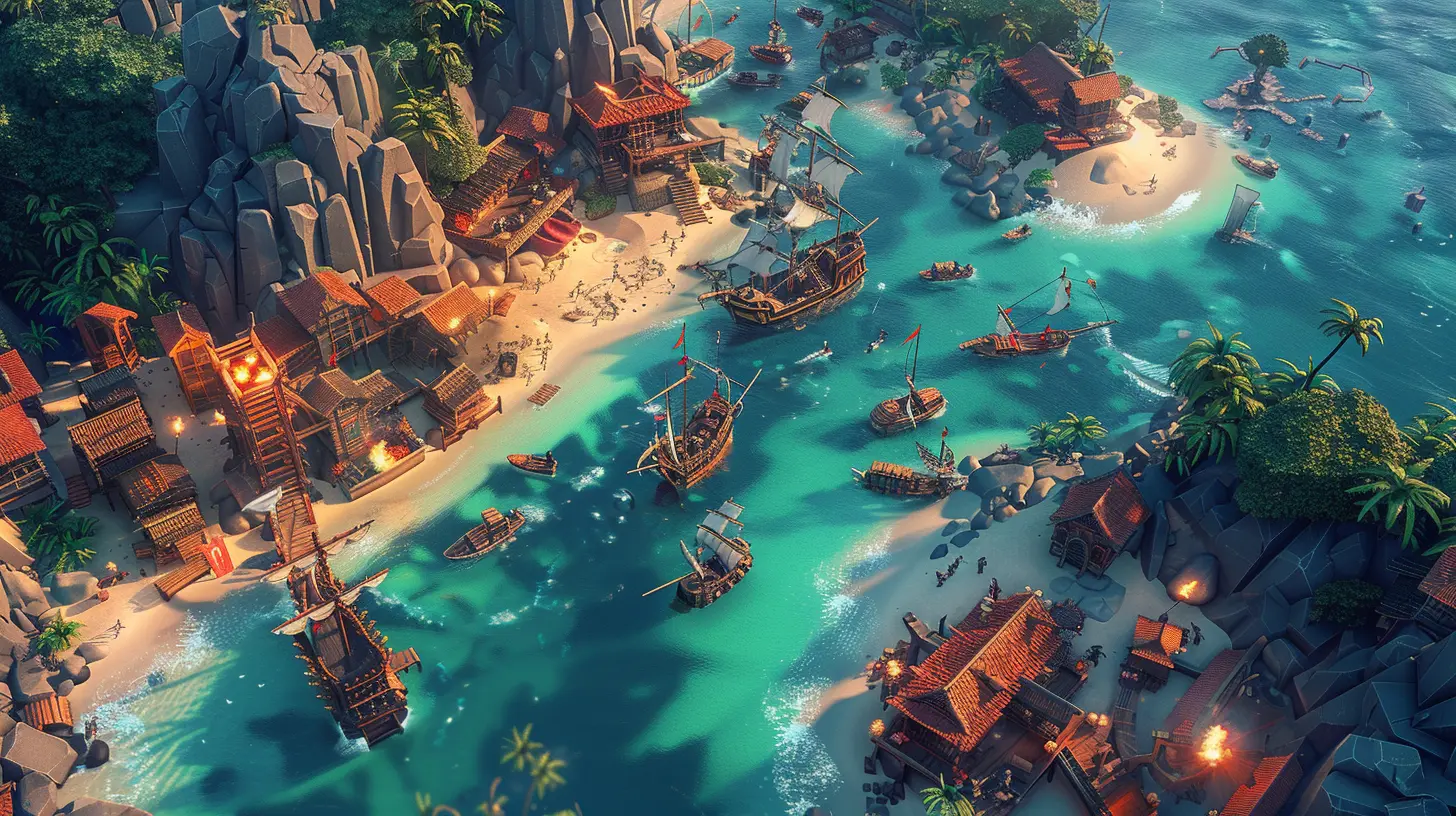
Wait, What Do You Mean “No Objectives?”
Let’s clear this up first. When we say “no traditional objectives,” we mean no clearly defined missions, no big "MISSION COMPLETE" screen, no trophy shelves screaming, “YOU DID IT!”We're talking about games that are more about the experience than the end. They invite players to explore, create, feel, or just be in the game world.
Think of it as sandbox meets daydream. Weird? Maybe. Relaxing? Absolutely. Revolutionary? You bet.
The Rise of the Objective-less Game
Let’s be real—most of us grew up chasing coins, crushing enemies, and leveling up. That’s gaming 101, right? But over the last decade, there’s been a noticeable shift in what players crave. Some want more than just a grind or a glory-fueled leaderboard.Enter games like:
- Minecraft (Creative Mode) – Pure freedom to build or break.
- Journey – A poetic pilgrimage with no clear "you win" moment.
- Animal Crossing – Where the most pressing goal is deciding where to place your couch.
- Proteus – A beautiful world that reacts to your presence, not your progress.
These games don’t hold your hand—they don’t need to. Instead, they whisper, “Hey, come hang out for a while,” and that’s more than enough.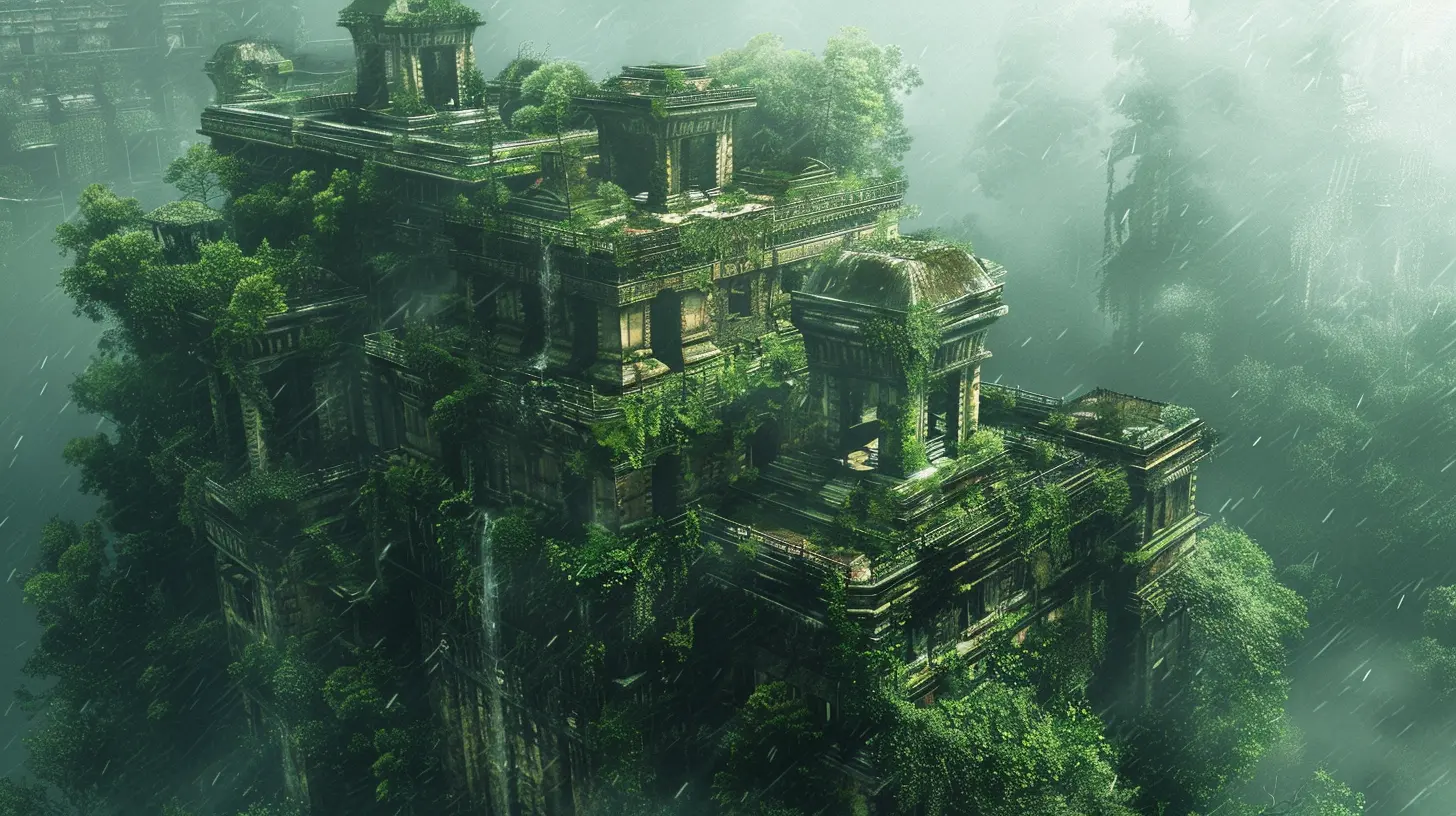
Why Toss Out the Objectives?
Good question. Here's the thing—objectives can be limiting. Linear. Sometimes, they’re even exhausting.Would you want every book you read to end with a moral? Every movie to wrap in a neat little bow? Nope. So why do we expect that from games?
Removing traditional goals invites player agency. It puts you in the driver’s seat, but doesn’t care where you’re going. It prioritizes:
- Curiosity over Completion
- Play over Performance
- Emotion over Efficiency
And that’s where the magic happens.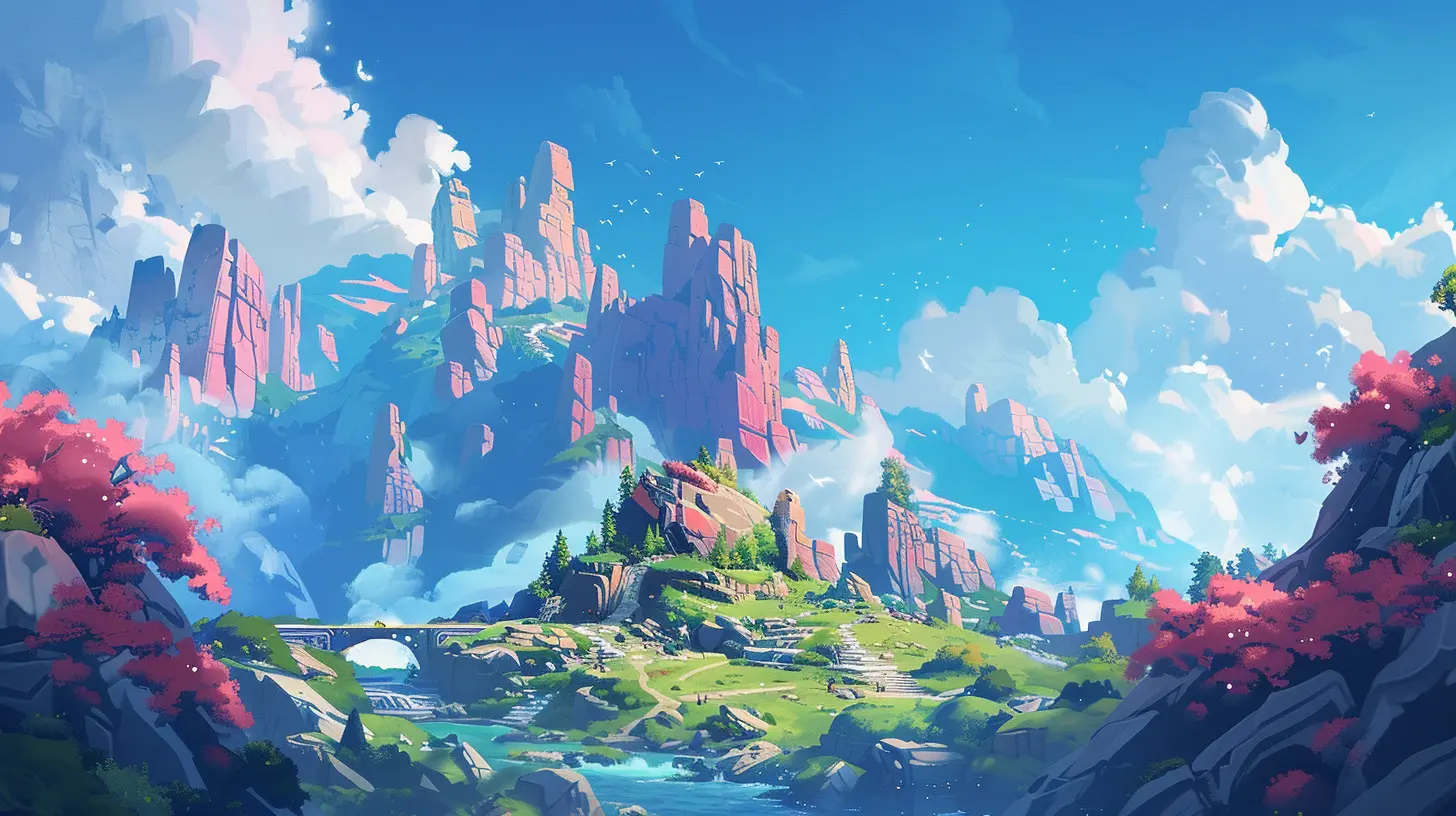
Designing a Game Without Objectives: The Essentials
Alright, devs, this is your playground. Let’s break down the toolkit for crafting a goal-free experience that still hooks players.1. Build a World That Feels Alive
If you’re not directing players with missions, your game world needs to hold their interest on its own. That means:- Dynamic environments (changing weather, ambient sounds)
- Interactive elements that respond to player behavior
- Layers of discovery (hidden secrets, evolving landscapes)
Your game world should feel like it continues with or without the player. That’s the secret sauce.
2. Embrace Emergent Gameplay
Give players tools, a space to play, and then get out of the way. Let them surprise you. Emergent gameplay is all about unexpected interactions between game systems.Think of it like giving someone LEGO bricks rather than a set of instructions. They might build a spaceship, a toaster, or a llama. Who cares? It’s their journey.
3. Foster Player Creativity
The absence of rules often leads to the most creative playstyles. Encourage art, storytelling, and expression through:- Build mechanics (housing, terraforming, crafting)
- Music or visual tools
- Customizable avatars or environments
Let players leave their mark.
4. Lean Into Atmosphere and Emotion
Without objectives pushing them forward, players will naturally slow down and soak in the mood. So, make sure it’s worth soaking.Use:
- Ambient music that evolves over time
- Environmental storytelling (a broken statue, a faded sign)
- Subtle narrative breadcrumbs (if you want to hint at something deeper)
Your goal is to immerse, not instruct.
5. Redefine Success
What if success wasn’t measured in XP or kill counts? In these games, success is feeling something. Maybe it’s peace, awe, or childlike wonder. Create moments that evoke emotion. That's the new win condition.But… Will People Actually Play It?
Oh yes, they will. People crave breaks from the constant hustle. The beauty of games without objectives is they tap into a very human need: the freedom to explore without pressure.These games become digital retreats. They’re the equivalent of an open meadow after a long day in the city. And in our always-on world, that’s gold.
Challenges You’ll Face (and How to Beat Them)
Okay, let's not paint it all sunshine and stardust. Designing games without traditional goals is challenging. Here's what might trip you up—and how to flip it.Challenge 1: Players Might Feel Lost
Without direction, some players flail.Fix: Provide subtle guidance through environment design. A winding path, a flickering light, a curious sound—these gentle nudges can replace quest markers.
Challenge 2: There’s No Core Gameplay Loop
Players love feedback loops—they need that “do a thing, get a response” rhythm.Fix: Create micro-interactions that feel rewarding. A flower blooms when you sing. A rock hums when you touch it. Small loops can be powerful.
Challenge 3: Replayability Can Suffer
Without goals, what brings players back?Fix: Make the world dynamic. Weather changes. New areas are unlocked over time. Maybe even seasonal events or procedurally-generated elements.
Real-Life Examples That Nailed It
Let’s spotlight a few legends that danced beautifully without direction:? A Short Hike
You're a bird. You walk around. You talk to other animals. You find feathers. There’s technically a goal—but no pressure to chase it. It’s bite-sized brilliance.? SoundSelf
This one’s trippy. You hum into a microphone, and the world reacts with sounds and visuals. It’s more meditation than game, and it’s oddly therapeutic.? Eastshade
Play as a traveling painter in a lush, open world. Your brushes are your weapons, and your mission? Make art. That’s it. And it works so well.Why These Games Matter (And Why Yours Will Too)
Games without objectives remind us of why we fell in love with games in the first place. Not for the trophies. Not for the stats. But for the joy of play.They strip away the noise and bring us back to something primal—wonder and curiosity. And in a world obsessed with results, these games are a rare space where the only thing you need to do is... exist.
Design Tips to Wrap Your Brain Around
Let’s hit you with some rapid-fire advice to keep in your designer toolkit:- Think environments first, mechanics second.
- Let sound design do more storytelling than NPC dialogue.
- Use player curiosity as your “game progression.”
- Playtest with people who aren’t gamers. See what delights them.
- Don’t be afraid of stillness. Silence can speak volumes.
Final Thought: Not All Those Who Wander Are Lost
When you design a game without traditional objectives, you’re giving players a permission slip to wander. And that’s kind of poetic, isn’t it?You’re inviting them into a world where they don’t have to “be the hero” or “save the kingdom.” They can just be. And maybe, just maybe, that’s the most meaningful game design of all.
Who says “winning” is the endgame anyway?
all images in this post were generated using AI tools
Category:
Game Content CreationAuthor:

Jack McKinstry