Designing Collectibles Players Will Actually Want
28 August 2026
Designing collectibles for games isn't just about slapping some shiny loot on-screen and calling it a day. It's an art. A delicate dance between game mechanics, psychology, and pure player delight. If you've ever wondered why some collectibles become obsessions while others are forgotten in seconds, you're in the right place.
In this article, we're diving deep into what makes in-game collectibles truly desirable. We're talking about everything from visual flair to emotional triggers and the psychology behind why players chase after certain items like a cat after a laser pointer. Ready? Let’s geek out.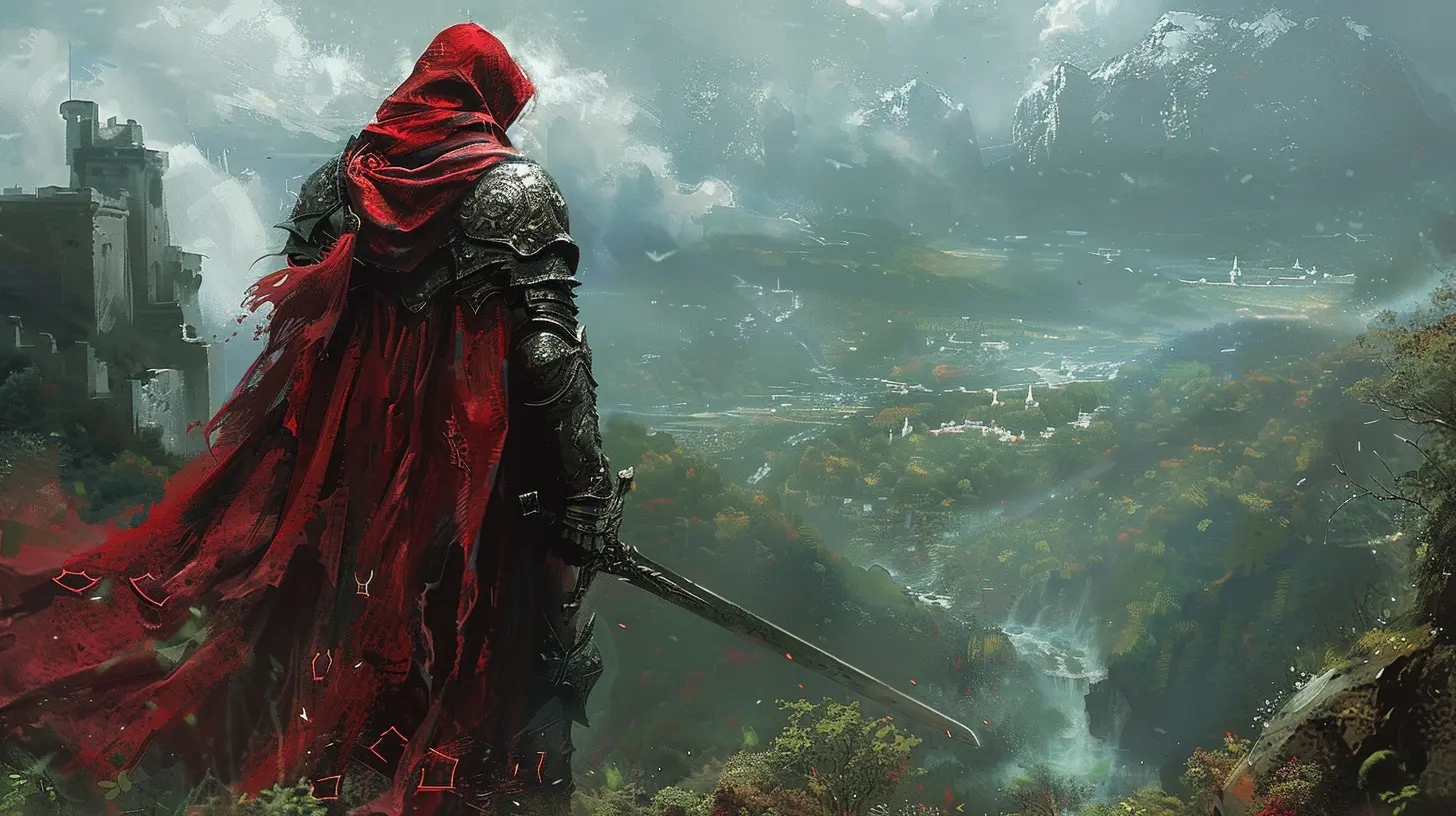
Why Collectibles Matter in Games
Collectibles aren't just filler. When done right, they can breathe life into your game world. Think about it—what’s the difference between a soulless fetch quest and one that hooks you for hours? It’s often that shiny reward waiting at the end.But more importantly, collectibles tap into a player’s core motivations: completionism, curiosity, status, and storytelling. They keep players coming back, not just to play, but to hunt.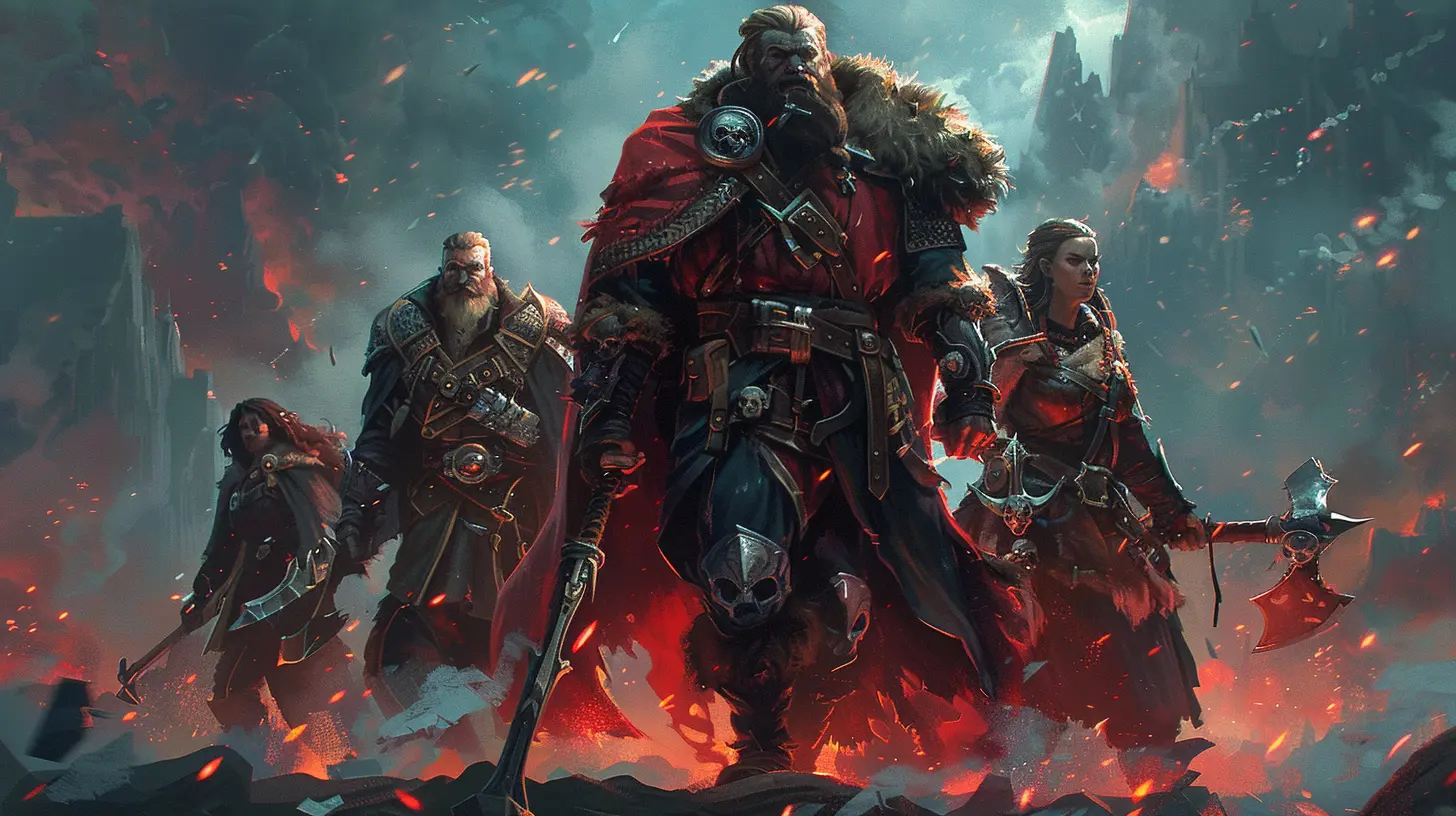
The Psychology Behind Collecting
Let’s get inside the player’s head for a second.1. Completionism: The Inner Collector Is Real
Humans love to complete things. Ever felt that irresistible urge to fill in an empty slot in a grid? That’s completionism tickling your brain. Games like Pokémon or Assassin’s Creed use this to their advantage. Gotta catch 'em all, right?When players see there's a finite number of collectibles, it becomes a challenge. Not collecting them feels like leaving a job half-done—and no one likes that.
2. Ownership and Identity
Ever notice how players love to flaunt rare skins, mounts, or gear? That’s because collectibles give players identity. It’s more than just stats—it's status. Possessing a one-of-a-kind or limited-edition item says, “Hey, I was there. I earned this.”3. Nostalgia & Emotional Connection
Think of the first rare weapon you ever earned in a game. Remember how that felt? That’s the power of emotional attachment. The longer the journey, the stronger the bond. Some items aren’t valuable because they're useful; they're valuable because they mean something.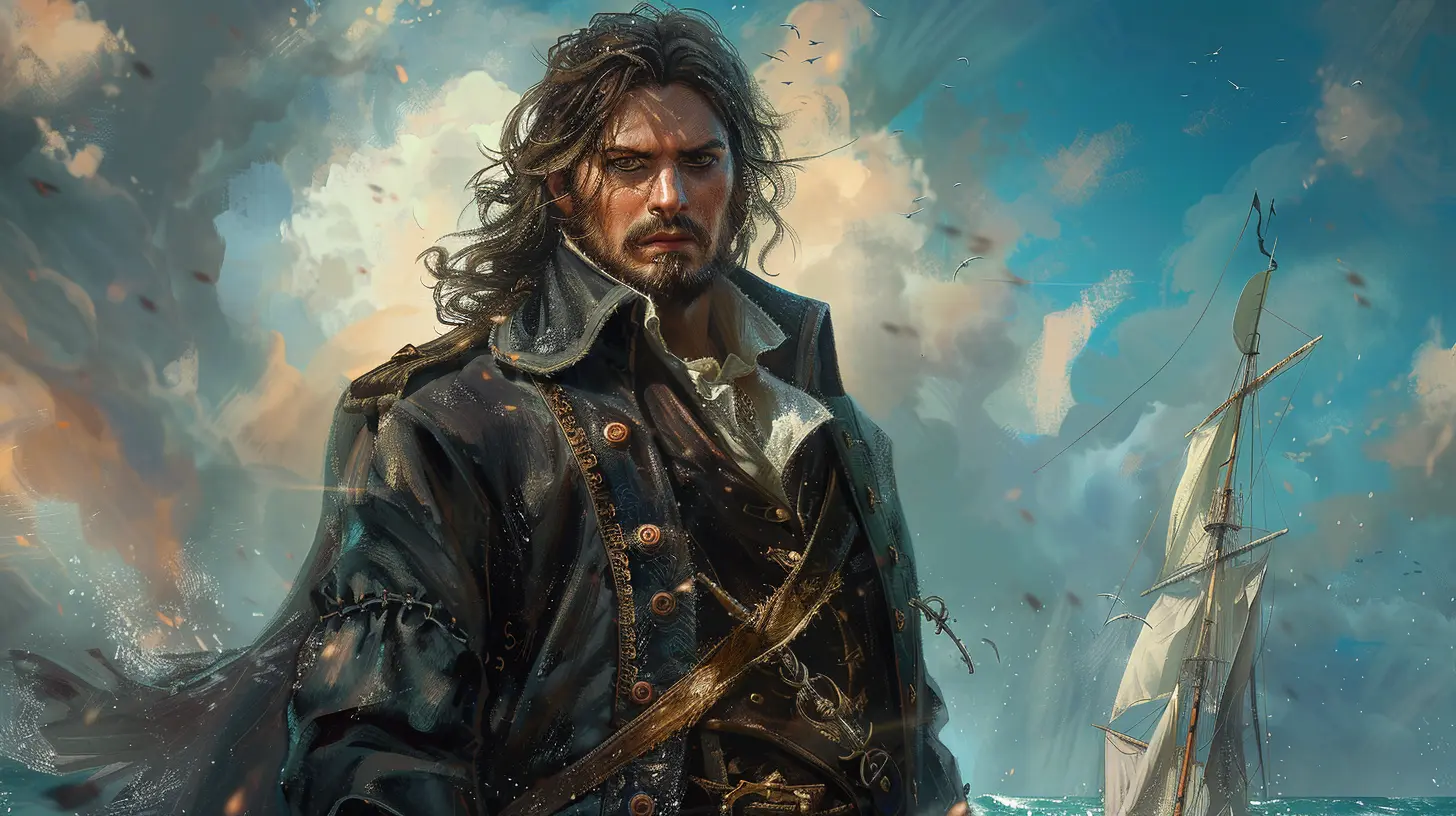
Core Elements That Make Collectibles Desirable
1. Rarity (But Not Too Rare)
Scarcity makes things valuable. But there’s a sweet spot. If collectibles are too easy to get, they feel cheap. If they’re too hard? Players give up. Think of it like fishing—you need just enough fight to make the catch satisfying.Combine drop rates, event exclusivity, or crafting mechanics for controlled rarity. But always keep in mind: frustration is not the same as challenge.
2. Aesthetic Appeal
Let’s be real—if your collectible looks like a soggy sock, no one’s going to chase it. Visual design matters. Strong silhouettes, vibrant colors, and unique animations make a world of difference.Gear that glows, pets that sparkle, and mounts that leave a trail of fire? Yes, please.
3. Utility and Function
Sometimes, good looks aren’t enough—we want gear that does something. Whether it’s a sword with special stats or a mount that boosts travel speed, give your collectible a purpose.Multi-use collectibles have even more staying power. Think of a cosmetic item that also unlocks a special emote or voice line. Small touches go a long way.
4. Story Integration
When collectibles are woven into the game's lore, they instantly feel more special. A tarnished crown tied to a fallen king or a relic from a forgotten civilization? That’s narrative juice that pulls players in.And if collecting items reveals parts of the game’s backstory? Bingo. You’ve created a collectible questline players will crave.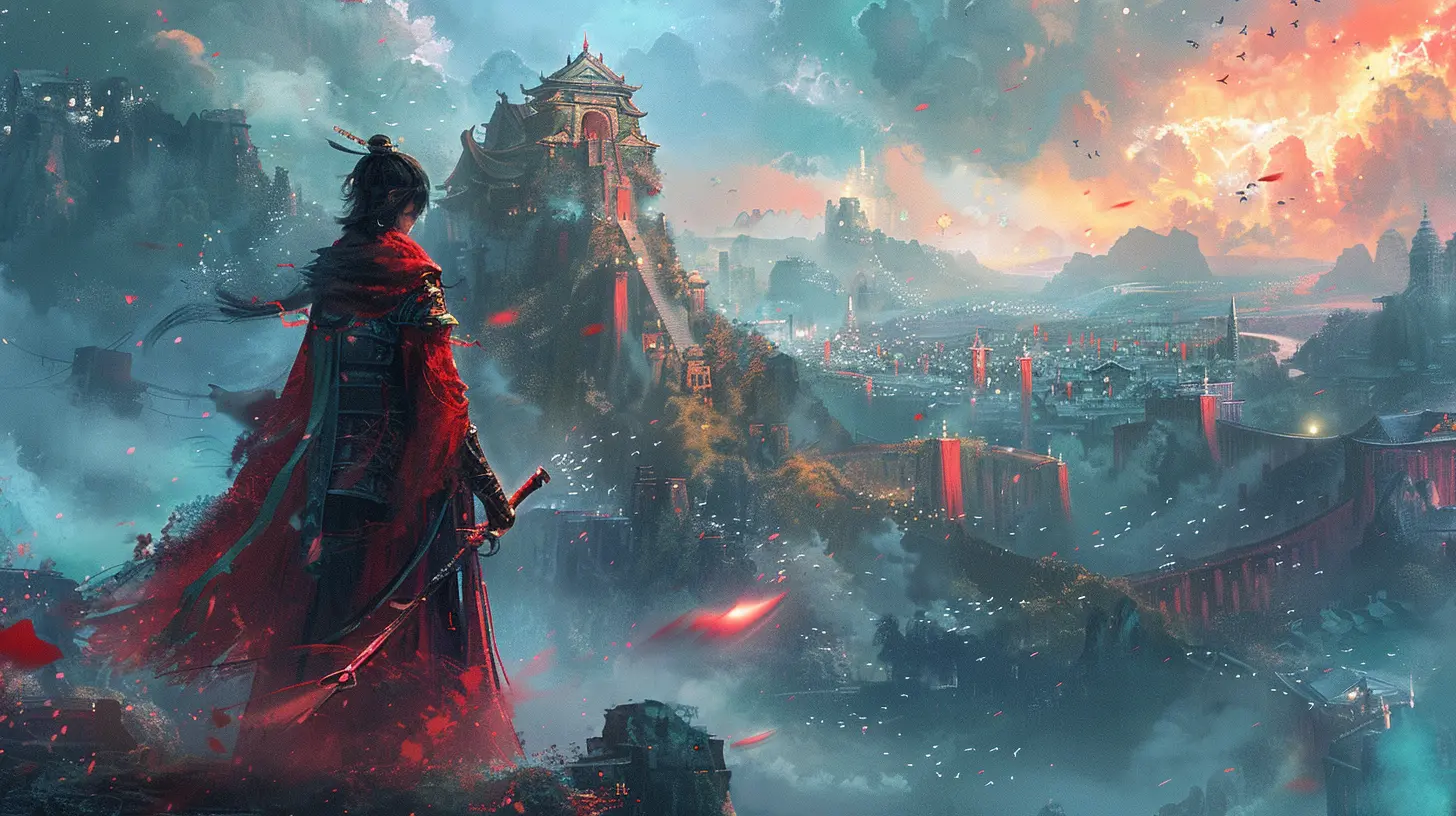
Types of Collectibles That Work Wonders
Not all collectibles are created equal. Here’s a breakdown of what tends to work best:1. Skins & Cosmetics
These are the bread and butter of modern collectibles. From Fortnite dances to shiny Valorant gun skins—players go nuts for anything that gives them a visual flair.Tip: Limited-time cosmetics tied to events create urgency without being pay-to-win.
2. Achievements & Trophies
Okay, technically not “items,” but they scratch the same itch. Unlocking a platinum trophy or a 100%-completion badge? That’s like a gold star on your homework—but way cooler.3. Companions & Pets
A loyal sidekick that follows you through quests? Sign me up. Pets with unique personalities or rare animations become instant hits.Remember: the cuter or weirder, the better.
4. Mounts & Vehicles
Movement-based collectibles are very satisfying. Whether it's a dragon with wings big enough to blot out the sun or a hoverboard that leaves a trail of neon—mobility items make exploration more fun.How to Design Collectibles Players Will Actually Want
Now that we know what makes good collectibles, let’s talk about how to make them.1. Start With the Player Fantasy
What kind of player are you designing for—The Explorer? The Achiever? The Socialite?Match the collectible to the fantasy. Explorers love collectibles hidden behind puzzles. Achievers want rare gear from high-difficulty content. Socialites? Give them something flashy they can show off in the town square.
2. Go Beyond the Obvious
Don’t just make another color variant of a sword. Layer your collectibles with depth.- Add lore snippets to each item.
- Include crafting components that must be found across regions.
- Add customization options for further personalization.
Think “collectible systems” rather than single items.
3. Use Mystery and Discovery
Spoiler alert: people love secrets.Create collectibles that aren’t just handed to the player. Hide them. Lock them behind riddles. Make them discoverable through exploration. The moment of finding something no one else has? That’s magic.
4. Limit Accessibility—Within Reason
Want players talking about your collectibles? Make them time-limited or event-exclusive. It creates buzz and makes the players who get them feel proud.But remember—don’t create permanent FOMO. Re-introduce some rare items later with variations so new players don’t feel left out forever.
5. Build Collections and Sets
One collectible is cool. A set? That’s collector gold.Have armor sets that provide bonuses when complete. Or pets that unlock a new feature when you’ve collected all types. Sets provide long-term goals and increase replayability.
Monetization: A Word of Caution
Many games monetize collectibles through in-game stores, battle passes, or loot boxes. While this can work (and fund your game), it’s fraught with landmines.Avoid pay-to-win at all costs. Players hate when a collectible gives someone an unfair advantage because they dropped more cash. Focus on cosmetics and limited-time bonuses that don’t impact performance.
Transparency helps too—if you're using loot boxes, show drop rates. Nobody likes gambling blind.
Examples of Great Collectible Systems
Let’s give credit where it’s due. These games nailed it:1. World of Warcraft
From rare mounts to transmogrification gear, WoW built an entire subculture around collectibles. Their secret-hunt community alone is a masterclass in hidden design.2. The Legend of Zelda: Breath of the Wild
Korok seeds may be divisive, but they encourage exploration and world interaction in a clever way. Plus, “collect-them-all” tasks tied to map mastery? Genius.3. Genshin Impact
With unique weapons, character outfits, and event-exclusive gliders, Genshin keeps players collecting and customizing their experience—all while tied to lore and aesthetics.4. Destiny 2
Their exotic gear and Triumphs system combine visual flair, in-game power, and bragging rights. The balance between grind and reward hits a sweet spot.Pitfalls to Avoid
Even the best intentions can go wrong. Here’s what not to do.- ✔️ Repetition Overload: Don't make your collectibles feel like a chore list.
- ✔️ No Unique Identity: If everything looks the same, nothing feels special.
- ✔️ Over-Monetization: Don't make players feel like a wallet with legs.
- ✔️ Lack of Space or Display: If players can’t show off what they've earned, what’s the point?
Let Players Show Off
A big part of the joy of collecting is sharing. Social features, profile showcases, and unique spawn animations are all ways to let players broadcast their haul.The more visible the collectible, the more desirable it becomes. Think of it as digital peacocking.
Final Thoughts
Designing collectibles players will actually want isn’t about throwing glitter at gear and calling it rare. It’s about understanding what truly excites, motivates, and satisfies the player. When collectibles feel rewarding, meaningful, and tailored to the game’s world and player fantasies—they become unforgettable.More than that, they become the stories players tell long after they’ve finished the game.
So if you're designing your next in-game collectible, pause and ask yourself: Would I chase this? If the answer is "heck yes," you're on the right track.
all images in this post were generated using AI tools
Category:
Game Content CreationAuthor:

Jack McKinstry
Discussion
rate this article
1 comments
Sloane Franklin
Great insights! Focusing on meaningful design and unique features is key. Players crave collectibles that resonate with their experiences and enhance engagement. Can't wait to see more!
September 5, 2026 at 3:34 AM