Monetization Pitfalls That Destroy In-Game Economies
5 July 2026
Let’s face it—video games aren’t just about fun anymore. Once upon a time, we paid for a game once, popped the disc into our console (or double-clicked the desktop icon), and just played. Now? Not so simple. Developers and publishers are constantly finding new ways to earn from each player long after the game’s installed. Welcome to the world of in-game monetization.
Sounds fair, right? Developers need to make money. But here’s the problem—when done without care, monetization can absolutely wreck a game’s economy. And once that in-game economy collapses? So does player trust, engagement, and eventually, the game itself.
This article digs into the most common monetization traps that derail in-game economies. If you're a gamer, you’ll probably nod along. If you're a dev—well, consider this your cautionary tale.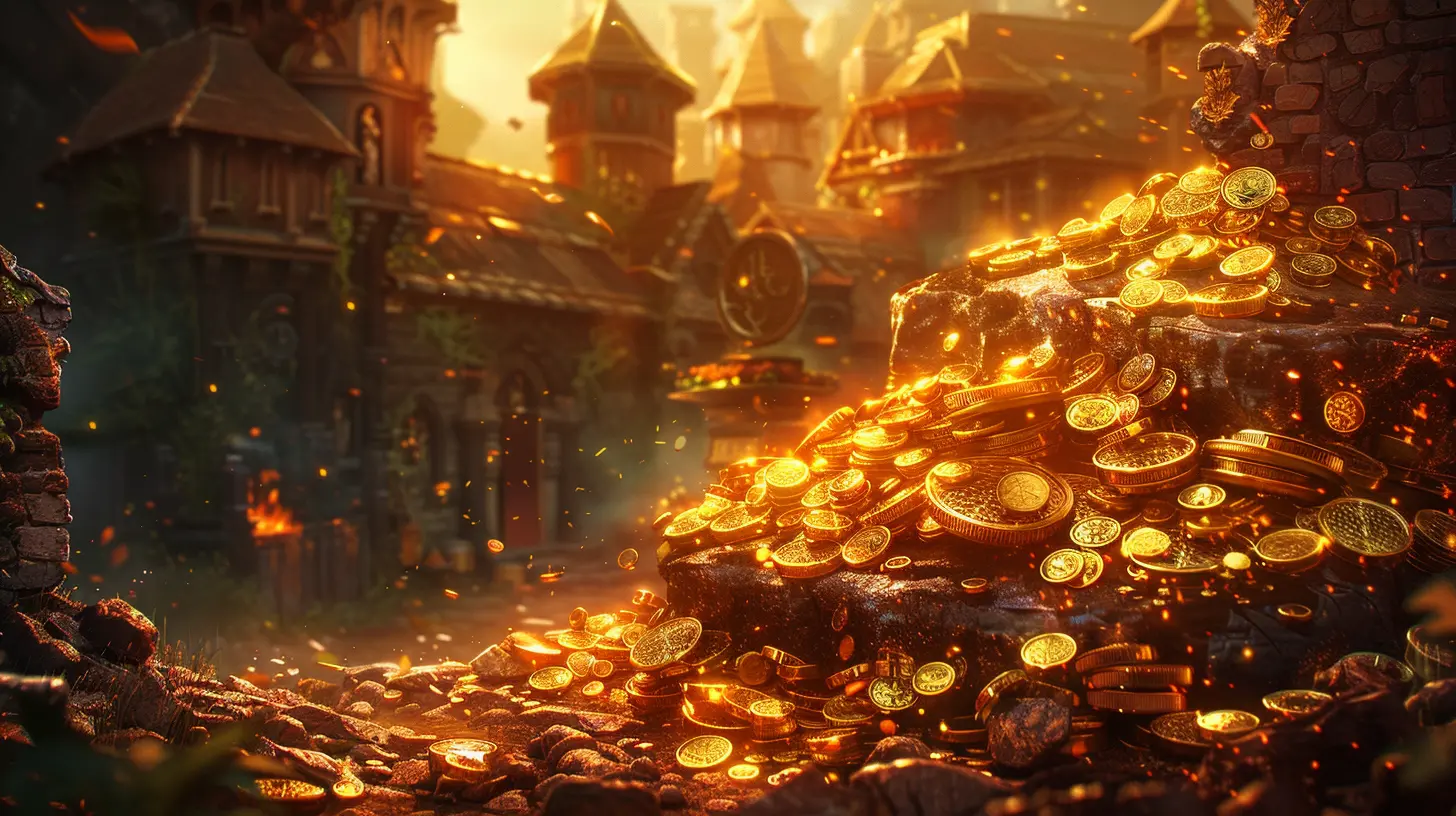
What Is An In-Game Economy, Anyway?
Before we go full speed into the pitfalls, let’s clear up what we’re talking about.An in-game economy is just like a real-world economy. It’s the system that controls how virtual items, resources, and currencies are earned, spent, traded, and valued within a game.
Think: gold in World of Warcraft, V-Bucks in Fortnite, or credits in FIFA Ultimate Team. These virtual goods and currencies have real value—in some cases, literal real-world value. So balancing them properly is kind of a big deal.
When players feel like they can earn things fairly, spend responsibly, and progress at a natural pace, the in-game economy is healthy. Screw that up, and chaos follows.
Pitfall #1: Pay-to-Win (a.k.a The Wallet Warriors Win Again)
Let’s start with the elephant in the room—pay-to-win mechanics. Nothing nukes an in-game economy faster than giving deep-pocketed players a competitive edge.What’s the Issue?
When players can just buy their way to power—whether it's superior gear, extra resources, or even stats boosts—it throws off the balance. Those who grind for hours are instantly overshadowed by someone who spent $50 on a loot box jackpot.It kills fair competition. And worse? It discourages long-term players. If skill and time don’t win over cash, why bother?
Games That Took This Route (and Regretted It)
- Star Wars Battlefront II launched with egregious pay-to-win mechanics and got roasted so hard that EA had to entirely revamp their system after intense backlash.- Mobile strategy games often let players buy power-ups that flatten opponents—unless you're also spending, you're toast.
Pitfall #2: RNG Loot Boxes – Gambling in Disguise?
Loot boxes are like surprise bags for your in-game inventory. You open one, and boom—maybe you get a legendary sword! Or maybe you get…a common skin. Again.Why They’re Dangerous
Loot boxes often rely on random number generators (RNG). The issue? When players can buy loot boxes, they’re essentially paying for a chance to get something valuable. That’s not strategy. That’s gambling.Think about the economy ramifications. If rare items are only accessible through paid RNG, the market floods with junk while a few lucky (or rich) players rake in the goods. It leaves players frustrated, especially when odds aren't transparent.
There's More Than Just Frustration
Some countries have even launched investigations into loot boxes, treating them like gambling for minors. Beyond law, it hits trust. If your economy is randomness-heavy, players will start feeling cheated, not challenged.
Pitfall #3: Inflation – Too Much Gold, No Place to Spend It
In the real world, if money floods the market but there’s nothing to buy, inflation hits hard. Guess what? In-game economies work the same way.How Devs Accidentally Cause Inflation
- Daily rewards give out too much currency- Exploits (or bots) generate resources quickly
- Lack of currency sinks (ways for players to spend or remove currency)
Suddenly, everyone’s rich—but that wealth becomes meaningless. Items that once felt like achievements become common. The economy spirals.
What It Does to Player Experience
For new players, everything feels out of reach. For veterans, nothing feels rewarding. Inflation erases the grind-reward cycle that keeps players hooked. It’s like getting all the cheat codes—it feels fun for a minute, then boring forever.Pitfall #4: Overpriced Microtransactions
You’ve seen it a thousand times. $20 for a skin? $10 for an XP booster? Come on.Why It Doesn’t Work
Yes, the devs need to make money. But when prices feel out of touch with what players value, nobody bites. Or worse, only a few “whales” (big spenders) carry the game’s revenue, turning it into a casino economy.The Result? A Disconnected Community
When only a handful of players enjoy the premium (because they can afford to), it creates a class divide in the player base. That’s toxic. It turns games from social adventures into tiered playgrounds—where only the rich kids get the cool toys.Pitfall #5: Time-Gated Progression Based on Payments
Some games slow you down on purpose—unless you pay. Want to upgrade your building? Wait 8 hours… or pay now! Want to open that loot chest? Wait 6 hours… or pay now!Time Is a Currency Too
This tactic manipulates a basic human trait: impatience. But it’s a cheap trick. Over time, players catch on. They realize the entire game is designed to slow them down unless they cough up money.The Economic Fallout?
These games often see big spending early on, then massive drop-off. Why? Because players don’t want to feel like they’re renting fun. They want to earn it.Once the time-to-reward equation is rigged, players disengage. The in-game economy loses its rhythm. Everything feels like a toll booth, not a playground.
Pitfall #6: Lack of Player-Driven Economy
One of the most exciting things in games like EVE Online, Old School RuneScape, or even Diablo II back in the day was the player-driven economy. Players crafted, traded, bartered. Supply and demand meant something.But When Games Go Too Corporate…
In many modern games, devs control the market entirely. Fixed prices. Limited trading. No real player influence. That kills economic spontaneity.If players can’t impact prices, introduce new goods to the market, or create value through crafting, the economy becomes sterile. It's like a theme park instead of a living world.
Why This Matters
Gamers love ownership. They want to feel like their actions matter—like they can shape the world. Removing that agency just flattens the in-game economy into a boring, controlled shop interface.Pitfall #7: Seasonal Power Resets
You grind for months. Get the best gear. Reach max level. And then—boom! A new season starts. New gear is better, your old items are worthless. Great, right?This Isn’t Just a Progression Issue
Seasonal resets can tank in-game economies because they devalue prior investments. The marketplace floods with irrelevant items. Player-crafted goods lose meaning. It’s like buying a new iPhone, only to be told it’s obsolete three weeks later.What’s the Fix?
Balance. Incentivize returning players, sure. But don’t punish your loyal core by wiping their hard work each season. Let old gear remain viable in different ways—cosmetically, in legacy content, or as tradeable assets.Pitfall #8: Exclusive FOMO-Based Items (Fear-Based Buying)
Timed cosmetics, exclusive bundles, “limited-time offers”... they all prey on FOMO (fear of missing out).The Psychological Trap
Players rush to buy because they’re afraid they won’t get another chance. It works—but it creates fragile economies built on pressure, not interest. And once that pressure disappears (or players feel burned), spending dries up.Worse? It Can Alienate New Players
If half the player base is rocking unicorn mounts and glowing armor never to be obtainable again, new players feel out of place. That exclusivity creates elitism, not excitement.Pitfall #9: Ignoring the Players
This might be the biggest one. Developers create the economy, sure—but players live in it. Completely ignoring player feedback, data, or genuine economic concerns is asking for a disaster.The Fallout?
When players feel unheard, they stop reporting bugs. Stop suggesting improvements. Stop caring. And once the community gives up, the economy collapses.Games like No Man’s Sky made huge comebacks because devs listened. Others… not so much.
So, What Should Devs Do Instead?
Creating a sustainable in-game economy isn’t about stuffing it with monetization tricks. It’s about balance, fairness, and—let’s be honest—a little empathy.Here’s What Works:
- Implement ethical and transparent monetization- Reward skill, not spending
- Avoid endless grind walls that lead to payment
- Offer meaningful, not manipulative, rewards
- Let players participate in shaping the economy
- Monitor inflation with proper currency sinks
- Regularly collect and act on community feedback
A thriving game economy feels like a second home. A broken one feels like a casino rigged against you.
Final Thoughts
Monetization isn’t bad. It keeps our favorite studios afloat, funds ongoing updates, and literally pays for the servers we love playing on. But when it starts choking the in-game economy, it destroys the golden goose.Gamers aren’t fooled anymore. We know the difference between “supporting a game” and being milked dry. And in today’s crowded market? We vote with our time and our wallets. Developers who respect the in-game economy, and by extension the player, will always win the long game.
Don't burn out your own economy for a quick buck. Build something that lasts.
all images in this post were generated using AI tools
Category:
In Game EconomyAuthor:

Jack McKinstry
Discussion
rate this article
2 comments
Ford McCarthy
Imagine a game where every coin you earn vanishes like magic when you blink. Monetization should enhance fun, not turn players into cash cows. Let's find the balance before our loot just becomes digital dust... or worse, a broken piggy bank!
October 2, 2026 at 11:20 PM
Runehart Lozano
Great insights on the challenges of in-game monetization! It's crucial for developers to strike a balance between profit and player experience. By understanding these pitfalls, we can create better games that respect players while still thriving financially. Keep pushing forward!
July 15, 2026 at 4:06 AM
Jack McKinstry
Thanks for the thoughtful comment! Finding that balance is key, and I appreciate your support in fostering a better gaming experience. Let's keep the conversation going!